
Tulsi Gabbard Announces Sweeping Cuts and Security Clearance Revocations in US Intelligence Overhaul
In This Article
HIGHLIGHTS
- Tulsi Gabbard, Director of National Intelligence, announced a 50% staff cut and a $700 million budget reduction for the agency.
- The Trump administration revoked security clearances for 37 officials, citing politicization and unauthorized leaks of intelligence.
- The restructuring includes eliminating the Foreign Malign Influence Center and other units, consolidating their functions within existing agencies.
- Critics, including national security attorney Mark Zaid, argue the clearance revocations are politically motivated and lack precedent.
- The revocations target officials involved in the 2017 Russia election interference assessment and critics of President Trump.
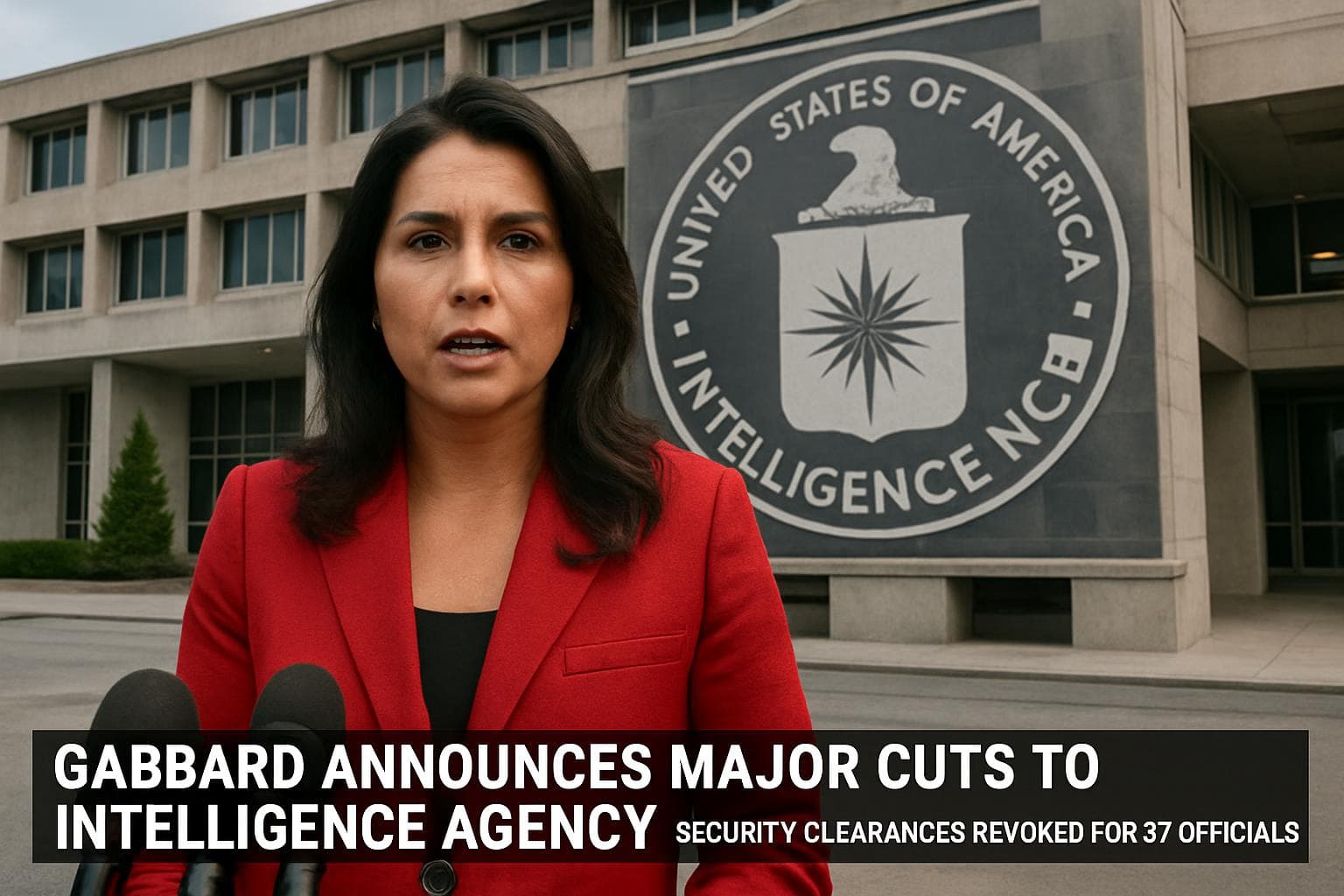
In a bold move to streamline the US intelligence apparatus, Director of National Intelligence Tulsi Gabbard has unveiled plans to cut the agency's workforce by nearly half and reduce its budget by $700 million. The announcement, made on Tuesday, is part of a broader restructuring effort aimed at addressing what Gabbard described as a "bloated and inefficient" system.
Restructuring the Intelligence Community
Gabbard's plan involves significant changes, including the elimination of the Foreign Malign Influence Center, which was responsible for monitoring foreign efforts to sway US public opinion. According to a fact sheet, these functions will be absorbed by other intelligence units. Additionally, units focused on weapons of mass destruction and cyber threats will be consolidated, as their roles overlap with existing agencies.
Security Clearance Revocations
In a parallel development, the Trump administration has revoked the security clearances of 37 current and former national security officials. Gabbard, in a memo posted on social media platform X, accused these individuals of "politicizing and manipulating intelligence, leaking classified information without authorization, and committing egregious violations of tradecraft standards." The list includes officials involved in the 2017 assessment of Russian interference in the 2016 election and critics of President Trump.
Criticism and Legal Concerns
The decision has sparked controversy, with critics like national security attorney Mark Zaid labeling it as "pure politicization of the security clearance process." Zaid argues that these actions deviate from established precedents and unfairly impact the careers of those targeted. The memo did not provide specific evidence of wrongdoing, leading to further scrutiny and debate over the motivations behind the revocations.
Historical Context and Implications
This is not the first instance of the Trump administration revoking security clearances. Previous actions targeted prominent figures such as Joe Biden, Kamala Harris, and other critics. The administration's focus on intelligence officials linked to the Russia investigation has reignited discussions about the politicization of intelligence and its implications for national security.
WHAT THIS MIGHT MEAN
The sweeping changes announced by Tulsi Gabbard could have significant implications for the US intelligence community. The reduction in staff and budget may streamline operations but could also impact the agency's ability to respond to emerging threats. The revocation of security clearances raises questions about the balance between national security and political motivations, potentially leading to legal challenges from those affected.
Experts suggest that the consolidation of intelligence functions might improve efficiency but could also lead to gaps in coverage if not managed carefully. The focus on officials involved in the Russia investigation may further polarize the political landscape, with potential repercussions for future intelligence assessments and policy decisions.
As the situation unfolds, the intelligence community and legal experts will be closely monitoring the impact of these changes on national security and the precedent it sets for future administrations.
Related Articles

Jesse Jackson: A Legacy of Civil Rights Leadership and Global Impact

US Military Strikes on Alleged Drug Boats Raise Legal Concerns

Geneva Peace Talks: Russia and Ukraine Seek Resolution Amid Ongoing Conflict
Clintons to Testify as Epstein Files Spark Allegations of Cover-Up
Don Lemon Pleads Not Guilty in Minnesota Church Protest Case
Judge Blocks Demotion of Senator Mark Kelly Over 'Illegal Orders' Video
Tulsi Gabbard Announces Sweeping Cuts and Security Clearance Revocations in US Intelligence Overhaul
In This Article
 Ethan Brooks| Published
 HIGHLIGHTS
- Tulsi Gabbard, Director of National Intelligence, announced a 50% staff cut and a $700 million budget reduction for the agency.
- The Trump administration revoked security clearances for 37 officials, citing politicization and unauthorized leaks of intelligence.
- The restructuring includes eliminating the Foreign Malign Influence Center and other units, consolidating their functions within existing agencies.
- Critics, including national security attorney Mark Zaid, argue the clearance revocations are politically motivated and lack precedent.
- The revocations target officials involved in the 2017 Russia election interference assessment and critics of President Trump.
In a bold move to streamline the US intelligence apparatus, Director of National Intelligence Tulsi Gabbard has unveiled plans to cut the agency's workforce by nearly half and reduce its budget by $700 million. The announcement, made on Tuesday, is part of a broader restructuring effort aimed at addressing what Gabbard described as a "bloated and inefficient" system.
Restructuring the Intelligence Community
Gabbard's plan involves significant changes, including the elimination of the Foreign Malign Influence Center, which was responsible for monitoring foreign efforts to sway US public opinion. According to a fact sheet, these functions will be absorbed by other intelligence units. Additionally, units focused on weapons of mass destruction and cyber threats will be consolidated, as their roles overlap with existing agencies.
Security Clearance Revocations
In a parallel development, the Trump administration has revoked the security clearances of 37 current and former national security officials. Gabbard, in a memo posted on social media platform X, accused these individuals of "politicizing and manipulating intelligence, leaking classified information without authorization, and committing egregious violations of tradecraft standards." The list includes officials involved in the 2017 assessment of Russian interference in the 2016 election and critics of President Trump.
Criticism and Legal Concerns
The decision has sparked controversy, with critics like national security attorney Mark Zaid labeling it as "pure politicization of the security clearance process." Zaid argues that these actions deviate from established precedents and unfairly impact the careers of those targeted. The memo did not provide specific evidence of wrongdoing, leading to further scrutiny and debate over the motivations behind the revocations.
Historical Context and Implications
This is not the first instance of the Trump administration revoking security clearances. Previous actions targeted prominent figures such as Joe Biden, Kamala Harris, and other critics. The administration's focus on intelligence officials linked to the Russia investigation has reignited discussions about the politicization of intelligence and its implications for national security.
WHAT THIS MIGHT MEAN
The sweeping changes announced by Tulsi Gabbard could have significant implications for the US intelligence community. The reduction in staff and budget may streamline operations but could also impact the agency's ability to respond to emerging threats. The revocation of security clearances raises questions about the balance between national security and political motivations, potentially leading to legal challenges from those affected.
Experts suggest that the consolidation of intelligence functions might improve efficiency but could also lead to gaps in coverage if not managed carefully. The focus on officials involved in the Russia investigation may further polarize the political landscape, with potential repercussions for future intelligence assessments and policy decisions.
As the situation unfolds, the intelligence community and legal experts will be closely monitoring the impact of these changes on national security and the precedent it sets for future administrations.
Related Articles
Jesse Jackson: A Legacy of Civil Rights Leadership and Global Impact
US Military Strikes on Alleged Drug Boats Raise Legal Concerns
Geneva Peace Talks: Russia and Ukraine Seek Resolution Amid Ongoing Conflict
Clintons to Testify as Epstein Files Spark Allegations of Cover-Up
Don Lemon Pleads Not Guilty in Minnesota Church Protest Case
Judge Blocks Demotion of Senator Mark Kelly Over 'Illegal Orders' Video