
Prospects for Gaza Ceasefire Rise as Hamas and Israel Weigh US Proposal

In This Article
HIGHLIGHTS
- Hamas has responded positively to a US proposal for a Gaza ceasefire, though it seeks amendments, including a US guarantee against resumed hostilities.
- The ceasefire plan includes the release of Israeli hostages and Palestinian prisoners, alongside humanitarian aid for Gaza.
- Israeli Prime Minister Netanyahu has accepted the ceasefire terms, but insists on the release of all hostages before ending the war.
- The ceasefire, if agreed upon, would last 60 days, with negotiations for a permanent resolution beginning immediately.
- Recent regional dynamics, including a US-brokered ceasefire between Israel and Iran, have influenced the current negotiations.
In a significant development, Hamas has indicated a positive response to a US-brokered proposal for a ceasefire in Gaza, though it has requested several amendments. The proposal, which aims to halt nearly 21 months of conflict, includes the release of Israeli hostages and Palestinian prisoners, as well as the provision of humanitarian aid to the war-torn region.
Hamas Seeks Amendments
While Hamas has shown willingness to engage in negotiations, it has called for specific changes to the US proposal. A senior Palestinian official revealed that Hamas is demanding a US guarantee that hostilities will not resume if talks fail. Additionally, Hamas insists on the exclusive distribution of aid by the UN, rejecting the current system managed by the Gaza Humanitarian Foundation.
Israel's Stance and Conditions
Israeli Prime Minister Benjamin Netanyahu has accepted the ceasefire terms but remains firm on the condition that all hostages must be released before any permanent resolution. The plan outlines a 60-day ceasefire, during which both parties are expected to engage in discussions to end the conflict. Netanyahu's recent diplomatic engagements, including a visit to Washington, underscore the importance of US mediation in these talks.
Regional Dynamics and Implications
The potential ceasefire comes in the wake of a brief conflict between Israel and Iran, which ended with a US-brokered ceasefire. This development has weakened Tehran's influence in the region, indirectly impacting Hamas's position. Analysts suggest that Netanyahu's handling of the situation could bolster his political standing, as he seeks to present himself as the leader who ensured Israel's security.
Humanitarian and Military Aspects
The ceasefire proposal also addresses humanitarian concerns, with provisions for immediate aid to Gaza. The phased withdrawal of Israeli troops from certain areas is another critical component, though Hamas demands a return to pre-conflict positions. As negotiations continue, the international community watches closely, hoping for a resolution that brings lasting peace to the region.
WHAT THIS MIGHT MEAN
Should the ceasefire be agreed upon, it could pave the way for more comprehensive peace talks, potentially leading to a long-term resolution of the conflict. However, the success of these negotiations hinges on mutual trust and adherence to the agreed terms. The involvement of international bodies like the UN could ensure the fair distribution of humanitarian aid and monitor compliance with the ceasefire.
Politically, a successful ceasefire could strengthen Netanyahu's position domestically, providing him with a narrative of victory and security. Conversely, failure to reach an agreement or a breakdown in talks could exacerbate tensions, leading to renewed hostilities. The coming weeks will be crucial in determining the trajectory of peace efforts in the region.
Related Articles

Intensified US-Israel Strikes on Iran Spark Global Outcry
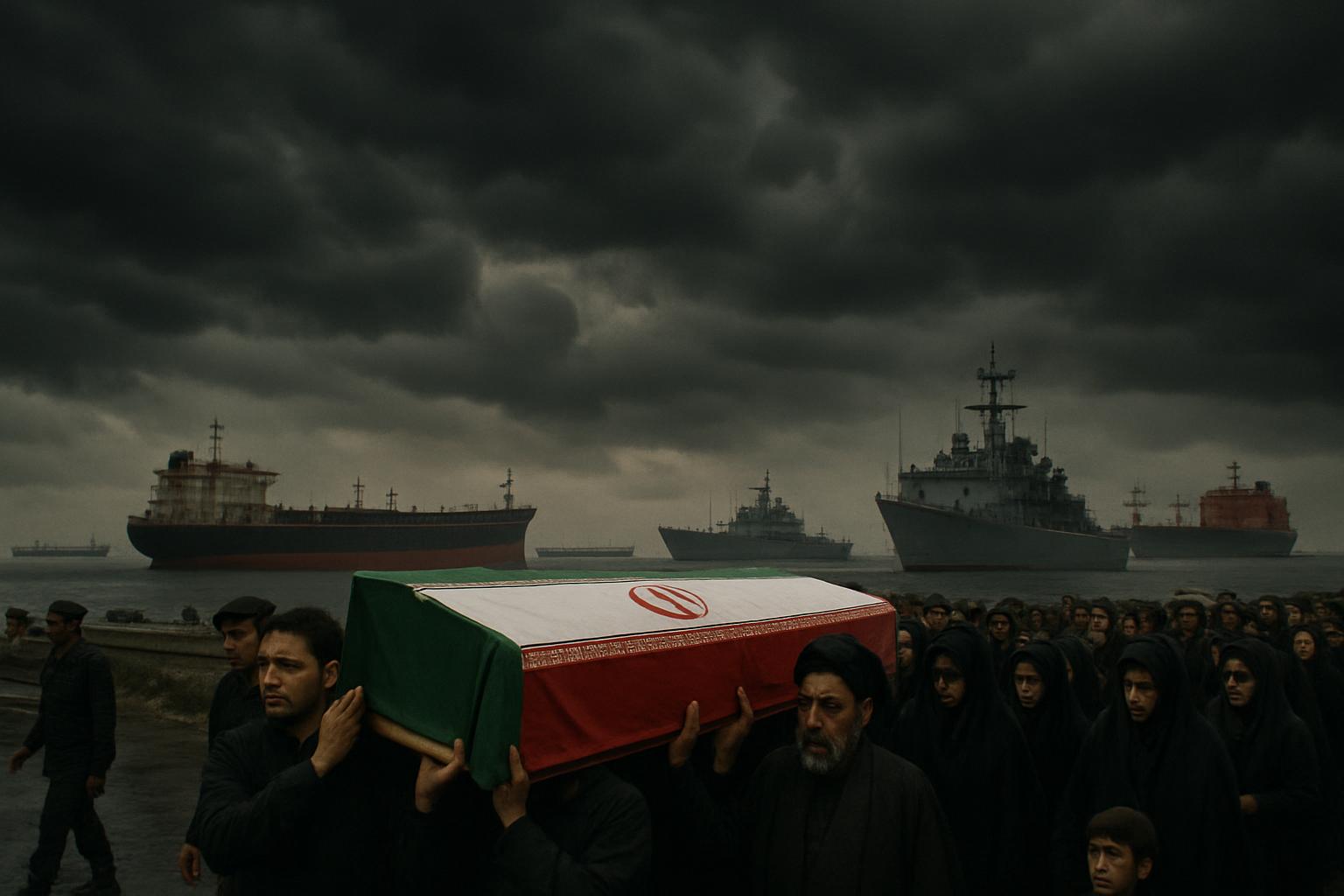
Iran Postpones Khamenei Funeral Amid Escalating US-Israeli Strikes

US and Israel Intensify Military Campaign as Iran's Capabilities Dwindle
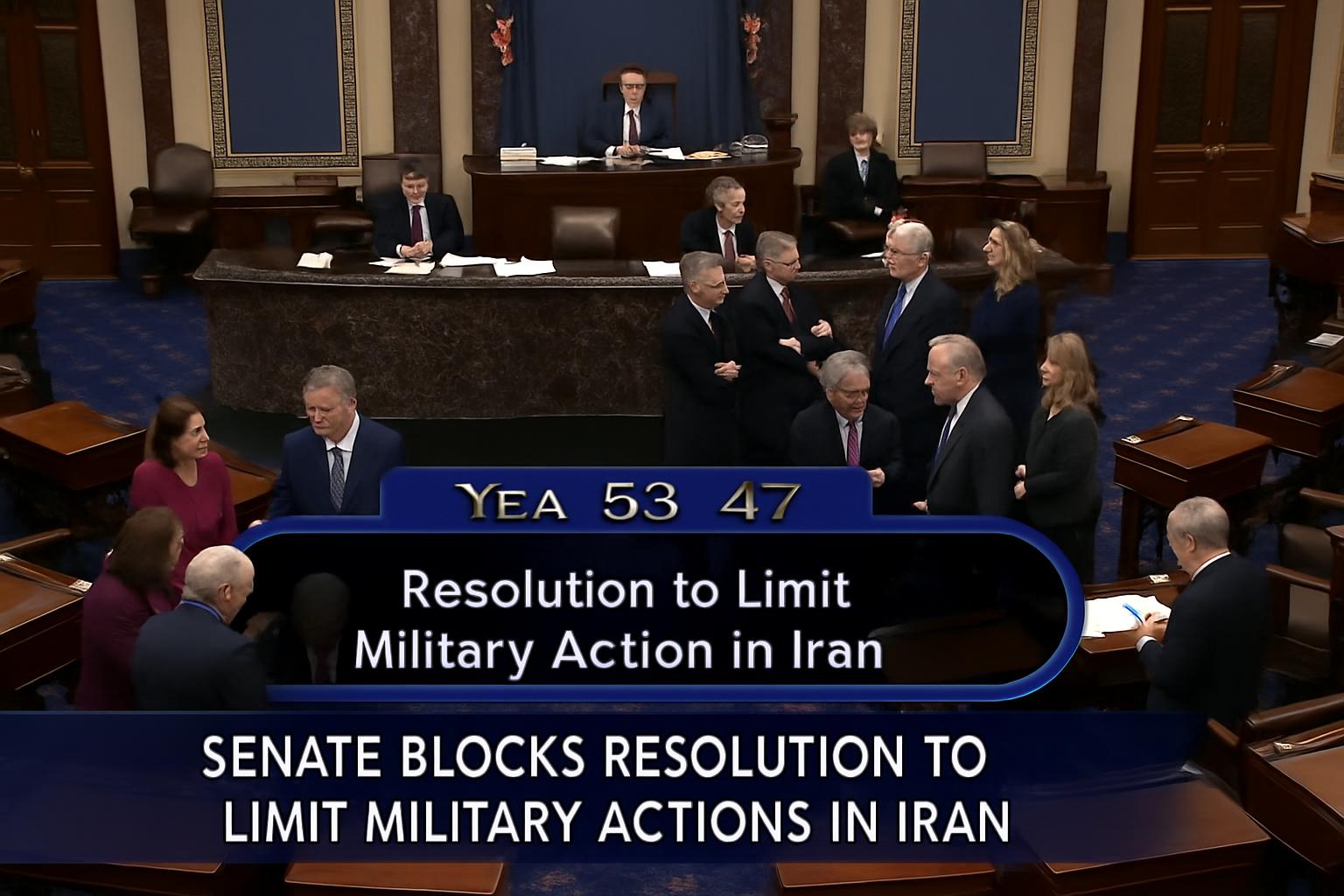
Senate Blocks Resolution to Limit Trump's Military Actions in Iran
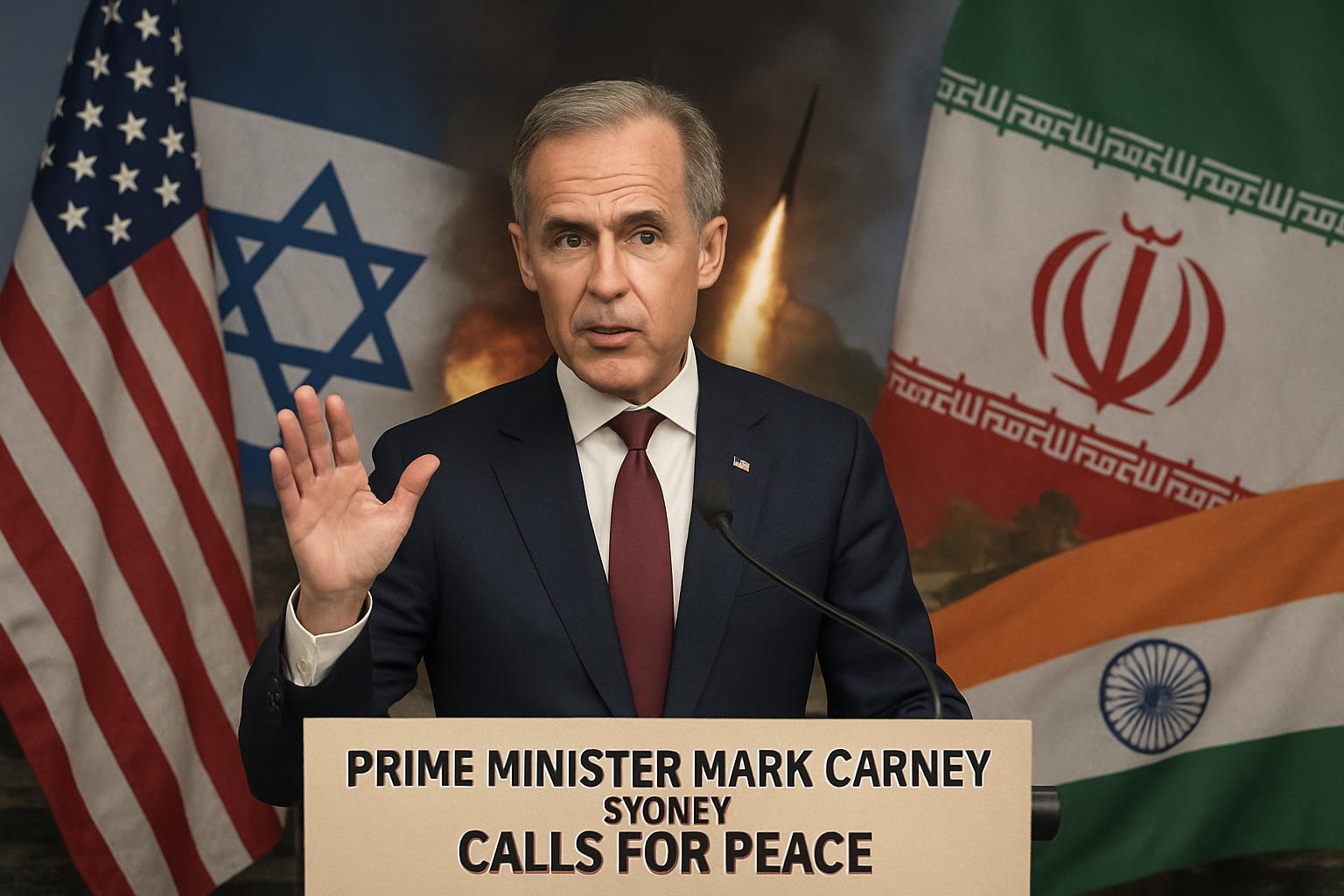
Canada Calls for De-escalation Amid US-Israel Strikes on Iran

UK Faces Dilemmas Amid Iran Conflict and China Spying Allegations
Prospects for Gaza Ceasefire Rise as Hamas and Israel Weigh US Proposal
In This Article
 Ethan Brooks| Published
 HIGHLIGHTS
- Hamas has responded positively to a US proposal for a Gaza ceasefire, though it seeks amendments, including a US guarantee against resumed hostilities.
- The ceasefire plan includes the release of Israeli hostages and Palestinian prisoners, alongside humanitarian aid for Gaza.
- Israeli Prime Minister Netanyahu has accepted the ceasefire terms, but insists on the release of all hostages before ending the war.
- The ceasefire, if agreed upon, would last 60 days, with negotiations for a permanent resolution beginning immediately.
- Recent regional dynamics, including a US-brokered ceasefire between Israel and Iran, have influenced the current negotiations.
In a significant development, Hamas has indicated a positive response to a US-brokered proposal for a ceasefire in Gaza, though it has requested several amendments. The proposal, which aims to halt nearly 21 months of conflict, includes the release of Israeli hostages and Palestinian prisoners, as well as the provision of humanitarian aid to the war-torn region.
Hamas Seeks Amendments
While Hamas has shown willingness to engage in negotiations, it has called for specific changes to the US proposal. A senior Palestinian official revealed that Hamas is demanding a US guarantee that hostilities will not resume if talks fail. Additionally, Hamas insists on the exclusive distribution of aid by the UN, rejecting the current system managed by the Gaza Humanitarian Foundation.
Israel's Stance and Conditions
Israeli Prime Minister Benjamin Netanyahu has accepted the ceasefire terms but remains firm on the condition that all hostages must be released before any permanent resolution. The plan outlines a 60-day ceasefire, during which both parties are expected to engage in discussions to end the conflict. Netanyahu's recent diplomatic engagements, including a visit to Washington, underscore the importance of US mediation in these talks.
Regional Dynamics and Implications
The potential ceasefire comes in the wake of a brief conflict between Israel and Iran, which ended with a US-brokered ceasefire. This development has weakened Tehran's influence in the region, indirectly impacting Hamas's position. Analysts suggest that Netanyahu's handling of the situation could bolster his political standing, as he seeks to present himself as the leader who ensured Israel's security.
Humanitarian and Military Aspects
The ceasefire proposal also addresses humanitarian concerns, with provisions for immediate aid to Gaza. The phased withdrawal of Israeli troops from certain areas is another critical component, though Hamas demands a return to pre-conflict positions. As negotiations continue, the international community watches closely, hoping for a resolution that brings lasting peace to the region.
WHAT THIS MIGHT MEAN
Should the ceasefire be agreed upon, it could pave the way for more comprehensive peace talks, potentially leading to a long-term resolution of the conflict. However, the success of these negotiations hinges on mutual trust and adherence to the agreed terms. The involvement of international bodies like the UN could ensure the fair distribution of humanitarian aid and monitor compliance with the ceasefire.
Politically, a successful ceasefire could strengthen Netanyahu's position domestically, providing him with a narrative of victory and security. Conversely, failure to reach an agreement or a breakdown in talks could exacerbate tensions, leading to renewed hostilities. The coming weeks will be crucial in determining the trajectory of peace efforts in the region.
Related Articles
Intensified US-Israel Strikes on Iran Spark Global Outcry
Iran Postpones Khamenei Funeral Amid Escalating US-Israeli Strikes
US and Israel Intensify Military Campaign as Iran's Capabilities Dwindle
Senate Blocks Resolution to Limit Trump's Military Actions in Iran
Canada Calls for De-escalation Amid US-Israel Strikes on Iran
UK Faces Dilemmas Amid Iran Conflict and China Spying Allegations