
Humanitarian Catastrophe Unfolds in Gaza Amid Escalating Conflict
In This Article
HIGHLIGHTS
- Over 60,000 Palestinians have been killed in Gaza since Israel's military offensive began in October 2023, according to the Hamas-run health ministry.
- The UN has declared a humanitarian catastrophe in Gaza, with famine conditions worsening and thousands of children malnourished.
- Israel's military actions are in response to a Hamas-led attack on southern Israel on 7 October 2023, which resulted in 1,200 Israeli deaths.
- The UN and international bodies are calling for increased aid to Gaza, warning that current efforts are insufficient to avert disaster.
- The UK has threatened to recognize the state of Palestine unless Israel takes steps to address the crisis in Gaza.
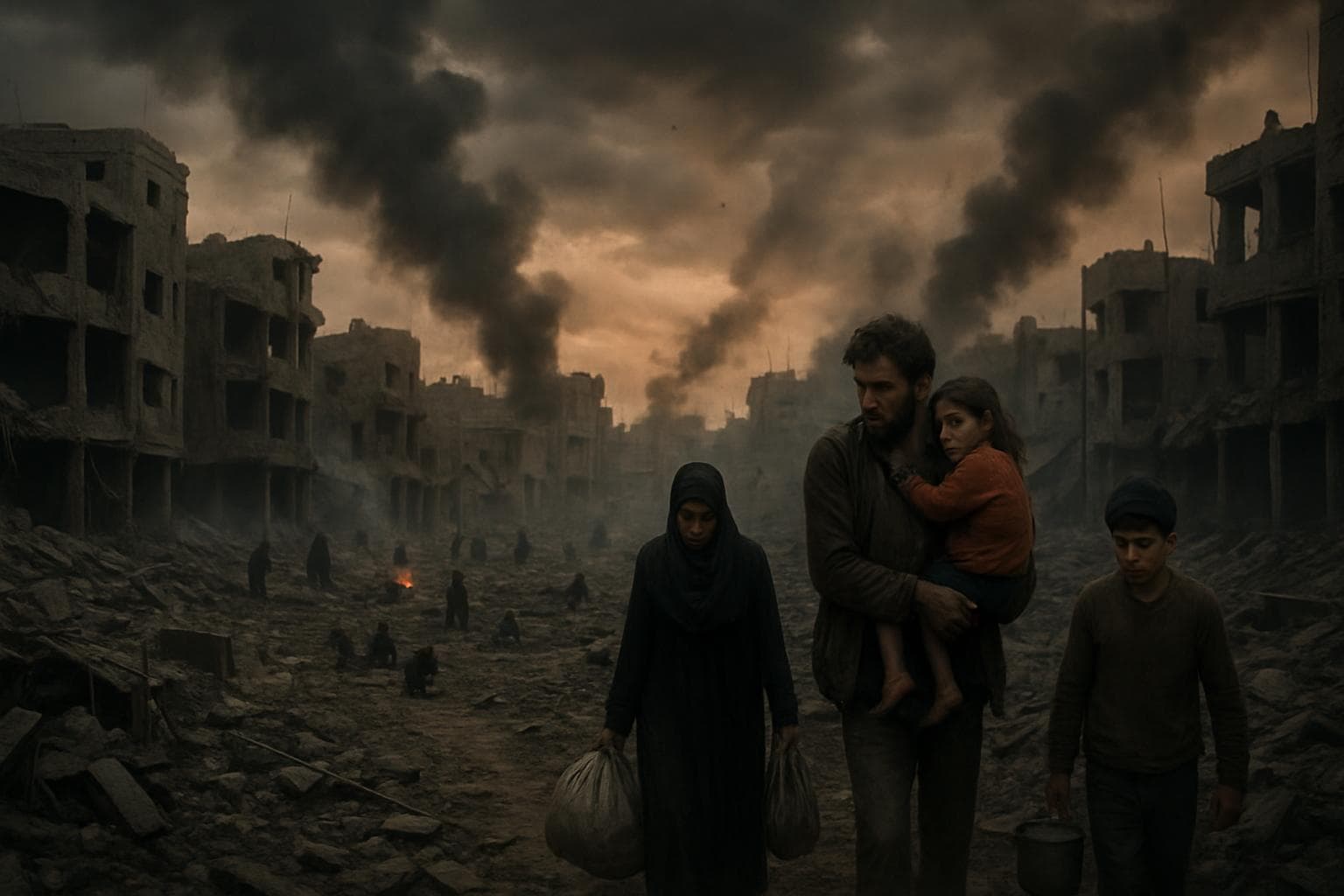
The Gaza Strip is facing a dire humanitarian crisis as the death toll from Israel's military offensive surpasses 60,000, according to the Hamas-run health ministry. The conflict, which erupted following a Hamas-led attack on southern Israel on 7 October 2023, has resulted in significant casualties, including 18,592 children and 9,782 women. The Israeli response has been marked by intense military operations across Gaza, with reports of strikes on homes and aid distribution points.
Mounting Casualties and Humanitarian Crisis
In the past 24 hours alone, at least 113 Palestinians have been killed, despite reports of a military pause in parts of the Gaza Strip. The situation has been exacerbated by a looming famine, with a UN-backed monitor warning of severe malnutrition among children. The Integrated Food Security Phase Classification Initiative (IPC) has highlighted the urgent need for increased aid, stating that current efforts are insufficient to prevent a humanitarian catastrophe.
International Response and Diplomatic Efforts
The international community has responded with calls for urgent action. UN Secretary-General António Guterres described the situation as a "humanitarian catastrophe of epic proportions," urging for a significant increase in aid to Gaza. Meanwhile, the UK has issued a stark warning to Israel, threatening to recognize the state of Palestine unless substantive steps are taken to alleviate the crisis. British Prime Minister Keir Starmer emphasized the need for a two-state solution, a sentiment echoed by Foreign Secretary David Lammy at a recent UN conference.
Local Impact and Personal Stories
The impact of the conflict is deeply felt by the residents of Gaza. In the central Nuseirat area, al-Awda Hospital reported the deaths of 30 people, including 14 women and 12 children, in recent strikes. Families have been torn apart, with multiple members of the Abu Ataya, Siyam, and Nabhan families among the casualties. The ongoing violence has left many in Gaza struggling to access basic necessities, with aid distribution points becoming targets of military action.
WHAT THIS MIGHT MEAN
The situation in Gaza remains precarious, with the potential for further escalation if diplomatic efforts fail to yield results. The international community's response, particularly the UK's threat to recognize Palestine, could pressure Israel to reconsider its military strategy. However, without a significant increase in humanitarian aid and a commitment to a two-state solution, the crisis is likely to deepen. Experts warn that without immediate intervention, the humanitarian catastrophe in Gaza could have long-lasting repercussions for regional stability and international relations.
Related Articles
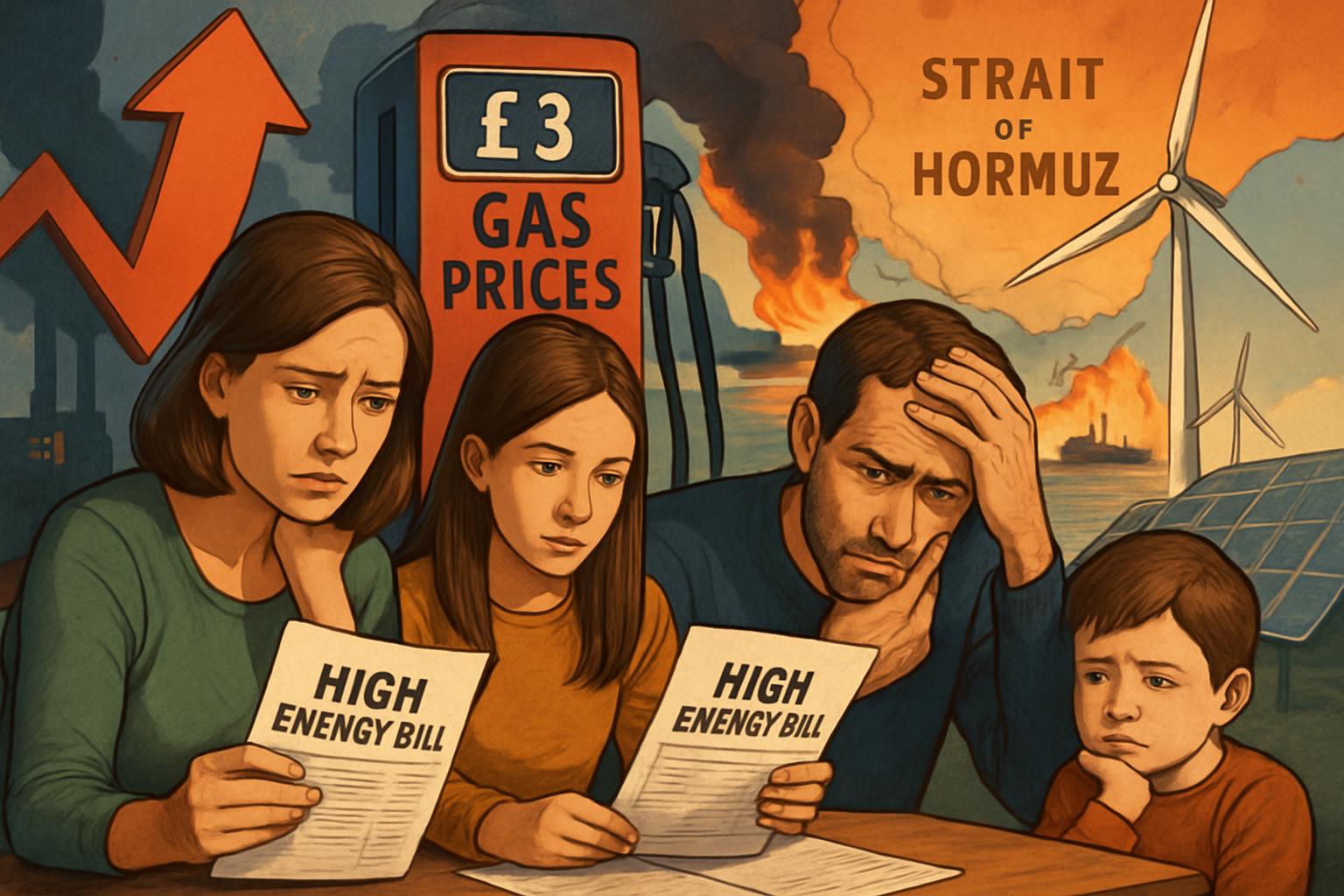
Middle East Conflict Drives UK Energy Prices to New Highs

UK Faces Dilemmas Amid Iran Conflict and China Spying Allegations

US and Israel Intensify Military Campaign as Iran's Capabilities Dwindle

UK Reinforces Military Presence in Cyprus Amid Middle East Tensions

UK-Iran Tensions: Starmer Defends Cautious Approach Amid Trump Criticism

Diplomatic Tensions Rise as Trump Criticizes Starmer's Iran Policy
Humanitarian Catastrophe Unfolds in Gaza Amid Escalating Conflict
In This Article
 James Okoro| Published
 HIGHLIGHTS
- Over 60,000 Palestinians have been killed in Gaza since Israel's military offensive began in October 2023, according to the Hamas-run health ministry.
- The UN has declared a humanitarian catastrophe in Gaza, with famine conditions worsening and thousands of children malnourished.
- Israel's military actions are in response to a Hamas-led attack on southern Israel on 7 October 2023, which resulted in 1,200 Israeli deaths.
- The UN and international bodies are calling for increased aid to Gaza, warning that current efforts are insufficient to avert disaster.
- The UK has threatened to recognize the state of Palestine unless Israel takes steps to address the crisis in Gaza.
The Gaza Strip is facing a dire humanitarian crisis as the death toll from Israel's military offensive surpasses 60,000, according to the Hamas-run health ministry. The conflict, which erupted following a Hamas-led attack on southern Israel on 7 October 2023, has resulted in significant casualties, including 18,592 children and 9,782 women. The Israeli response has been marked by intense military operations across Gaza, with reports of strikes on homes and aid distribution points.
Mounting Casualties and Humanitarian Crisis
In the past 24 hours alone, at least 113 Palestinians have been killed, despite reports of a military pause in parts of the Gaza Strip. The situation has been exacerbated by a looming famine, with a UN-backed monitor warning of severe malnutrition among children. The Integrated Food Security Phase Classification Initiative (IPC) has highlighted the urgent need for increased aid, stating that current efforts are insufficient to prevent a humanitarian catastrophe.
International Response and Diplomatic Efforts
The international community has responded with calls for urgent action. UN Secretary-General António Guterres described the situation as a "humanitarian catastrophe of epic proportions," urging for a significant increase in aid to Gaza. Meanwhile, the UK has issued a stark warning to Israel, threatening to recognize the state of Palestine unless substantive steps are taken to alleviate the crisis. British Prime Minister Keir Starmer emphasized the need for a two-state solution, a sentiment echoed by Foreign Secretary David Lammy at a recent UN conference.
Local Impact and Personal Stories
The impact of the conflict is deeply felt by the residents of Gaza. In the central Nuseirat area, al-Awda Hospital reported the deaths of 30 people, including 14 women and 12 children, in recent strikes. Families have been torn apart, with multiple members of the Abu Ataya, Siyam, and Nabhan families among the casualties. The ongoing violence has left many in Gaza struggling to access basic necessities, with aid distribution points becoming targets of military action.
WHAT THIS MIGHT MEAN
The situation in Gaza remains precarious, with the potential for further escalation if diplomatic efforts fail to yield results. The international community's response, particularly the UK's threat to recognize Palestine, could pressure Israel to reconsider its military strategy. However, without a significant increase in humanitarian aid and a commitment to a two-state solution, the crisis is likely to deepen. Experts warn that without immediate intervention, the humanitarian catastrophe in Gaza could have long-lasting repercussions for regional stability and international relations.
Related Articles
Middle East Conflict Drives UK Energy Prices to New Highs
UK Faces Dilemmas Amid Iran Conflict and China Spying Allegations
US and Israel Intensify Military Campaign as Iran's Capabilities Dwindle
UK Reinforces Military Presence in Cyprus Amid Middle East Tensions
UK-Iran Tensions: Starmer Defends Cautious Approach Amid Trump Criticism
Diplomatic Tensions Rise as Trump Criticizes Starmer's Iran Policy