
Rising Tensions in Gaza: Israeli Strikes Claim Lives Amid Ceasefire Hopes
In This Article
HIGHLIGHTS
- At least 81 Palestinians were killed and over 400 injured in recent Israeli strikes across Gaza, according to the Hamas-run health ministry.
- A strike near a displacement shelter in Gaza City resulted in at least 11 deaths, including children, as verified by hospital staff and witnesses.
- US President Donald Trump expressed optimism for a ceasefire agreement within a week, with Qatari mediators hopeful for US pressure to facilitate a deal.
- The humanitarian situation in Gaza worsens amid ongoing Israeli strikes and a blockade, with famine-like conditions reported.
- Negotiations for a ceasefire and hostage release remain stalled, despite intensified efforts by mediators and calls for peace from various stakeholders.
In a devastating escalation of violence, at least 81 Palestinians have been killed and more than 400 injured in Israeli airstrikes across Gaza, according to the Hamas-run health ministry. The strikes, which occurred over a 24-hour period until midday Saturday, have exacerbated the already dire humanitarian situation in the besieged strip.
Civilian Casualties and Humanitarian Crisis
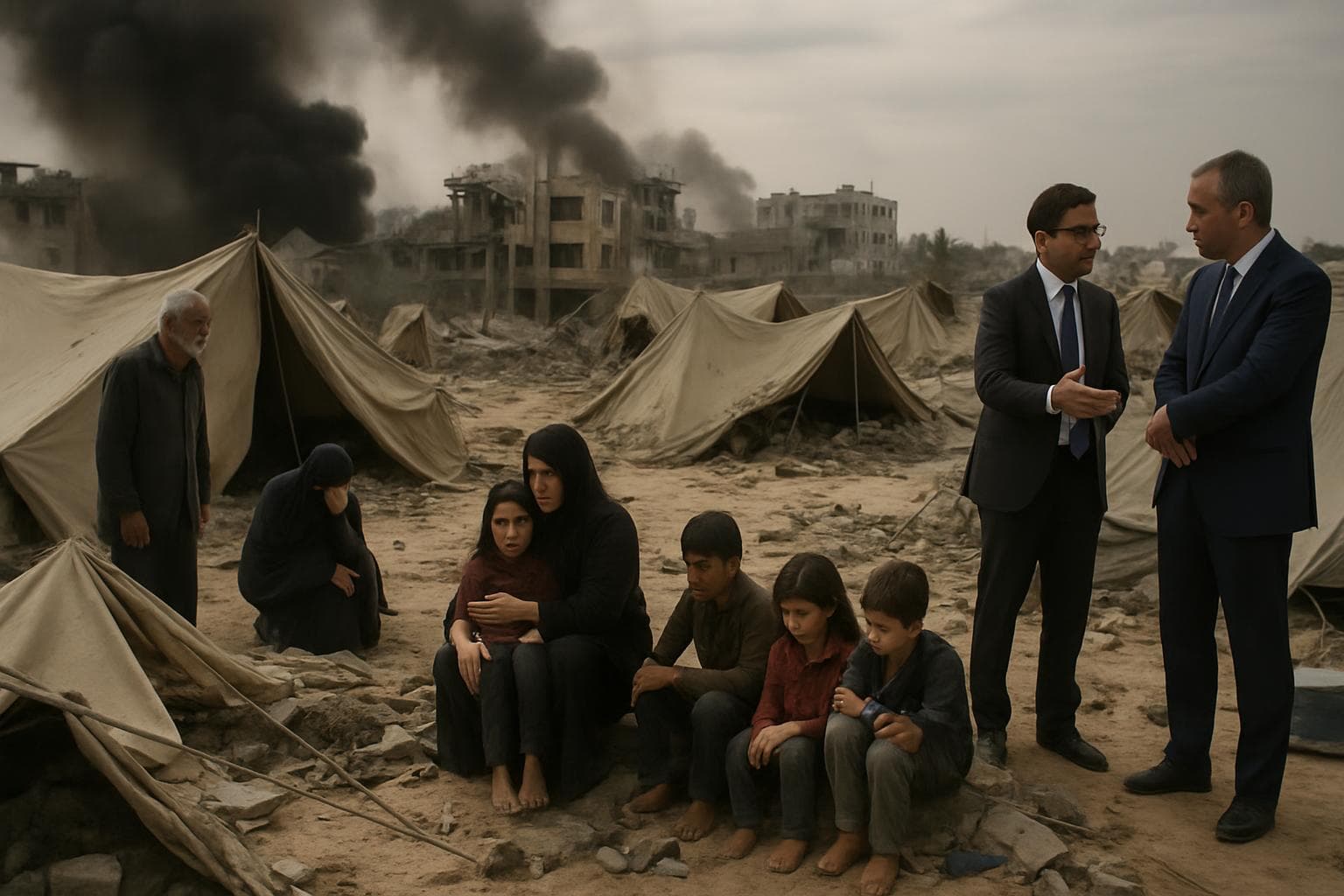
Among the tragic incidents, a strike near a displacement shelter in Gaza City claimed the lives of at least 11 people, including children. Witnesses and hospital staff reported that the area, packed with tents housing displaced families, was hit unexpectedly, leaving many to dig through the sand with their bare hands to recover bodies. "This area was packed with tents - now the tents are under the sand," Ahmed Qishawi told Reuters, emphasizing the civilian nature of the victims.
The humanitarian crisis in Gaza continues to deepen, with local health authorities reporting famine-like conditions due to a prolonged blockade. Despite some humanitarian aid trickling in, the situation remains critical, with over 56,000 people, half of whom are women and children, killed since the conflict's resurgence.
Ceasefire Negotiations and Political Maneuvering
Amidst the violence, there is a glimmer of hope for peace. US President Donald Trump expressed optimism for a ceasefire agreement within a week, following a recent truce between Israel and Iran. Qatari mediators are hopeful that US pressure could facilitate a deal, although negotiations with Israel remain stalled. A senior Hamas official confirmed intensified efforts to broker a new ceasefire and hostage release deal, but progress has been elusive.
Israeli Prime Minister Benjamin Netanyahu highlighted the urgency of the situation, stating, "Along with releasing our hostages and defeating Hamas, there is an opportunity, a window of opportunity has opened and it can’t be missed."
Calls for Peace and Hostage Release
In Tel Aviv, a rally was organized calling for the release of Israeli hostages held by Hamas in Gaza. Organizers emphasized the need to end the fighting and bring everyone home. Meanwhile, Israel's strategic affairs minister, Ron Dermer, is set to visit Washington to discuss the ceasefire and other pressing issues.
The US has proposed a 60-day pause in fighting, coupled with renewed peace talks and the release of hostages. However, Hamas has requested amendments, seeking a permanent truce, which has been met with resistance.
WHAT THIS MIGHT MEAN
As the situation in Gaza remains volatile, the potential for a ceasefire hinges on diplomatic efforts and international pressure. Should a ceasefire be achieved, it could pave the way for renewed peace talks and a more stable future for the region. However, the deep-seated mistrust between the parties and the humanitarian crisis on the ground present significant challenges.
The ongoing violence underscores the urgent need for a comprehensive resolution to the Israeli-Palestinian conflict. Experts suggest that a sustainable peace agreement would require addressing the root causes of the conflict, including territorial disputes and the humanitarian needs of the Palestinian people.
As negotiations continue, the international community's role in facilitating dialogue and providing humanitarian aid will be crucial in preventing further escalation and fostering long-term peace in the region.
Related Articles
Middle East Conflict Drives UK Energy Prices to New Highs

US and Israel Intensify Military Campaign as Iran's Capabilities Dwindle

UK Faces Dilemmas Amid Iran Conflict and China Spying Allegations
Intensified US-Israel Strikes on Iran Spark Global Outcry

UK Reinforces Military Presence in Cyprus Amid Middle East Tensions

Senate Blocks Resolution to Limit Trump's Military Actions in Iran
Rising Tensions in Gaza: Israeli Strikes Claim Lives Amid Ceasefire Hopes
In This Article
 James Okoro| Published
 HIGHLIGHTS
- At least 81 Palestinians were killed and over 400 injured in recent Israeli strikes across Gaza, according to the Hamas-run health ministry.
- A strike near a displacement shelter in Gaza City resulted in at least 11 deaths, including children, as verified by hospital staff and witnesses.
- US President Donald Trump expressed optimism for a ceasefire agreement within a week, with Qatari mediators hopeful for US pressure to facilitate a deal.
- The humanitarian situation in Gaza worsens amid ongoing Israeli strikes and a blockade, with famine-like conditions reported.
- Negotiations for a ceasefire and hostage release remain stalled, despite intensified efforts by mediators and calls for peace from various stakeholders.
In a devastating escalation of violence, at least 81 Palestinians have been killed and more than 400 injured in Israeli airstrikes across Gaza, according to the Hamas-run health ministry. The strikes, which occurred over a 24-hour period until midday Saturday, have exacerbated the already dire humanitarian situation in the besieged strip.
Civilian Casualties and Humanitarian Crisis
Among the tragic incidents, a strike near a displacement shelter in Gaza City claimed the lives of at least 11 people, including children. Witnesses and hospital staff reported that the area, packed with tents housing displaced families, was hit unexpectedly, leaving many to dig through the sand with their bare hands to recover bodies. "This area was packed with tents - now the tents are under the sand," Ahmed Qishawi told Reuters, emphasizing the civilian nature of the victims.
The humanitarian crisis in Gaza continues to deepen, with local health authorities reporting famine-like conditions due to a prolonged blockade. Despite some humanitarian aid trickling in, the situation remains critical, with over 56,000 people, half of whom are women and children, killed since the conflict's resurgence.
Ceasefire Negotiations and Political Maneuvering
Amidst the violence, there is a glimmer of hope for peace. US President Donald Trump expressed optimism for a ceasefire agreement within a week, following a recent truce between Israel and Iran. Qatari mediators are hopeful that US pressure could facilitate a deal, although negotiations with Israel remain stalled. A senior Hamas official confirmed intensified efforts to broker a new ceasefire and hostage release deal, but progress has been elusive.
Israeli Prime Minister Benjamin Netanyahu highlighted the urgency of the situation, stating, "Along with releasing our hostages and defeating Hamas, there is an opportunity, a window of opportunity has opened and it can’t be missed."
Calls for Peace and Hostage Release
In Tel Aviv, a rally was organized calling for the release of Israeli hostages held by Hamas in Gaza. Organizers emphasized the need to end the fighting and bring everyone home. Meanwhile, Israel's strategic affairs minister, Ron Dermer, is set to visit Washington to discuss the ceasefire and other pressing issues.
The US has proposed a 60-day pause in fighting, coupled with renewed peace talks and the release of hostages. However, Hamas has requested amendments, seeking a permanent truce, which has been met with resistance.
WHAT THIS MIGHT MEAN
As the situation in Gaza remains volatile, the potential for a ceasefire hinges on diplomatic efforts and international pressure. Should a ceasefire be achieved, it could pave the way for renewed peace talks and a more stable future for the region. However, the deep-seated mistrust between the parties and the humanitarian crisis on the ground present significant challenges.
The ongoing violence underscores the urgent need for a comprehensive resolution to the Israeli-Palestinian conflict. Experts suggest that a sustainable peace agreement would require addressing the root causes of the conflict, including territorial disputes and the humanitarian needs of the Palestinian people.
As negotiations continue, the international community's role in facilitating dialogue and providing humanitarian aid will be crucial in preventing further escalation and fostering long-term peace in the region.
Related Articles
Middle East Conflict Drives UK Energy Prices to New Highs
US and Israel Intensify Military Campaign as Iran's Capabilities Dwindle
UK Faces Dilemmas Amid Iran Conflict and China Spying Allegations
Intensified US-Israel Strikes on Iran Spark Global Outcry
UK Reinforces Military Presence in Cyprus Amid Middle East Tensions
Senate Blocks Resolution to Limit Trump's Military Actions in Iran