
Gaza Struggles with Humanitarian Crisis Amid Ceasefire and Continued Violence
In This Article
HIGHLIGHTS
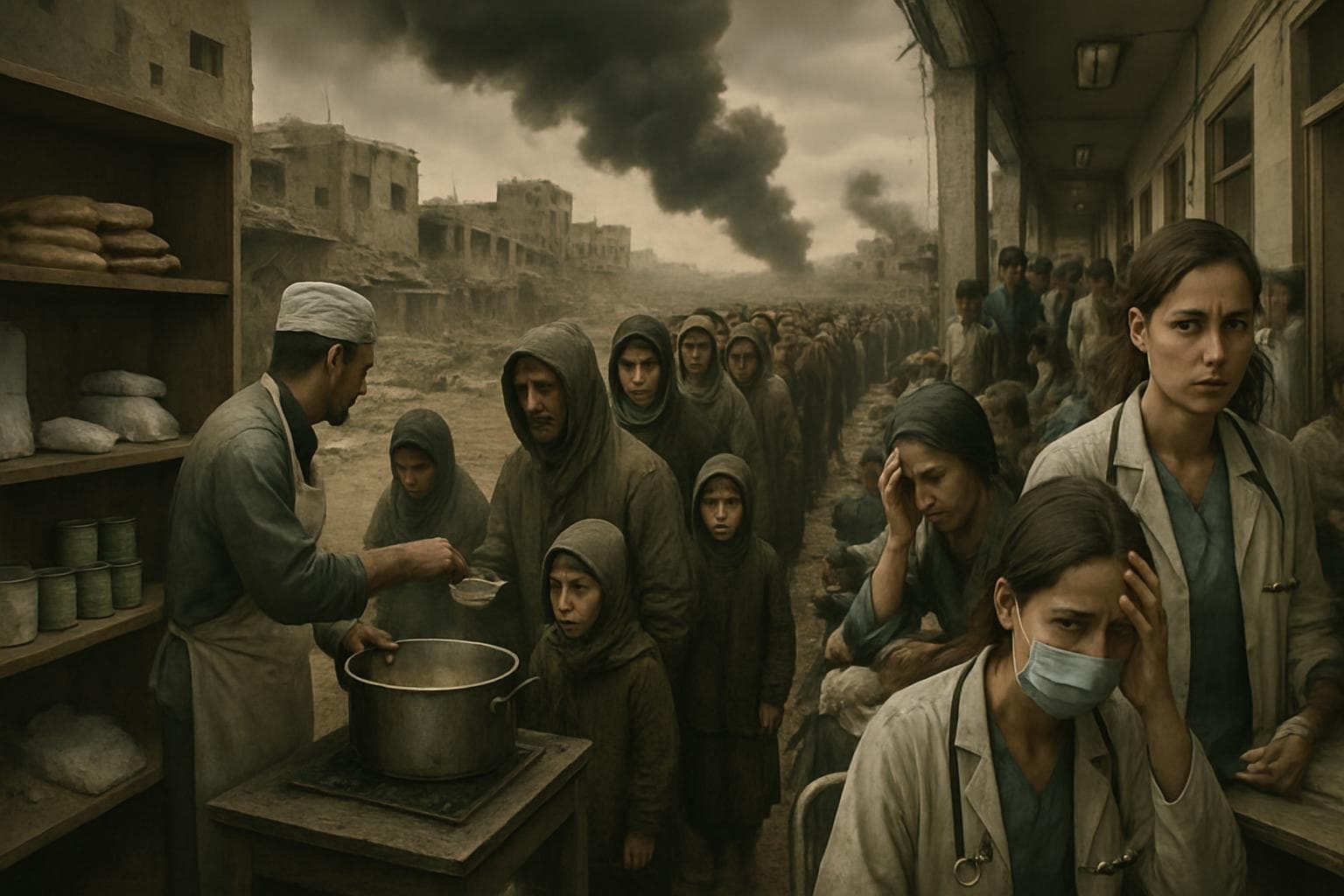
- Despite a ceasefire, Gaza faces severe food shortages, with humanitarian kitchens struggling to provide diverse meals.
- Hospitals in Gaza are critically low on medical supplies amid ongoing Israeli airstrikes, exacerbating the humanitarian crisis.
- Over 300 deaths have been reported in Gaza since the ceasefire, with continued violence straining the agreement.
- Humanitarian aid is entering Gaza, but essential items like fresh meat and medical supplies remain scarce.
- The UN-backed ceasefire plan includes a committee of Palestinian technocrats and an international stabilization force.
The humanitarian situation in Gaza remains dire despite a ceasefire agreement that began six weeks ago. While some aid is reaching the region, both food and medical supplies are critically low, exacerbating the plight of the Palestinian territory's residents.
Food Shortages Persist
In central Gaza, the American Near East Refugee Aid (Anera) has been operating community kitchens to provide meals to those in need. Despite increased access to food, essential ingredients remain scarce. "We are mostly confined to cooking just three types of meals in a week: rice, pasta, and lentils," said Sami Matar, a team leader at Anera. The organization feeds over 20,000 people daily, but the lack of fresh vegetables and proteins like meat and chicken limits the nutritional value of the meals. Fresh meat is only available through commercial sellers, making it unaffordable for aid organizations.
Hospitals Under Strain
Gaza's hospitals are also facing severe shortages. Mohammed Saqr, director of nursing at Nasser hospital, highlighted the lack of essential medical supplies such as gauze and antibiotics. "We are still suffering a severe lack of most of our supplies and medicines," he stated. The ongoing Israeli airstrikes have resulted in over 300 deaths since the ceasefire, with hospitals overwhelmed by casualties and malnutrition-related illnesses.
Ceasefire Under Pressure
The ceasefire agreement, backed by the UN, aims to stabilize the region with a committee of Palestinian technocrats and an international force. However, continued violence threatens its success. Israeli Prime Minister Benjamin Netanyahu confirmed strikes targeting Hamas leaders, resulting in numerous casualties. Despite these challenges, both sides express commitment to the ceasefire.
WHAT THIS MIGHT MEAN
The humanitarian crisis in Gaza is likely to persist unless there is a significant increase in the flow of essential supplies. The international community's role in facilitating aid and ensuring compliance with the ceasefire will be crucial. If the UN-backed plan is implemented effectively, it could lead to a more stable governance structure in Gaza. However, continued violence and political tensions pose significant risks to long-term peace and recovery in the region.
Related Articles
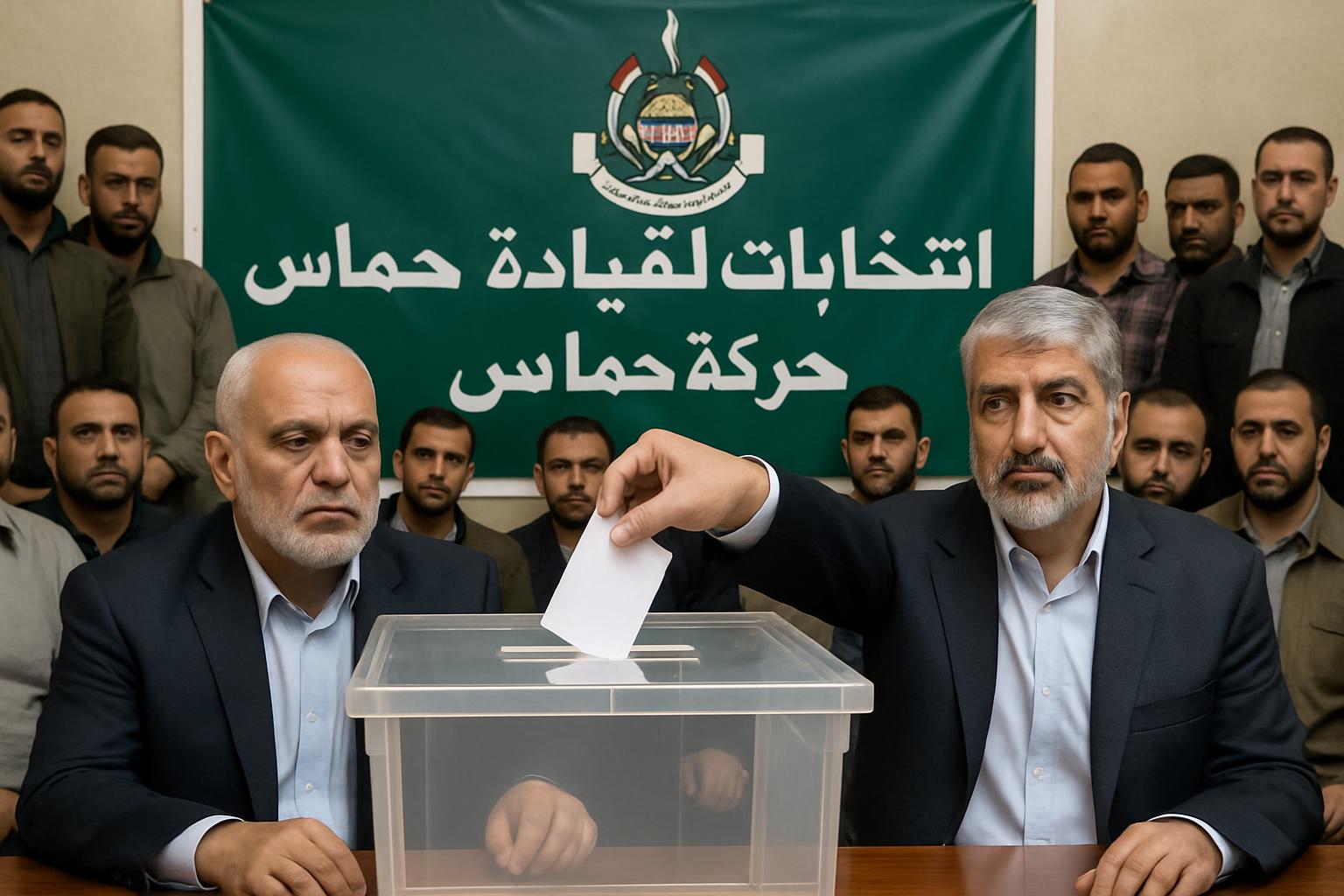
Hamas Leadership Vote Amidst Critical Crossroads for the Movement
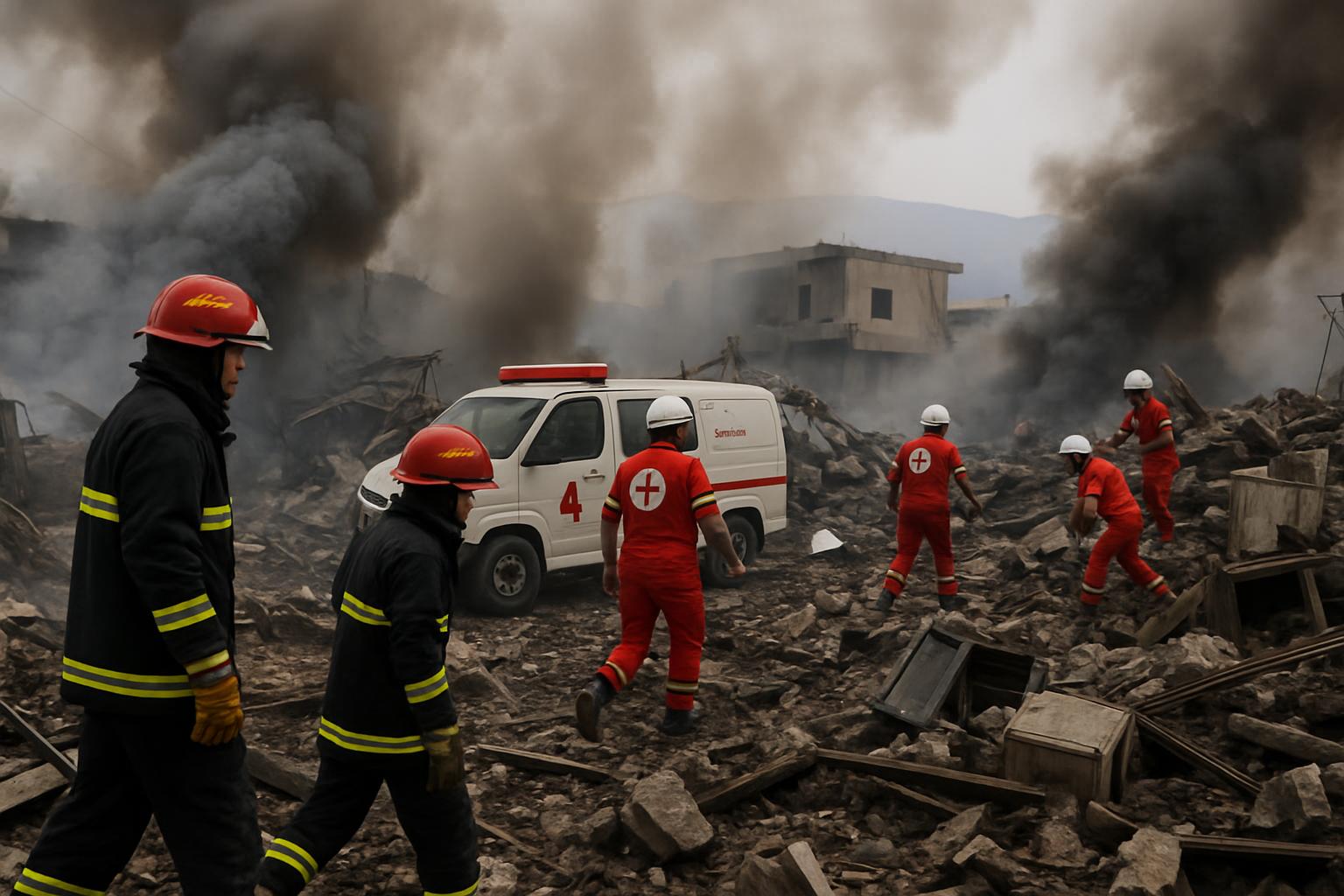
Israeli Airstrikes in Lebanon's Bekaa Valley Leave 10 Dead Amid Rising Tensions
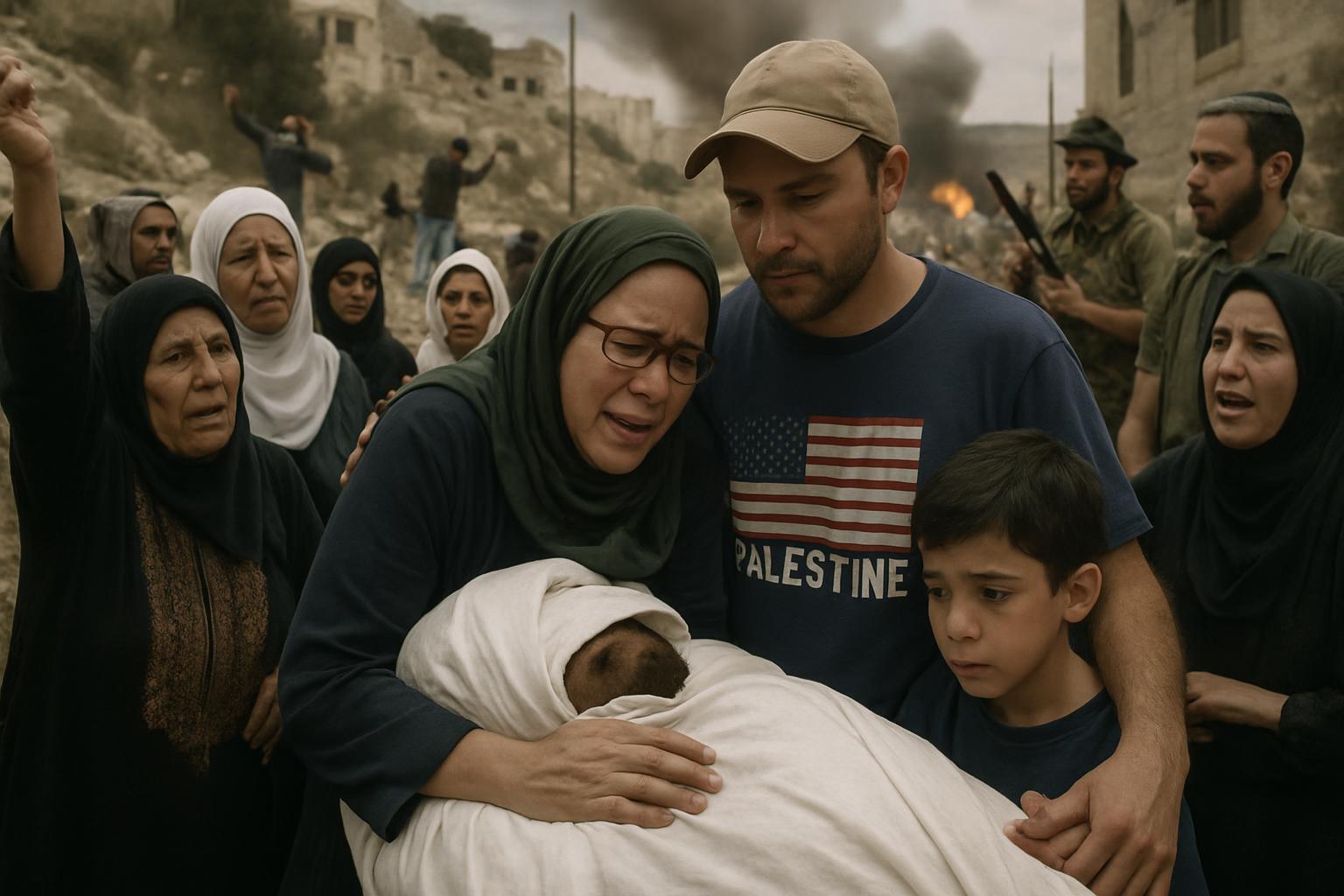
Palestinian-American Teen Killed by Israeli Settlers in West Bank Sparks Calls for Accountability

Middle East Conflict Drives UK Energy Prices to New Highs

UK Faces Dilemmas Amid Iran Conflict and China Spying Allegations
US and Israel Intensify Military Campaign as Iran's Capabilities Dwindle
Gaza Struggles with Humanitarian Crisis Amid Ceasefire and Continued Violence
In This Article
 Aya Nakamura| Published
 HIGHLIGHTS
- Despite a ceasefire, Gaza faces severe food shortages, with humanitarian kitchens struggling to provide diverse meals.
- Hospitals in Gaza are critically low on medical supplies amid ongoing Israeli airstrikes, exacerbating the humanitarian crisis.
- Over 300 deaths have been reported in Gaza since the ceasefire, with continued violence straining the agreement.
- Humanitarian aid is entering Gaza, but essential items like fresh meat and medical supplies remain scarce.
- The UN-backed ceasefire plan includes a committee of Palestinian technocrats and an international stabilization force.
The humanitarian situation in Gaza remains dire despite a ceasefire agreement that began six weeks ago. While some aid is reaching the region, both food and medical supplies are critically low, exacerbating the plight of the Palestinian territory's residents.
Food Shortages Persist
In central Gaza, the American Near East Refugee Aid (Anera) has been operating community kitchens to provide meals to those in need. Despite increased access to food, essential ingredients remain scarce. "We are mostly confined to cooking just three types of meals in a week: rice, pasta, and lentils," said Sami Matar, a team leader at Anera. The organization feeds over 20,000 people daily, but the lack of fresh vegetables and proteins like meat and chicken limits the nutritional value of the meals. Fresh meat is only available through commercial sellers, making it unaffordable for aid organizations.
Hospitals Under Strain
Gaza's hospitals are also facing severe shortages. Mohammed Saqr, director of nursing at Nasser hospital, highlighted the lack of essential medical supplies such as gauze and antibiotics. "We are still suffering a severe lack of most of our supplies and medicines," he stated. The ongoing Israeli airstrikes have resulted in over 300 deaths since the ceasefire, with hospitals overwhelmed by casualties and malnutrition-related illnesses.
Ceasefire Under Pressure
The ceasefire agreement, backed by the UN, aims to stabilize the region with a committee of Palestinian technocrats and an international force. However, continued violence threatens its success. Israeli Prime Minister Benjamin Netanyahu confirmed strikes targeting Hamas leaders, resulting in numerous casualties. Despite these challenges, both sides express commitment to the ceasefire.
WHAT THIS MIGHT MEAN
The humanitarian crisis in Gaza is likely to persist unless there is a significant increase in the flow of essential supplies. The international community's role in facilitating aid and ensuring compliance with the ceasefire will be crucial. If the UN-backed plan is implemented effectively, it could lead to a more stable governance structure in Gaza. However, continued violence and political tensions pose significant risks to long-term peace and recovery in the region.
Related Articles
Hamas Leadership Vote Amidst Critical Crossroads for the Movement
Israeli Airstrikes in Lebanon's Bekaa Valley Leave 10 Dead Amid Rising Tensions
Palestinian-American Teen Killed by Israeli Settlers in West Bank Sparks Calls for Accountability
Middle East Conflict Drives UK Energy Prices to New Highs
UK Faces Dilemmas Amid Iran Conflict and China Spying Allegations
US and Israel Intensify Military Campaign as Iran's Capabilities Dwindle