
Legal Challenge Looms as Gender-Critical Campaigners Face Council Ban
In This Article
HIGHLIGHTS
- Two women's rights campaigners, Phoebe Beedell and Wendy Stephenson, plan to legally challenge their six-month ban from Bristol City Council meetings over their gender-critical beliefs.
- The Supreme Court's April ruling that defines "woman" based on biological sex has sparked debate and awaits official guidance from the Equality and Human Rights Commission.
- The EHRC's unpublished guidance reportedly suggests single-sex spaces should be restricted to individuals of the same biological sex, causing concern among trans rights advocates.
- Mary-Ann Stephenson, chair of the EHRC, emphasized the importance of goodwill and recognition of rights for both women and trans individuals in accessing public spaces.
- The ongoing debate highlights tensions between gender-critical views and trans rights, with implications for public policy and social discourse.
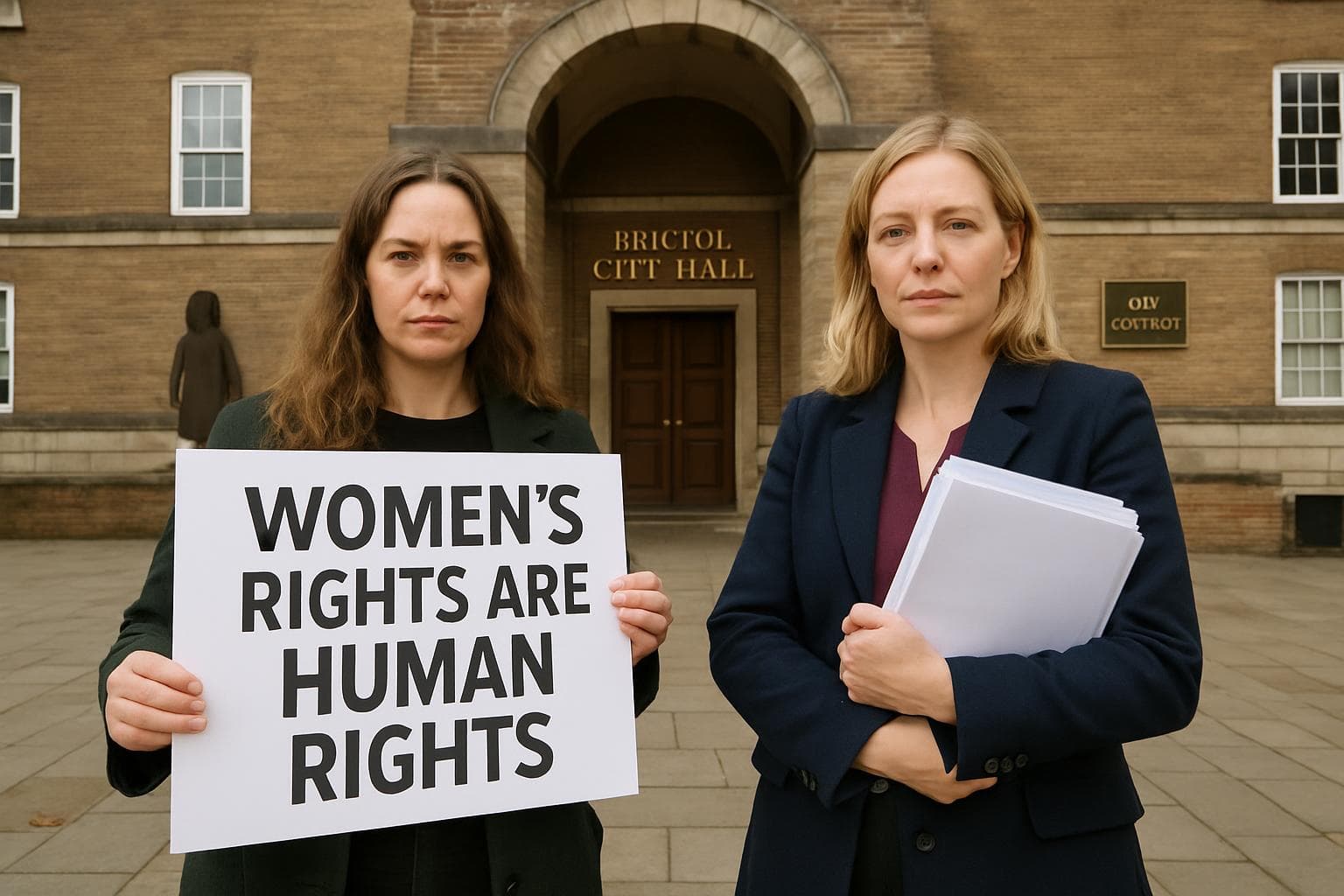
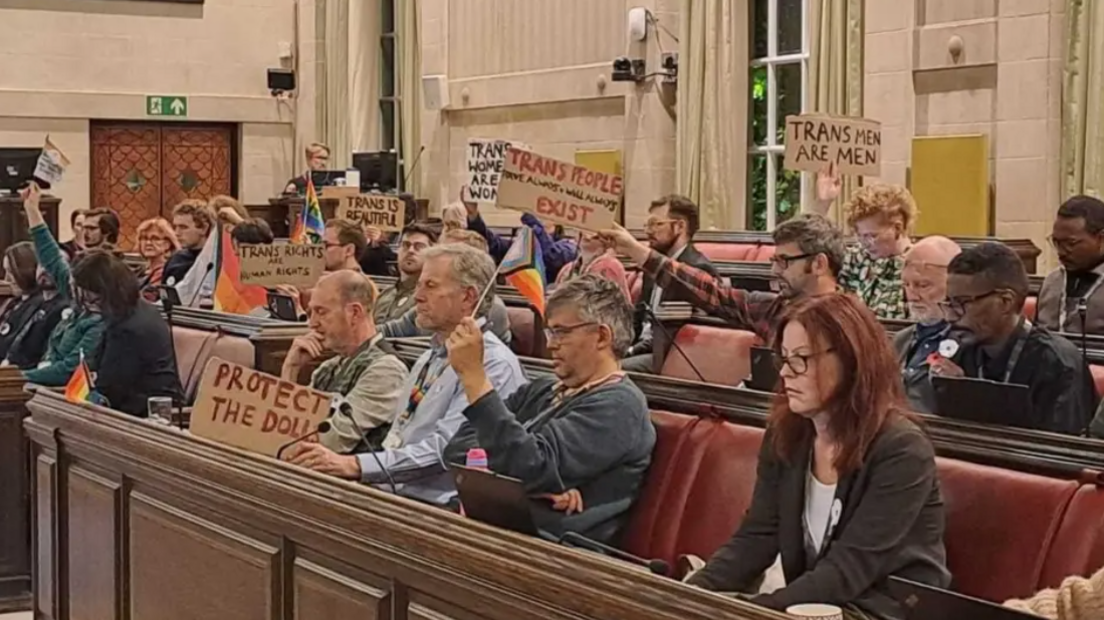
Two women's rights campaigners, Phoebe Beedell and Wendy Stephenson, are preparing to launch a legal challenge against their exclusion from Bristol City Council meetings. The ban, which lasts for at least six months, follows a contentious meeting in November where Green Party councillors displayed trans rights placards, leading to a confrontational atmosphere. The council, led by Tony Dyer, justified the ban by stating that the women's conduct left some attendees feeling "intimidated."
Dr. Beedell expressed disbelief at the ban, describing it as "unbelievable" and "shocking," and criticized the council for not allowing her to present her side of the story. The incident is part of a broader debate ignited by the Supreme Court's April ruling that the term "woman" in the Equality Act 2010 refers to biological sex. This ruling has prompted the council to review its Trans Inclusion and Gender Identity Policy 2023, pending updated guidance from the government.
Guidance on Single-Sex Spaces Awaited
The Equality and Human Rights Commission (EHRC) is awaiting ministerial approval for its guidance on single-sex spaces, following the Supreme Court's decision. According to leaked reports, the guidance suggests that single-sex spaces should be accessible only to individuals of the same biological sex, a stance that has raised concerns among trans rights campaigners who fear exclusion from public life.
Mary-Ann Stephenson, the newly appointed chair of the EHRC, emphasized the need for goodwill and mutual recognition of rights. "There are circumstances where it is very important for some women to have access to single-sex spaces," she stated, while also acknowledging the necessity for trans individuals to have access to services.
Balancing Rights and Social Discourse
The debate over single-sex spaces and gender identity continues to stir public discourse. Labour councillor Kaz Self, a trans woman, acknowledged the difficulty of the discussions but stressed the importance of listening to differing opinions. Meanwhile, Dr. Beedell reiterated her concerns about the erosion of sex-based rights, arguing for the preservation of single-sex spaces for women.
The EHRC's guidance remains unpublished, with internal concerns that the delay is distracting from other pressing issues, such as the rise of the far right. Stephenson, who has faced criticism from some trans rights activists, remains committed to addressing these challenges, highlighting the broader implications for race-based discrimination and harassment in the UK.
WHAT THIS MIGHT MEAN
The forthcoming guidance from the Equality and Human Rights Commission could significantly impact the implementation of single-sex spaces across the UK. If the guidance aligns with the leaked reports, it may lead to legal challenges from trans rights groups, potentially escalating the debate into the courts. Politically, the issue could influence public policy and party positions, especially as the government navigates the balance between gender-critical views and trans rights.
Experts suggest that the resolution of this debate will require careful consideration of both legal definitions and social realities. The EHRC's role in mediating these discussions will be crucial, as will the government's response to the guidance. As the discourse evolves, the need for inclusive dialogue and mutual respect remains paramount to achieving a balanced approach that respects the rights of all individuals.
Images from the Web
Related Articles
Government U-turn Forces Local Elections in Lancashire and Essex Amid Reorganisation Plans
Government U-turn on Local Election Delays Sparks Political Fallout
Government U-turn on Election Delays Sparks Local Council Turmoil
High Court Upholds Guidance on Single-Sex Spaces Amidst Transgender Rights Debate
UK Faces Rising Youth Unemployment Amid Minimum Wage and Interest Rate Debates

UK Government to Reform Asylum Seeker Support and Employment Policies
Legal Challenge Looms as Gender-Critical Campaigners Face Council Ban
In This Article
 Alex Carter| Published
 HIGHLIGHTS
- Two women's rights campaigners, Phoebe Beedell and Wendy Stephenson, plan to legally challenge their six-month ban from Bristol City Council meetings over their gender-critical beliefs.
- The Supreme Court's April ruling that defines "woman" based on biological sex has sparked debate and awaits official guidance from the Equality and Human Rights Commission.
- The EHRC's unpublished guidance reportedly suggests single-sex spaces should be restricted to individuals of the same biological sex, causing concern among trans rights advocates.
- Mary-Ann Stephenson, chair of the EHRC, emphasized the importance of goodwill and recognition of rights for both women and trans individuals in accessing public spaces.
- The ongoing debate highlights tensions between gender-critical views and trans rights, with implications for public policy and social discourse.
Two women's rights campaigners, Phoebe Beedell and Wendy Stephenson, are preparing to launch a legal challenge against their exclusion from Bristol City Council meetings. The ban, which lasts for at least six months, follows a contentious meeting in November where Green Party councillors displayed trans rights placards, leading to a confrontational atmosphere. The council, led by Tony Dyer, justified the ban by stating that the women's conduct left some attendees feeling "intimidated."
Dr. Beedell expressed disbelief at the ban, describing it as "unbelievable" and "shocking," and criticized the council for not allowing her to present her side of the story. The incident is part of a broader debate ignited by the Supreme Court's April ruling that the term "woman" in the Equality Act 2010 refers to biological sex. This ruling has prompted the council to review its Trans Inclusion and Gender Identity Policy 2023, pending updated guidance from the government.
Guidance on Single-Sex Spaces Awaited
The Equality and Human Rights Commission (EHRC) is awaiting ministerial approval for its guidance on single-sex spaces, following the Supreme Court's decision. According to leaked reports, the guidance suggests that single-sex spaces should be accessible only to individuals of the same biological sex, a stance that has raised concerns among trans rights campaigners who fear exclusion from public life.
Mary-Ann Stephenson, the newly appointed chair of the EHRC, emphasized the need for goodwill and mutual recognition of rights. "There are circumstances where it is very important for some women to have access to single-sex spaces," she stated, while also acknowledging the necessity for trans individuals to have access to services.
Balancing Rights and Social Discourse
The debate over single-sex spaces and gender identity continues to stir public discourse. Labour councillor Kaz Self, a trans woman, acknowledged the difficulty of the discussions but stressed the importance of listening to differing opinions. Meanwhile, Dr. Beedell reiterated her concerns about the erosion of sex-based rights, arguing for the preservation of single-sex spaces for women.
The EHRC's guidance remains unpublished, with internal concerns that the delay is distracting from other pressing issues, such as the rise of the far right. Stephenson, who has faced criticism from some trans rights activists, remains committed to addressing these challenges, highlighting the broader implications for race-based discrimination and harassment in the UK.
WHAT THIS MIGHT MEAN
The forthcoming guidance from the Equality and Human Rights Commission could significantly impact the implementation of single-sex spaces across the UK. If the guidance aligns with the leaked reports, it may lead to legal challenges from trans rights groups, potentially escalating the debate into the courts. Politically, the issue could influence public policy and party positions, especially as the government navigates the balance between gender-critical views and trans rights.
Experts suggest that the resolution of this debate will require careful consideration of both legal definitions and social realities. The EHRC's role in mediating these discussions will be crucial, as will the government's response to the guidance. As the discourse evolves, the need for inclusive dialogue and mutual respect remains paramount to achieving a balanced approach that respects the rights of all individuals.
Images from the Web
Related Articles
Government U-turn Forces Local Elections in Lancashire and Essex Amid Reorganisation Plans
Government U-turn on Local Election Delays Sparks Political Fallout
Government U-turn on Election Delays Sparks Local Council Turmoil
High Court Upholds Guidance on Single-Sex Spaces Amidst Transgender Rights Debate
UK Faces Rising Youth Unemployment Amid Minimum Wage and Interest Rate Debates
UK Government to Reform Asylum Seeker Support and Employment Policies