
High Court Upholds Guidance on Single-Sex Spaces Amidst Transgender Rights Debate
In This Article
HIGHLIGHTS
- The High Court dismissed the Good Law Project's challenge to the Equality and Human Rights Commission's guidance on single-sex spaces.
- The guidance, now withdrawn, suggested transgender individuals use facilities corresponding to their biological sex or gender-neutral options.
- Mr Justice Swift ruled the guidance was not legally flawed and urged the use of "common sense" in facility organization.
- The ruling emphasized that the guidance did not constitute discrimination against transgender individuals.
- The Good Law Project plans to appeal, citing concerns over the ruling's implications for transgender rights.
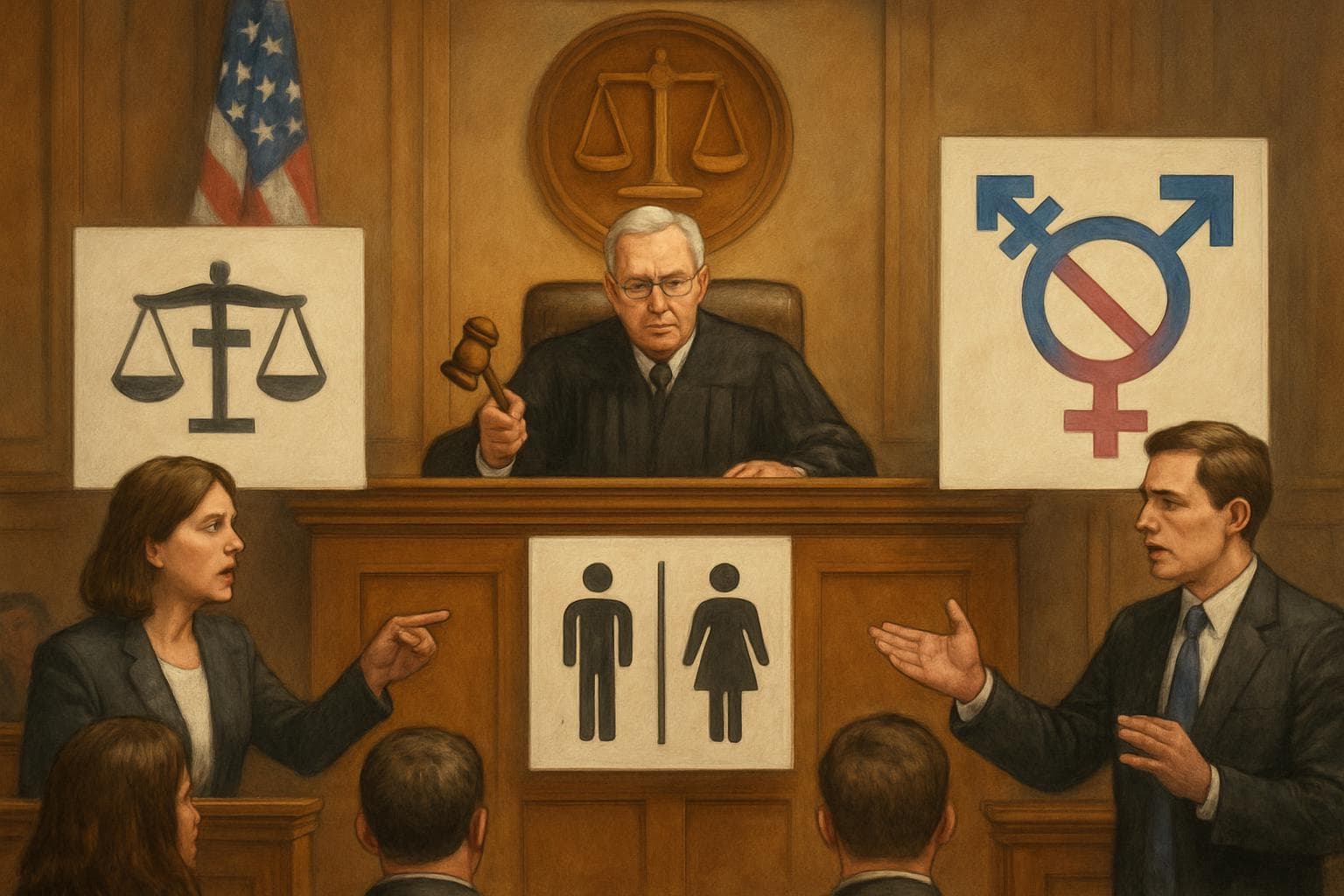
In a significant legal decision, the High Court has dismissed a challenge by the Good Law Project (GLP) against the Equality and Human Rights Commission's (EHRC) interim guidance on single-sex spaces. The guidance, which has since been withdrawn, advised that transgender individuals should use facilities aligning with their biological sex or opt for gender-neutral options. This ruling follows a landmark Supreme Court decision in April 2025, which clarified the definitions of "woman" and "sex" under the 2010 Equality Act.
Court Ruling and Guidance Details
Mr Justice Swift, presiding over the case, found that the GLP did not have standing to challenge the EHRC's guidance. He stated that the guidance was not legally flawed and encouraged businesses and services to apply "common sense" when organizing facilities like toilets and changing rooms. The judge emphasized that the guidance did not mandate discrimination against transgender individuals, as it allowed for the provision of gender-neutral spaces.
Reactions and Implications
The EHRC welcomed the court's decision, with Chair Dr. Mary-Ann Stephenson affirming the commission's commitment to upholding the Equality Act. However, the GLP expressed deep concerns over the ruling, arguing that it misrepresented the law and marginalized transgender individuals. Jess O'Thomson, the GLP's trans rights lead, criticized the judgment for lacking clarity and failing to address the practical challenges faced by transgender people in accessing facilities.
Future Considerations
The GLP has announced plans to appeal the decision, highlighting the need for the judiciary to consider the lived experiences of transgender individuals in an increasingly hostile environment. Melanie Field, a former civil servant involved in drafting the Equality Act, noted that the judgment did not provide the clarity many had hoped for, leaving employers and service providers uncertain about their obligations.
WHAT THIS MIGHT MEAN
The High Court's ruling may set a precedent for future legal interpretations of the Equality Act concerning single-sex spaces and transgender rights. If the GLP's appeal proceeds, it could lead to further scrutiny of the balance between biological sex and gender identity in public and workplace facilities. Legal experts suggest that the outcome of this case could influence policy-making and the development of more inclusive guidelines that address the needs of all individuals while respecting legal frameworks. As the debate continues, stakeholders on both sides are likely to push for clearer regulations that ensure dignity and equality for everyone involved.
Related Articles
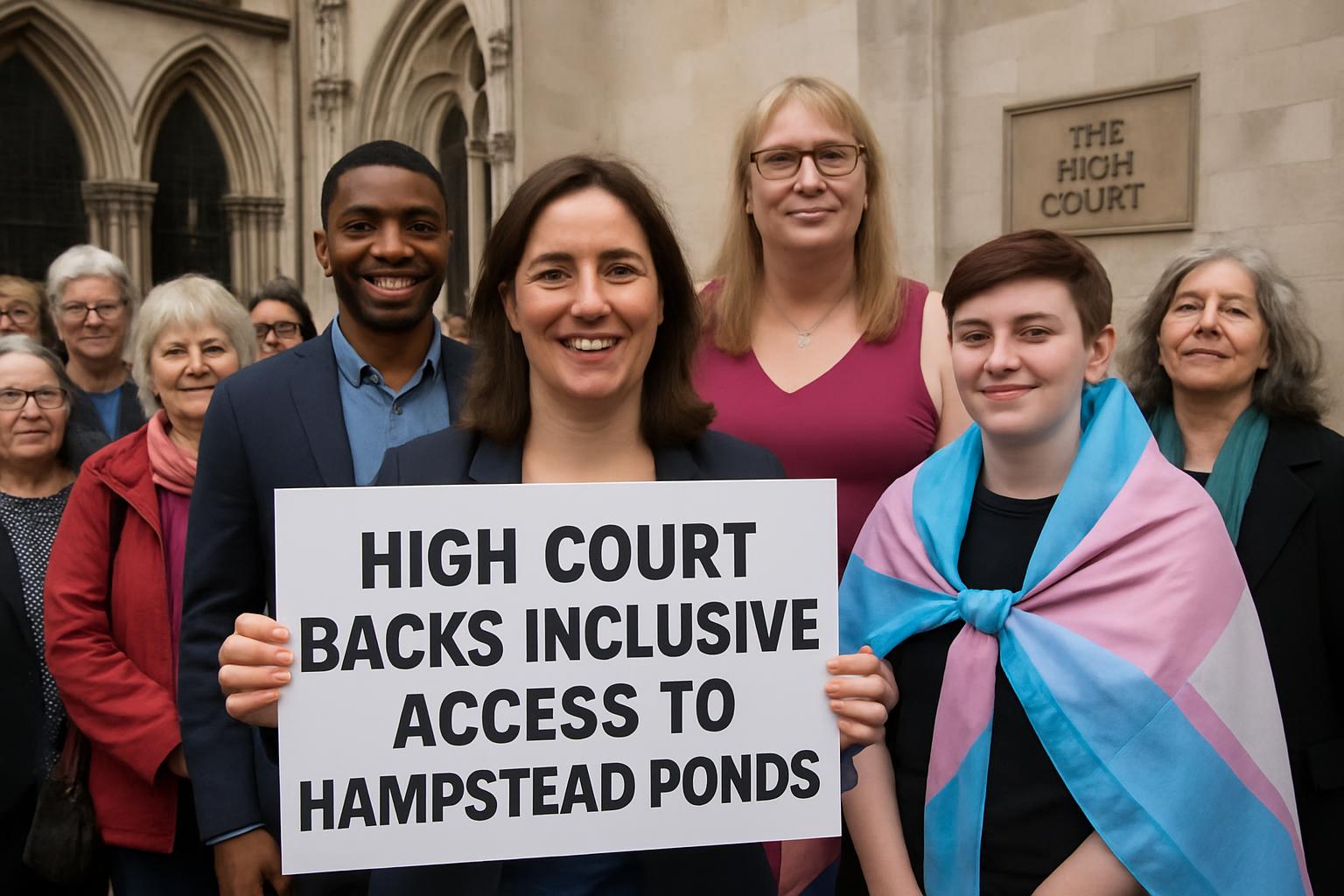
High Court Dismisses Legal Challenge Over Transgender Access to Hampstead Ponds

Trump's New Tariff Strategy Sparks Global Trade Uncertainty

Trump Raises Import Tariffs to 15% After Supreme Court Setback
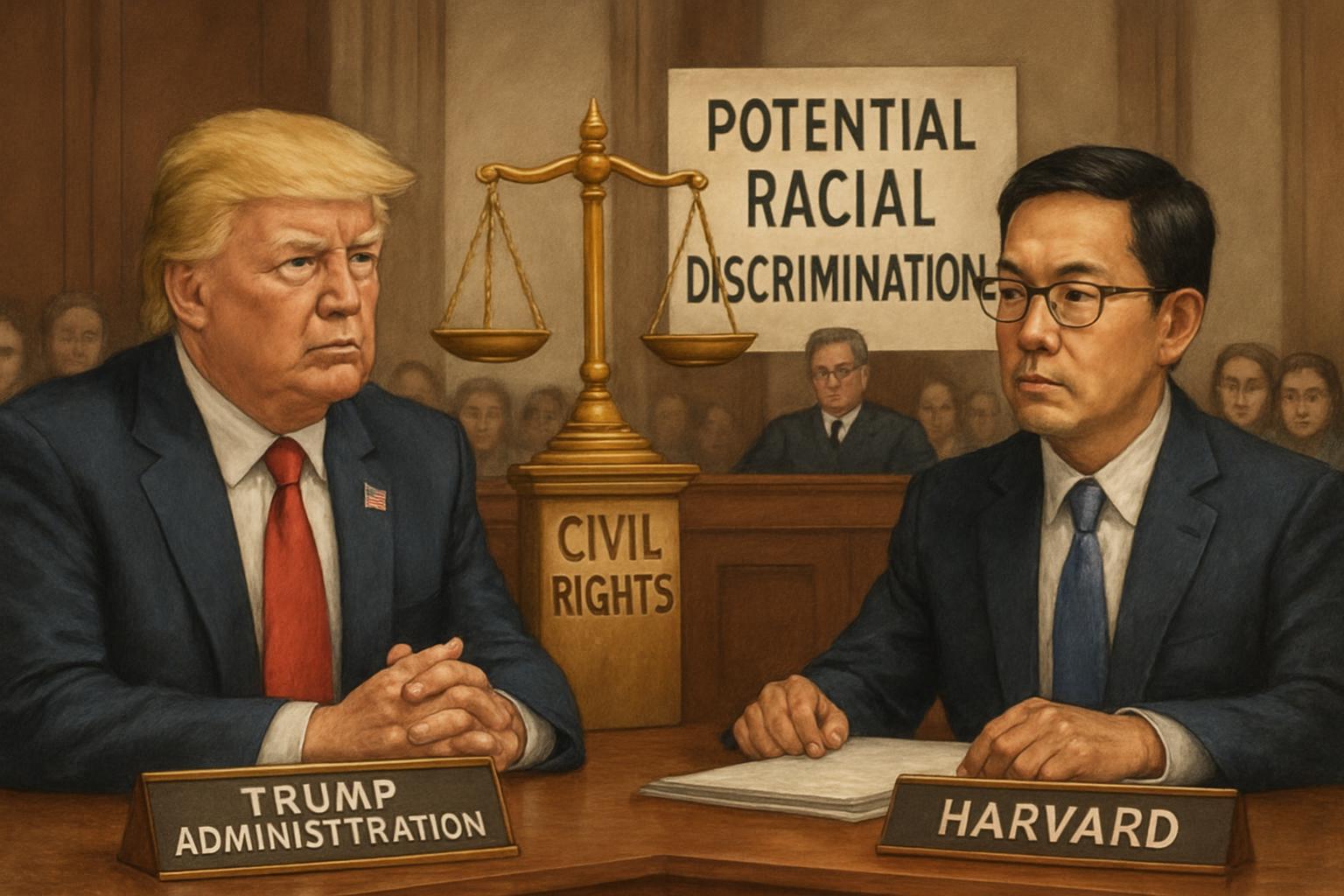
Trump Administration Sues Harvard Over Alleged Non-Compliance in Admissions Investigation
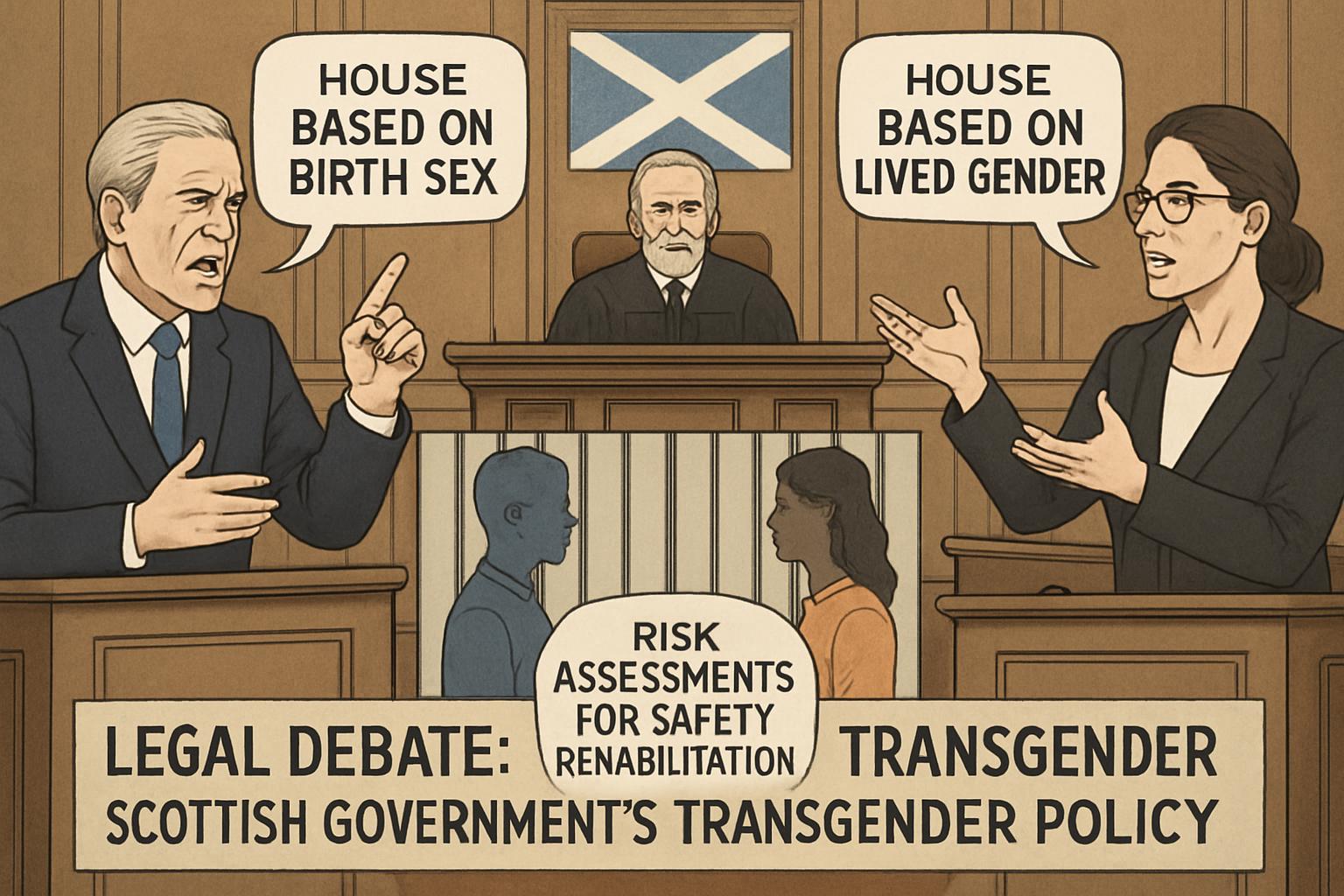
Scottish Government Defends Transgender Prisoner Policy Amid Legal Challenge
Supreme Court Ruling Expands Compensation for Children Injured at Birth
High Court Upholds Guidance on Single-Sex Spaces Amidst Transgender Rights Debate
In This Article
 Ethan Brooks| Published
 HIGHLIGHTS
- The High Court dismissed the Good Law Project's challenge to the Equality and Human Rights Commission's guidance on single-sex spaces.
- The guidance, now withdrawn, suggested transgender individuals use facilities corresponding to their biological sex or gender-neutral options.
- Mr Justice Swift ruled the guidance was not legally flawed and urged the use of "common sense" in facility organization.
- The ruling emphasized that the guidance did not constitute discrimination against transgender individuals.
- The Good Law Project plans to appeal, citing concerns over the ruling's implications for transgender rights.
In a significant legal decision, the High Court has dismissed a challenge by the Good Law Project (GLP) against the Equality and Human Rights Commission's (EHRC) interim guidance on single-sex spaces. The guidance, which has since been withdrawn, advised that transgender individuals should use facilities aligning with their biological sex or opt for gender-neutral options. This ruling follows a landmark Supreme Court decision in April 2025, which clarified the definitions of "woman" and "sex" under the 2010 Equality Act.
Court Ruling and Guidance Details
Mr Justice Swift, presiding over the case, found that the GLP did not have standing to challenge the EHRC's guidance. He stated that the guidance was not legally flawed and encouraged businesses and services to apply "common sense" when organizing facilities like toilets and changing rooms. The judge emphasized that the guidance did not mandate discrimination against transgender individuals, as it allowed for the provision of gender-neutral spaces.
Reactions and Implications
The EHRC welcomed the court's decision, with Chair Dr. Mary-Ann Stephenson affirming the commission's commitment to upholding the Equality Act. However, the GLP expressed deep concerns over the ruling, arguing that it misrepresented the law and marginalized transgender individuals. Jess O'Thomson, the GLP's trans rights lead, criticized the judgment for lacking clarity and failing to address the practical challenges faced by transgender people in accessing facilities.
Future Considerations
The GLP has announced plans to appeal the decision, highlighting the need for the judiciary to consider the lived experiences of transgender individuals in an increasingly hostile environment. Melanie Field, a former civil servant involved in drafting the Equality Act, noted that the judgment did not provide the clarity many had hoped for, leaving employers and service providers uncertain about their obligations.
WHAT THIS MIGHT MEAN
The High Court's ruling may set a precedent for future legal interpretations of the Equality Act concerning single-sex spaces and transgender rights. If the GLP's appeal proceeds, it could lead to further scrutiny of the balance between biological sex and gender identity in public and workplace facilities. Legal experts suggest that the outcome of this case could influence policy-making and the development of more inclusive guidelines that address the needs of all individuals while respecting legal frameworks. As the debate continues, stakeholders on both sides are likely to push for clearer regulations that ensure dignity and equality for everyone involved.
Related Articles
High Court Dismisses Legal Challenge Over Transgender Access to Hampstead Ponds
Trump's New Tariff Strategy Sparks Global Trade Uncertainty
Trump Raises Import Tariffs to 15% After Supreme Court Setback
Trump Administration Sues Harvard Over Alleged Non-Compliance in Admissions Investigation
Scottish Government Defends Transgender Prisoner Policy Amid Legal Challenge
Supreme Court Ruling Expands Compensation for Children Injured at Birth