
Ghislaine Maxwell's Silence at Congressional Hearing Sparks Controversy
In This Article
HIGHLIGHTS
- Ghislaine Maxwell invoked the Fifth Amendment during a closed-door congressional hearing, refusing to answer questions about Jeffrey Epstein.
- Maxwell's lawyer stated she would speak if granted clemency by former President Trump, a request the White House has not entertained.
- Lawmakers criticized Maxwell's silence, questioning who she might be protecting and highlighting her previous willingness to speak with federal officials.
- Survivors of Epstein's crimes urged skepticism towards Maxwell's potential testimony, fearing it could undermine justice for victims.
- Maxwell is serving a 20-year sentence for her role in Epstein's sex trafficking operation, with ongoing debates about her potential clemency.
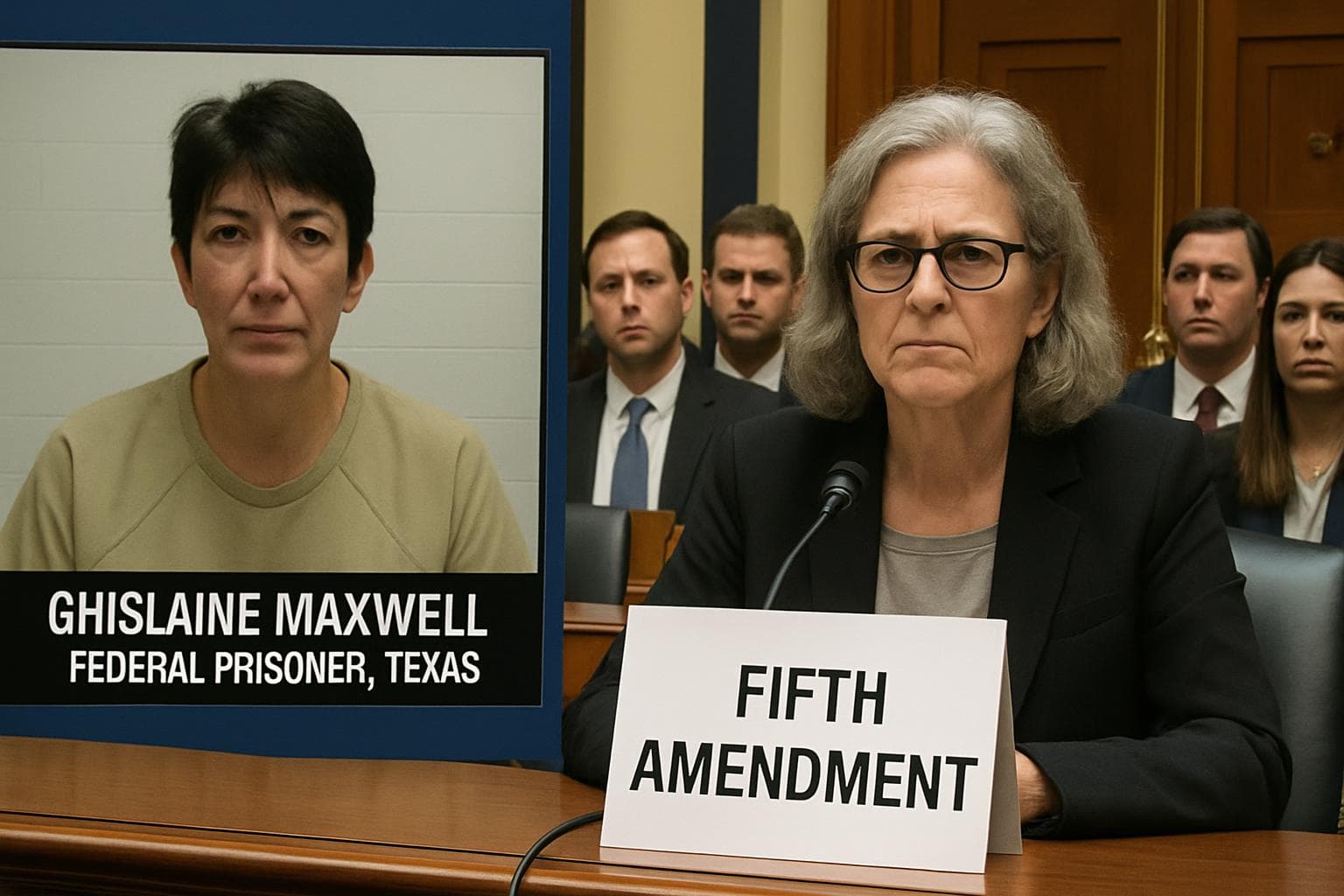
Ghislaine Maxwell, the convicted associate of the late Jeffrey Epstein, invoked her Fifth Amendment rights during a closed-door congressional hearing on Monday, refusing to answer questions about her involvement in Epstein's sex trafficking operation. The hearing, conducted by the US House Oversight Committee, aimed to uncover more details about the crimes committed by Epstein and his associates.
Maxwell's Legal Strategy and Clemency Plea
Maxwell, appearing virtually from a Texas prison where she is serving a 20-year sentence, chose to remain silent, a decision her attorney, David Oscar Markus, attributed to her pending habeas petition. Markus emphasized that Maxwell would be willing to provide a full account if granted clemency by former President Donald Trump. However, the White House has previously stated that no leniency is being considered for Maxwell.
Lawmakers Demand Transparency
The decision to invoke the Fifth Amendment drew criticism from several lawmakers. Republican House Oversight Committee Chairman James Comer expressed disappointment, stating that the committee had hoped to gain insights into the crimes and potential co-conspirators. Democratic Representative Robert Garcia questioned who Maxwell might be protecting and criticized her perceived special treatment in prison.
Survivors' Concerns and Legal Context
Survivors of Epstein's crimes have urged lawmakers to remain skeptical of any information Maxwell might provide, fearing it could jeopardize justice for victims. Maxwell's refusal to cooperate with law enforcement has been a point of contention, with survivors highlighting her failure to identify powerful individuals involved in Epstein's network.
Previous Interactions and Inconsistencies
Maxwell's silence contrasts with her previous willingness to speak with federal officials, including a two-day interview with Deputy Attorney General Todd Blanche. Democratic Representative Ro Khanna noted this inconsistency, questioning Maxwell's motives and the potential implications of her testimony.
WHAT THIS MIGHT MEAN
The ongoing legal and political implications of Ghislaine Maxwell's case continue to unfold. If Maxwell were to receive clemency, it could set a controversial precedent and potentially alter public perception of justice in high-profile cases. Lawmakers and survivors remain vigilant, emphasizing the importance of transparency and accountability in uncovering the full extent of Epstein's network. As the investigation progresses, the focus will likely remain on ensuring justice for the victims while scrutinizing any potential leniency granted to Maxwell.
Related Articles
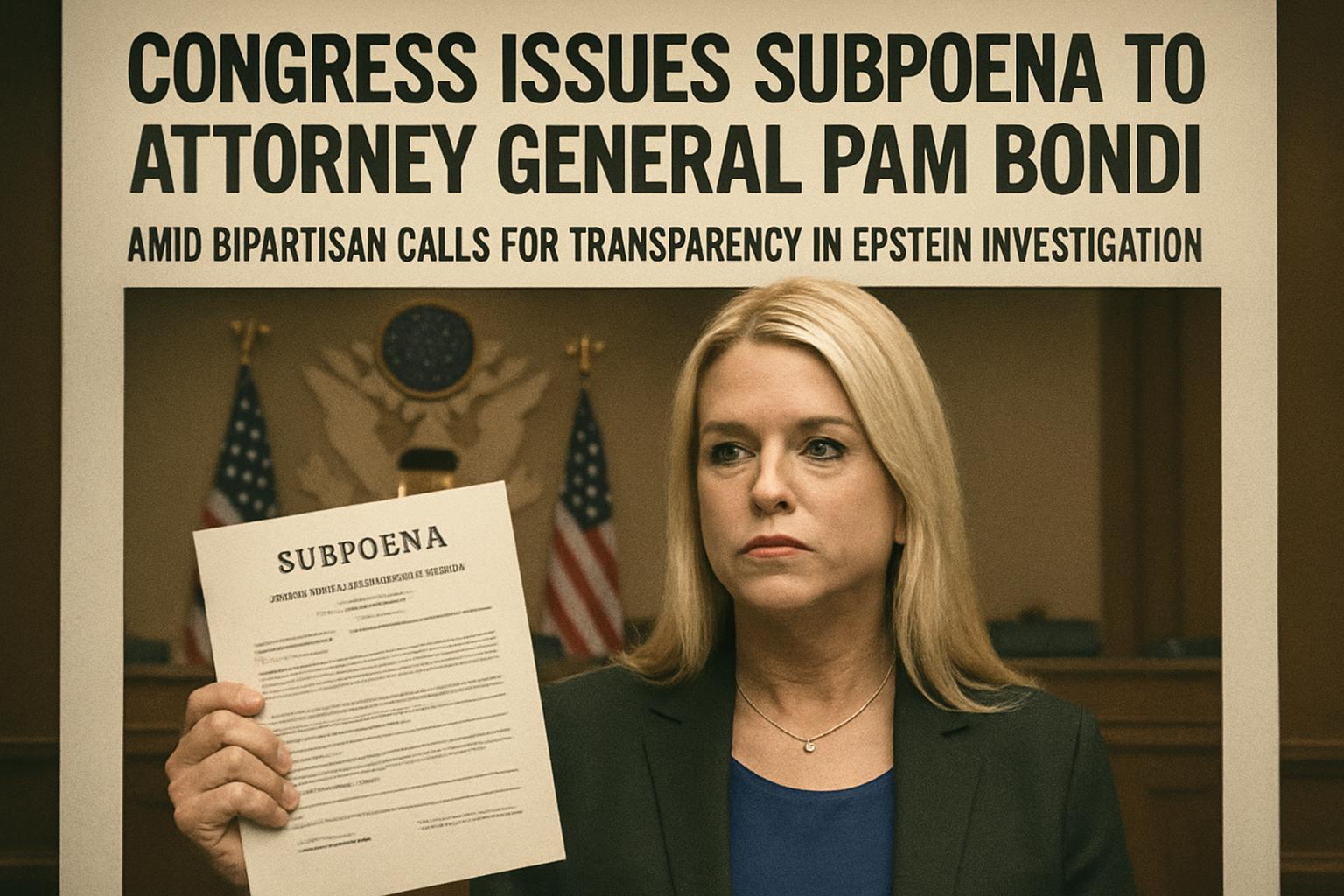
Congress Subpoenas Attorney General Bondi in Epstein Investigation

Armed Intruder Fatally Shot at Mar-a-Lago by Secret Service

Tech Giants Pledge to Cover AI Data Center Energy Costs Amid Rising Electricity Concerns

Cuba Faces Widespread Blackout Amid Deepening Fuel Crisis

UK Faces Dilemmas Amid Iran Conflict and China Spying Allegations
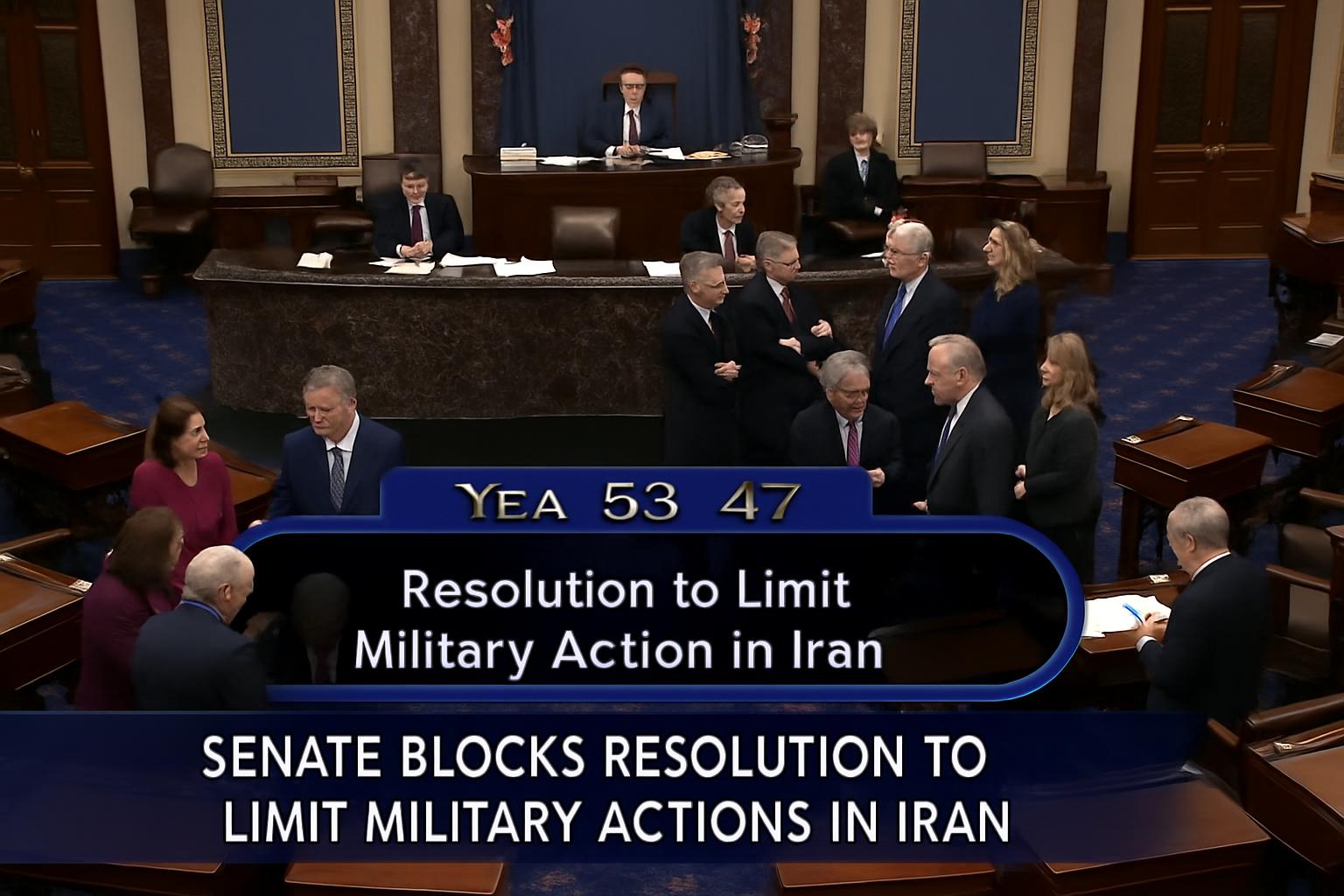
Senate Blocks Resolution to Limit Trump's Military Actions in Iran
Ghislaine Maxwell's Silence at Congressional Hearing Sparks Controversy
In This Article
 Sofia Romano| Published
 HIGHLIGHTS
- Ghislaine Maxwell invoked the Fifth Amendment during a closed-door congressional hearing, refusing to answer questions about Jeffrey Epstein.
- Maxwell's lawyer stated she would speak if granted clemency by former President Trump, a request the White House has not entertained.
- Lawmakers criticized Maxwell's silence, questioning who she might be protecting and highlighting her previous willingness to speak with federal officials.
- Survivors of Epstein's crimes urged skepticism towards Maxwell's potential testimony, fearing it could undermine justice for victims.
- Maxwell is serving a 20-year sentence for her role in Epstein's sex trafficking operation, with ongoing debates about her potential clemency.
Ghislaine Maxwell, the convicted associate of the late Jeffrey Epstein, invoked her Fifth Amendment rights during a closed-door congressional hearing on Monday, refusing to answer questions about her involvement in Epstein's sex trafficking operation. The hearing, conducted by the US House Oversight Committee, aimed to uncover more details about the crimes committed by Epstein and his associates.
Maxwell's Legal Strategy and Clemency Plea
Maxwell, appearing virtually from a Texas prison where she is serving a 20-year sentence, chose to remain silent, a decision her attorney, David Oscar Markus, attributed to her pending habeas petition. Markus emphasized that Maxwell would be willing to provide a full account if granted clemency by former President Donald Trump. However, the White House has previously stated that no leniency is being considered for Maxwell.
Lawmakers Demand Transparency
The decision to invoke the Fifth Amendment drew criticism from several lawmakers. Republican House Oversight Committee Chairman James Comer expressed disappointment, stating that the committee had hoped to gain insights into the crimes and potential co-conspirators. Democratic Representative Robert Garcia questioned who Maxwell might be protecting and criticized her perceived special treatment in prison.
Survivors' Concerns and Legal Context
Survivors of Epstein's crimes have urged lawmakers to remain skeptical of any information Maxwell might provide, fearing it could jeopardize justice for victims. Maxwell's refusal to cooperate with law enforcement has been a point of contention, with survivors highlighting her failure to identify powerful individuals involved in Epstein's network.
Previous Interactions and Inconsistencies
Maxwell's silence contrasts with her previous willingness to speak with federal officials, including a two-day interview with Deputy Attorney General Todd Blanche. Democratic Representative Ro Khanna noted this inconsistency, questioning Maxwell's motives and the potential implications of her testimony.
WHAT THIS MIGHT MEAN
The ongoing legal and political implications of Ghislaine Maxwell's case continue to unfold. If Maxwell were to receive clemency, it could set a controversial precedent and potentially alter public perception of justice in high-profile cases. Lawmakers and survivors remain vigilant, emphasizing the importance of transparency and accountability in uncovering the full extent of Epstein's network. As the investigation progresses, the focus will likely remain on ensuring justice for the victims while scrutinizing any potential leniency granted to Maxwell.
Related Articles
Congress Subpoenas Attorney General Bondi in Epstein Investigation
Armed Intruder Fatally Shot at Mar-a-Lago by Secret Service
Tech Giants Pledge to Cover AI Data Center Energy Costs Amid Rising Electricity Concerns
Cuba Faces Widespread Blackout Amid Deepening Fuel Crisis
UK Faces Dilemmas Amid Iran Conflict and China Spying Allegations
Senate Blocks Resolution to Limit Trump's Military Actions in Iran