
Urgent Action Needed as Global Carbon Budget Nears Exhaustion
In This Article
HIGHLIGHTS
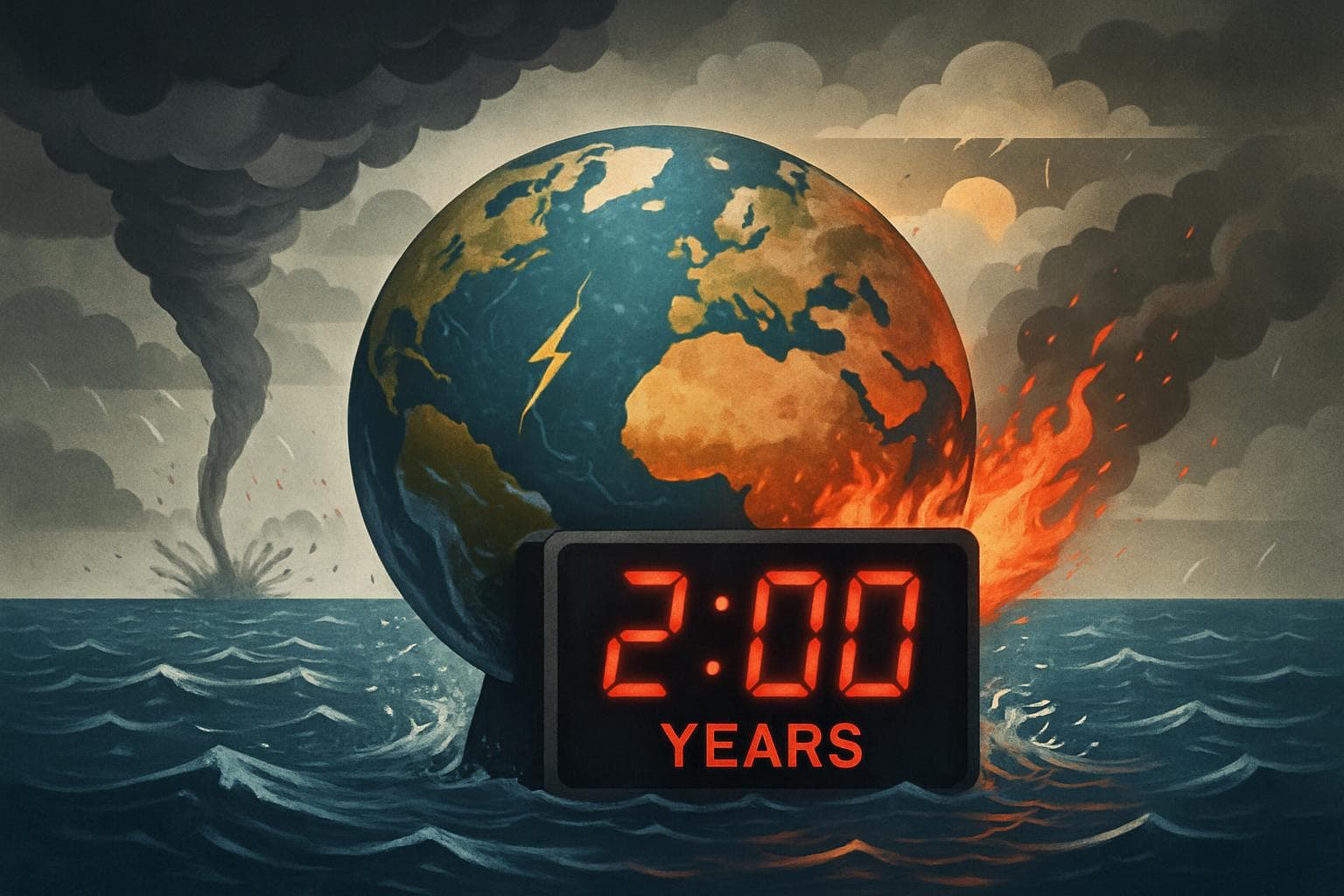
- Leading climate scientists warn that the world has only two to three years left to limit warming to 1.5C at current emission rates.
- The carbon budget for a 66% chance of staying below the 1.5C target is rapidly depleting, with only 80 billion tonnes of CO2 emissions permissible from 2025.
- Global emissions reached record highs in 2024, threatening to exhaust the carbon budget within two years.
- The world is on track for a catastrophic 2.7C of global warming unless emissions are drastically reduced.
- Experts stress the urgency of immediate and significant emissions cuts to mitigate human suffering and environmental damage.
The world is teetering on the brink of breaching the critical 1.5C global warming limit, with leading climate scientists warning that the remaining carbon budget could be exhausted in as little as two to three years. This stark assessment underscores the urgent need for drastic reductions in greenhouse gas emissions to avert catastrophic climate impacts.
Carbon Budget Crisis
According to the latest analysis, the carbon budget—the amount of CO2 humanity can emit while maintaining a reasonable chance of staying below the 1.5C target—has dwindled alarmingly. Scientists estimate that from 2025, only 80 billion tonnes of CO2 emissions can be allowed to maintain a 66% chance of meeting this target. This is a significant reduction from previous estimates and highlights the accelerating pace of climate change.
Record Emissions and Rising Temperatures
Despite international commitments to curb emissions, global CO2 levels reached unprecedented highs in 2024. At this rate, the carbon budget could be exhausted within two years, pushing the planet towards a warming of 2.7C—a scenario deemed catastrophic by experts. The consequences of such warming include intensified extreme weather events, rising sea levels, and severe impacts on vulnerable communities.
Urgency for Immediate Action
Climate experts emphasize that every fraction of a degree of warming avoided can significantly reduce human suffering and environmental damage. "The best moment to have started serious climate action was 1992," said Prof Joeri Rogelj from Imperial College London. "But now every year is the best year to start being serious about emissions reduction."
Call for Global Commitment
As the world approaches the UN Cop30 climate summit, there is a pressing need for countries to commit to substantial emissions cuts. The path to limiting warming to 1.7C remains more achievable, with a carbon budget of 390 billion tonnes over the next nine years, but only if immediate and decisive action is taken.
WHAT THIS MIGHT MEAN
The looming exhaustion of the carbon budget presents a critical juncture for global climate policy. If current emission trends continue, the world could face irreversible climate impacts, including more frequent and severe weather events, threatening food security and displacing millions. The upcoming UN Cop30 climate summit represents a pivotal opportunity for nations to demonstrate their commitment to climate action. Experts argue that without significant policy shifts and technological advancements in carbon capture, the goal of limiting warming to 1.5C may slip beyond reach. The urgency for global cooperation and innovation has never been greater, as the window for meaningful action rapidly closes.
Related Articles

London Grapples with Rising SUV Numbers Amid Safety and Environmental Concerns

AI Chatbots: A New Frontier in Mental Health Support Amidst Concerns of Synthetic Intimacy

Hurricane Melissa: A Stark Reminder of Climate Change's Impact on the Caribbean

AI Stethoscope Revolutionizes Heart Condition Detection in Seconds
UK Faces Heatwave and Pollution Alerts Amid Rising Temperatures

Michele Dougherty Makes History as First Female Astronomer Royal
Urgent Action Needed as Global Carbon Budget Nears Exhaustion
In This Article
 Leila Hassan| Published
 HIGHLIGHTS
- Leading climate scientists warn that the world has only two to three years left to limit warming to 1.5C at current emission rates.
- The carbon budget for a 66% chance of staying below the 1.5C target is rapidly depleting, with only 80 billion tonnes of CO2 emissions permissible from 2025.
- Global emissions reached record highs in 2024, threatening to exhaust the carbon budget within two years.
- The world is on track for a catastrophic 2.7C of global warming unless emissions are drastically reduced.
- Experts stress the urgency of immediate and significant emissions cuts to mitigate human suffering and environmental damage.
The world is teetering on the brink of breaching the critical 1.5C global warming limit, with leading climate scientists warning that the remaining carbon budget could be exhausted in as little as two to three years. This stark assessment underscores the urgent need for drastic reductions in greenhouse gas emissions to avert catastrophic climate impacts.
Carbon Budget Crisis
According to the latest analysis, the carbon budget—the amount of CO2 humanity can emit while maintaining a reasonable chance of staying below the 1.5C target—has dwindled alarmingly. Scientists estimate that from 2025, only 80 billion tonnes of CO2 emissions can be allowed to maintain a 66% chance of meeting this target. This is a significant reduction from previous estimates and highlights the accelerating pace of climate change.
Record Emissions and Rising Temperatures
Despite international commitments to curb emissions, global CO2 levels reached unprecedented highs in 2024. At this rate, the carbon budget could be exhausted within two years, pushing the planet towards a warming of 2.7C—a scenario deemed catastrophic by experts. The consequences of such warming include intensified extreme weather events, rising sea levels, and severe impacts on vulnerable communities.
Urgency for Immediate Action
Climate experts emphasize that every fraction of a degree of warming avoided can significantly reduce human suffering and environmental damage. "The best moment to have started serious climate action was 1992," said Prof Joeri Rogelj from Imperial College London. "But now every year is the best year to start being serious about emissions reduction."
Call for Global Commitment
As the world approaches the UN Cop30 climate summit, there is a pressing need for countries to commit to substantial emissions cuts. The path to limiting warming to 1.7C remains more achievable, with a carbon budget of 390 billion tonnes over the next nine years, but only if immediate and decisive action is taken.
WHAT THIS MIGHT MEAN
The looming exhaustion of the carbon budget presents a critical juncture for global climate policy. If current emission trends continue, the world could face irreversible climate impacts, including more frequent and severe weather events, threatening food security and displacing millions. The upcoming UN Cop30 climate summit represents a pivotal opportunity for nations to demonstrate their commitment to climate action. Experts argue that without significant policy shifts and technological advancements in carbon capture, the goal of limiting warming to 1.5C may slip beyond reach. The urgency for global cooperation and innovation has never been greater, as the window for meaningful action rapidly closes.
Related Articles
London Grapples with Rising SUV Numbers Amid Safety and Environmental Concerns
AI Chatbots: A New Frontier in Mental Health Support Amidst Concerns of Synthetic Intimacy
Hurricane Melissa: A Stark Reminder of Climate Change's Impact on the Caribbean
AI Stethoscope Revolutionizes Heart Condition Detection in Seconds
UK Faces Heatwave and Pollution Alerts Amid Rising Temperatures
Michele Dougherty Makes History as First Female Astronomer Royal