
Hurricane Melissa: A Stark Reminder of Climate Change's Impact on the Caribbean
In This Article
HIGHLIGHTS
- Hurricane Melissa, a Category 5 storm, caused widespread devastation in Jamaica and Cuba, with damages estimated at a third of Jamaica's GDP.
- Climate change increased the likelihood of such intense hurricanes by six times, with wind speeds and rainfall rising by 7% and 16%, respectively.
- The storm displaced hundreds of thousands and resulted in at least 61 fatalities across the Caribbean region.
- Scientists warn that the rapid intensification of storms like Melissa is a hallmark of a warming climate, exacerbated by fossil fuel emissions.
- The disaster underscores the urgent need for international climate finance to support vulnerable nations.
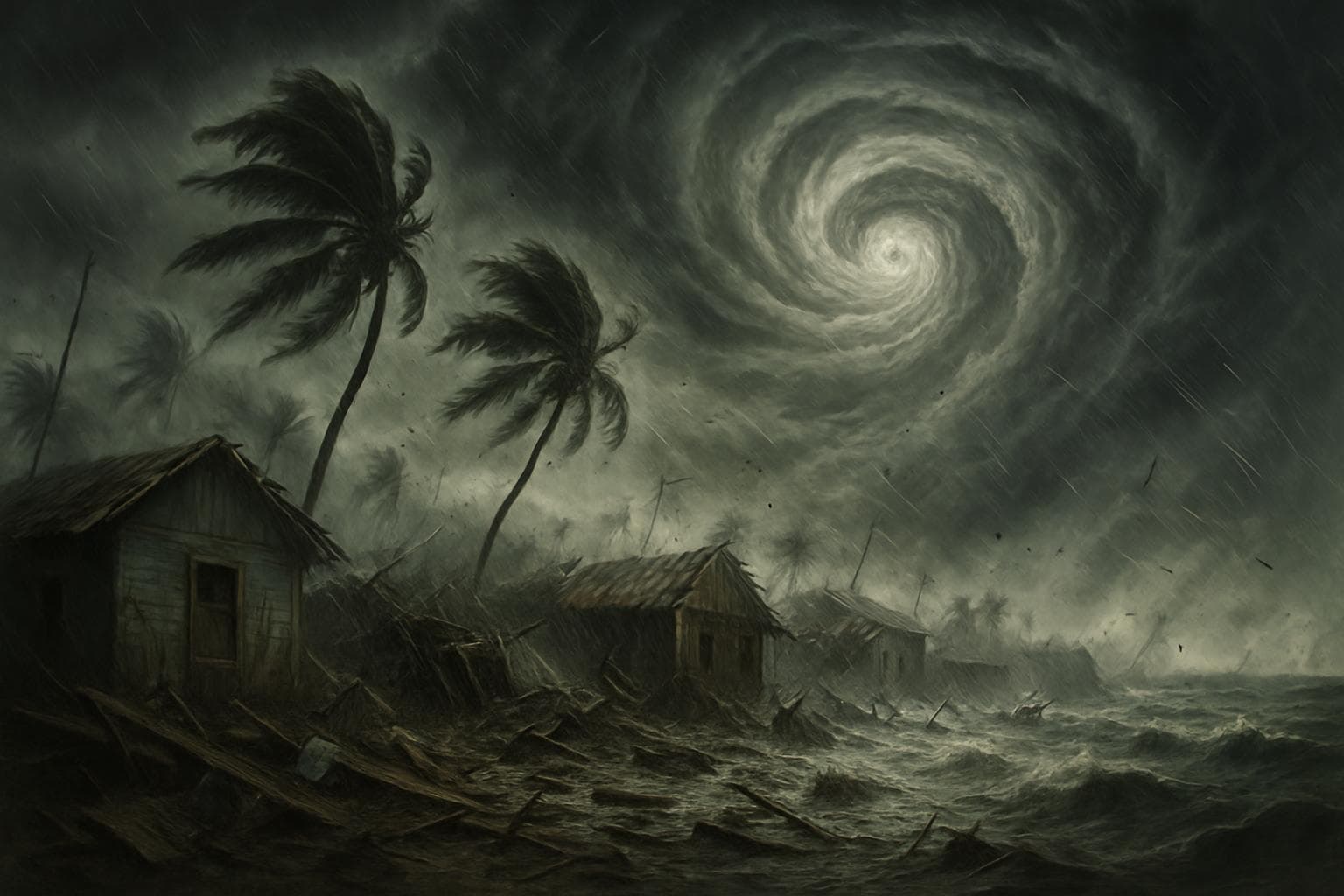
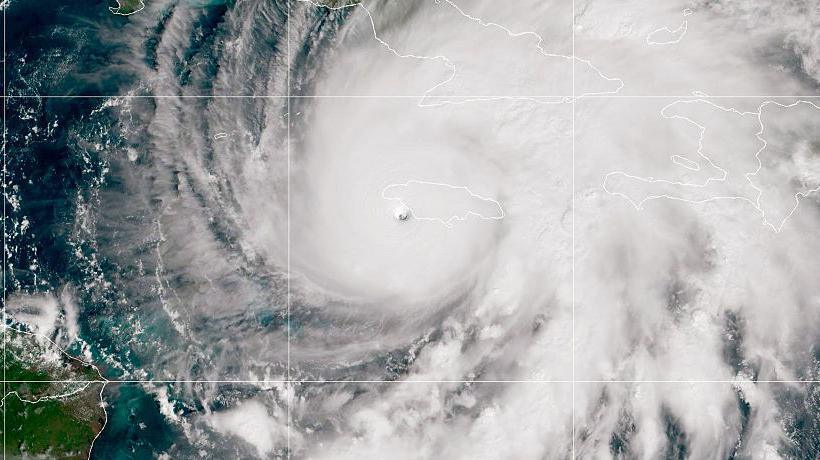
Hurricane Melissa, one of the most powerful storms to ever strike the Caribbean, has left a trail of destruction in its wake, highlighting the severe consequences of climate change. The storm, which made landfall in Jamaica as a Category 5 hurricane on October 28, brought winds reaching up to 185 mph and caused damage equivalent to about a third of Jamaica's GDP.
Climate Change's Role in Intensifying Storms
According to a study by World Weather Attribution, climate change has significantly increased the frequency and intensity of hurricanes like Melissa. The research found that the atmospheric and oceanic conditions that fueled Melissa's rapid intensification were made six times more likely due to global warming. The Caribbean Sea's temperature was 1.5°C warmer than average, providing the perfect conditions for the storm to strengthen rapidly.
"Hurricane Melissa's catastrophic landfall in Jamaica is not an anomaly; it is the canary in the coal mine," stated Jayaka Campbell, a senior lecturer at the University of the West Indies, Jamaica. The study concluded that climate change increased the storm's maximum wind speeds by 7% and extreme rainfall by 16%.
Human and Economic Toll
The impact of Hurricane Melissa was devastating, displacing hundreds of thousands of people and resulting in at least 61 deaths across Jamaica, Cuba, and neighboring countries. The storm's ferocity was felt as far as the Dominican Republic and Haiti, causing widespread damage to homes, businesses, and infrastructure.
In Cuba, timely evacuations saved lives, but the damage to infrastructure and agriculture will take years to repair. The storm's aftermath has reignited discussions on the need for robust international climate finance to aid vulnerable nations in adapting to the increasing threats posed by climate change.
A Call to Action
As the world prepares for the upcoming COP30 climate conference in Brazil, Hurricane Melissa serves as a stark reminder of the urgent need for global action. "Unless we stop burning coal, oil, and gas, we will see more and more countries reaching the limits of adaptation," warned Friederike Otto, a climate scientist at Imperial College London.
WHAT THIS MIGHT MEAN
The aftermath of Hurricane Melissa has highlighted the pressing need for international cooperation in addressing climate change. As the COP30 conference approaches, there is an opportunity for world leaders to commit to significant reductions in fossil fuel emissions and to increase climate finance for vulnerable nations. Failure to act could result in more frequent and severe storms, pushing millions beyond the limits of adaptation. Experts emphasize that immediate and sustained action is crucial to mitigate the impacts of global warming and to protect communities worldwide from future climate-related disasters.
Images from the Web
Related Articles
Global Warming Trends: 2025 Marks Third-Hottest Year on Record

Willie Colón: The Salsa Legend Who Transformed Latin Music Passes Away at 75
Cuba Faces Widespread Blackout Amid Deepening Fuel Crisis

St Francis of Assisi's Bones Draw Global Pilgrims to Italy

Anna Murdoch-Mann: Influential Figure in Media and Philanthropy Dies at 81

Trump Intensifies Pressure on Iran with Aircraft Carrier Deployment Amid Nuclear Deal Talks
Hurricane Melissa: A Stark Reminder of Climate Change's Impact on the Caribbean
In This Article
 Leila Hassan| Published
 HIGHLIGHTS
- Hurricane Melissa, a Category 5 storm, caused widespread devastation in Jamaica and Cuba, with damages estimated at a third of Jamaica's GDP.
- Climate change increased the likelihood of such intense hurricanes by six times, with wind speeds and rainfall rising by 7% and 16%, respectively.
- The storm displaced hundreds of thousands and resulted in at least 61 fatalities across the Caribbean region.
- Scientists warn that the rapid intensification of storms like Melissa is a hallmark of a warming climate, exacerbated by fossil fuel emissions.
- The disaster underscores the urgent need for international climate finance to support vulnerable nations.
Hurricane Melissa, one of the most powerful storms to ever strike the Caribbean, has left a trail of destruction in its wake, highlighting the severe consequences of climate change. The storm, which made landfall in Jamaica as a Category 5 hurricane on October 28, brought winds reaching up to 185 mph and caused damage equivalent to about a third of Jamaica's GDP.
Climate Change's Role in Intensifying Storms
According to a study by World Weather Attribution, climate change has significantly increased the frequency and intensity of hurricanes like Melissa. The research found that the atmospheric and oceanic conditions that fueled Melissa's rapid intensification were made six times more likely due to global warming. The Caribbean Sea's temperature was 1.5°C warmer than average, providing the perfect conditions for the storm to strengthen rapidly.
"Hurricane Melissa's catastrophic landfall in Jamaica is not an anomaly; it is the canary in the coal mine," stated Jayaka Campbell, a senior lecturer at the University of the West Indies, Jamaica. The study concluded that climate change increased the storm's maximum wind speeds by 7% and extreme rainfall by 16%.
Human and Economic Toll
The impact of Hurricane Melissa was devastating, displacing hundreds of thousands of people and resulting in at least 61 deaths across Jamaica, Cuba, and neighboring countries. The storm's ferocity was felt as far as the Dominican Republic and Haiti, causing widespread damage to homes, businesses, and infrastructure.
In Cuba, timely evacuations saved lives, but the damage to infrastructure and agriculture will take years to repair. The storm's aftermath has reignited discussions on the need for robust international climate finance to aid vulnerable nations in adapting to the increasing threats posed by climate change.
A Call to Action
As the world prepares for the upcoming COP30 climate conference in Brazil, Hurricane Melissa serves as a stark reminder of the urgent need for global action. "Unless we stop burning coal, oil, and gas, we will see more and more countries reaching the limits of adaptation," warned Friederike Otto, a climate scientist at Imperial College London.
WHAT THIS MIGHT MEAN
The aftermath of Hurricane Melissa has highlighted the pressing need for international cooperation in addressing climate change. As the COP30 conference approaches, there is an opportunity for world leaders to commit to significant reductions in fossil fuel emissions and to increase climate finance for vulnerable nations. Failure to act could result in more frequent and severe storms, pushing millions beyond the limits of adaptation. Experts emphasize that immediate and sustained action is crucial to mitigate the impacts of global warming and to protect communities worldwide from future climate-related disasters.
Images from the Web
Related Articles
Global Warming Trends: 2025 Marks Third-Hottest Year on Record
Willie Colón: The Salsa Legend Who Transformed Latin Music Passes Away at 75
Cuba Faces Widespread Blackout Amid Deepening Fuel Crisis
St Francis of Assisi's Bones Draw Global Pilgrims to Italy
Anna Murdoch-Mann: Influential Figure in Media and Philanthropy Dies at 81
Trump Intensifies Pressure on Iran with Aircraft Carrier Deployment Amid Nuclear Deal Talks