
Global Condemnation Grows Over Gaza Crisis as Nations Demand Immediate Ceasefire

In This Article
HIGHLIGHTS
- The UK and 27 other countries, including Australia and France, have condemned Israel's actions in Gaza, calling for an immediate end to the conflict.
- The joint statement criticizes Israel's aid delivery model, describing it as dangerous and contributing to the suffering of civilians.
- Over 800 Palestinians have reportedly been killed while seeking aid, with international leaders urging Israel to comply with humanitarian obligations.
- The UN and other international bodies have expressed alarm over the deteriorating humanitarian conditions in Gaza.
- Calls for a ceasefire and the release of hostages held by Hamas have been emphasized as crucial steps towards resolving the crisis.
In a significant international rebuke, the United Kingdom, Australia, and 26 other nations have issued a joint statement condemning Israel's military actions in Gaza and urging an immediate cessation of hostilities. The coalition of countries, which includes France, Canada, and Japan, has expressed grave concern over the humanitarian crisis unfolding in the region, describing the situation as having reached unprecedented levels of civilian suffering.
International Outcry Over Civilian Casualties
The statement, released on Monday, highlights the dire conditions faced by Palestinians, particularly the dangerous and inadequate aid delivery system employed by Israel. The countries involved have criticized what they term the "drip feeding" of aid, which has resulted in over 800 Palestinian deaths as individuals attempt to access essential supplies like food and water. The statement underscores the need for Israel to adhere to international humanitarian law and facilitate unhindered aid distribution.
Humanitarian Crisis Deepens
The humanitarian situation in Gaza has drawn widespread condemnation, with the UN Secretary-General António Guterres expressing his alarm at the collapsing lifelines for the civilian population. Reports indicate that Israeli military actions have targeted key humanitarian hubs, exacerbating the already critical shortage of food and medical supplies. The World Food Programme has reported that many of those killed were attempting to receive aid near the border fence with Israel.
Calls for Ceasefire and Hostage Release
Alongside the call for an end to the conflict, the international coalition has demanded the immediate and unconditional release of hostages held by Hamas since October 2023. Australian Home Affairs Minister Tony Burke emphasized the indefensible nature of the civilian deaths and the urgent need for a negotiated ceasefire to alleviate the suffering and bring hostages home.
Political Reactions and Future Prospects
The statement has sparked varied political reactions, with some leaders emphasizing the need for Hamas to facilitate aid flow and release hostages. Meanwhile, UK Foreign Secretary David Lammy announced an additional £40 million in humanitarian aid for Gaza, reiterating support for Israel's security but criticizing its current actions as damaging to its international standing.
WHAT THIS MIGHT MEAN
The international condemnation of Israel's actions in Gaza could lead to increased diplomatic pressure for a ceasefire and a reevaluation of aid distribution methods. If Israel continues its current military strategy, it risks further alienation on the global stage and potential sanctions or diplomatic repercussions. Conversely, a shift towards more cooperative humanitarian efforts and a ceasefire could pave the way for renewed peace negotiations. The release of hostages remains a critical factor in easing tensions, with international mediators likely to play a pivotal role in facilitating dialogue between Israel and Hamas.
Related Articles
Canada Calls for De-escalation Amid US-Israel Strikes on Iran

US and Israel Intensify Military Campaign as Iran's Capabilities Dwindle
Intensified US-Israel Strikes on Iran Spark Global Outcry
Senate Blocks Resolution to Limit Trump's Military Actions in Iran
Iran Postpones Khamenei Funeral Amid Escalating US-Israeli Strikes
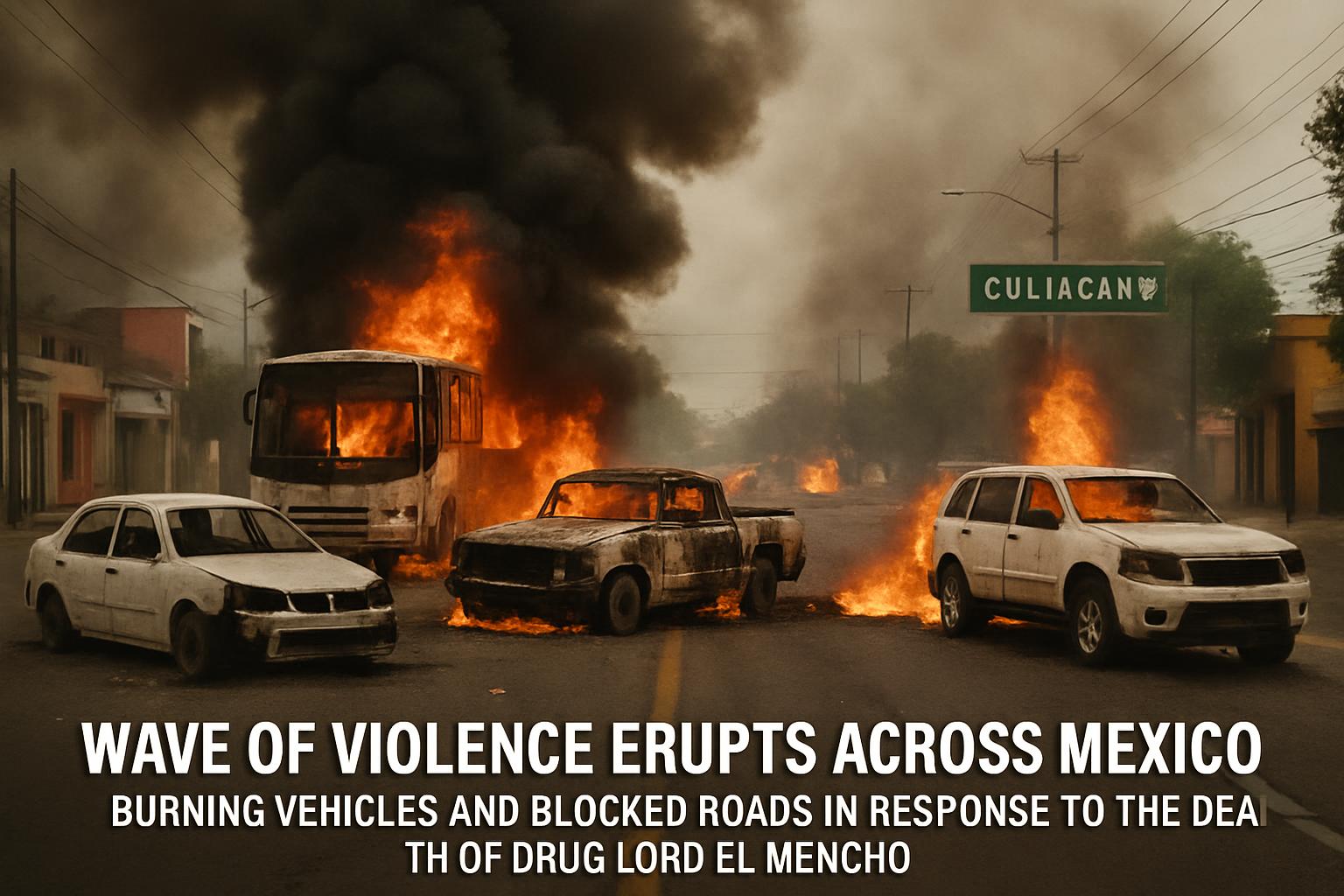
Violence Erupts Across Mexico Following Death of Drug Lord El Mencho
Global Condemnation Grows Over Gaza Crisis as Nations Demand Immediate Ceasefire
In This Article
 Ethan Brooks| Published
 HIGHLIGHTS
- The UK and 27 other countries, including Australia and France, have condemned Israel's actions in Gaza, calling for an immediate end to the conflict.
- The joint statement criticizes Israel's aid delivery model, describing it as dangerous and contributing to the suffering of civilians.
- Over 800 Palestinians have reportedly been killed while seeking aid, with international leaders urging Israel to comply with humanitarian obligations.
- The UN and other international bodies have expressed alarm over the deteriorating humanitarian conditions in Gaza.
- Calls for a ceasefire and the release of hostages held by Hamas have been emphasized as crucial steps towards resolving the crisis.
In a significant international rebuke, the United Kingdom, Australia, and 26 other nations have issued a joint statement condemning Israel's military actions in Gaza and urging an immediate cessation of hostilities. The coalition of countries, which includes France, Canada, and Japan, has expressed grave concern over the humanitarian crisis unfolding in the region, describing the situation as having reached unprecedented levels of civilian suffering.
International Outcry Over Civilian Casualties
The statement, released on Monday, highlights the dire conditions faced by Palestinians, particularly the dangerous and inadequate aid delivery system employed by Israel. The countries involved have criticized what they term the "drip feeding" of aid, which has resulted in over 800 Palestinian deaths as individuals attempt to access essential supplies like food and water. The statement underscores the need for Israel to adhere to international humanitarian law and facilitate unhindered aid distribution.
Humanitarian Crisis Deepens
The humanitarian situation in Gaza has drawn widespread condemnation, with the UN Secretary-General António Guterres expressing his alarm at the collapsing lifelines for the civilian population. Reports indicate that Israeli military actions have targeted key humanitarian hubs, exacerbating the already critical shortage of food and medical supplies. The World Food Programme has reported that many of those killed were attempting to receive aid near the border fence with Israel.
Calls for Ceasefire and Hostage Release
Alongside the call for an end to the conflict, the international coalition has demanded the immediate and unconditional release of hostages held by Hamas since October 2023. Australian Home Affairs Minister Tony Burke emphasized the indefensible nature of the civilian deaths and the urgent need for a negotiated ceasefire to alleviate the suffering and bring hostages home.
Political Reactions and Future Prospects
The statement has sparked varied political reactions, with some leaders emphasizing the need for Hamas to facilitate aid flow and release hostages. Meanwhile, UK Foreign Secretary David Lammy announced an additional £40 million in humanitarian aid for Gaza, reiterating support for Israel's security but criticizing its current actions as damaging to its international standing.
WHAT THIS MIGHT MEAN
The international condemnation of Israel's actions in Gaza could lead to increased diplomatic pressure for a ceasefire and a reevaluation of aid distribution methods. If Israel continues its current military strategy, it risks further alienation on the global stage and potential sanctions or diplomatic repercussions. Conversely, a shift towards more cooperative humanitarian efforts and a ceasefire could pave the way for renewed peace negotiations. The release of hostages remains a critical factor in easing tensions, with international mediators likely to play a pivotal role in facilitating dialogue between Israel and Hamas.
Related Articles
Canada Calls for De-escalation Amid US-Israel Strikes on Iran
US and Israel Intensify Military Campaign as Iran's Capabilities Dwindle
Intensified US-Israel Strikes on Iran Spark Global Outcry
Senate Blocks Resolution to Limit Trump's Military Actions in Iran
Iran Postpones Khamenei Funeral Amid Escalating US-Israeli Strikes
Violence Erupts Across Mexico Following Death of Drug Lord El Mencho