
Global Solidarity Grows as Iran Faces Unrest and Internet Blackout
In This Article
HIGHLIGHTS
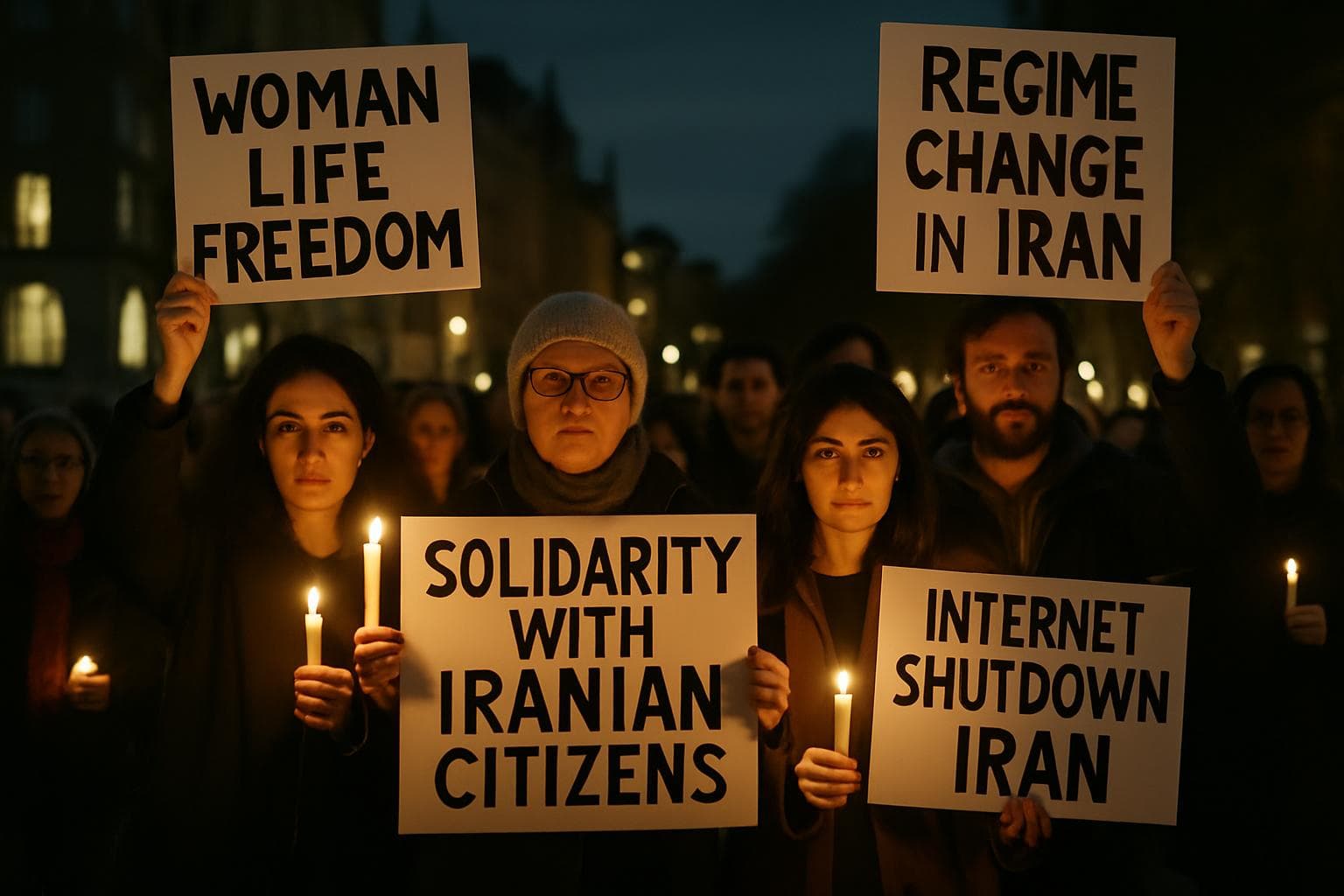
- Nearly 300 people gathered in Bristol to show solidarity with Iranians amid ongoing protests and an internet blackout in Iran.
- The protests, sparked by economic hardship and currency devaluation, have escalated into calls for regime change against Ayatollah Ali Khamenei.
- Iran's President Masoud Pezeshkian warned that any attack on Khamenei would be considered a declaration of war.
- The US, under President Donald Trump, has shown support for the protesters, with Trump urging them to continue their demonstrations.
- The Iranian government has imposed an internet blackout to suppress dissent, leaving families abroad in distress over their loved ones' safety.
Hundreds of people gathered in Bristol, UK, on Sunday to express solidarity with the Iranian community amid escalating unrest in Iran. The protests, which began on December 28 due to economic grievances, have transformed into widespread calls for the end of Ayatollah Ali Khamenei's rule. The Iranian government's response has been severe, with reports of over 3,000 deaths and a nationwide internet blackout that has severed communication with the outside world.
Protests and Government Crackdown
The unrest in Iran was initially triggered by public anger over soaring inflation and the devaluation of the Iranian rial against the US dollar. However, the demonstrations quickly evolved into broader anti-government protests demanding regime change. In response, the Iranian authorities have labeled the protests as "riots" instigated by foreign adversaries and have imposed a near-total internet shutdown since January 8 to stifle dissent and prevent international scrutiny.
International Reactions and US Involvement
The situation has drawn international attention, with US President Donald Trump openly supporting the Iranian protesters. Trump has urged them to "keep protesting" and hinted at possible military intervention if the Iranian security forces continue their violent crackdown. In a recent interview, Trump criticized Khamenei's leadership and called for an end to his nearly 40-year reign.
Iranian President Masoud Pezeshkian has responded by warning that any attack on Khamenei would be considered a declaration of war. He also blamed the US for the ongoing unrest, citing longstanding sanctions as a primary cause of Iran's economic woes.
Personal Stories and Global Solidarity
The internet blackout has left many Iranians abroad in distress, unable to contact their families. Kaveh Darafshi, a Bristol resident, expressed his anguish over the lack of communication with his relatives in Iran. "The pain we carry is hard to explain," he said. "The main thing we want to know is, are they alive?"
The protest in Bristol, attended by nearly 300 people, aimed to raise awareness of the situation in Iran and show solidarity with those affected. Rachael Bee, a participant, described the event as an emotional day filled with stories of hope and resilience.
WHAT THIS MIGHT MEAN
The ongoing unrest in Iran poses significant challenges both domestically and internationally. If the protests continue to gain momentum, the Iranian government may face increasing pressure to implement reforms or risk further destabilization. Internationally, the situation could escalate tensions between Iran and the US, especially if military intervention becomes a viable option. Experts suggest that diplomatic efforts may be necessary to prevent further escalation and address the underlying economic issues fueling the protests. As the world watches, the future of Iran remains uncertain, with potential implications for regional stability and global politics.
Related Articles
Intensified US-Israel Strikes on Iran Spark Global Outcry
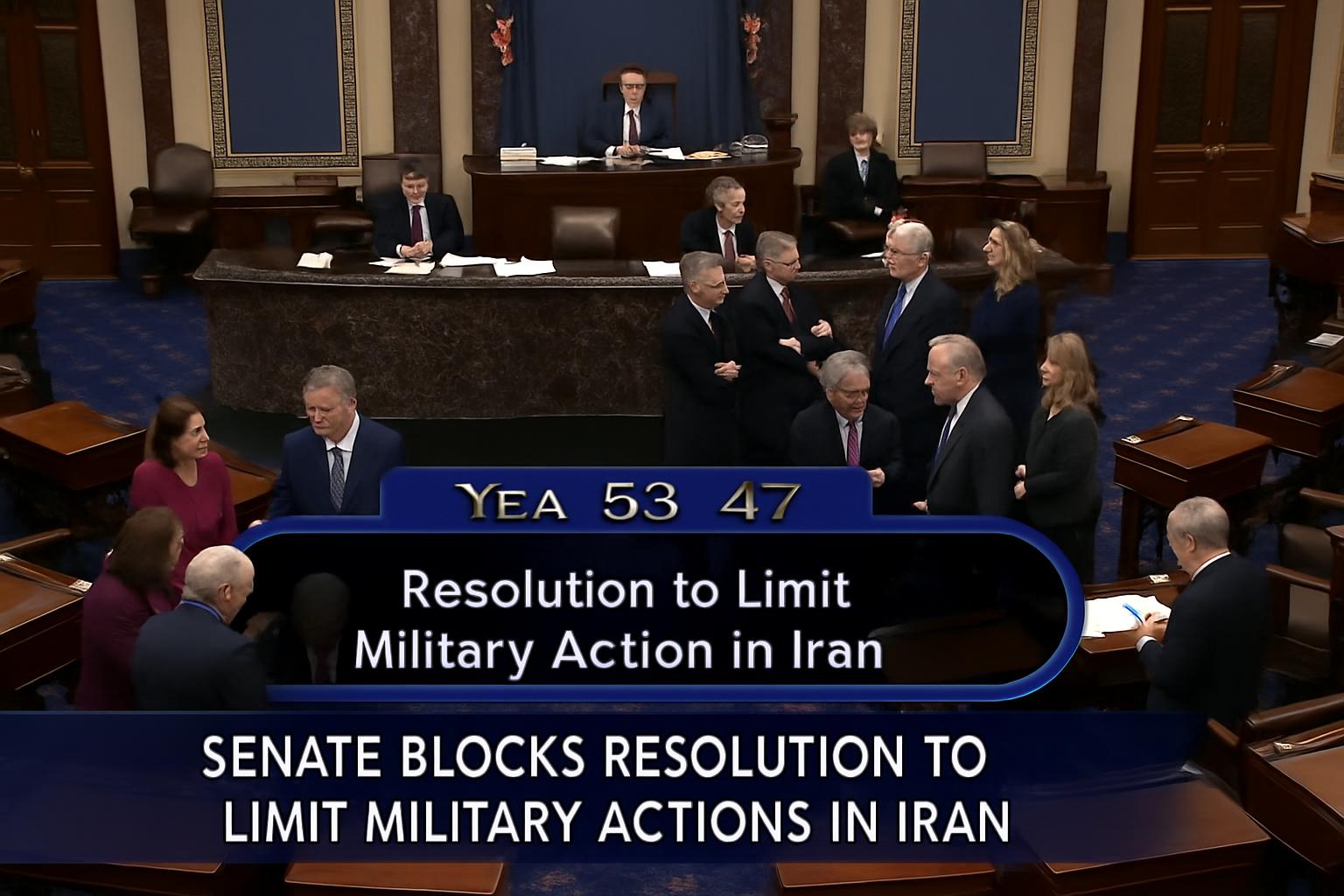
Senate Blocks Resolution to Limit Trump's Military Actions in Iran
Spain's Sánchez Stands Firm Against Trump's Trade Threat Over Iran Stance

UK Faces Dilemmas Amid Iran Conflict and China Spying Allegations
US and Israel Intensify Military Campaign as Iran's Capabilities Dwindle
UK-Iran Tensions: Starmer Defends Cautious Approach Amid Trump Criticism
Global Solidarity Grows as Iran Faces Unrest and Internet Blackout
In This Article
 Ethan Brooks| Published
 HIGHLIGHTS
- Nearly 300 people gathered in Bristol to show solidarity with Iranians amid ongoing protests and an internet blackout in Iran.
- The protests, sparked by economic hardship and currency devaluation, have escalated into calls for regime change against Ayatollah Ali Khamenei.
- Iran's President Masoud Pezeshkian warned that any attack on Khamenei would be considered a declaration of war.
- The US, under President Donald Trump, has shown support for the protesters, with Trump urging them to continue their demonstrations.
- The Iranian government has imposed an internet blackout to suppress dissent, leaving families abroad in distress over their loved ones' safety.
Hundreds of people gathered in Bristol, UK, on Sunday to express solidarity with the Iranian community amid escalating unrest in Iran. The protests, which began on December 28 due to economic grievances, have transformed into widespread calls for the end of Ayatollah Ali Khamenei's rule. The Iranian government's response has been severe, with reports of over 3,000 deaths and a nationwide internet blackout that has severed communication with the outside world.
Protests and Government Crackdown
The unrest in Iran was initially triggered by public anger over soaring inflation and the devaluation of the Iranian rial against the US dollar. However, the demonstrations quickly evolved into broader anti-government protests demanding regime change. In response, the Iranian authorities have labeled the protests as "riots" instigated by foreign adversaries and have imposed a near-total internet shutdown since January 8 to stifle dissent and prevent international scrutiny.
International Reactions and US Involvement
The situation has drawn international attention, with US President Donald Trump openly supporting the Iranian protesters. Trump has urged them to "keep protesting" and hinted at possible military intervention if the Iranian security forces continue their violent crackdown. In a recent interview, Trump criticized Khamenei's leadership and called for an end to his nearly 40-year reign.
Iranian President Masoud Pezeshkian has responded by warning that any attack on Khamenei would be considered a declaration of war. He also blamed the US for the ongoing unrest, citing longstanding sanctions as a primary cause of Iran's economic woes.
Personal Stories and Global Solidarity
The internet blackout has left many Iranians abroad in distress, unable to contact their families. Kaveh Darafshi, a Bristol resident, expressed his anguish over the lack of communication with his relatives in Iran. "The pain we carry is hard to explain," he said. "The main thing we want to know is, are they alive?"
The protest in Bristol, attended by nearly 300 people, aimed to raise awareness of the situation in Iran and show solidarity with those affected. Rachael Bee, a participant, described the event as an emotional day filled with stories of hope and resilience.
WHAT THIS MIGHT MEAN
The ongoing unrest in Iran poses significant challenges both domestically and internationally. If the protests continue to gain momentum, the Iranian government may face increasing pressure to implement reforms or risk further destabilization. Internationally, the situation could escalate tensions between Iran and the US, especially if military intervention becomes a viable option. Experts suggest that diplomatic efforts may be necessary to prevent further escalation and address the underlying economic issues fueling the protests. As the world watches, the future of Iran remains uncertain, with potential implications for regional stability and global politics.
Related Articles
Intensified US-Israel Strikes on Iran Spark Global Outcry
Senate Blocks Resolution to Limit Trump's Military Actions in Iran
Spain's Sánchez Stands Firm Against Trump's Trade Threat Over Iran Stance
UK Faces Dilemmas Amid Iran Conflict and China Spying Allegations
US and Israel Intensify Military Campaign as Iran's Capabilities Dwindle
UK-Iran Tensions: Starmer Defends Cautious Approach Amid Trump Criticism