
Global Trade Shifts as US and UK Tackle Small Parcel Imports
In This Article
HIGHLIGHTS
- The value of small parcels from China to the UK surged to £3bn, driven by e-commerce platforms like Shein and Temu.
- The UK government is reviewing low-value import rules, as industry groups call for action to protect local retailers.
- The US has ended the de minimis exemption, imposing tariffs on parcels under $800, affecting global supply chains.
- UK businesses face uncertainty and potential cost increases due to the new US small parcel tax.
- The policy change aims to curb illegal imports and increase tariff revenues, but could raise consumer prices.
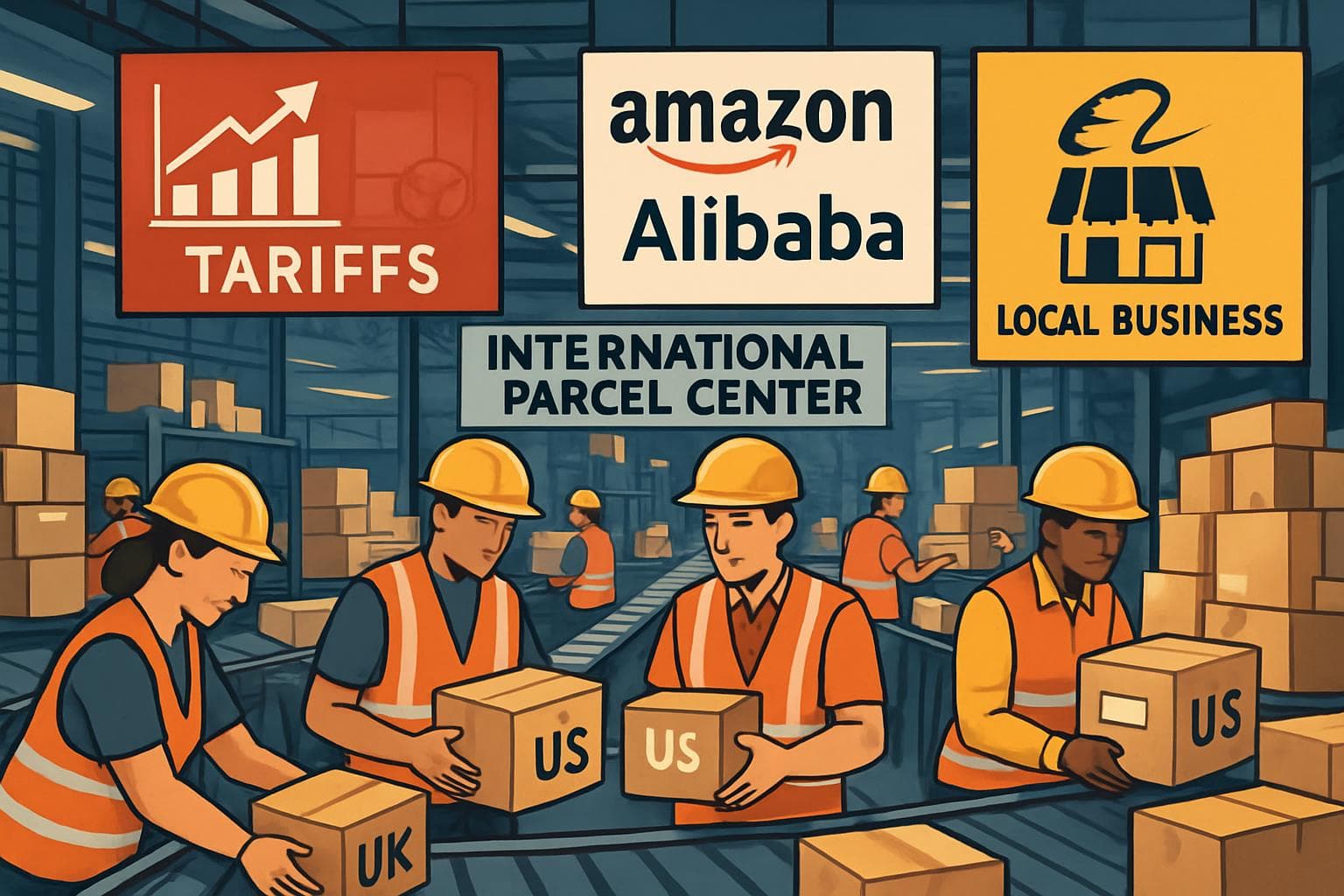
The landscape of global trade is undergoing significant changes as both the UK and the US implement new policies affecting small parcel imports. In the UK, the value of small parcels arriving from China has more than doubled, reaching £3bn in the latest financial year. This surge, largely attributed to e-commerce giants Shein and Temu, has prompted the UK government to review its low-value import rules. These parcels, valued at £135 or less, currently enjoy an exemption from customs duties, a loophole that local businesses argue is undermining their competitiveness.
Katerina Buchy, director of Sheffield-based wholesaler Ancient Wisdom, expressed concern over the impact on her business. "It's affecting our customers as well. They're not ordering from us because they know their customers can get it cheaper online," she stated. The British Retail Consortium has echoed these sentiments, urging the government to address the issue swiftly.
Meanwhile, across the Atlantic, the US has abolished the de minimis exemption, which previously allowed parcels valued under $800 to enter duty-free. This policy shift, effective from Friday, is expected to disrupt supply chains and increase costs for businesses and consumers alike. The exemption, criticized by both President Trump and his predecessor, Joe Biden, was seen as a loophole that facilitated the import of cheap goods and illegal items.
Helen Hickman, owner of Welsh wool company Nellie and Eve, has halted shipments to the US due to the uncertainty surrounding the new tariffs. "I didn't want products to be excessively charged or returned to me or lost," she explained. The changes mean that a typical $100 order could now incur an additional $30 to $50 in costs.
The US Customs and Border Protection agency has begun collecting standard duty rates on all global parcel imports, a move expected to generate up to $10bn annually in tariff revenues. This decision is part of a broader strategy to protect American businesses and curb illegal imports, including narcotics.
WHAT THIS MIGHT MEAN
As the UK government reviews its low-value import rules, potential changes could level the playing field for domestic retailers but may also lead to higher prices for consumers. The outcome of this review will be closely watched by industry stakeholders.
In the US, the end of the de minimis exemption could lead to a reconfiguration of global supply chains, as businesses adapt to the new tariff landscape. While the policy aims to protect domestic industries, it may also result in increased costs for consumers and reduced options in the marketplace.
Experts suggest that both countries will need to balance the interests of local businesses with consumer protection and international trade obligations. The coming months will reveal how these policy shifts impact the global trade environment and whether they achieve their intended goals.
Images from the Web



Related Articles
China Sets Lowest GDP Growth Target in Decades Amid Economic Challenges
Middle East Conflict Drives UK Energy Prices to New Highs
Canada and Australia Forge Strategic Partnership Amid Global Uncertainty

Tech Giants Pledge to Cover AI Data Center Energy Costs Amid Rising Electricity Concerns

UK Faces Dilemmas Amid Iran Conflict and China Spying Allegations
UK Reinforces Military Presence in Cyprus Amid Middle East Tensions
Global Trade Shifts as US and UK Tackle Small Parcel Imports
In This Article
 Daniel Rivera| Published
 HIGHLIGHTS
- The value of small parcels from China to the UK surged to £3bn, driven by e-commerce platforms like Shein and Temu.
- The UK government is reviewing low-value import rules, as industry groups call for action to protect local retailers.
- The US has ended the de minimis exemption, imposing tariffs on parcels under $800, affecting global supply chains.
- UK businesses face uncertainty and potential cost increases due to the new US small parcel tax.
- The policy change aims to curb illegal imports and increase tariff revenues, but could raise consumer prices.
The landscape of global trade is undergoing significant changes as both the UK and the US implement new policies affecting small parcel imports. In the UK, the value of small parcels arriving from China has more than doubled, reaching £3bn in the latest financial year. This surge, largely attributed to e-commerce giants Shein and Temu, has prompted the UK government to review its low-value import rules. These parcels, valued at £135 or less, currently enjoy an exemption from customs duties, a loophole that local businesses argue is undermining their competitiveness.
Katerina Buchy, director of Sheffield-based wholesaler Ancient Wisdom, expressed concern over the impact on her business. "It's affecting our customers as well. They're not ordering from us because they know their customers can get it cheaper online," she stated. The British Retail Consortium has echoed these sentiments, urging the government to address the issue swiftly.
Meanwhile, across the Atlantic, the US has abolished the de minimis exemption, which previously allowed parcels valued under $800 to enter duty-free. This policy shift, effective from Friday, is expected to disrupt supply chains and increase costs for businesses and consumers alike. The exemption, criticized by both President Trump and his predecessor, Joe Biden, was seen as a loophole that facilitated the import of cheap goods and illegal items.
Helen Hickman, owner of Welsh wool company Nellie and Eve, has halted shipments to the US due to the uncertainty surrounding the new tariffs. "I didn't want products to be excessively charged or returned to me or lost," she explained. The changes mean that a typical $100 order could now incur an additional $30 to $50 in costs.
The US Customs and Border Protection agency has begun collecting standard duty rates on all global parcel imports, a move expected to generate up to $10bn annually in tariff revenues. This decision is part of a broader strategy to protect American businesses and curb illegal imports, including narcotics.
WHAT THIS MIGHT MEAN
As the UK government reviews its low-value import rules, potential changes could level the playing field for domestic retailers but may also lead to higher prices for consumers. The outcome of this review will be closely watched by industry stakeholders.
In the US, the end of the de minimis exemption could lead to a reconfiguration of global supply chains, as businesses adapt to the new tariff landscape. While the policy aims to protect domestic industries, it may also result in increased costs for consumers and reduced options in the marketplace.
Experts suggest that both countries will need to balance the interests of local businesses with consumer protection and international trade obligations. The coming months will reveal how these policy shifts impact the global trade environment and whether they achieve their intended goals.
Images from the Web
Related Articles
China Sets Lowest GDP Growth Target in Decades Amid Economic Challenges
Middle East Conflict Drives UK Energy Prices to New Highs
Canada and Australia Forge Strategic Partnership Amid Global Uncertainty
Tech Giants Pledge to Cover AI Data Center Energy Costs Amid Rising Electricity Concerns
UK Faces Dilemmas Amid Iran Conflict and China Spying Allegations
UK Reinforces Military Presence in Cyprus Amid Middle East Tensions