
Greenland Crisis Tests NATO Unity Amid US-Denmark Tensions
In This Article
HIGHLIGHTS
- Donald Trump's interest in acquiring Greenland has sparked a diplomatic crisis, straining US-Denmark relations and NATO unity.
- NATO Secretary General Mark Rutte emphasized "thoughtful diplomacy" to address tensions, focusing on Arctic security to counter Russia and China.
- European leaders, including Ursula von der Leyen, warned of a permanent shift in international relations, urging Europe to assert greater independence.
- Denmark's Prime Minister Mette Frederiksen reiterated that Greenland's sovereignty is non-negotiable, despite ongoing discussions about security and investment.
- The crisis has led to potential retaliatory tariffs from the EU, signaling a shift away from appeasement towards a more assertive stance against US policies.
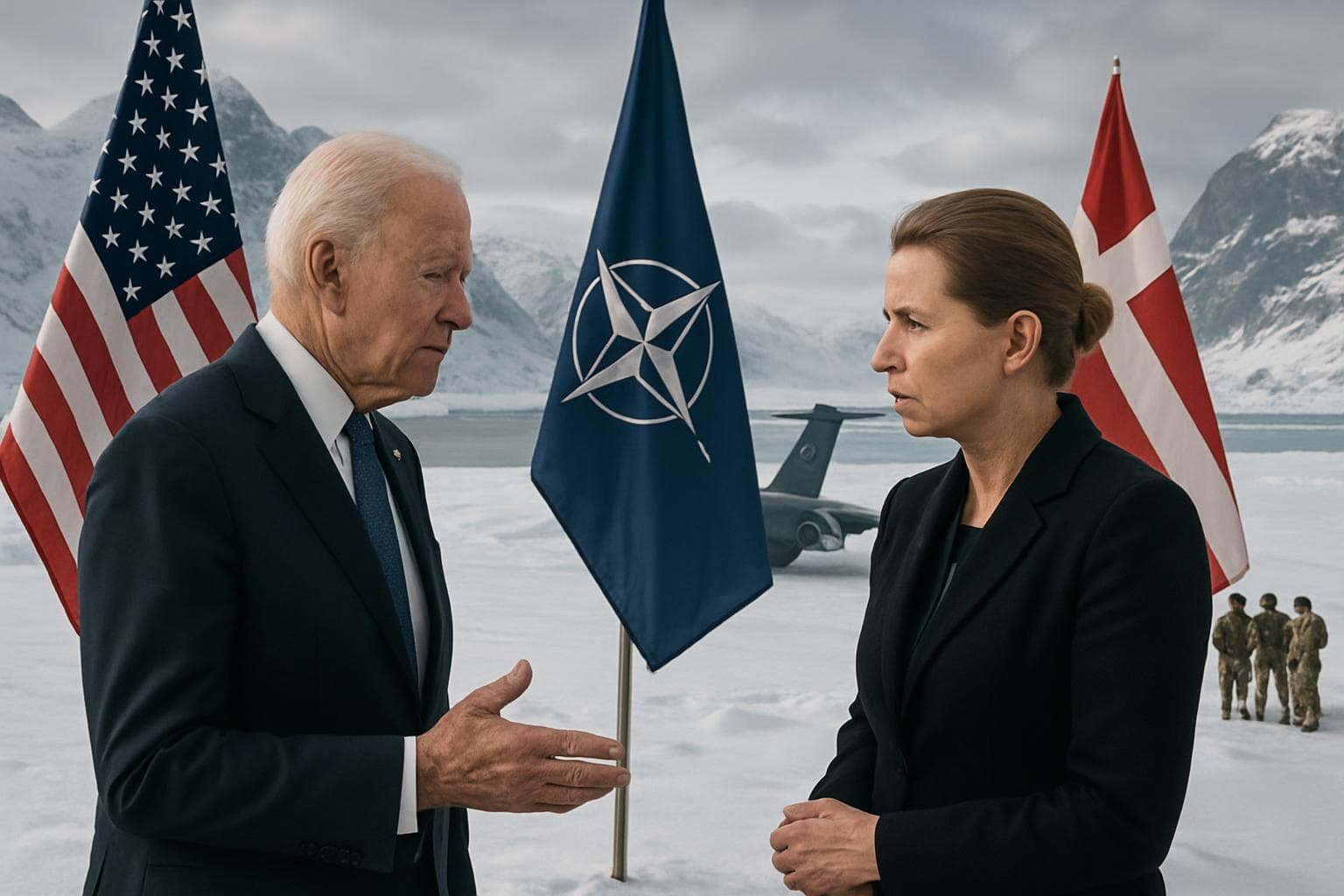
The recent diplomatic turmoil over Greenland has highlighted significant strains within the NATO alliance, as US President Donald Trump's ambitions to acquire the territory have sparked widespread concern among European allies. The crisis, which unfolded over the past fortnight, has seen Trump propose military and economic measures to secure Greenland, a move that has been met with resistance from Denmark and other NATO members.
Diplomatic Efforts and Arctic Security
In response to the escalating tensions, NATO Secretary General Mark Rutte has called for "thoughtful diplomacy" to navigate the crisis. Speaking at the World Economic Forum in Davos, Rutte emphasized the importance of bolstering Arctic security to prevent Russian and Chinese influence in the region. Discussions are underway to explore increased military presence in Greenland, with Denmark reportedly considering ceding limited sovereignty for US military bases, though no official confirmation has been made.
European Leaders React
The crisis has prompted strong reactions from European leaders, with EU Commission President Ursula von der Leyen describing the situation as a "seismic change" in global relations. She urged Europe to move away from traditional caution and embrace a more assertive role on the world stage. Danish Prime Minister Mette Frederiksen has firmly stated that while security and economic issues are open for negotiation, Greenland's sovereignty remains off the table.
Potential Economic Repercussions
The diplomatic standoff has also led to economic implications, with the EU preparing retaliatory tariffs on US goods should Trump proceed with his proposed tariffs on European nations. This marks a significant shift from previous strategies of appeasement, as Europe seeks to assert its position in the face of US pressure.
WHAT THIS MIGHT MEAN
The Greenland crisis could have lasting implications for transatlantic relations and NATO's cohesion. If the US continues to push for control over Greenland, it may lead to further diplomatic rifts and economic confrontations. European leaders are likely to strengthen their collective stance, potentially leading to a reevaluation of NATO's strategic priorities. Experts suggest that the crisis could serve as a catalyst for Europe to enhance its defense capabilities and reduce reliance on the US, reshaping the geopolitical landscape in the process.
Images from the Web

Related Articles
Spain's Sánchez Stands Firm Against Trump's Trade Threat Over Iran Stance
Russian LNG Tanker Sinks in Mediterranean Amid Accusations of Ukrainian Drone Attack

UK Faces Dilemmas Amid Iran Conflict and China Spying Allegations
Senate Blocks Resolution to Limit Trump's Military Actions in Iran
UK-Iran Tensions: Starmer Defends Cautious Approach Amid Trump Criticism
Iran Postpones Khamenei Funeral Amid Escalating US-Israeli Strikes
Greenland Crisis Tests NATO Unity Amid US-Denmark Tensions
In This Article
 Ethan Brooks| Published
 HIGHLIGHTS
- Donald Trump's interest in acquiring Greenland has sparked a diplomatic crisis, straining US-Denmark relations and NATO unity.
- NATO Secretary General Mark Rutte emphasized "thoughtful diplomacy" to address tensions, focusing on Arctic security to counter Russia and China.
- European leaders, including Ursula von der Leyen, warned of a permanent shift in international relations, urging Europe to assert greater independence.
- Denmark's Prime Minister Mette Frederiksen reiterated that Greenland's sovereignty is non-negotiable, despite ongoing discussions about security and investment.
- The crisis has led to potential retaliatory tariffs from the EU, signaling a shift away from appeasement towards a more assertive stance against US policies.
The recent diplomatic turmoil over Greenland has highlighted significant strains within the NATO alliance, as US President Donald Trump's ambitions to acquire the territory have sparked widespread concern among European allies. The crisis, which unfolded over the past fortnight, has seen Trump propose military and economic measures to secure Greenland, a move that has been met with resistance from Denmark and other NATO members.
Diplomatic Efforts and Arctic Security
In response to the escalating tensions, NATO Secretary General Mark Rutte has called for "thoughtful diplomacy" to navigate the crisis. Speaking at the World Economic Forum in Davos, Rutte emphasized the importance of bolstering Arctic security to prevent Russian and Chinese influence in the region. Discussions are underway to explore increased military presence in Greenland, with Denmark reportedly considering ceding limited sovereignty for US military bases, though no official confirmation has been made.
European Leaders React
The crisis has prompted strong reactions from European leaders, with EU Commission President Ursula von der Leyen describing the situation as a "seismic change" in global relations. She urged Europe to move away from traditional caution and embrace a more assertive role on the world stage. Danish Prime Minister Mette Frederiksen has firmly stated that while security and economic issues are open for negotiation, Greenland's sovereignty remains off the table.
Potential Economic Repercussions
The diplomatic standoff has also led to economic implications, with the EU preparing retaliatory tariffs on US goods should Trump proceed with his proposed tariffs on European nations. This marks a significant shift from previous strategies of appeasement, as Europe seeks to assert its position in the face of US pressure.
WHAT THIS MIGHT MEAN
The Greenland crisis could have lasting implications for transatlantic relations and NATO's cohesion. If the US continues to push for control over Greenland, it may lead to further diplomatic rifts and economic confrontations. European leaders are likely to strengthen their collective stance, potentially leading to a reevaluation of NATO's strategic priorities. Experts suggest that the crisis could serve as a catalyst for Europe to enhance its defense capabilities and reduce reliance on the US, reshaping the geopolitical landscape in the process.
Images from the Web
Related Articles
Spain's Sánchez Stands Firm Against Trump's Trade Threat Over Iran Stance
Russian LNG Tanker Sinks in Mediterranean Amid Accusations of Ukrainian Drone Attack
UK Faces Dilemmas Amid Iran Conflict and China Spying Allegations
Senate Blocks Resolution to Limit Trump's Military Actions in Iran
UK-Iran Tensions: Starmer Defends Cautious Approach Amid Trump Criticism
Iran Postpones Khamenei Funeral Amid Escalating US-Israeli Strikes