
Lebanon Faces Tensions as Hezbollah Rejects Disarmament Plan Amid US Pressure

In This Article
HIGHLIGHTS
- Hezbollah has rejected Lebanon's decision to centralize arms control under the state, calling it a "grave sin" and attributing it to US influence.
- The Lebanese government, under US pressure, has tasked the army with drafting a plan to monopolize arms by the end of the year.
- Hezbollah's refusal to disarm comes amid ongoing Israeli strikes, which Israel claims are necessary to prevent the group from rearming.
- The US has proposed Hezbollah's disarmament in exchange for Israel withdrawing from occupied areas in southern Lebanon.
- Lebanon faces a precarious situation, balancing between potential conflict with Israel and internal strife with Hezbollah.
Lebanon is navigating a complex political landscape as Hezbollah, the influential Shia militant and political group, has dismissed the government's recent decision to centralize arms control under state authority. The move, announced by Lebanon's cabinet on Tuesday, aims to consolidate all arms within the military's control by the year's end. However, Hezbollah has labeled this decision a "grave sin" and accused the government of succumbing to American "diktats."
Hezbollah's Defiant Stance
Despite international calls for disarmament, Hezbollah remains steadfast in retaining its arsenal. The group, which suffered significant losses in last year's conflict with Israel, maintains that it will not discuss disarmament while Israeli attacks continue. Hezbollah's leader, Naim Qassem, emphasized in a televised address that the group's weapons are non-negotiable under current conditions, citing ongoing Israeli aggression as a breach of the ceasefire agreement.
US Influence and Regional Dynamics
The United States has been a significant force behind Lebanon's push for disarmament, proposing a roadmap that includes Hezbollah's disarmament in exchange for Israel's withdrawal from occupied territories in southern Lebanon. This proposal underscores the delicate balance Lebanon must maintain to avoid escalating tensions with Israel while managing internal dynamics with Hezbollah.
Lebanon's Strategic Dilemma
The Lebanese government, led by Prime Minister Nawaf Salam, is caught between external pressures and internal stability. The cabinet's decision to task the army with drafting a disarmament plan reflects a cautious approach to state-building, aiming to integrate Hezbollah's base into the national framework without provoking confrontation. However, the risk of alienating the Shia Muslim population, who largely support Hezbollah, remains a significant concern.
WHAT THIS MIGHT MEAN
Lebanon's path forward is fraught with challenges as it attempts to navigate the competing demands of international diplomacy and domestic stability. Should Hezbollah continue to resist disarmament, the Lebanese government may face increased pressure from the US and its allies, potentially leading to heightened tensions with Israel. Conversely, a heavy-handed approach could provoke internal unrest, alienating Hezbollah's support base and destabilizing the fragile political landscape. Experts suggest that a balanced strategy, focusing on dialogue and gradual integration, may offer the best chance for Lebanon to achieve long-term stability and security.
Related Articles
Senate Blocks Resolution to Limit Trump's Military Actions in Iran
Iran Postpones Khamenei Funeral Amid Escalating US-Israeli Strikes
US and Israel Intensify Military Campaign as Iran's Capabilities Dwindle
Intensified US-Israel Strikes on Iran Spark Global Outcry
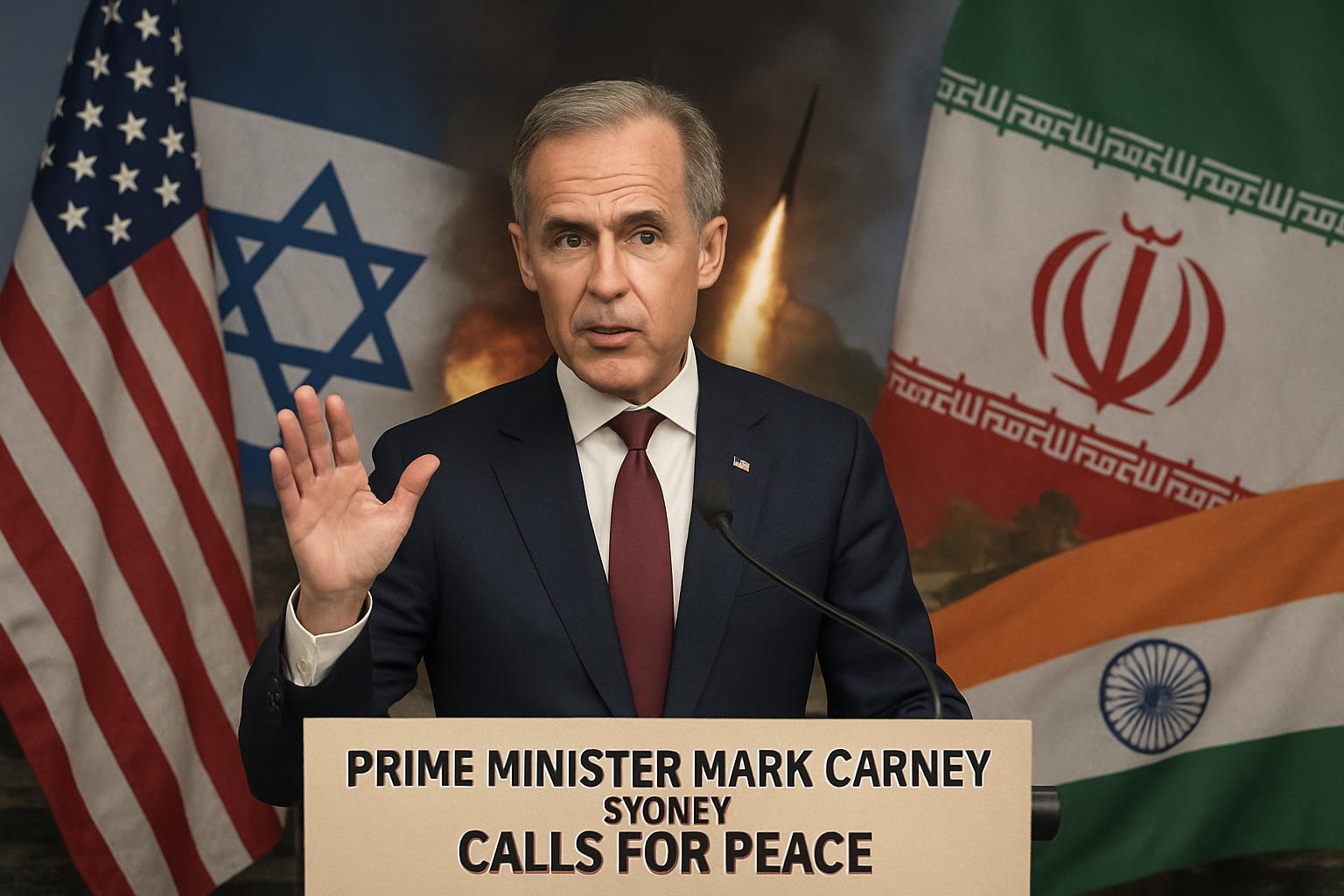
Canada Calls for De-escalation Amid US-Israel Strikes on Iran

US-Iran Tensions Escalate Amid Renewed Nuclear Talks and Protests
Lebanon Faces Tensions as Hezbollah Rejects Disarmament Plan Amid US Pressure
In This Article
 Ethan Brooks| Published
 HIGHLIGHTS
- Hezbollah has rejected Lebanon's decision to centralize arms control under the state, calling it a "grave sin" and attributing it to US influence.
- The Lebanese government, under US pressure, has tasked the army with drafting a plan to monopolize arms by the end of the year.
- Hezbollah's refusal to disarm comes amid ongoing Israeli strikes, which Israel claims are necessary to prevent the group from rearming.
- The US has proposed Hezbollah's disarmament in exchange for Israel withdrawing from occupied areas in southern Lebanon.
- Lebanon faces a precarious situation, balancing between potential conflict with Israel and internal strife with Hezbollah.
Lebanon is navigating a complex political landscape as Hezbollah, the influential Shia militant and political group, has dismissed the government's recent decision to centralize arms control under state authority. The move, announced by Lebanon's cabinet on Tuesday, aims to consolidate all arms within the military's control by the year's end. However, Hezbollah has labeled this decision a "grave sin" and accused the government of succumbing to American "diktats."
Hezbollah's Defiant Stance
Despite international calls for disarmament, Hezbollah remains steadfast in retaining its arsenal. The group, which suffered significant losses in last year's conflict with Israel, maintains that it will not discuss disarmament while Israeli attacks continue. Hezbollah's leader, Naim Qassem, emphasized in a televised address that the group's weapons are non-negotiable under current conditions, citing ongoing Israeli aggression as a breach of the ceasefire agreement.
US Influence and Regional Dynamics
The United States has been a significant force behind Lebanon's push for disarmament, proposing a roadmap that includes Hezbollah's disarmament in exchange for Israel's withdrawal from occupied territories in southern Lebanon. This proposal underscores the delicate balance Lebanon must maintain to avoid escalating tensions with Israel while managing internal dynamics with Hezbollah.
Lebanon's Strategic Dilemma
The Lebanese government, led by Prime Minister Nawaf Salam, is caught between external pressures and internal stability. The cabinet's decision to task the army with drafting a disarmament plan reflects a cautious approach to state-building, aiming to integrate Hezbollah's base into the national framework without provoking confrontation. However, the risk of alienating the Shia Muslim population, who largely support Hezbollah, remains a significant concern.
WHAT THIS MIGHT MEAN
Lebanon's path forward is fraught with challenges as it attempts to navigate the competing demands of international diplomacy and domestic stability. Should Hezbollah continue to resist disarmament, the Lebanese government may face increased pressure from the US and its allies, potentially leading to heightened tensions with Israel. Conversely, a heavy-handed approach could provoke internal unrest, alienating Hezbollah's support base and destabilizing the fragile political landscape. Experts suggest that a balanced strategy, focusing on dialogue and gradual integration, may offer the best chance for Lebanon to achieve long-term stability and security.
Related Articles
Senate Blocks Resolution to Limit Trump's Military Actions in Iran
Iran Postpones Khamenei Funeral Amid Escalating US-Israeli Strikes
US and Israel Intensify Military Campaign as Iran's Capabilities Dwindle
Intensified US-Israel Strikes on Iran Spark Global Outcry
Canada Calls for De-escalation Amid US-Israel Strikes on Iran
US-Iran Tensions Escalate Amid Renewed Nuclear Talks and Protests