
High Court Grants Palestine Action Right to Challenge UK Ban
In This Article
HIGHLIGHTS
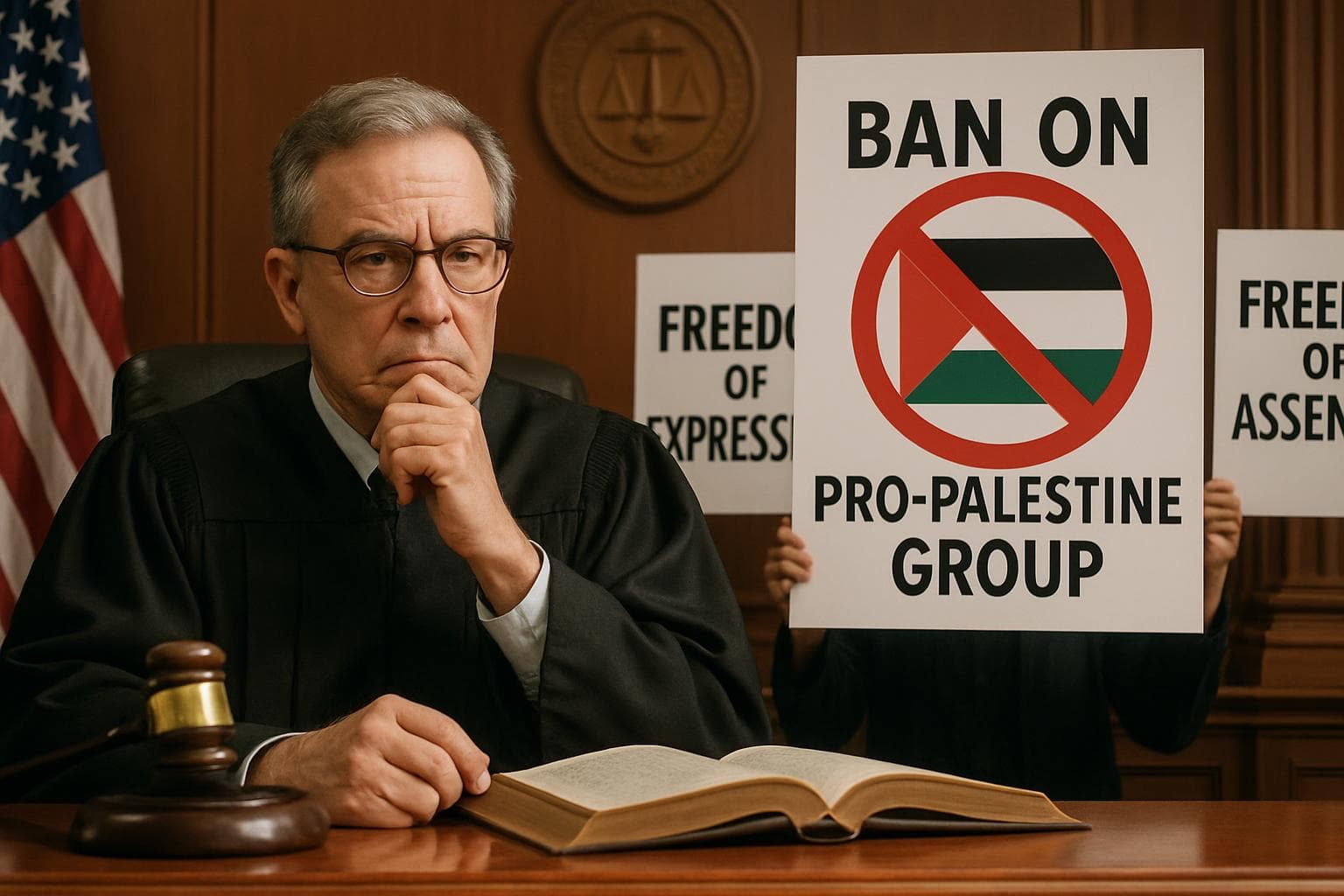
- Palestine Action has been granted permission to challenge its ban under UK terrorism legislation, with a High Court review set for November.
- The ban, imposed by Home Secretary Yvette Cooper, criminalizes support for the group, potentially leading to 14-year prison sentences.
- Mr Justice Chamberlain highlighted potential conflicts with freedom of speech and assembly rights under the European Convention on Human Rights.
- Over 200 arrests have been made since the ban, raising concerns about its chilling effect on legitimate political speech.
- The judicial review aims to address the legality of the proscription order, which could otherwise lead to inconsistent legal outcomes.
In a landmark decision, the High Court has granted Palestine Action permission to challenge its proscription under UK terrorism legislation. The group, known for its direct action protests against defense firms linked to Israel, was banned last month by Home Secretary Yvette Cooper. The ban, which criminalizes membership and support for the group, could result in up to 14 years of imprisonment.
Legal Context and Human Rights Concerns
Mr Justice Chamberlain, presiding over the case, emphasized the potential conflict between the ban and the rights to freedom of expression and assembly as enshrined in the European Convention on Human Rights. He noted that the proscription order could have a "chilling effect" on legitimate political speech, citing instances where individuals were threatened with arrest for expressing support for Palestine Action.
Impact and Public Reaction
Since the ban's implementation on July 5, more than 200 individuals have been arrested, sparking public outcry and concerns about the suppression of political dissent. Huda Ammori, co-founder of Palestine Action, described the court's decision as a "landmark" moment, particularly given the recent arrests of protesters, many of whom are elderly citizens.
Judicial Review and Future Proceedings
The High Court's decision to allow a judicial review, scheduled for November, is unprecedented for a group banned under anti-terrorism laws. The review will scrutinize the decision-making process of the Home Secretary and assess the legality of the proscription order. Mr Justice Chamberlain highlighted the urgency of resolving the matter to prevent "chaos" in the legal system, as differing court decisions could arise from ongoing prosecutions.
WHAT THIS MIGHT MEAN
The upcoming judicial review could have significant implications for the legal landscape surrounding protest groups in the UK. If the court finds the proscription order unlawful, it may set a precedent for challenging similar bans in the future, potentially reshaping the balance between national security and civil liberties. Legal experts suggest that a ruling in favor of Palestine Action could lead to increased scrutiny of the Home Office's use of terrorism legislation, particularly concerning its impact on freedom of speech and assembly. As the case unfolds, it will likely attract international attention, given the broader implications for human rights and protest movements worldwide.
Related Articles
UK Government to Reform Asylum Seeker Support and Employment Policies

UK Faces Dilemmas Amid Iran Conflict and China Spying Allegations

UK Reinforces Military Presence in Cyprus Amid Middle East Tensions

UK-Iran Tensions: Starmer Defends Cautious Approach Amid Trump Criticism
Persistent Safety Concerns in Nottingham Maternity Services Amidst Calls for Systemic Reform
Diplomatic Tensions Rise as Trump Criticizes Starmer's Iran Policy
High Court Grants Palestine Action Right to Challenge UK Ban
In This Article
 Ethan Brooks| Published
 HIGHLIGHTS
- Palestine Action has been granted permission to challenge its ban under UK terrorism legislation, with a High Court review set for November.
- The ban, imposed by Home Secretary Yvette Cooper, criminalizes support for the group, potentially leading to 14-year prison sentences.
- Mr Justice Chamberlain highlighted potential conflicts with freedom of speech and assembly rights under the European Convention on Human Rights.
- Over 200 arrests have been made since the ban, raising concerns about its chilling effect on legitimate political speech.
- The judicial review aims to address the legality of the proscription order, which could otherwise lead to inconsistent legal outcomes.
In a landmark decision, the High Court has granted Palestine Action permission to challenge its proscription under UK terrorism legislation. The group, known for its direct action protests against defense firms linked to Israel, was banned last month by Home Secretary Yvette Cooper. The ban, which criminalizes membership and support for the group, could result in up to 14 years of imprisonment.
Legal Context and Human Rights Concerns
Mr Justice Chamberlain, presiding over the case, emphasized the potential conflict between the ban and the rights to freedom of expression and assembly as enshrined in the European Convention on Human Rights. He noted that the proscription order could have a "chilling effect" on legitimate political speech, citing instances where individuals were threatened with arrest for expressing support for Palestine Action.
Impact and Public Reaction
Since the ban's implementation on July 5, more than 200 individuals have been arrested, sparking public outcry and concerns about the suppression of political dissent. Huda Ammori, co-founder of Palestine Action, described the court's decision as a "landmark" moment, particularly given the recent arrests of protesters, many of whom are elderly citizens.
Judicial Review and Future Proceedings
The High Court's decision to allow a judicial review, scheduled for November, is unprecedented for a group banned under anti-terrorism laws. The review will scrutinize the decision-making process of the Home Secretary and assess the legality of the proscription order. Mr Justice Chamberlain highlighted the urgency of resolving the matter to prevent "chaos" in the legal system, as differing court decisions could arise from ongoing prosecutions.
WHAT THIS MIGHT MEAN
The upcoming judicial review could have significant implications for the legal landscape surrounding protest groups in the UK. If the court finds the proscription order unlawful, it may set a precedent for challenging similar bans in the future, potentially reshaping the balance between national security and civil liberties. Legal experts suggest that a ruling in favor of Palestine Action could lead to increased scrutiny of the Home Office's use of terrorism legislation, particularly concerning its impact on freedom of speech and assembly. As the case unfolds, it will likely attract international attention, given the broader implications for human rights and protest movements worldwide.
Related Articles
UK Government to Reform Asylum Seeker Support and Employment Policies
UK Faces Dilemmas Amid Iran Conflict and China Spying Allegations
UK Reinforces Military Presence in Cyprus Amid Middle East Tensions
UK-Iran Tensions: Starmer Defends Cautious Approach Amid Trump Criticism
Persistent Safety Concerns in Nottingham Maternity Services Amidst Calls for Systemic Reform
Diplomatic Tensions Rise as Trump Criticizes Starmer's Iran Policy