
Historic London Markets to Relocate to Royal Docks
In This Article
HIGHLIGHTS
- Smithfield and Billingsgate markets are set to relocate to Albert Island in the Royal Docks, east London, pending parliamentary approval.
- The move is expected to generate £750 million in local expenditure and create over 2,200 jobs in Newham.
- The relocation follows the abandonment of a previous plan to move the markets to Dagenham due to rising costs.
- The City of London Corporation is collaborating with the Greater London Authority and Newham Council on this project.
- The markets' relocation requires an Act of Parliament to close the existing sites and planning permission from Newham Council.
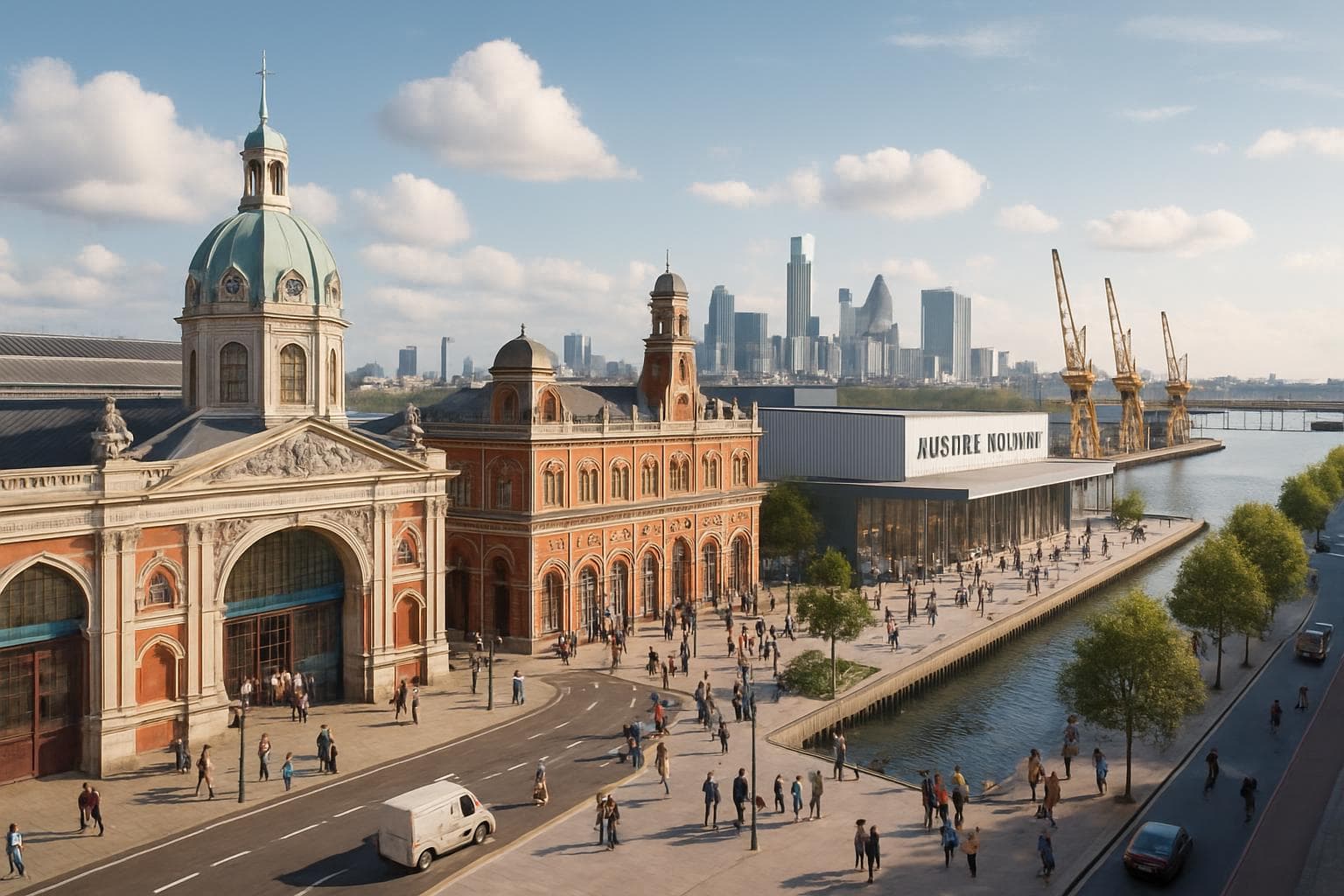
The centuries-old Smithfield and Billingsgate markets are poised for a significant move to a new location at Albert Island in the Royal Docks, east London. This development comes after the City of London Corporation, which manages these historic markets, announced plans to relocate them to a site earmarked for regeneration. The move aims to secure the future of these iconic wholesale markets while contributing to local economic growth.
A New Chapter for Historic Markets
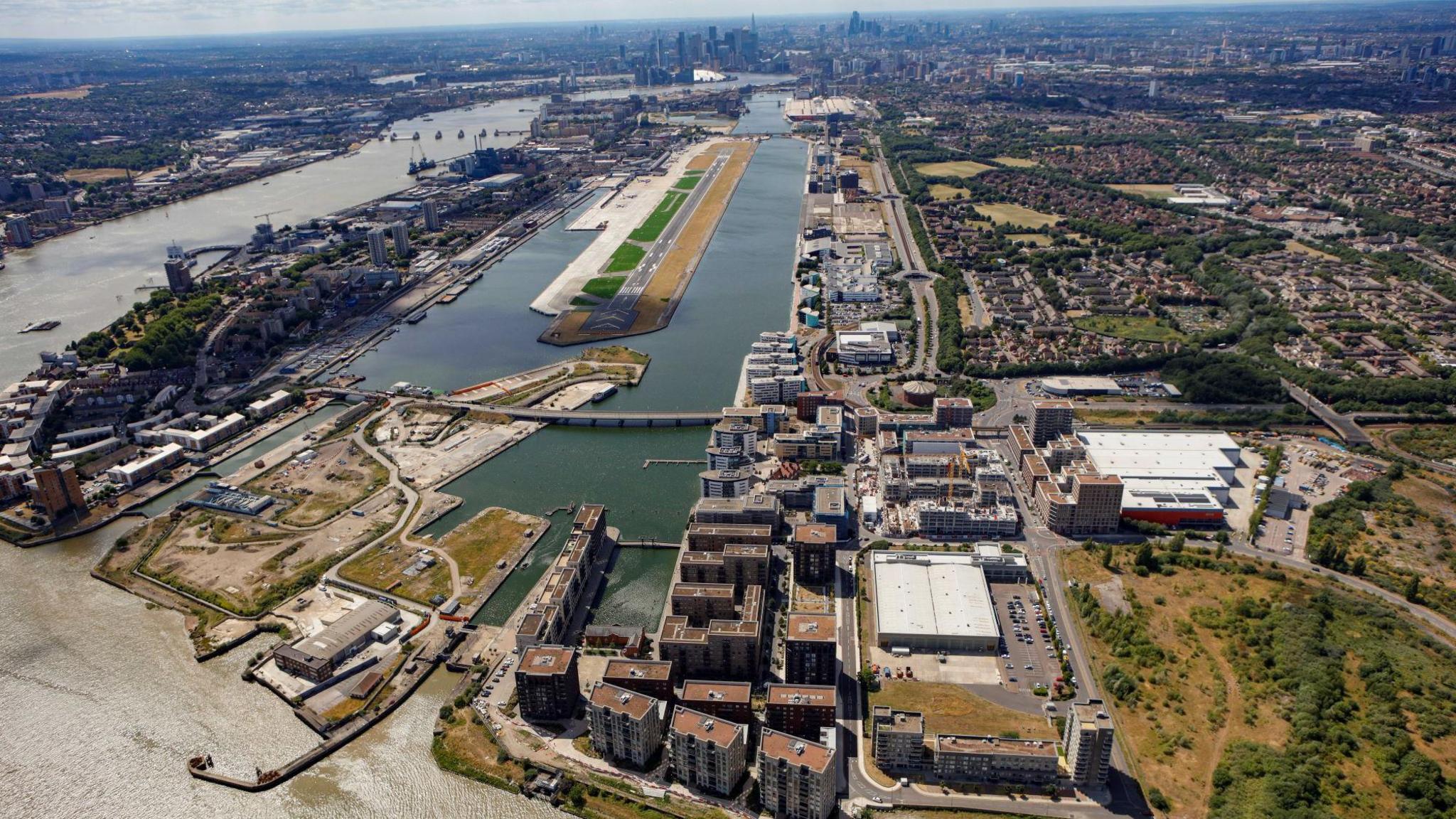
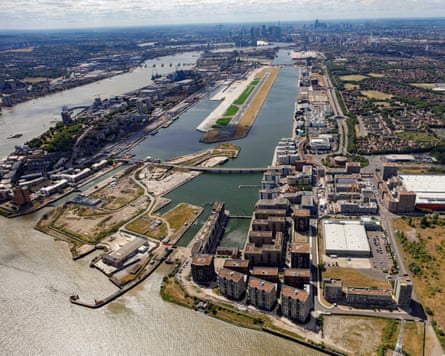
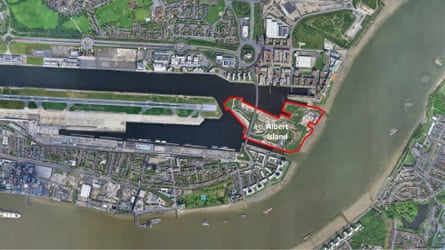
Smithfield Market, the largest wholesale meat market in the UK, and Billingsgate Market, the country's largest inland fish market, have been central to London's food trade for centuries. The relocation to Albert Island, a 25-acre site near London City Airport, is expected to generate £750 million in local expenditure and create over 2,200 jobs in Newham, one of London's most deprived boroughs.
The decision to move follows the abandonment of a previous plan to relocate the markets to Dagenham, which was scrapped due to escalating costs. The City of London Corporation, in collaboration with the Greater London Authority and Newham Council, is spearheading this initiative, which also includes plans for a new shipyard and marina.
Legal and Community Considerations
The relocation is contingent upon the passage of an Act of Parliament to close the existing market sites, as they were established by historical legislation. Additionally, planning permission from Newham Council is required. The City of London Corporation has been working closely with market traders to ensure a smooth transition, with most traders agreeing to the move.
Greg Lawrence, chairman of the Smithfield Markets Traders' Association, expressed optimism about the relocation, stating, "This location offers traders the space and opportunity to grow our businesses while continuing to serve customers across London and the south-east."
WHAT THIS MIGHT MEAN
The relocation of Smithfield and Billingsgate markets to the Royal Docks represents a significant shift in London's wholesale market landscape. If the necessary parliamentary approval and planning permissions are secured, the move could bolster Newham's economy and enhance food security in the region. However, the transition may face challenges, including potential opposition from traders and local businesses concerned about the impact on their operations.
The City of London Corporation's commitment to supporting traders through this transition will be crucial in mitigating disruptions. As the project progresses, it will be essential to balance the preservation of these historic markets' legacy with the demands of modern urban development.
Images from the Web
Related Articles

Ford UK Warns Against New Electric Vehicle Taxes Amid Fragile Demand

High Court Dismisses Legal Challenge Over Transgender Access to Hampstead Ponds

Abandoned Siblings in East London Find New Families and Reunite

Barbican to Undergo £191m Renovation, Closing for a Year in 2028

Historic Return of White Storks to London Marks New Era for Urban Wildlife

Conservationists Unite to Rescue London's Endangered German Hairy Snail
Historic London Markets to Relocate to Royal Docks
In This Article
 Daniel Rivera| Published
 HIGHLIGHTS
- Smithfield and Billingsgate markets are set to relocate to Albert Island in the Royal Docks, east London, pending parliamentary approval.
- The move is expected to generate £750 million in local expenditure and create over 2,200 jobs in Newham.
- The relocation follows the abandonment of a previous plan to move the markets to Dagenham due to rising costs.
- The City of London Corporation is collaborating with the Greater London Authority and Newham Council on this project.
- The markets' relocation requires an Act of Parliament to close the existing sites and planning permission from Newham Council.
The centuries-old Smithfield and Billingsgate markets are poised for a significant move to a new location at Albert Island in the Royal Docks, east London. This development comes after the City of London Corporation, which manages these historic markets, announced plans to relocate them to a site earmarked for regeneration. The move aims to secure the future of these iconic wholesale markets while contributing to local economic growth.
A New Chapter for Historic Markets
Smithfield Market, the largest wholesale meat market in the UK, and Billingsgate Market, the country's largest inland fish market, have been central to London's food trade for centuries. The relocation to Albert Island, a 25-acre site near London City Airport, is expected to generate £750 million in local expenditure and create over 2,200 jobs in Newham, one of London's most deprived boroughs.
The decision to move follows the abandonment of a previous plan to relocate the markets to Dagenham, which was scrapped due to escalating costs. The City of London Corporation, in collaboration with the Greater London Authority and Newham Council, is spearheading this initiative, which also includes plans for a new shipyard and marina.
Legal and Community Considerations
The relocation is contingent upon the passage of an Act of Parliament to close the existing market sites, as they were established by historical legislation. Additionally, planning permission from Newham Council is required. The City of London Corporation has been working closely with market traders to ensure a smooth transition, with most traders agreeing to the move.
Greg Lawrence, chairman of the Smithfield Markets Traders' Association, expressed optimism about the relocation, stating, "This location offers traders the space and opportunity to grow our businesses while continuing to serve customers across London and the south-east."
WHAT THIS MIGHT MEAN
The relocation of Smithfield and Billingsgate markets to the Royal Docks represents a significant shift in London's wholesale market landscape. If the necessary parliamentary approval and planning permissions are secured, the move could bolster Newham's economy and enhance food security in the region. However, the transition may face challenges, including potential opposition from traders and local businesses concerned about the impact on their operations.
The City of London Corporation's commitment to supporting traders through this transition will be crucial in mitigating disruptions. As the project progresses, it will be essential to balance the preservation of these historic markets' legacy with the demands of modern urban development.
Images from the Web
Related Articles
Ford UK Warns Against New Electric Vehicle Taxes Amid Fragile Demand
High Court Dismisses Legal Challenge Over Transgender Access to Hampstead Ponds
Abandoned Siblings in East London Find New Families and Reunite
Barbican to Undergo £191m Renovation, Closing for a Year in 2028
Historic Return of White Storks to London Marks New Era for Urban Wildlife
Conservationists Unite to Rescue London's Endangered German Hairy Snail