
Tensions Rise in Honduras Amid Allegations of Electoral Manipulation and US Interference
In This Article
HIGHLIGHTS
- Salvador Nasralla and Rixi Moncada have accused the electoral council of vote manipulation in Honduras's presidential election.
- Nasry Asfura, backed by Donald Trump, leads the race with 40.52% of the vote, narrowly ahead of Nasralla.
- President Xiomara Castro and Moncada have condemned Trump's alleged interference, calling it an "electoral coup."
- The election count has faced delays due to technical issues and alleged inconsistencies in voting records.
- Former president Juan Orlando Hernández, an ally of Asfura, was pardoned by Trump, raising further tensions.
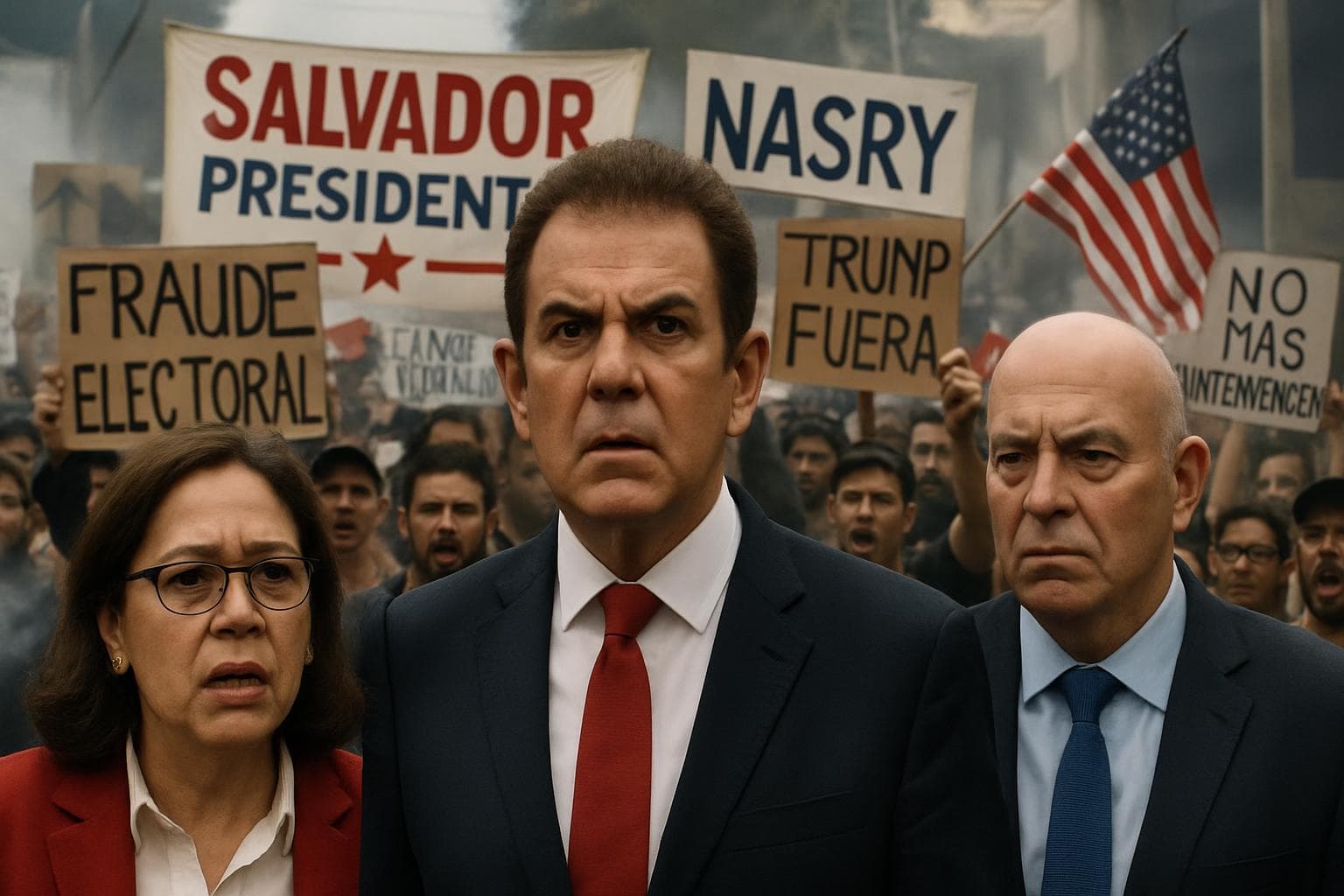
In the wake of Honduras's contentious presidential election, accusations of vote manipulation and foreign interference have sparked significant unrest. Salvador Nasralla, a centrist candidate, and Rixi Moncada, representing the left, have both alleged that the electoral process has been compromised. Nasralla, who initially led the count, has accused "corrupt people" of manipulating the results, while Moncada has called for the annulment of the election, citing interference from former US President Donald Trump.
Allegations of Electoral Fraud
With 99.4% of the votes counted, <a href="/news/tag/nasry-"tito"-asfura" class="text-blue-600">Nasry "Tito" Asfura, a conservative candidate and former mayor of Tegucigalpa, holds a narrow lead with 40.52% of the vote. Nasralla trails closely with 39.48%, while Moncada remains in third place with 19.29%. The National Electoral Council (CNE) has faced criticism for delays in the vote count, attributed to technical problems and inconsistencies in voting records. Under Honduran law, the CNE has until December 30 to declare a winner.
Trump's Controversial Role
The election has been further complicated by Trump's vocal support for Asfura. Trump endorsed Asfura, stating that the US would only support the next government if he won. This endorsement, coupled with Trump's pardon of former Honduran president Juan Orlando Hernández, has fueled allegations of US interference. Hernández, who was serving a 45-year sentence in the US for drug trafficking, was released following the pardon, a move that has shocked Honduran authorities.
Political Reactions and Public Unrest
President Xiomara Castro has condemned Trump's actions, describing them as an "electoral coup" and a violation of Honduran sovereignty. Moncada, a former finance minister under Castro, echoed these sentiments, urging the Honduran people to reject elections marked by manipulation and interference. The political climate remains tense, with calls for public protests against the perceived foreign influence in the election.
WHAT THIS MIGHT MEAN
As the December 30 deadline approaches, the CNE faces mounting pressure to resolve the electoral dispute and declare a winner. If the allegations of manipulation and interference persist, Honduras could experience significant political instability. The international community may also become involved, potentially leading to diplomatic tensions between Honduras and the United States. Experts suggest that a transparent and fair resolution process is crucial to maintaining democratic integrity and public trust in Honduras's electoral system.
Related Articles
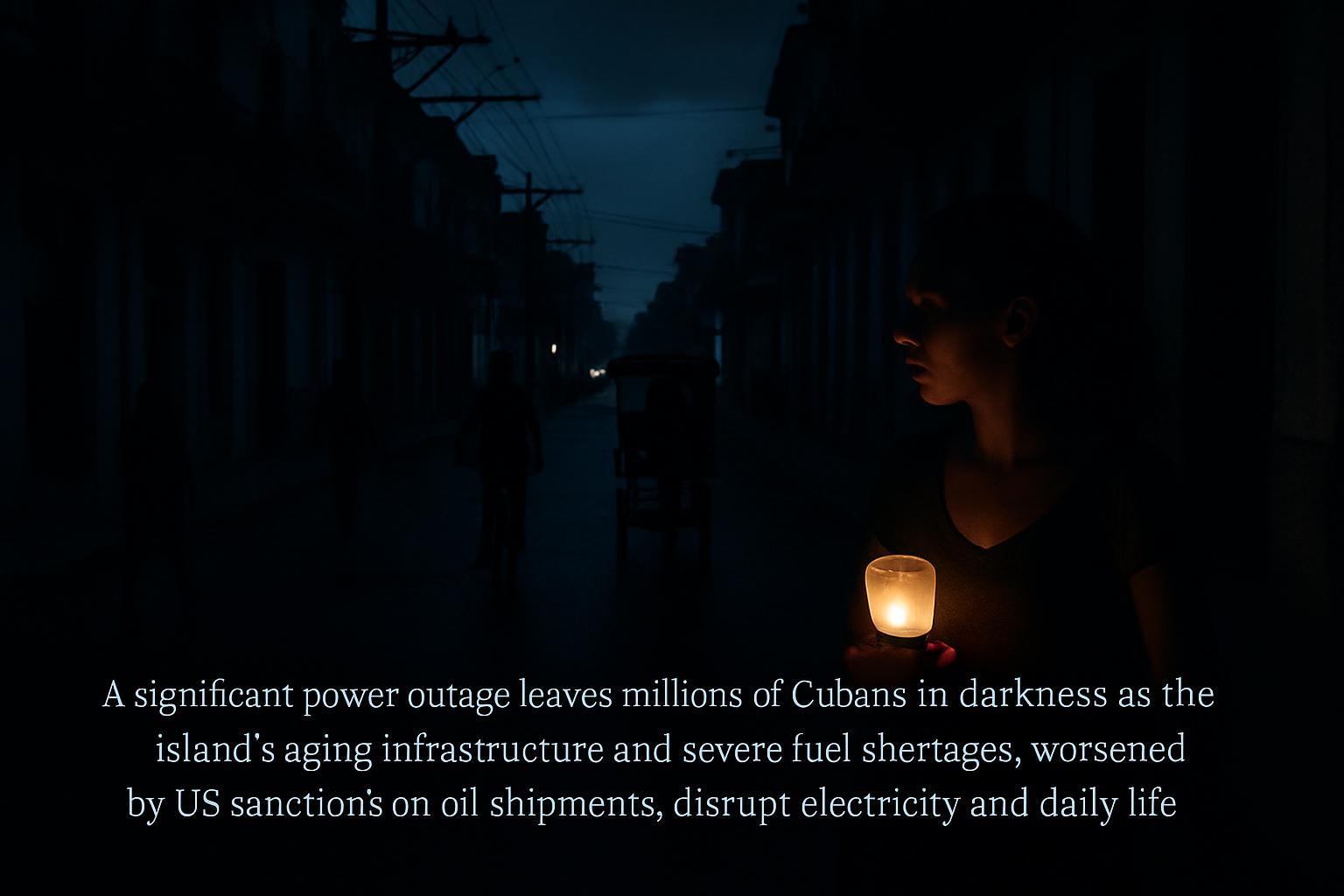
Cuba Faces Widespread Blackout Amid Deepening Fuel Crisis
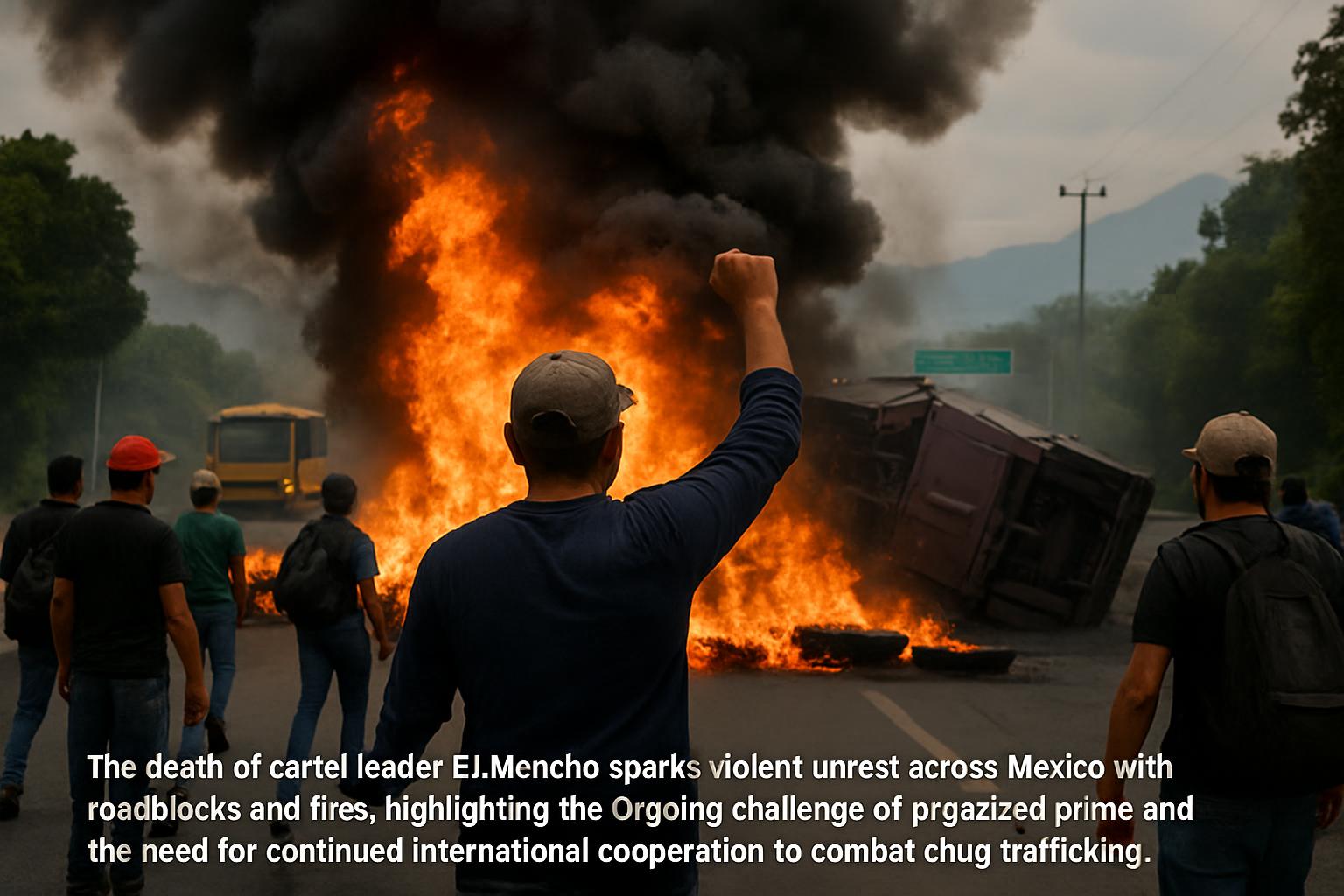
El Mencho's Death Sparks Violent Unrest Across Mexico

UK Faces Dilemmas Amid Iran Conflict and China Spying Allegations
Spain's Sánchez Stands Firm Against Trump's Trade Threat Over Iran Stance
China Sets Lowest GDP Growth Target in Decades Amid Economic Challenges

Tech Giants Pledge to Cover AI Data Center Energy Costs Amid Rising Electricity Concerns
Tensions Rise in Honduras Amid Allegations of Electoral Manipulation and US Interference
In This Article
HIGHLIGHTS
- Salvador Nasralla and Rixi Moncada have accused the electoral council of vote manipulation in Honduras's presidential election.
- Nasry Asfura, backed by Donald Trump, leads the race with 40.52% of the vote, narrowly ahead of Nasralla.
- President Xiomara Castro and Moncada have condemned Trump's alleged interference, calling it an "electoral coup."
- The election count has faced delays due to technical issues and alleged inconsistencies in voting records.
- Former president Juan Orlando Hernández, an ally of Asfura, was pardoned by Trump, raising further tensions.
In the wake of Honduras's contentious presidential election, accusations of vote manipulation and foreign interference have sparked significant unrest. Salvador Nasralla, a centrist candidate, and Rixi Moncada, representing the left, have both alleged that the electoral process has been compromised. Nasralla, who initially led the count, has accused "corrupt people" of manipulating the results, while Moncada has called for the annulment of the election, citing interference from former US President Donald Trump.
Allegations of Electoral Fraud
With 99.4% of the votes counted, <a href="/news/tag/nasry-"tito"-asfura" class="text-blue-600">Nasry "Tito" Asfura, a conservative candidate and former mayor of Tegucigalpa, holds a narrow lead with 40.52% of the vote. Nasralla trails closely with 39.48%, while Moncada remains in third place with 19.29%. The National Electoral Council (CNE) has faced criticism for delays in the vote count, attributed to technical problems and inconsistencies in voting records. Under Honduran law, the CNE has until December 30 to declare a winner.
Trump's Controversial Role
The election has been further complicated by Trump's vocal support for Asfura. Trump endorsed Asfura, stating that the US would only support the next government if he won. This endorsement, coupled with Trump's pardon of former Honduran president Juan Orlando Hernández, has fueled allegations of US interference. Hernández, who was serving a 45-year sentence in the US for drug trafficking, was released following the pardon, a move that has shocked Honduran authorities.
Political Reactions and Public Unrest
President Xiomara Castro has condemned Trump's actions, describing them as an "electoral coup" and a violation of Honduran sovereignty. Moncada, a former finance minister under Castro, echoed these sentiments, urging the Honduran people to reject elections marked by manipulation and interference. The political climate remains tense, with calls for public protests against the perceived foreign influence in the election.
WHAT THIS MIGHT MEAN
As the December 30 deadline approaches, the CNE faces mounting pressure to resolve the electoral dispute and declare a winner. If the allegations of manipulation and interference persist, Honduras could experience significant political instability. The international community may also become involved, potentially leading to diplomatic tensions between Honduras and the United States. Experts suggest that a transparent and fair resolution process is crucial to maintaining democratic integrity and public trust in Honduras's electoral system.
Related Articles
Cuba Faces Widespread Blackout Amid Deepening Fuel Crisis
El Mencho's Death Sparks Violent Unrest Across Mexico
UK Faces Dilemmas Amid Iran Conflict and China Spying Allegations
Spain's Sánchez Stands Firm Against Trump's Trade Threat Over Iran Stance
China Sets Lowest GDP Growth Target in Decades Amid Economic Challenges
Tech Giants Pledge to Cover AI Data Center Energy Costs Amid Rising Electricity Concerns