
Hong Kong Fire Tragedy Sparks Arrests and Calls for Reform
In This Article
HIGHLIGHTS
- A devastating fire at Hong Kong's Wang Fuk Court complex has claimed at least 151 lives, with the death toll expected to rise.
- Hong Kong authorities have arrested 13 individuals, including construction company directors, on suspicion of manslaughter.
- Investigations reveal that non-compliant fire-retardant materials were used, contributing to the fire's rapid spread.
- Public outcry has intensified over safety violations and the arrest of civilians under national security laws for demanding accountability.
- Chief Executive John Lee has initiated an independent investigation to prevent future tragedies and address public safety concerns.
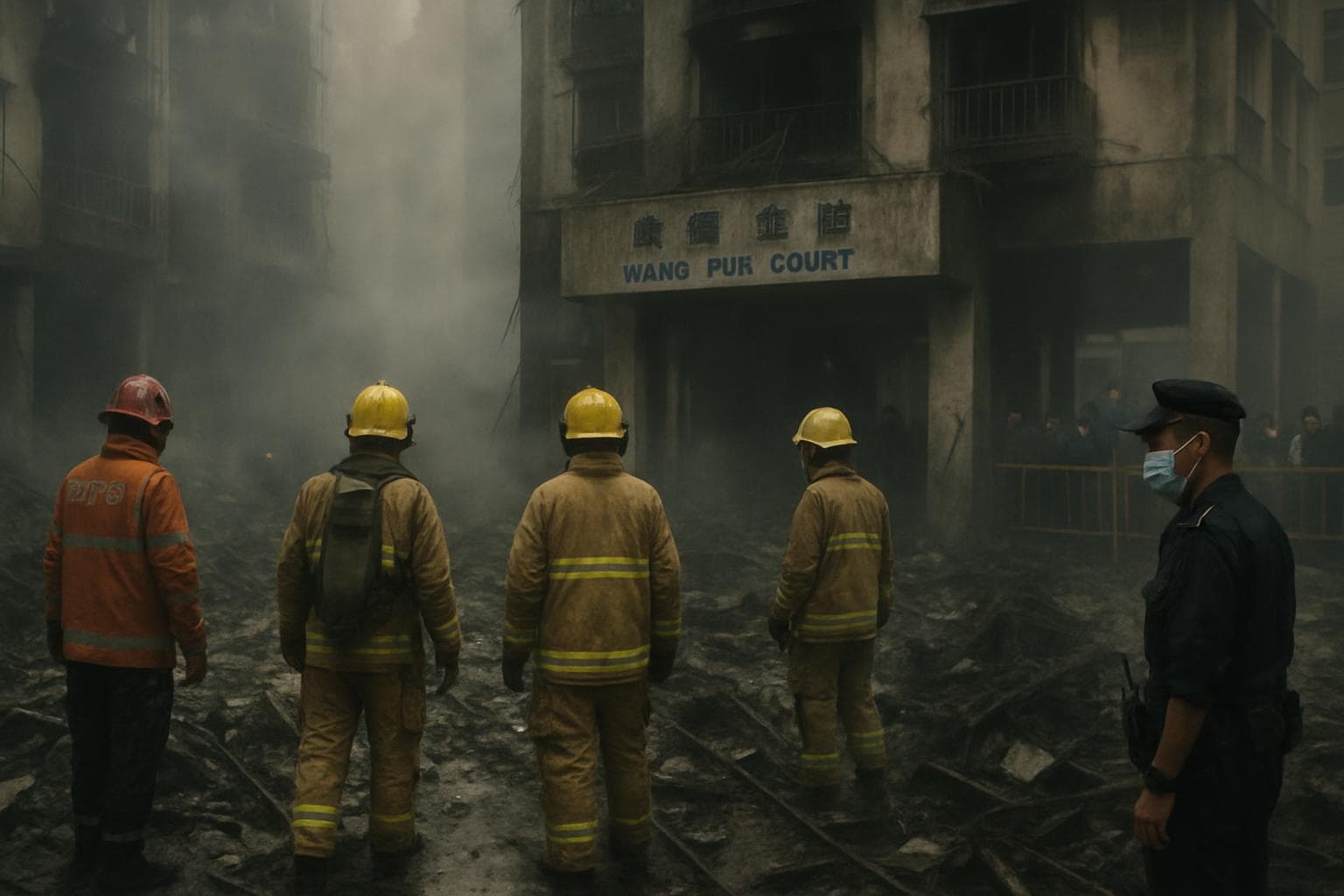
In the wake of a catastrophic fire at the Wang Fuk Court housing complex in Hong Kong, which has resulted in at least 151 fatalities, authorities have launched a comprehensive investigation and made several arrests. The blaze, which erupted last Wednesday, is the deadliest the city has experienced in over seven decades. As emergency services continue to search for the missing, the death toll is anticipated to rise further.
Investigation and Arrests
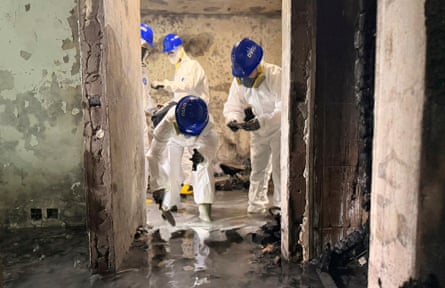
Hong Kong's Chief Executive, John Lee, has ordered the formation of an independent committee to investigate the fire's cause and prevent future incidents. The committee, led by a judge, aims to conduct a "comprehensive reform" of safety protocols. In connection with the fire, 13 individuals, including directors of a construction company, have been arrested on suspicion of manslaughter. The construction firm is accused of using non-compliant fire-retardant materials, which facilitated the fire's rapid spread across the complex.
Public Outcry and Legal Context
The incident has sparked public outrage, particularly over the alleged safety violations and the arrest of civilians under national security laws. Residents have expressed anger over the lack of accountability and enforcement of safety standards, with some having raised concerns about the renovations for over a year. The arrests of civilians, including a student and a former district councillor, for petitioning for accountability have drawn criticism from human rights organizations. Amnesty International has urged Hong Kong authorities to focus on a transparent investigation rather than silencing dissent.
Government Response and Safety Measures
In response to the tragedy, Hong Kong's buildings department has temporarily halted work on 30 private projects to reassess safety measures. Chief Executive Lee has acknowledged the need for reform, emphasizing the importance of addressing identified failures to prevent similar disasters. The investigation is expected to take several weeks, during which authorities will continue to gather evidence and assess the extent of safety violations.
WHAT THIS MIGHT MEAN
The ongoing investigation into the Wang Fuk Court fire could lead to significant legal and political ramifications in Hong Kong. If the committee's findings confirm widespread negligence, it may result in stricter enforcement of safety regulations and potential legal action against those responsible. The arrests under national security laws have already sparked a debate on civil liberties, potentially leading to increased scrutiny of Hong Kong's legal framework. As the city grapples with the aftermath, the government's handling of the situation will likely influence public trust and future policy decisions regarding public safety and accountability.
Images from the Web
Related Articles
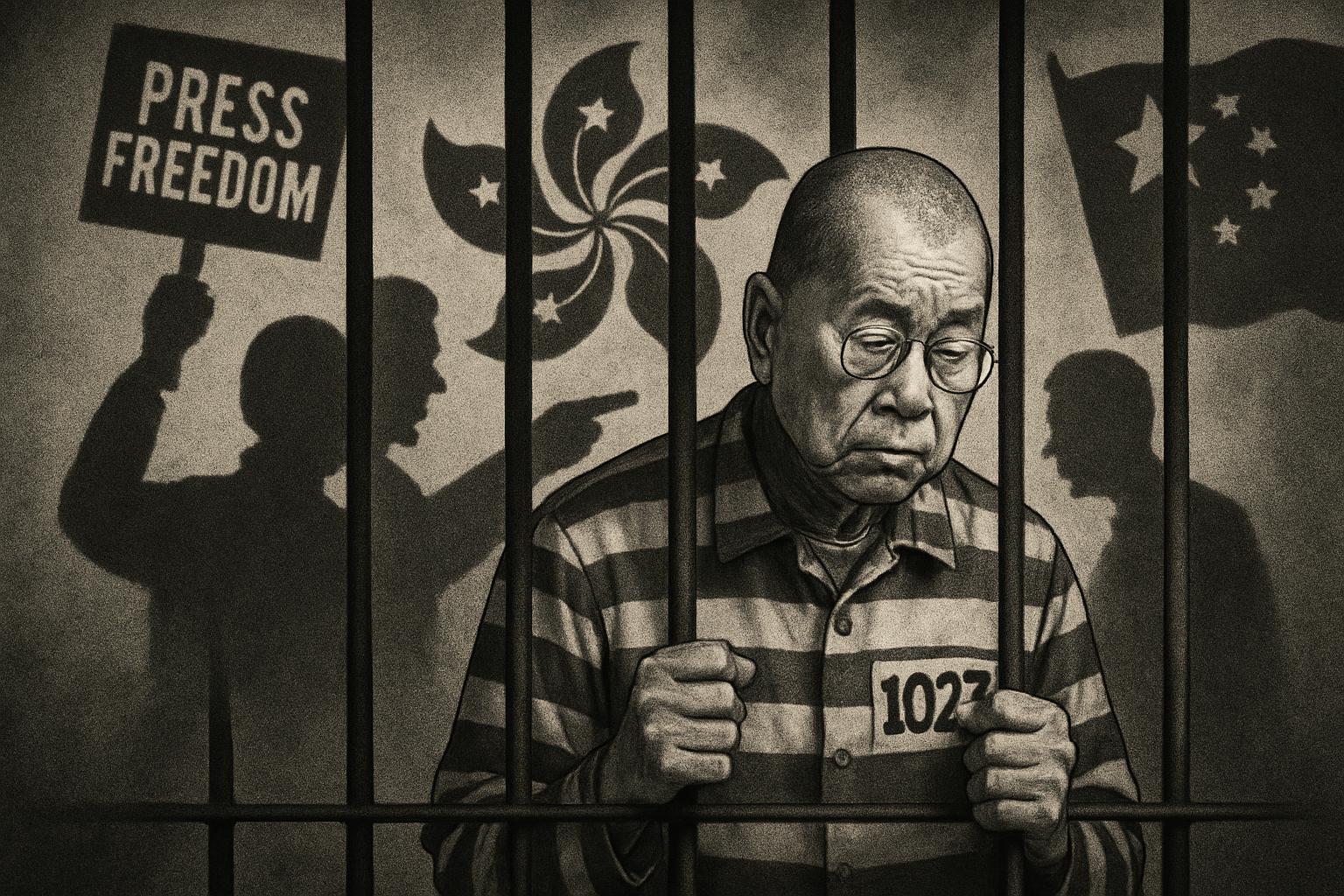
Jimmy Lai Sentenced to 20 Years in Hong Kong: A Blow to Press Freedom and Pro-Democracy Activism
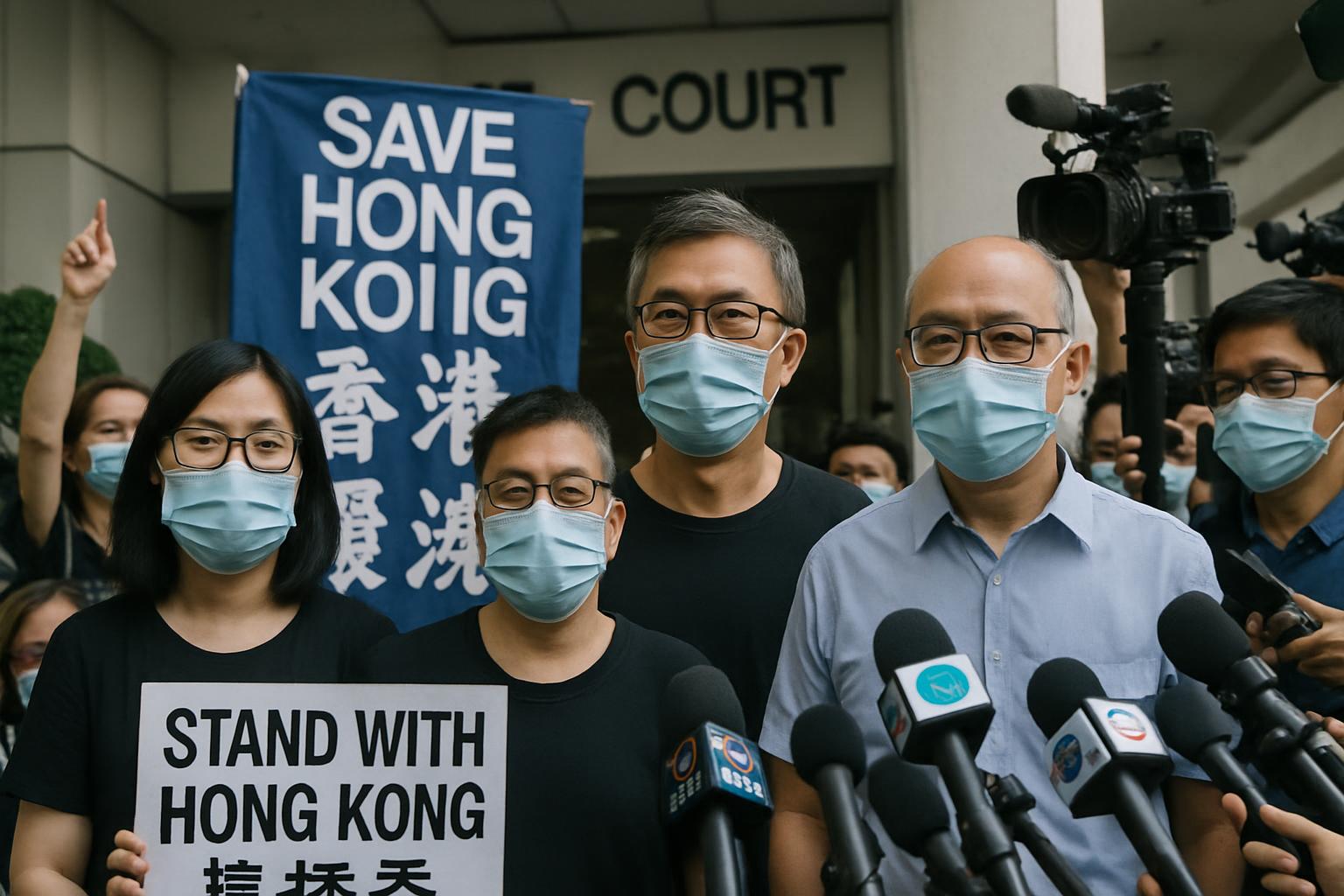
Hong Kong Activists on Trial for Tiananmen Vigil Under National Security Law
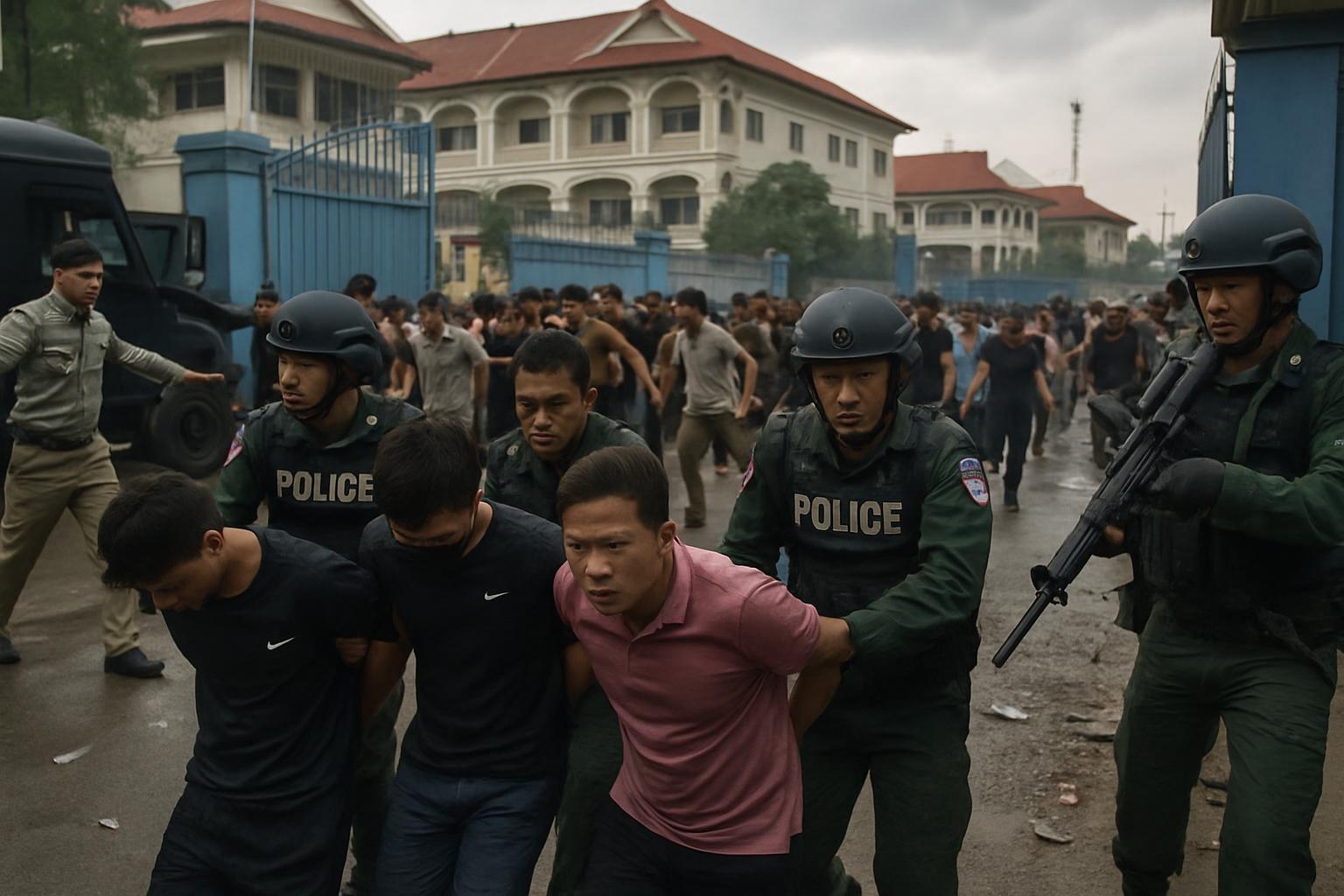
Cambodia's Crackdown on Scam Operations Intensifies Amid International Pressure
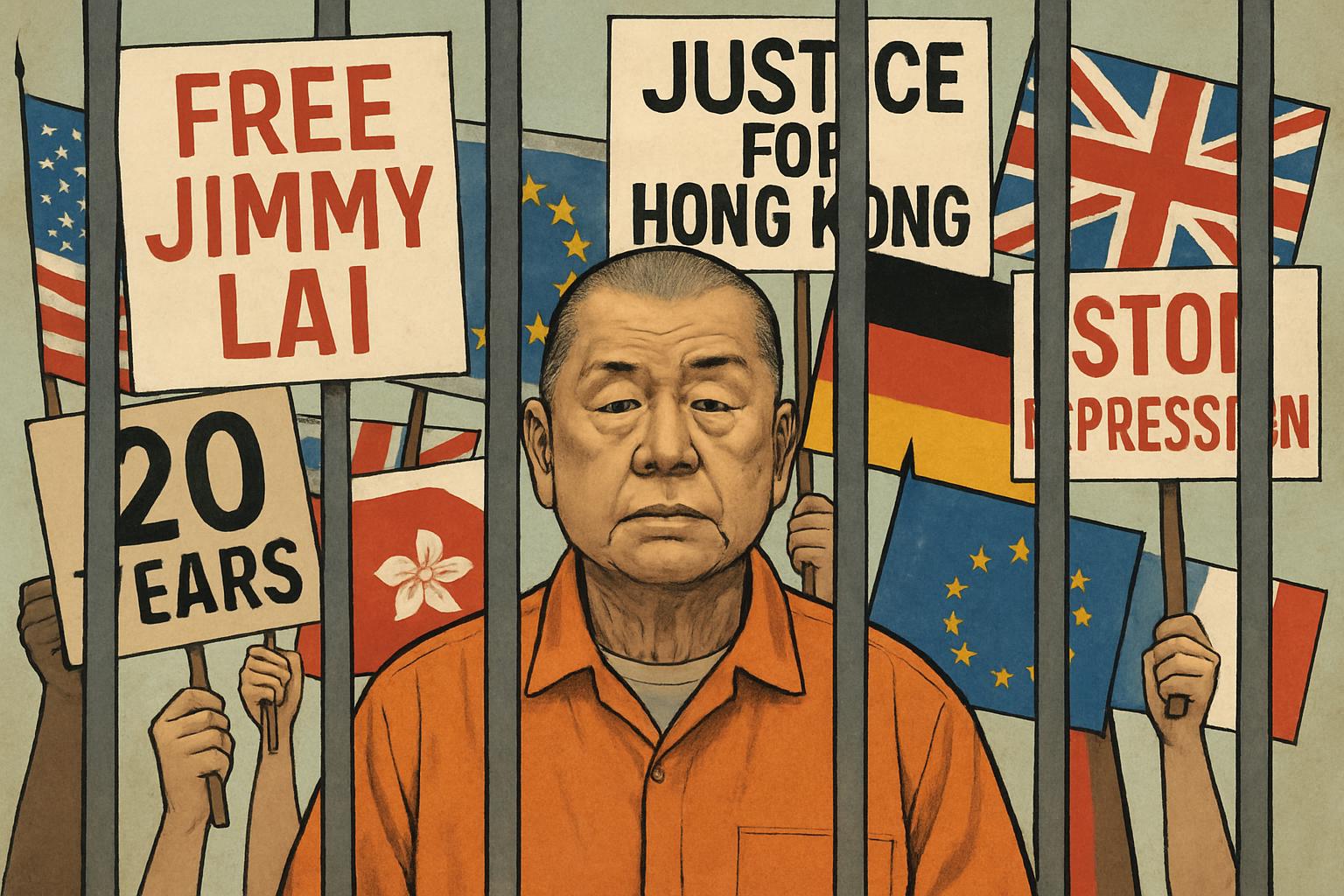
Jimmy Lai's 20-Year Sentence Sparks Global Outcry Over Hong Kong's National Security Law

Prince Andrew Under Scrutiny for Alleged Breach of Confidentiality in Epstein Scandal

Nigerian Villages Devastated by Deadly Jihadist Attack
Hong Kong Fire Tragedy Sparks Arrests and Calls for Reform
In This Article
 Sofia Romano| Published
 HIGHLIGHTS
- A devastating fire at Hong Kong's Wang Fuk Court complex has claimed at least 151 lives, with the death toll expected to rise.
- Hong Kong authorities have arrested 13 individuals, including construction company directors, on suspicion of manslaughter.
- Investigations reveal that non-compliant fire-retardant materials were used, contributing to the fire's rapid spread.
- Public outcry has intensified over safety violations and the arrest of civilians under national security laws for demanding accountability.
- Chief Executive John Lee has initiated an independent investigation to prevent future tragedies and address public safety concerns.
In the wake of a catastrophic fire at the Wang Fuk Court housing complex in Hong Kong, which has resulted in at least 151 fatalities, authorities have launched a comprehensive investigation and made several arrests. The blaze, which erupted last Wednesday, is the deadliest the city has experienced in over seven decades. As emergency services continue to search for the missing, the death toll is anticipated to rise further.
Investigation and Arrests
Hong Kong's Chief Executive, John Lee, has ordered the formation of an independent committee to investigate the fire's cause and prevent future incidents. The committee, led by a judge, aims to conduct a "comprehensive reform" of safety protocols. In connection with the fire, 13 individuals, including directors of a construction company, have been arrested on suspicion of manslaughter. The construction firm is accused of using non-compliant fire-retardant materials, which facilitated the fire's rapid spread across the complex.
Public Outcry and Legal Context
The incident has sparked public outrage, particularly over the alleged safety violations and the arrest of civilians under national security laws. Residents have expressed anger over the lack of accountability and enforcement of safety standards, with some having raised concerns about the renovations for over a year. The arrests of civilians, including a student and a former district councillor, for petitioning for accountability have drawn criticism from human rights organizations. Amnesty International has urged Hong Kong authorities to focus on a transparent investigation rather than silencing dissent.
Government Response and Safety Measures
In response to the tragedy, Hong Kong's buildings department has temporarily halted work on 30 private projects to reassess safety measures. Chief Executive Lee has acknowledged the need for reform, emphasizing the importance of addressing identified failures to prevent similar disasters. The investigation is expected to take several weeks, during which authorities will continue to gather evidence and assess the extent of safety violations.
WHAT THIS MIGHT MEAN
The ongoing investigation into the Wang Fuk Court fire could lead to significant legal and political ramifications in Hong Kong. If the committee's findings confirm widespread negligence, it may result in stricter enforcement of safety regulations and potential legal action against those responsible. The arrests under national security laws have already sparked a debate on civil liberties, potentially leading to increased scrutiny of Hong Kong's legal framework. As the city grapples with the aftermath, the government's handling of the situation will likely influence public trust and future policy decisions regarding public safety and accountability.
Images from the Web
Related Articles
Jimmy Lai Sentenced to 20 Years in Hong Kong: A Blow to Press Freedom and Pro-Democracy Activism
Hong Kong Activists on Trial for Tiananmen Vigil Under National Security Law
Cambodia's Crackdown on Scam Operations Intensifies Amid International Pressure
Jimmy Lai's 20-Year Sentence Sparks Global Outcry Over Hong Kong's National Security Law
Prince Andrew Under Scrutiny for Alleged Breach of Confidentiality in Epstein Scandal
Nigerian Villages Devastated by Deadly Jihadist Attack