
Hong Kong High-Rise Fire: Tragedy Strikes Tai Po District

In This Article
HIGHLIGHTS
- A devastating fire in Hong Kong's Tai Po district has claimed at least 55 lives, with nearly 300 people still missing.
- The blaze at the Wang Fuk Court complex, which houses around 4,800 residents, was exacerbated by bamboo scaffolding and non-fireproof materials.
- Three men have been arrested on suspicion of manslaughter due to alleged negligence in the building's renovation.
- Over 900 people have been evacuated, and the fire remains partially uncontrolled, with rescue efforts ongoing.
- Hong Kong authorities are investigating the fire's cause and reviewing construction safety regulations, including the use of bamboo scaffolding.
A catastrophic fire has engulfed the Wang Fuk Court residential complex in Hong Kong's Tai Po district, resulting in at least 55 fatalities and leaving nearly 300 individuals unaccounted for. The blaze, which erupted on Wednesday afternoon, continues to challenge firefighters and rescue teams as they work tirelessly to control the flames and search for survivors.
The Fire's Rapid Spread
The fire, which began at approximately 2:52 PM local time, quickly spread across the eight 31-storey towers of the complex. The use of bamboo scaffolding and non-fireproof materials, such as plastic sheets and foam, is believed to have contributed to the rapid spread of the flames. Hong Kong is one of the few places where bamboo is still widely used in construction, a practice now under scrutiny due to safety concerns.
Arrests and Investigation
In the wake of the disaster, three men associated with the building's renovation have been arrested on suspicion of manslaughter. The suspects, including two directors and an engineering consultant, are accused of gross negligence that allegedly led to the fire's uncontrollable spread. Authorities have launched a comprehensive investigation, seizing documents from the construction company involved.
Rescue Efforts and Community Impact
More than 760 firefighters and 128 fire engines have been deployed to the scene, with rescue operations hampered by intense heat and falling debris. The fire has not yet been fully extinguished, and over 900 residents have been evacuated to temporary shelters. Among the deceased is a 37-year-old firefighter, highlighting the perilous conditions faced by emergency responders.
Government Response and Future Implications
Hong Kong's leader, John Lee, has expressed condolences to the victims' families and pledged full support for the ongoing rescue and investigation efforts. The tragedy has prompted a reevaluation of construction safety standards, particularly the use of bamboo scaffolding, which is being phased out in favor of fire-resistant materials.
WHAT THIS MIGHT MEAN
As the investigation into the Wang Fuk Court fire unfolds, Hong Kong authorities may face increased pressure to expedite the transition from bamboo scaffolding to safer alternatives. This incident could lead to stricter enforcement of fire safety regulations and a broader review of construction practices across the city. The arrests related to the fire may result in legal proceedings that could set precedents for accountability in construction negligence cases. Additionally, the tragedy may prompt a public discourse on the balance between preserving traditional building methods and ensuring modern safety standards.
Related Articles

Jimmy Lai Sentenced to 20 Years in Hong Kong: A Blow to Press Freedom and Pro-Democracy Activism
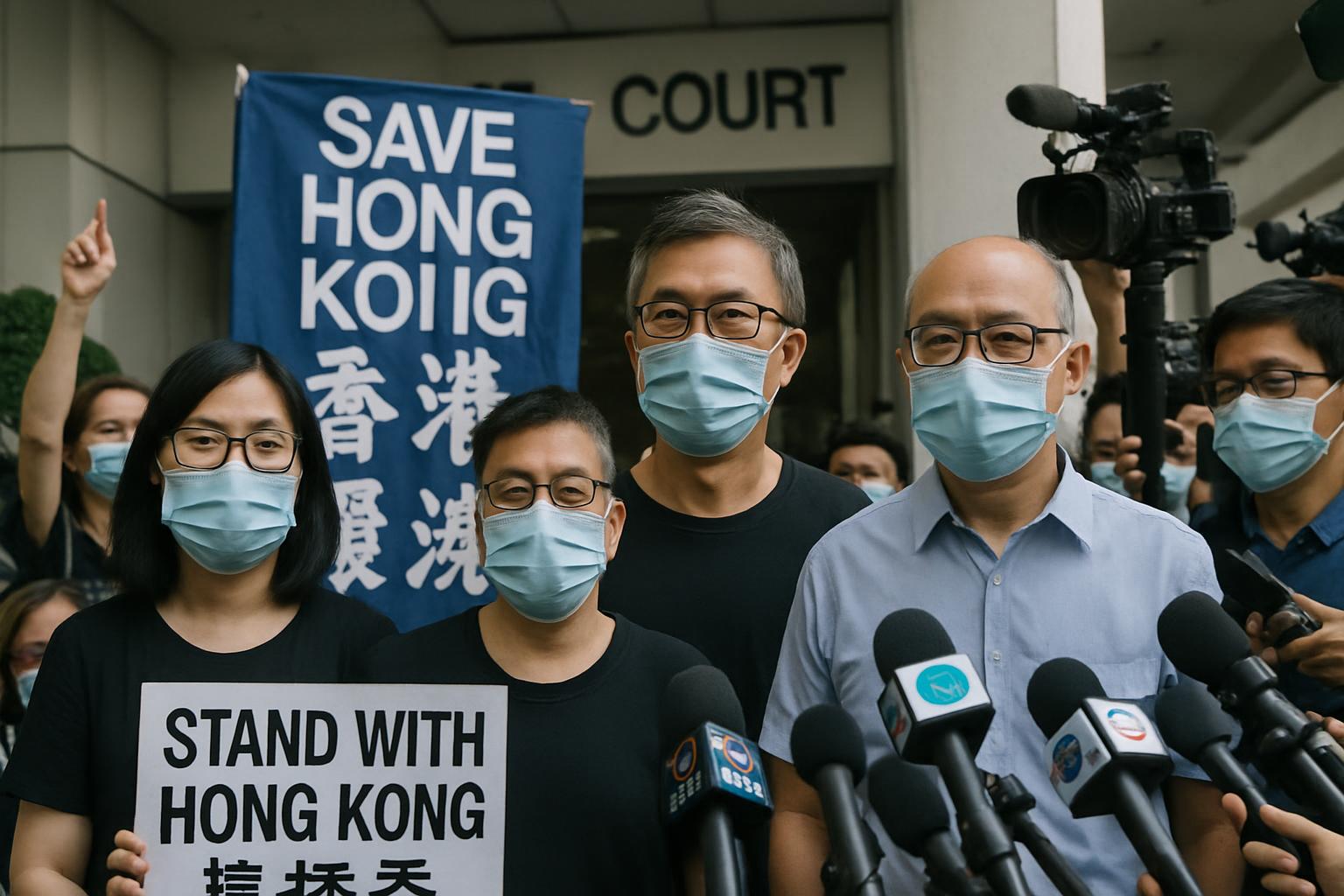
Hong Kong Activists on Trial for Tiananmen Vigil Under National Security Law

Jimmy Lai's 20-Year Sentence Sparks Global Outcry Over Hong Kong's National Security Law

Hong Kong Tycoon Jimmy Lai Convicted Under National Security Law Amid Global Outcry

Prince Andrew Under Scrutiny for Alleged Breach of Confidentiality in Epstein Scandal

Gold and Silver Prices Plummet Amid Market Volatility
Hong Kong High-Rise Fire: Tragedy Strikes Tai Po District
In This Article
 Sofia Romano| Published
 HIGHLIGHTS
- A devastating fire in Hong Kong's Tai Po district has claimed at least 55 lives, with nearly 300 people still missing.
- The blaze at the Wang Fuk Court complex, which houses around 4,800 residents, was exacerbated by bamboo scaffolding and non-fireproof materials.
- Three men have been arrested on suspicion of manslaughter due to alleged negligence in the building's renovation.
- Over 900 people have been evacuated, and the fire remains partially uncontrolled, with rescue efforts ongoing.
- Hong Kong authorities are investigating the fire's cause and reviewing construction safety regulations, including the use of bamboo scaffolding.
A catastrophic fire has engulfed the Wang Fuk Court residential complex in Hong Kong's Tai Po district, resulting in at least 55 fatalities and leaving nearly 300 individuals unaccounted for. The blaze, which erupted on Wednesday afternoon, continues to challenge firefighters and rescue teams as they work tirelessly to control the flames and search for survivors.
The Fire's Rapid Spread
The fire, which began at approximately 2:52 PM local time, quickly spread across the eight 31-storey towers of the complex. The use of bamboo scaffolding and non-fireproof materials, such as plastic sheets and foam, is believed to have contributed to the rapid spread of the flames. Hong Kong is one of the few places where bamboo is still widely used in construction, a practice now under scrutiny due to safety concerns.
Arrests and Investigation
In the wake of the disaster, three men associated with the building's renovation have been arrested on suspicion of manslaughter. The suspects, including two directors and an engineering consultant, are accused of gross negligence that allegedly led to the fire's uncontrollable spread. Authorities have launched a comprehensive investigation, seizing documents from the construction company involved.
Rescue Efforts and Community Impact
More than 760 firefighters and 128 fire engines have been deployed to the scene, with rescue operations hampered by intense heat and falling debris. The fire has not yet been fully extinguished, and over 900 residents have been evacuated to temporary shelters. Among the deceased is a 37-year-old firefighter, highlighting the perilous conditions faced by emergency responders.
Government Response and Future Implications
Hong Kong's leader, John Lee, has expressed condolences to the victims' families and pledged full support for the ongoing rescue and investigation efforts. The tragedy has prompted a reevaluation of construction safety standards, particularly the use of bamboo scaffolding, which is being phased out in favor of fire-resistant materials.
WHAT THIS MIGHT MEAN
As the investigation into the Wang Fuk Court fire unfolds, Hong Kong authorities may face increased pressure to expedite the transition from bamboo scaffolding to safer alternatives. This incident could lead to stricter enforcement of fire safety regulations and a broader review of construction practices across the city. The arrests related to the fire may result in legal proceedings that could set precedents for accountability in construction negligence cases. Additionally, the tragedy may prompt a public discourse on the balance between preserving traditional building methods and ensuring modern safety standards.
Related Articles
Jimmy Lai Sentenced to 20 Years in Hong Kong: A Blow to Press Freedom and Pro-Democracy Activism
Hong Kong Activists on Trial for Tiananmen Vigil Under National Security Law
Jimmy Lai's 20-Year Sentence Sparks Global Outcry Over Hong Kong's National Security Law
Hong Kong Tycoon Jimmy Lai Convicted Under National Security Law Amid Global Outcry
Prince Andrew Under Scrutiny for Alleged Breach of Confidentiality in Epstein Scandal
Gold and Silver Prices Plummet Amid Market Volatility