
House Panel Moves to Hold Clintons in Contempt Over Epstein Subpoenas
In This Article
HIGHLIGHTS
- The House Oversight Committee voted to hold Bill and Hillary Clinton in contempt of Congress over their refusal to comply with subpoenas related to the Epstein investigation.
- The contempt measure, supported by some Democrats, will proceed to a full House vote, potentially leading to a Department of Justice prosecution.
- The Clintons argue the subpoenas lack legislative purpose and have offered limited information voluntarily.
- Representative James Comer emphasized that subpoenas are legally binding and criticized the Clintons' non-compliance.
- The Clintons' legal team has attempted to negotiate terms for their testimony, suggesting potential dates for compliance.
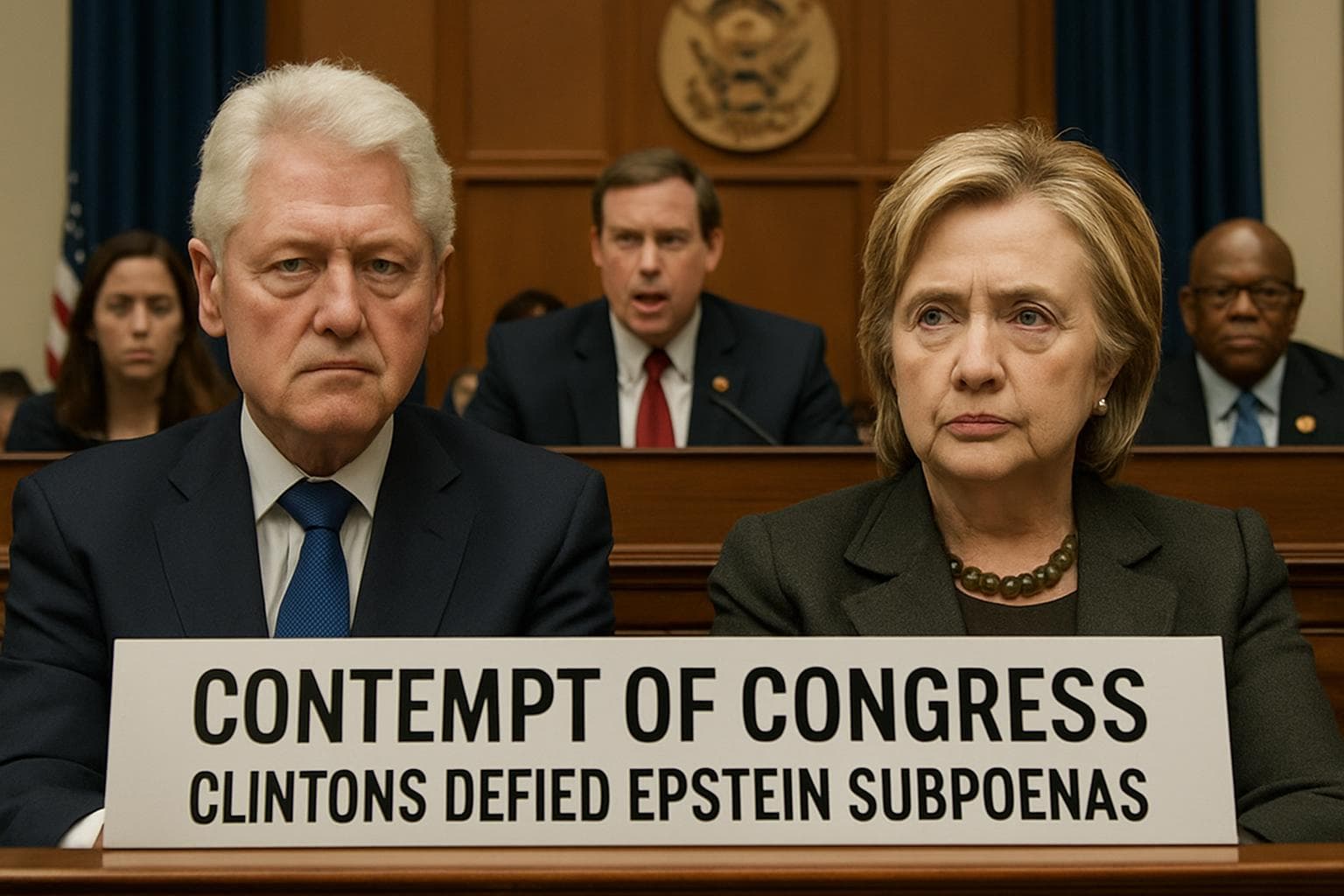
In a significant development, the US House Oversight Committee has voted to hold former President Bill Clinton and former Secretary of State Hillary Clinton in contempt of Congress. This decision stems from their refusal to comply with subpoenas issued as part of the ongoing investigation into convicted sex offender Jeffrey Epstein. The Republican-led committee's decision, which saw support from several Democrats, now advances to the full House of Representatives for a vote.
If the full House approves the contempt measure, the matter will be referred to the Department of Justice, which could lead to a criminal prosecution. This move marks a rare instance of Congress potentially using one of its most severe punishments against a former president. The Clintons have consistently denied any wrongdoing related to Epstein and have criticized the subpoenas as politically motivated and lacking a valid legislative purpose.
Subpoenas and Legal Implications
The subpoenas issued to the Clintons demanded their testimony regarding their interactions with Epstein, with whom Bill Clinton was photographed in the 1990s and early 2000s. Despite the release of these photos by the justice department, Clinton's spokesperson, Angel Ureña, emphasized that the former president ceased contact with Epstein long before his criminal activities were exposed.
Oversight Committee Chairman James Comer has been vocal about the importance of compliance with subpoenas, stating that they are not mere suggestions but carry the force of law. Comer rejected a proposal from the Clintons' legal team to conduct interviews in New York, insisting on adherence to the committee's demands.
Negotiations and Political Dynamics
Behind the scenes, the Clintons' legal team, led by David Kendall, has been negotiating potential terms for their testimony. They have proposed dates around Christmas for compliance, indicating a willingness to find a resolution. However, the passage of contempt charges through the full House remains uncertain, as it requires a majority vote—a challenge given the current political landscape.
The Epstein investigation continues to unravel connections between the financier and high-profile individuals, including Bill Clinton and former President Donald Trump. While neither has been accused of wrongdoing, the scrutiny surrounding their associations with Epstein persists.
WHAT THIS MIGHT MEAN
Should the full House vote in favor of holding the Clintons in contempt, the Department of Justice will face the decision of whether to pursue prosecution. This could lead to significant legal and political ramifications, potentially setting a precedent for how Congress handles non-compliance with subpoenas.
The Clintons' legal strategy may focus on challenging the validity of the subpoenas in court, arguing that they lack a legislative purpose. This could result in a prolonged legal battle, further complicating the political landscape.
Experts suggest that the outcome of this case could influence future congressional investigations, particularly those involving high-profile figures. The situation underscores the ongoing tension between legislative oversight and executive privilege, with potential implications for the balance of power in Washington.
Related Articles
Congress Subpoenas Attorney General Bondi in Epstein Investigation

Armed Intruder Fatally Shot at Mar-a-Lago by Secret Service
Senate Blocks Resolution to Limit Trump's Military Actions in Iran

Prince Andrew's Ties to Epstein Under Scrutiny Amid Calls for Inquiry

Tech Giants Pledge to Cover AI Data Center Energy Costs Amid Rising Electricity Concerns

Cuba Faces Widespread Blackout Amid Deepening Fuel Crisis
House Panel Moves to Hold Clintons in Contempt Over Epstein Subpoenas
In This Article
 Sofia Romano| Published
 HIGHLIGHTS
- The House Oversight Committee voted to hold Bill and Hillary Clinton in contempt of Congress over their refusal to comply with subpoenas related to the Epstein investigation.
- The contempt measure, supported by some Democrats, will proceed to a full House vote, potentially leading to a Department of Justice prosecution.
- The Clintons argue the subpoenas lack legislative purpose and have offered limited information voluntarily.
- Representative James Comer emphasized that subpoenas are legally binding and criticized the Clintons' non-compliance.
- The Clintons' legal team has attempted to negotiate terms for their testimony, suggesting potential dates for compliance.
In a significant development, the US House Oversight Committee has voted to hold former President Bill Clinton and former Secretary of State Hillary Clinton in contempt of Congress. This decision stems from their refusal to comply with subpoenas issued as part of the ongoing investigation into convicted sex offender Jeffrey Epstein. The Republican-led committee's decision, which saw support from several Democrats, now advances to the full House of Representatives for a vote.
If the full House approves the contempt measure, the matter will be referred to the Department of Justice, which could lead to a criminal prosecution. This move marks a rare instance of Congress potentially using one of its most severe punishments against a former president. The Clintons have consistently denied any wrongdoing related to Epstein and have criticized the subpoenas as politically motivated and lacking a valid legislative purpose.
Subpoenas and Legal Implications
The subpoenas issued to the Clintons demanded their testimony regarding their interactions with Epstein, with whom Bill Clinton was photographed in the 1990s and early 2000s. Despite the release of these photos by the justice department, Clinton's spokesperson, Angel Ureña, emphasized that the former president ceased contact with Epstein long before his criminal activities were exposed.
Oversight Committee Chairman James Comer has been vocal about the importance of compliance with subpoenas, stating that they are not mere suggestions but carry the force of law. Comer rejected a proposal from the Clintons' legal team to conduct interviews in New York, insisting on adherence to the committee's demands.
Negotiations and Political Dynamics
Behind the scenes, the Clintons' legal team, led by David Kendall, has been negotiating potential terms for their testimony. They have proposed dates around Christmas for compliance, indicating a willingness to find a resolution. However, the passage of contempt charges through the full House remains uncertain, as it requires a majority vote—a challenge given the current political landscape.
The Epstein investigation continues to unravel connections between the financier and high-profile individuals, including Bill Clinton and former President Donald Trump. While neither has been accused of wrongdoing, the scrutiny surrounding their associations with Epstein persists.
WHAT THIS MIGHT MEAN
Should the full House vote in favor of holding the Clintons in contempt, the Department of Justice will face the decision of whether to pursue prosecution. This could lead to significant legal and political ramifications, potentially setting a precedent for how Congress handles non-compliance with subpoenas.
The Clintons' legal strategy may focus on challenging the validity of the subpoenas in court, arguing that they lack a legislative purpose. This could result in a prolonged legal battle, further complicating the political landscape.
Experts suggest that the outcome of this case could influence future congressional investigations, particularly those involving high-profile figures. The situation underscores the ongoing tension between legislative oversight and executive privilege, with potential implications for the balance of power in Washington.
Related Articles
Congress Subpoenas Attorney General Bondi in Epstein Investigation
Armed Intruder Fatally Shot at Mar-a-Lago by Secret Service
Senate Blocks Resolution to Limit Trump's Military Actions in Iran
Prince Andrew's Ties to Epstein Under Scrutiny Amid Calls for Inquiry
Tech Giants Pledge to Cover AI Data Center Energy Costs Amid Rising Electricity Concerns
Cuba Faces Widespread Blackout Amid Deepening Fuel Crisis