
Houthi Attacks on Red Sea Cargo Ships Escalate, Prompting International Condemnation
In This Article
HIGHLIGHTS
- The Liberian-flagged cargo ship Eternity C was attacked by Houthi forces in the Red Sea, resulting in at least four crew deaths and several missing.
- The Houthis claimed responsibility, stating the ship was heading to Israel, and have attacked multiple vessels since November 2023.
- Rescue operations have saved seven crew members, with ongoing efforts to locate the remaining missing personnel.
- The attacks are part of the Houthis' broader strategy to support Palestinians amid the Israel-Hamas conflict.
- The US and EU have condemned the attacks, highlighting the threat to maritime security in the region.
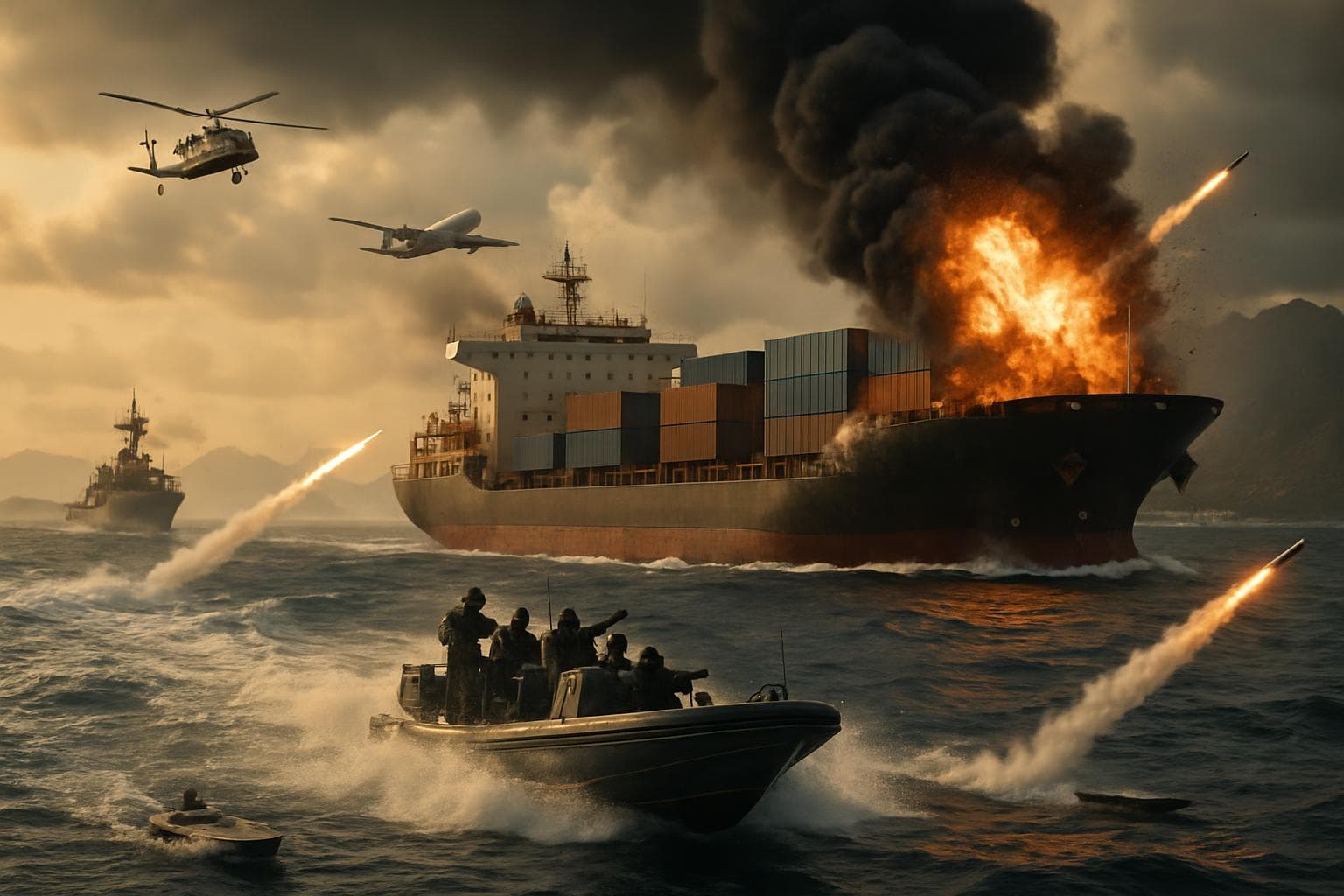
In a series of escalating maritime confrontations, Houthi forces have attacked and sunk the Liberian-flagged cargo ship Eternity C in the Red Sea, resulting in the deaths of at least four crew members and leaving several others missing. The attack, which began on Monday and continued into Tuesday, involved rocket-propelled grenades and sea drones launched from speedboats, according to maritime security sources.
The Eternity C, operated by a Greek firm, was carrying 25 crew members, predominantly Filipinos, when it was targeted. The Houthis, an Iran-backed group based in Yemen, claimed responsibility, asserting the vessel was en route to Israel. This attack marks the second such incident in a week, following the sinking of another Liberian-flagged ship, Magic Seas, under similar circumstances.
Rescue Efforts and International Response
Rescue operations have successfully saved seven crew members who endured over 24 hours in the water. However, the fate of the remaining crew remains uncertain, with fears that some may have been kidnapped by the Houthis. The US embassy in Yemen has called for the immediate release of any detained crew members.
The attacks have drawn sharp condemnation from the United States and the European Union, both emphasizing the threat posed to freedom of navigation in the region. The EU's naval mission, Operation Aspides, is actively participating in the international response to these incidents.
Broader Context and Implications
The Houthis have justified their actions as a show of solidarity with Palestinians amid the ongoing conflict between Israel and Hamas. Since November 2023, they have targeted approximately 70 merchant vessels, claiming to focus on those linked to Israel, the US, or the UK.
These maritime attacks coincide with broader geopolitical tensions, including a recent ceasefire breakdown in Gaza and US military actions in Yemen. The Houthis have previously threatened to resume attacks on Israeli-affiliated ships, particularly if provoked by US actions against Iran.
WHAT THIS MIGHT MEAN
The recent Houthi attacks on cargo ships in the Red Sea could significantly impact international shipping routes, potentially leading to increased security measures and insurance costs for vessels operating in the region. The international community, particularly the US and EU, may intensify diplomatic and military efforts to safeguard these vital maritime corridors.
If the Houthis continue their aggressive stance, it could further destabilize the already volatile geopolitical landscape in the Middle East, potentially drawing in more international actors. The situation underscores the complex interplay between regional conflicts and global maritime security, necessitating coordinated international responses to prevent further escalation.
Related Articles
Iran Postpones Khamenei Funeral Amid Escalating US-Israeli Strikes
US and Israel Intensify Military Campaign as Iran's Capabilities Dwindle

Intensified US-Israel Strikes on Iran Spark Global Outcry
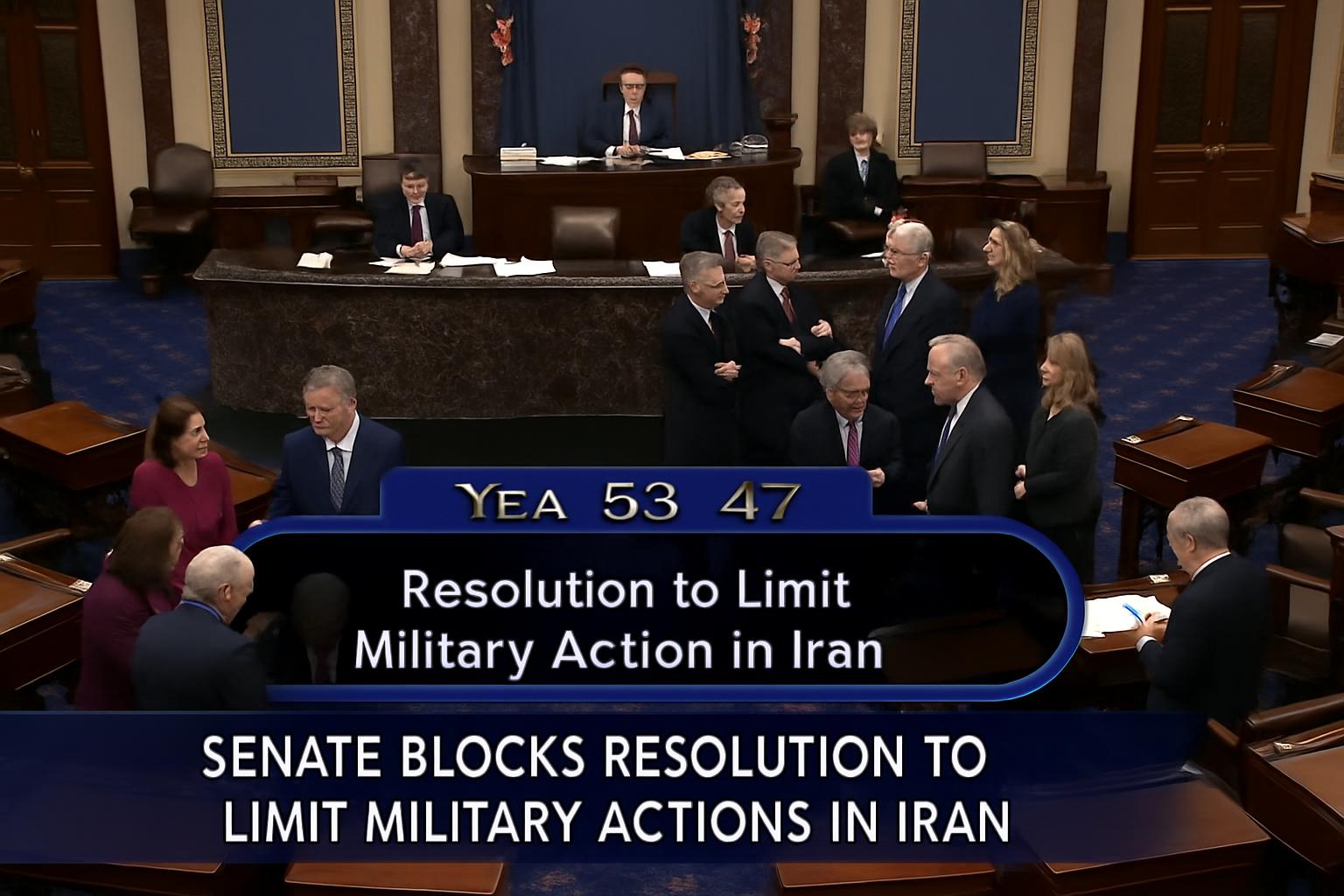
Senate Blocks Resolution to Limit Trump's Military Actions in Iran

Spain's Sánchez Stands Firm Against Trump's Trade Threat Over Iran Stance

UK Faces Dilemmas Amid Iran Conflict and China Spying Allegations
Houthi Attacks on Red Sea Cargo Ships Escalate, Prompting International Condemnation
In This Article
 Ethan Brooks| Published
 HIGHLIGHTS
- The Liberian-flagged cargo ship Eternity C was attacked by Houthi forces in the Red Sea, resulting in at least four crew deaths and several missing.
- The Houthis claimed responsibility, stating the ship was heading to Israel, and have attacked multiple vessels since November 2023.
- Rescue operations have saved seven crew members, with ongoing efforts to locate the remaining missing personnel.
- The attacks are part of the Houthis' broader strategy to support Palestinians amid the Israel-Hamas conflict.
- The US and EU have condemned the attacks, highlighting the threat to maritime security in the region.
In a series of escalating maritime confrontations, Houthi forces have attacked and sunk the Liberian-flagged cargo ship Eternity C in the Red Sea, resulting in the deaths of at least four crew members and leaving several others missing. The attack, which began on Monday and continued into Tuesday, involved rocket-propelled grenades and sea drones launched from speedboats, according to maritime security sources.
The Eternity C, operated by a Greek firm, was carrying 25 crew members, predominantly Filipinos, when it was targeted. The Houthis, an Iran-backed group based in Yemen, claimed responsibility, asserting the vessel was en route to Israel. This attack marks the second such incident in a week, following the sinking of another Liberian-flagged ship, Magic Seas, under similar circumstances.
Rescue Efforts and International Response
Rescue operations have successfully saved seven crew members who endured over 24 hours in the water. However, the fate of the remaining crew remains uncertain, with fears that some may have been kidnapped by the Houthis. The US embassy in Yemen has called for the immediate release of any detained crew members.
The attacks have drawn sharp condemnation from the United States and the European Union, both emphasizing the threat posed to freedom of navigation in the region. The EU's naval mission, Operation Aspides, is actively participating in the international response to these incidents.
Broader Context and Implications
The Houthis have justified their actions as a show of solidarity with Palestinians amid the ongoing conflict between Israel and Hamas. Since November 2023, they have targeted approximately 70 merchant vessels, claiming to focus on those linked to Israel, the US, or the UK.
These maritime attacks coincide with broader geopolitical tensions, including a recent ceasefire breakdown in Gaza and US military actions in Yemen. The Houthis have previously threatened to resume attacks on Israeli-affiliated ships, particularly if provoked by US actions against Iran.
WHAT THIS MIGHT MEAN
The recent Houthi attacks on cargo ships in the Red Sea could significantly impact international shipping routes, potentially leading to increased security measures and insurance costs for vessels operating in the region. The international community, particularly the US and EU, may intensify diplomatic and military efforts to safeguard these vital maritime corridors.
If the Houthis continue their aggressive stance, it could further destabilize the already volatile geopolitical landscape in the Middle East, potentially drawing in more international actors. The situation underscores the complex interplay between regional conflicts and global maritime security, necessitating coordinated international responses to prevent further escalation.
Related Articles
Iran Postpones Khamenei Funeral Amid Escalating US-Israeli Strikes
US and Israel Intensify Military Campaign as Iran's Capabilities Dwindle
Intensified US-Israel Strikes on Iran Spark Global Outcry
Senate Blocks Resolution to Limit Trump's Military Actions in Iran
Spain's Sánchez Stands Firm Against Trump's Trade Threat Over Iran Stance
UK Faces Dilemmas Amid Iran Conflict and China Spying Allegations