
Humans Rank Among Top Monogamous Mammals, Study Finds
In This Article
HIGHLIGHTS
- Humans rank 7th among 35 species in monogamy, with a 66% rate of full siblings, according to a University of Cambridge study.
- The Californian mouse tops the monogamy league with 100% full siblings, while meerkats and beavers also rank highly.
- Chimpanzees and mountain gorillas, close genetic relatives to humans, exhibit more promiscuous mating habits.
- The study highlights the evolution of human monogamy as distinct from other mammals, despite similar sibling rates to species like meerkats.
- The research, published in the Proceedings of the Royal Society B, explores the benefits of social monogamy, such as enhanced parental care.
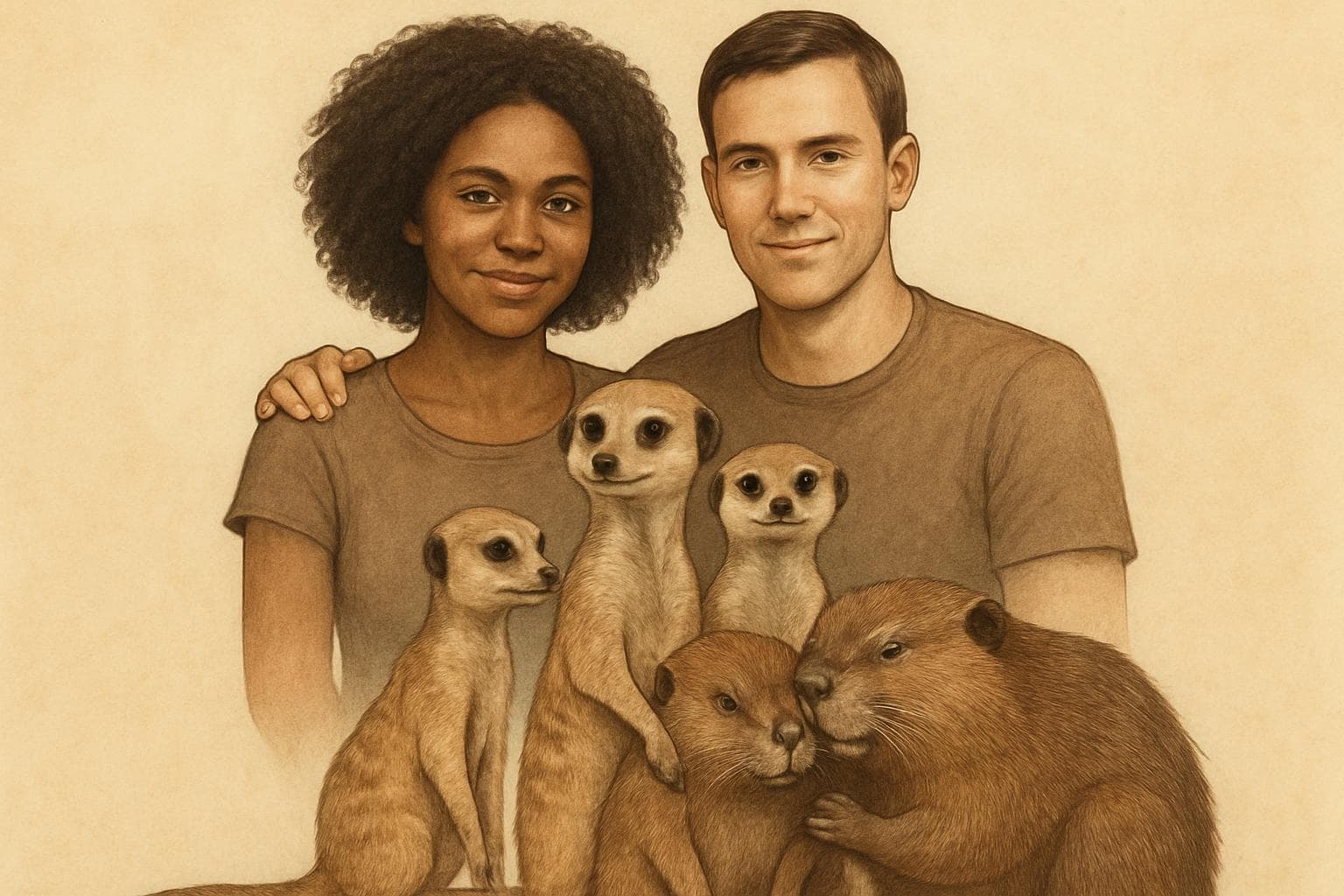
In a groundbreaking study from the University of Cambridge, humans have been ranked among the top monogamous mammals, sharing similarities with species like meerkats and beavers. The research, led by Dr. Mark Dyble, places humans 7th out of 35 species on a monogamy scale, with a 66% rate of full siblings, indicating a strong tendency towards monogamous pairings.
Monogamy in the Animal Kingdom
The study reveals that the Californian mouse leads the monogamy rankings with an impressive 100% full siblings, followed closely by beavers at 72% and meerkats at 60%. These findings suggest that while humans are not the most monogamous species, they are firmly positioned in the "premier league" of monogamous mammals. In contrast, chimpanzees and mountain gorillas, despite being close genetic relatives, display more promiscuous mating behaviors, with full sibling rates of just 4% and 6%, respectively.
Evolutionary Insights
Dr. Dyble's research delves into the evolutionary aspects of human monogamy, which appears to have developed uniquely compared to other mammals. While humans share similar sibling rates with species like meerkats, their social structures are vastly different. Humans typically form multi-male, multi-female groups with monogamous pair-bonded units, unlike the colony-like or solitary pair systems seen in other species.
Implications of Social Monogamy
The study, published in the Proceedings of the Royal Society B, also explores the advantages of social monogamy, such as enhanced parental care and protection against rivals. Dr. Kit Opie from the University of Bristol, who was not involved in the study, noted that the research adds a significant piece to the puzzle of how human monogamy evolved, highlighting its divergence from the mating patterns of our primate cousins.
WHAT THIS MIGHT MEAN
The findings of this study could have profound implications for understanding human social evolution and the development of family structures. As researchers continue to explore the genetic and environmental factors influencing monogamous behaviors, future studies may shed light on the specific evolutionary pressures that led humans to adopt monogamous pairings. Additionally, this research could inform broader discussions on the role of monogamy in societal development and its impact on human relationships. Experts may also investigate how these findings relate to contemporary social dynamics and the ongoing evolution of human mating patterns.
Related Articles
New Study Reveals Five Key Phases of Brain Development Across a Lifetime

UK Study to Explore Impact of Social Media Restrictions on Teen Mental Health

Academic Considers Legal Action After Disrupted Gender Talk at University of Bristol

Nigel Farage Escapes Police Probe Over Alleged Election Spending Breach
Kissing: An Ancient Practice Traced Back 21 Million Years
Parasocial Relationships: Cambridge Dictionary's Word of the Year Reflects Modern Connections
Humans Rank Among Top Monogamous Mammals, Study Finds
In This Article
 Maya Singh| Published
 HIGHLIGHTS
- Humans rank 7th among 35 species in monogamy, with a 66% rate of full siblings, according to a University of Cambridge study.
- The Californian mouse tops the monogamy league with 100% full siblings, while meerkats and beavers also rank highly.
- Chimpanzees and mountain gorillas, close genetic relatives to humans, exhibit more promiscuous mating habits.
- The study highlights the evolution of human monogamy as distinct from other mammals, despite similar sibling rates to species like meerkats.
- The research, published in the Proceedings of the Royal Society B, explores the benefits of social monogamy, such as enhanced parental care.
In a groundbreaking study from the University of Cambridge, humans have been ranked among the top monogamous mammals, sharing similarities with species like meerkats and beavers. The research, led by Dr. Mark Dyble, places humans 7th out of 35 species on a monogamy scale, with a 66% rate of full siblings, indicating a strong tendency towards monogamous pairings.
Monogamy in the Animal Kingdom
The study reveals that the Californian mouse leads the monogamy rankings with an impressive 100% full siblings, followed closely by beavers at 72% and meerkats at 60%. These findings suggest that while humans are not the most monogamous species, they are firmly positioned in the "premier league" of monogamous mammals. In contrast, chimpanzees and mountain gorillas, despite being close genetic relatives, display more promiscuous mating behaviors, with full sibling rates of just 4% and 6%, respectively.
Evolutionary Insights
Dr. Dyble's research delves into the evolutionary aspects of human monogamy, which appears to have developed uniquely compared to other mammals. While humans share similar sibling rates with species like meerkats, their social structures are vastly different. Humans typically form multi-male, multi-female groups with monogamous pair-bonded units, unlike the colony-like or solitary pair systems seen in other species.
Implications of Social Monogamy
The study, published in the Proceedings of the Royal Society B, also explores the advantages of social monogamy, such as enhanced parental care and protection against rivals. Dr. Kit Opie from the University of Bristol, who was not involved in the study, noted that the research adds a significant piece to the puzzle of how human monogamy evolved, highlighting its divergence from the mating patterns of our primate cousins.
WHAT THIS MIGHT MEAN
The findings of this study could have profound implications for understanding human social evolution and the development of family structures. As researchers continue to explore the genetic and environmental factors influencing monogamous behaviors, future studies may shed light on the specific evolutionary pressures that led humans to adopt monogamous pairings. Additionally, this research could inform broader discussions on the role of monogamy in societal development and its impact on human relationships. Experts may also investigate how these findings relate to contemporary social dynamics and the ongoing evolution of human mating patterns.
Related Articles
New Study Reveals Five Key Phases of Brain Development Across a Lifetime
UK Study to Explore Impact of Social Media Restrictions on Teen Mental Health
Academic Considers Legal Action After Disrupted Gender Talk at University of Bristol
Nigel Farage Escapes Police Probe Over Alleged Election Spending Breach
Kissing: An Ancient Practice Traced Back 21 Million Years
Parasocial Relationships: Cambridge Dictionary's Word of the Year Reflects Modern Connections