
Parasocial Relationships: Cambridge Dictionary's Word of the Year Reflects Modern Connections
In This Article
HIGHLIGHTS
- "Parasocial" is named the Cambridge Dictionary's Word of the Year, highlighting a one-sided relationship with celebrities or AI.
- The term, coined in 1956, has gained popularity due to social media and AI, with notable examples involving Taylor Swift and AI chatbots.
- The dictionary saw increased searches for "parasocial" following events like Taylor Swift's engagement and incidents involving YouTube stars.
- Experts note that parasocial relationships redefine fandom and online interactions, sometimes leading to unhealthy attachments.
- New dictionary entries reflect the growing influence of AI and social media on language and relationships.
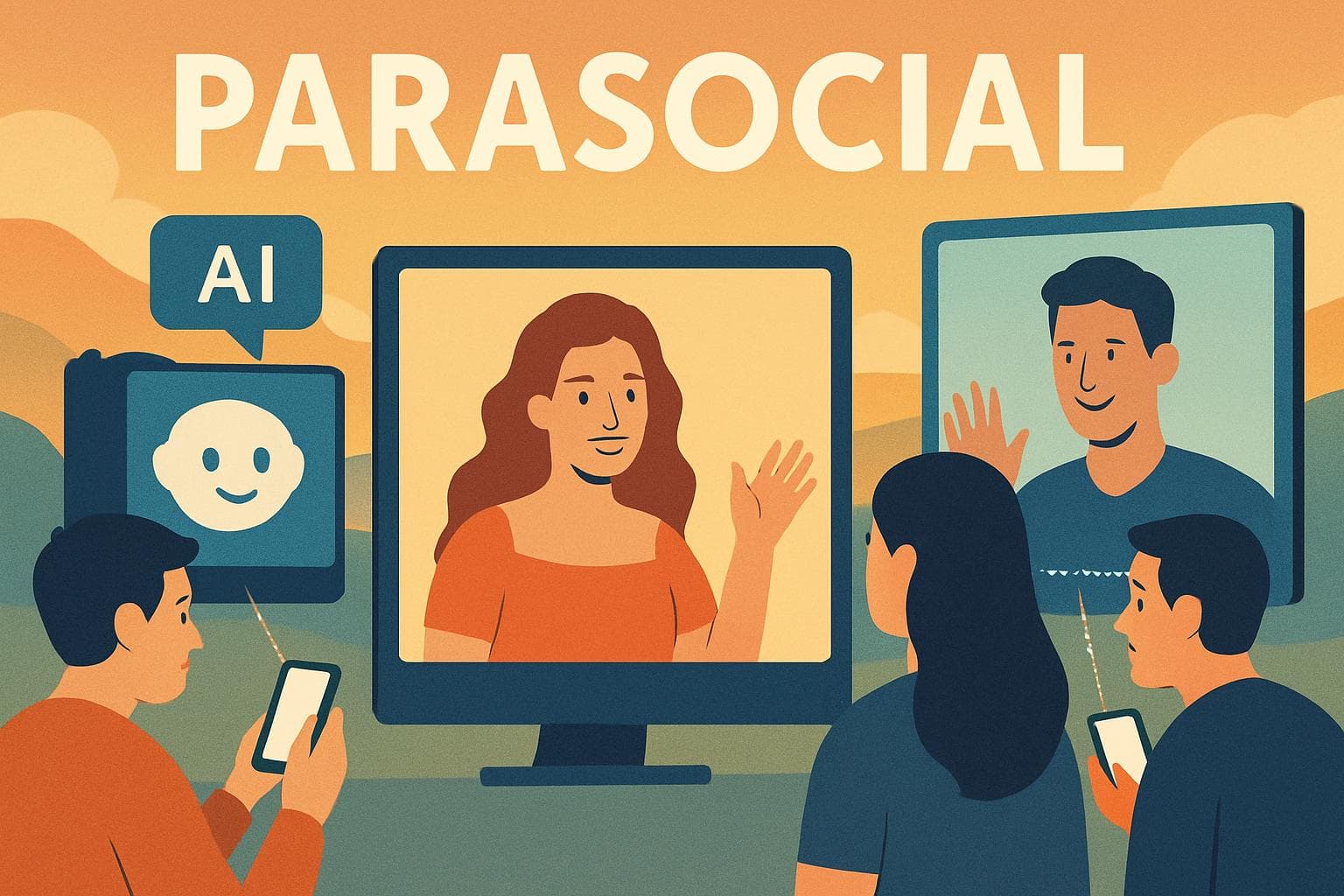
In a digital age where connections often transcend physical interactions, "parasocial" has been named the Cambridge Dictionary's Word of the Year. Defined as a one-sided relationship where an individual feels a connection to a celebrity or public figure they do not personally know, the term has gained prominence as social media and artificial intelligence reshape how people interact.
Origins and Evolution
The concept of parasocial relationships was first introduced in 1956 by University of Chicago sociologists Donald Horton and Richard Wohl. They observed television viewers forming bonds with on-screen personalities, akin to those with family and friends. This academic term has since evolved, entering mainstream language as social media and AI technologies offer new avenues for such connections.
Modern Examples and Impact
Recent events have spotlighted the term's relevance. Taylor Swift's engagement to NFL star Travis Kelce sparked a surge in online discussions, exemplifying how fans develop parasocial ties with celebrities. Similarly, AI chatbots have become confidants for many, offering companionship and even serving as proxies for therapy.
Colin McIntosh, a Cambridge Dictionary editor, noted the term's resonance with the 2025 zeitgeist, as millions engage in or are intrigued by parasocial relationships. The dictionary recorded spikes in searches for "parasocial," reflecting its growing significance in contemporary culture.
Expert Insights
Simone Schnall, a professor of experimental social psychology at the University of Cambridge, highlighted how parasocial relationships have redefined fandom and online interactions. As trust in traditional media wanes, people increasingly turn to influencers and AI, sometimes leading to intense and unhealthy attachments.
The dictionary's latest updates, including terms like "slop" and "memeify," further illustrate the impact of AI and social media on language and relationships. These additions underscore the evolving nature of communication in a digital world.
WHAT THIS MIGHT MEAN
As parasocial relationships continue to shape modern interactions, their implications are multifaceted. Experts warn of potential mental health concerns, particularly among young people who may develop unrealistic expectations from these one-sided connections. The rise of AI chatbots as social companions could further blur the lines between reality and virtual interactions, necessitating new ethical considerations.
Moving forward, the dynamics of parasocial relationships may influence how celebrities and influencers engage with their audiences. As these connections deepen, there could be increased scrutiny on the responsibilities of public figures in managing their digital personas. Additionally, the evolving language around these relationships will likely continue to reflect broader societal shifts in communication and connection.
Images from the Web
Related Articles

Taylor Swift's Engagement to Travis Kelce: What It Means for Her Music and Legacy
Matthew McConaughey Trademarks Iconic Phrase to Combat AI Misuse
UK Study to Explore Impact of Social Media Restrictions on Teen Mental Health
Humans Rank Among Top Monogamous Mammals, Study Finds
New Study Reveals Five Key Phases of Brain Development Across a Lifetime
Southport Attack Inquiry: Families Demand Accountability from Killer's Parents
Parasocial Relationships: Cambridge Dictionary's Word of the Year Reflects Modern Connections
In This Article
 Marcus Blake| Published
 HIGHLIGHTS
- "Parasocial" is named the Cambridge Dictionary's Word of the Year, highlighting a one-sided relationship with celebrities or AI.
- The term, coined in 1956, has gained popularity due to social media and AI, with notable examples involving Taylor Swift and AI chatbots.
- The dictionary saw increased searches for "parasocial" following events like Taylor Swift's engagement and incidents involving YouTube stars.
- Experts note that parasocial relationships redefine fandom and online interactions, sometimes leading to unhealthy attachments.
- New dictionary entries reflect the growing influence of AI and social media on language and relationships.
In a digital age where connections often transcend physical interactions, "parasocial" has been named the Cambridge Dictionary's Word of the Year. Defined as a one-sided relationship where an individual feels a connection to a celebrity or public figure they do not personally know, the term has gained prominence as social media and artificial intelligence reshape how people interact.
Origins and Evolution
The concept of parasocial relationships was first introduced in 1956 by University of Chicago sociologists Donald Horton and Richard Wohl. They observed television viewers forming bonds with on-screen personalities, akin to those with family and friends. This academic term has since evolved, entering mainstream language as social media and AI technologies offer new avenues for such connections.
Modern Examples and Impact
Recent events have spotlighted the term's relevance. Taylor Swift's engagement to NFL star Travis Kelce sparked a surge in online discussions, exemplifying how fans develop parasocial ties with celebrities. Similarly, AI chatbots have become confidants for many, offering companionship and even serving as proxies for therapy.
Colin McIntosh, a Cambridge Dictionary editor, noted the term's resonance with the 2025 zeitgeist, as millions engage in or are intrigued by parasocial relationships. The dictionary recorded spikes in searches for "parasocial," reflecting its growing significance in contemporary culture.
Expert Insights
Simone Schnall, a professor of experimental social psychology at the University of Cambridge, highlighted how parasocial relationships have redefined fandom and online interactions. As trust in traditional media wanes, people increasingly turn to influencers and AI, sometimes leading to intense and unhealthy attachments.
The dictionary's latest updates, including terms like "slop" and "memeify," further illustrate the impact of AI and social media on language and relationships. These additions underscore the evolving nature of communication in a digital world.
WHAT THIS MIGHT MEAN
As parasocial relationships continue to shape modern interactions, their implications are multifaceted. Experts warn of potential mental health concerns, particularly among young people who may develop unrealistic expectations from these one-sided connections. The rise of AI chatbots as social companions could further blur the lines between reality and virtual interactions, necessitating new ethical considerations.
Moving forward, the dynamics of parasocial relationships may influence how celebrities and influencers engage with their audiences. As these connections deepen, there could be increased scrutiny on the responsibilities of public figures in managing their digital personas. Additionally, the evolving language around these relationships will likely continue to reflect broader societal shifts in communication and connection.
Images from the Web
Related Articles
Taylor Swift's Engagement to Travis Kelce: What It Means for Her Music and Legacy
Matthew McConaughey Trademarks Iconic Phrase to Combat AI Misuse
UK Study to Explore Impact of Social Media Restrictions on Teen Mental Health
Humans Rank Among Top Monogamous Mammals, Study Finds
New Study Reveals Five Key Phases of Brain Development Across a Lifetime
Southport Attack Inquiry: Families Demand Accountability from Killer's Parents