
Hurricane Erin Sparks States of Emergency Along US East Coast
In This Article
HIGHLIGHTS
- Hurricane Erin, a Category 2 storm, is causing life-threatening rip currents and coastal flooding along the US east coast.
- States like New Jersey and North Carolina have declared states of emergency due to high winds and dangerous surf conditions.
- Mandatory evacuations have been ordered for Ocracoke and Hatteras islands, with over 2,000 people evacuated.
- The National Weather Service warns of continued hazardous beach conditions and advises against swimming.
- The 2025 hurricane season is expected to be above-average, influenced by climate change and warmer sea temperatures.
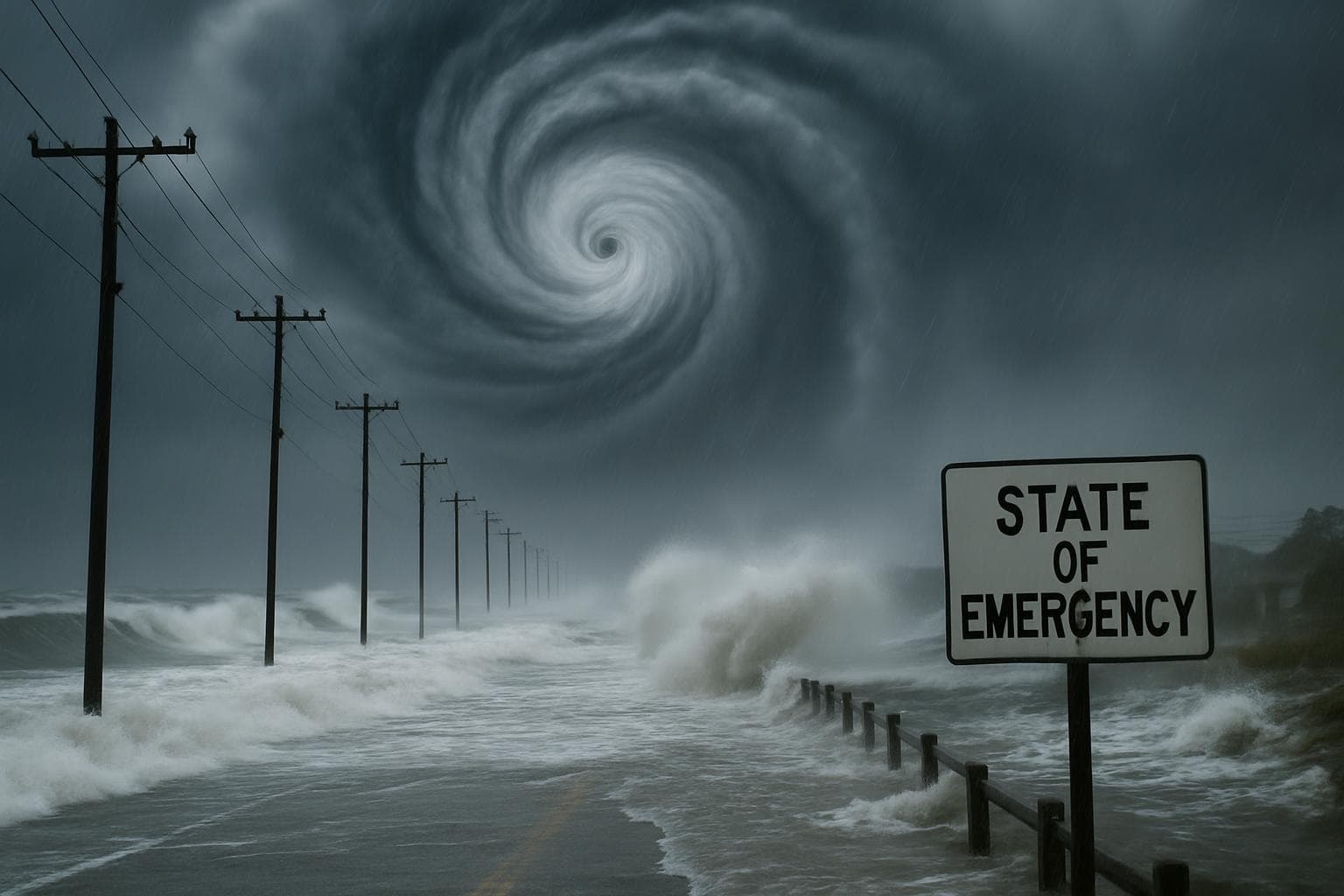
Hurricane Erin, a formidable Category 2 storm, is wreaking havoc along the US east coast, prompting states of emergency in New Jersey and North Carolina. With winds reaching 105 mph, the storm is not expected to make landfall but continues to pose significant threats through life-threatening rip currents, storm surges, and coastal flooding.
Impact on Coastal Communities
As Erin moves north, it has already battered North Carolina's Outer Banks with intense winds and large waves. Governor Josh Stein declared a state of emergency, deploying resources to aid affected communities. Mandatory evacuations were issued for Ocracoke and Hatteras islands, displacing over 2,000 residents. Highway 12 on Hatteras Island remains closed due to flooding, with images showing sections submerged under water.
Warnings and Precautions
The National Weather Service (NWS) has issued warnings of hazardous beach conditions along the entire east coast, advising against swimming due to dangerous rip currents and strong surf. "Life-threatening surf and rip currents will be churning up and down the east coast through the next couple of days," the NWS stated. Coastal flood alerts remain active, with water levels expected to rise two to four feet in some areas.
Broader Implications
The 2025 hurricane season, running from June to November, is anticipated to be above-average, driven by climate change and warmer sea temperatures. This raises concerns about the preparedness of coastal regions, especially with potential cuts to weather research funding. As Erin continues its path, the storm serves as a stark reminder of the increasing frequency and intensity of such natural events.
WHAT THIS MIGHT MEAN
As Hurricane Erin progresses, the immediate focus remains on ensuring the safety of coastal residents and minimizing damage. The states of emergency declared in New Jersey and North Carolina highlight the urgency of the situation. Looking ahead, the anticipated above-average hurricane season underscores the need for robust preparedness strategies and adequate funding for weather research. Experts warn that climate change will likely exacerbate the frequency and severity of such storms, necessitating a reevaluation of current infrastructure and emergency response plans.
Related Articles
Bomb Cyclone Paralyzes Eastern US with Snow and Freezing Temperatures
Historic Nor'easter Storm Paralyzes US North-East with Blizzard Warnings and Travel Bans
Winter Storm Causes Major Travel Disruptions Across US Northeast
California Avalanche Leaves Ten Skiers Missing Amid Severe Weather

Historic Cold Snap in New York City Claims 18 Lives

Maine Jet Crash Claims Six Lives Amid Severe Winter Storm
Hurricane Erin Sparks States of Emergency Along US East Coast
In This Article
 Leila Hassan| Published
 HIGHLIGHTS
- Hurricane Erin, a Category 2 storm, is causing life-threatening rip currents and coastal flooding along the US east coast.
- States like New Jersey and North Carolina have declared states of emergency due to high winds and dangerous surf conditions.
- Mandatory evacuations have been ordered for Ocracoke and Hatteras islands, with over 2,000 people evacuated.
- The National Weather Service warns of continued hazardous beach conditions and advises against swimming.
- The 2025 hurricane season is expected to be above-average, influenced by climate change and warmer sea temperatures.
Hurricane Erin, a formidable Category 2 storm, is wreaking havoc along the US east coast, prompting states of emergency in New Jersey and North Carolina. With winds reaching 105 mph, the storm is not expected to make landfall but continues to pose significant threats through life-threatening rip currents, storm surges, and coastal flooding.
Impact on Coastal Communities
As Erin moves north, it has already battered North Carolina's Outer Banks with intense winds and large waves. Governor Josh Stein declared a state of emergency, deploying resources to aid affected communities. Mandatory evacuations were issued for Ocracoke and Hatteras islands, displacing over 2,000 residents. Highway 12 on Hatteras Island remains closed due to flooding, with images showing sections submerged under water.
Warnings and Precautions
The National Weather Service (NWS) has issued warnings of hazardous beach conditions along the entire east coast, advising against swimming due to dangerous rip currents and strong surf. "Life-threatening surf and rip currents will be churning up and down the east coast through the next couple of days," the NWS stated. Coastal flood alerts remain active, with water levels expected to rise two to four feet in some areas.
Broader Implications
The 2025 hurricane season, running from June to November, is anticipated to be above-average, driven by climate change and warmer sea temperatures. This raises concerns about the preparedness of coastal regions, especially with potential cuts to weather research funding. As Erin continues its path, the storm serves as a stark reminder of the increasing frequency and intensity of such natural events.
WHAT THIS MIGHT MEAN
As Hurricane Erin progresses, the immediate focus remains on ensuring the safety of coastal residents and minimizing damage. The states of emergency declared in New Jersey and North Carolina highlight the urgency of the situation. Looking ahead, the anticipated above-average hurricane season underscores the need for robust preparedness strategies and adequate funding for weather research. Experts warn that climate change will likely exacerbate the frequency and severity of such storms, necessitating a reevaluation of current infrastructure and emergency response plans.
Related Articles
Bomb Cyclone Paralyzes Eastern US with Snow and Freezing Temperatures
Historic Nor'easter Storm Paralyzes US North-East with Blizzard Warnings and Travel Bans
Winter Storm Causes Major Travel Disruptions Across US Northeast
California Avalanche Leaves Ten Skiers Missing Amid Severe Weather
Historic Cold Snap in New York City Claims 18 Lives
Maine Jet Crash Claims Six Lives Amid Severe Winter Storm