
Maine Jet Crash Claims Six Lives Amid Severe Winter Storm
In This Article
HIGHLIGHTS
- A private jet crash at Bangor International Airport in Maine resulted in six fatalities, with one crew member surviving.
- The crash occurred amid a severe winter storm affecting visibility and causing widespread travel disruptions.
- The Bombardier Challenger 600, registered to a Houston-based law firm, crashed shortly after takeoff and caught fire.
- The National Transportation Safety Board (NTSB) is investigating potential causes, including weather and ice accumulation on the wings.
- The airport remains closed as emergency crews respond, and the investigation continues.
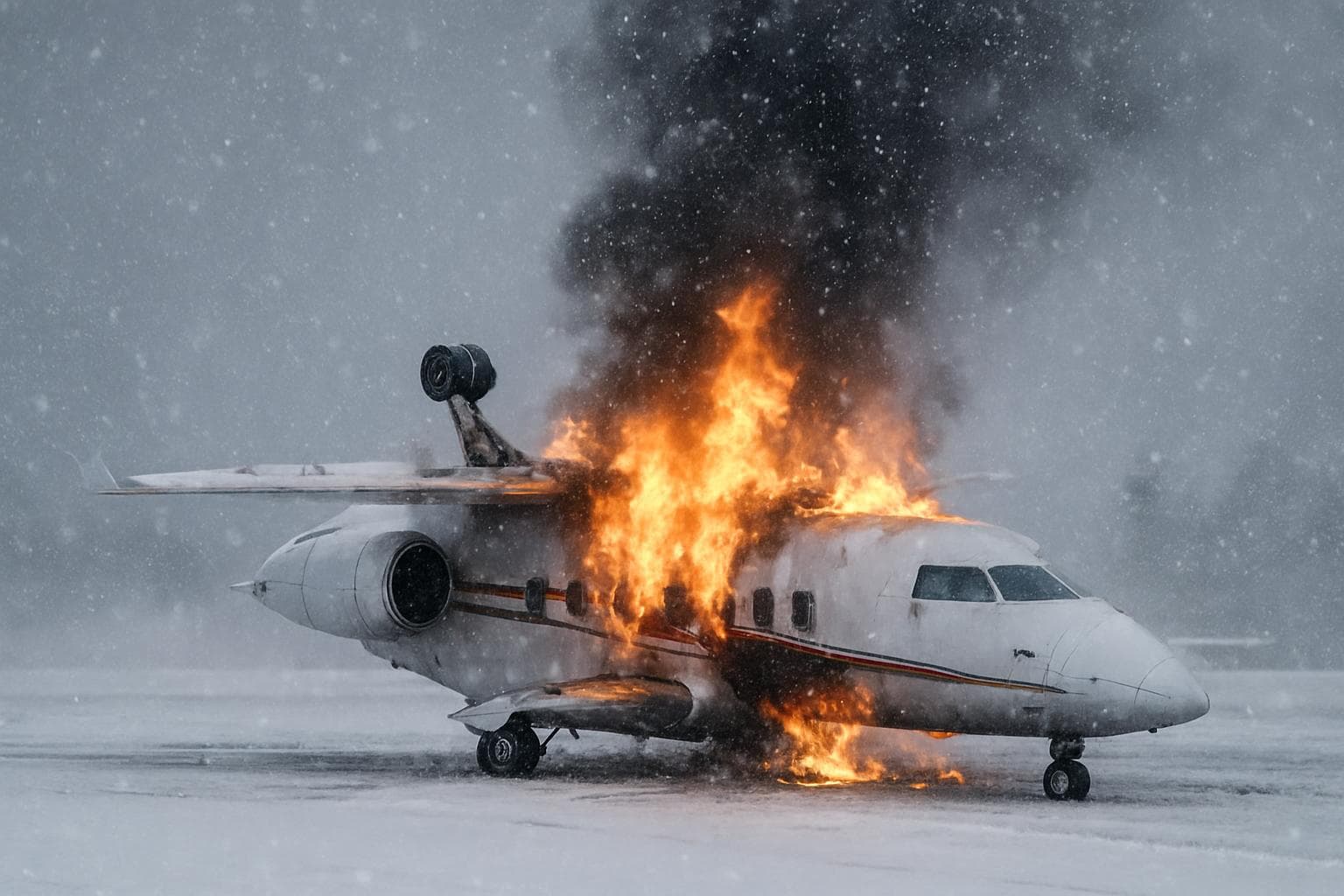
A tragic aviation accident at Bangor International Airport in Maine has claimed the lives of six individuals, with one crew member surviving, as a severe winter storm swept across the region. The Bombardier Challenger 600, registered to a Houston-based law firm, crashed shortly after takeoff on Sunday evening, around 7:45 PM local time, according to the Federal Aviation Administration (FAA).
Crash Details and Immediate Aftermath
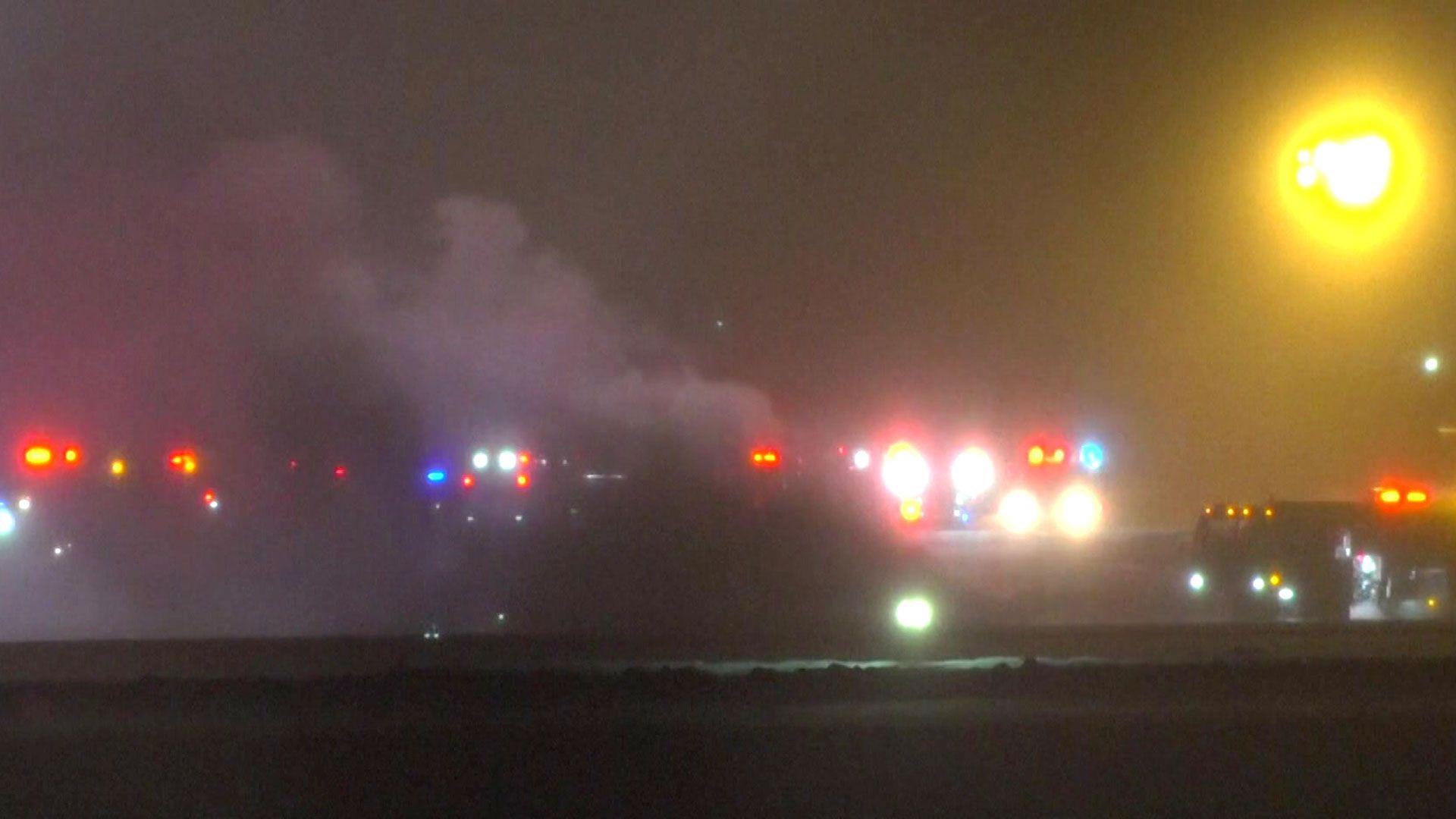
The jet, carrying a total of seven people, went down under challenging weather conditions, with heavy snowfall and poor visibility reported at the time. The aircraft came to rest inverted and caught fire, prompting immediate response from emergency crews. The airport, located approximately 200 miles north of Boston, was subsequently closed as authorities began their investigation.
Weather Conditions and Investigation
The crash coincided with a major winter storm that has wreaked havoc across much of the United States, causing travel chaos and power outages. The National Weather Service reported that Bangor was under a winter storm warning, with up to 16 inches of snow expected by Tuesday morning. The storm has been linked to at least 15 deaths nationwide and left hundreds of thousands without power.
The National Transportation Safety Board (NTSB) has launched an investigation into the crash, with initial focus on weather conditions and the possibility of ice accumulation on the aircraft's wings. This model of aircraft has experienced similar issues in the past, raising questions about its performance in icy conditions.
Impact on Air Travel
The incident has added to the widespread travel disruptions caused by the storm, with over 11,000 flights canceled and nearly 5,500 delayed across the country. Airports in major cities such as Philadelphia, Washington DC, and New York have been particularly affected.
Audio recordings from air traffic control, reported by CBS News, captured discussions about poor visibility before the crash, although it remains unclear which aircraft were involved in these communications. A controller was heard stating that there was "a passenger aircraft upside down" shortly after the crash.
WHAT THIS MIGHT MEAN
As the investigation unfolds, the NTSB will examine all potential factors contributing to the crash, including mechanical issues and pilot error, alongside the severe weather conditions. The findings could have significant implications for aviation safety regulations, particularly concerning operations in adverse weather.
The incident also highlights the broader impact of extreme weather events on transportation infrastructure, underscoring the need for enhanced preparedness and response strategies. As climate change continues to influence weather patterns, such challenges are likely to become more frequent, necessitating adaptive measures across various sectors.
Images from the Web
Related Articles
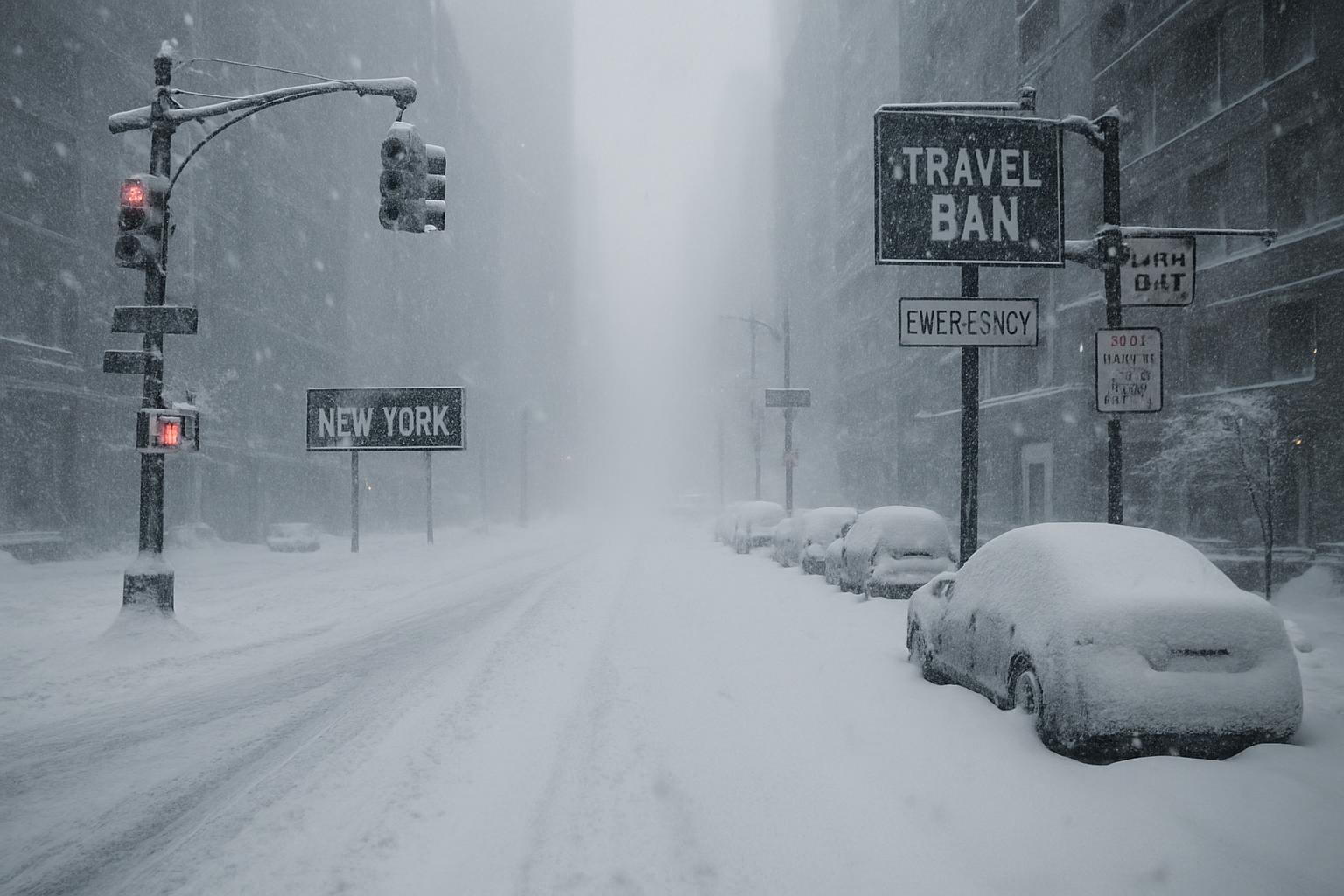
Historic Nor'easter Storm Paralyzes US North-East with Blizzard Warnings and Travel Bans

China Sets Lowest GDP Growth Target in Decades Amid Economic Challenges

Cuba Faces Widespread Blackout Amid Deepening Fuel Crisis

UK Faces Dilemmas Amid Iran Conflict and China Spying Allegations

Google Faces Legal Battle Over AI Chatbot's Alleged Role in Tragic Death

Iran Postpones Khamenei Funeral Amid Escalating US-Israeli Strikes
Maine Jet Crash Claims Six Lives Amid Severe Winter Storm
In This Article
 Leila Hassan| Published
 HIGHLIGHTS
- A private jet crash at Bangor International Airport in Maine resulted in six fatalities, with one crew member surviving.
- The crash occurred amid a severe winter storm affecting visibility and causing widespread travel disruptions.
- The Bombardier Challenger 600, registered to a Houston-based law firm, crashed shortly after takeoff and caught fire.
- The National Transportation Safety Board (NTSB) is investigating potential causes, including weather and ice accumulation on the wings.
- The airport remains closed as emergency crews respond, and the investigation continues.
A tragic aviation accident at Bangor International Airport in Maine has claimed the lives of six individuals, with one crew member surviving, as a severe winter storm swept across the region. The Bombardier Challenger 600, registered to a Houston-based law firm, crashed shortly after takeoff on Sunday evening, around 7:45 PM local time, according to the Federal Aviation Administration (FAA).
Crash Details and Immediate Aftermath
The jet, carrying a total of seven people, went down under challenging weather conditions, with heavy snowfall and poor visibility reported at the time. The aircraft came to rest inverted and caught fire, prompting immediate response from emergency crews. The airport, located approximately 200 miles north of Boston, was subsequently closed as authorities began their investigation.
Weather Conditions and Investigation
The crash coincided with a major winter storm that has wreaked havoc across much of the United States, causing travel chaos and power outages. The National Weather Service reported that Bangor was under a winter storm warning, with up to 16 inches of snow expected by Tuesday morning. The storm has been linked to at least 15 deaths nationwide and left hundreds of thousands without power.
The National Transportation Safety Board (NTSB) has launched an investigation into the crash, with initial focus on weather conditions and the possibility of ice accumulation on the aircraft's wings. This model of aircraft has experienced similar issues in the past, raising questions about its performance in icy conditions.
Impact on Air Travel
The incident has added to the widespread travel disruptions caused by the storm, with over 11,000 flights canceled and nearly 5,500 delayed across the country. Airports in major cities such as Philadelphia, Washington DC, and New York have been particularly affected.
Audio recordings from air traffic control, reported by CBS News, captured discussions about poor visibility before the crash, although it remains unclear which aircraft were involved in these communications. A controller was heard stating that there was "a passenger aircraft upside down" shortly after the crash.
WHAT THIS MIGHT MEAN
As the investigation unfolds, the NTSB will examine all potential factors contributing to the crash, including mechanical issues and pilot error, alongside the severe weather conditions. The findings could have significant implications for aviation safety regulations, particularly concerning operations in adverse weather.
The incident also highlights the broader impact of extreme weather events on transportation infrastructure, underscoring the need for enhanced preparedness and response strategies. As climate change continues to influence weather patterns, such challenges are likely to become more frequent, necessitating adaptive measures across various sectors.
Images from the Web
Related Articles
Historic Nor'easter Storm Paralyzes US North-East with Blizzard Warnings and Travel Bans
China Sets Lowest GDP Growth Target in Decades Amid Economic Challenges
Cuba Faces Widespread Blackout Amid Deepening Fuel Crisis
UK Faces Dilemmas Amid Iran Conflict and China Spying Allegations
Google Faces Legal Battle Over AI Chatbot's Alleged Role in Tragic Death
Iran Postpones Khamenei Funeral Amid Escalating US-Israeli Strikes