
Hurricane Melissa Devastates Jamaica: Communities Rally for Relief Amid Economic Strain
In This Article
HIGHLIGHTS
- Hurricane Melissa, a category-five storm, has caused significant devastation across Jamaica and other Caribbean islands, with at least 75 confirmed deaths.
- Jamaican Prime Minister Andrew Holness estimates the damage to be equivalent to 28% to 32% of the nation's GDP, impacting homes and key infrastructure.
- Communities in the UK, particularly in West Yorkshire and Leicester, are actively collecting donations to support those affected by the hurricane.
- The storm has intensified discussions on climate change, with Caribbean leaders calling for reparations from high-emission countries.
- Relief efforts are ongoing, but challenges remain due to damaged infrastructure and shortages of essential personnel and supplies.
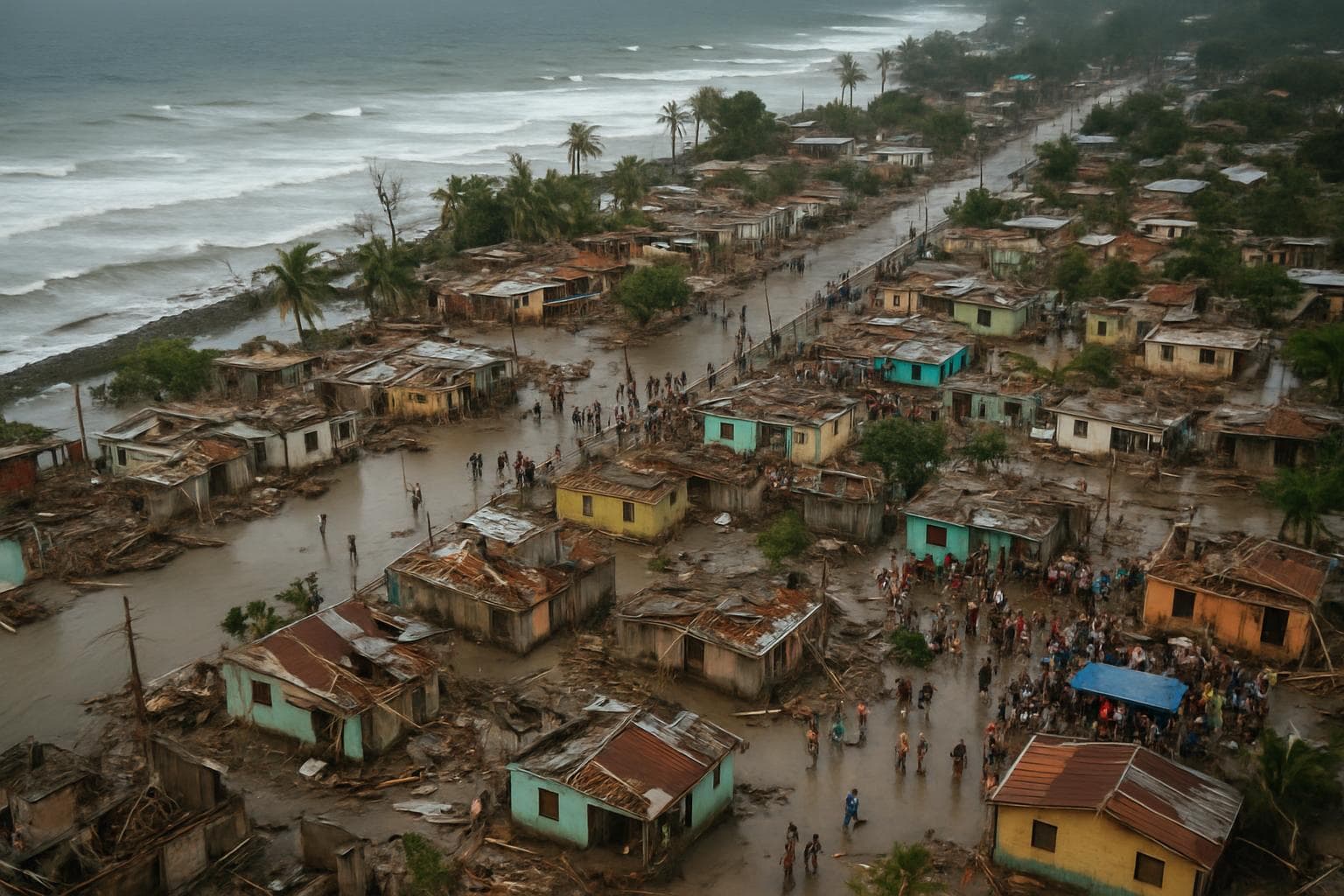
Hurricane Melissa, the most powerful storm to ever hit Jamaica, has left a trail of destruction across the Caribbean, claiming at least 75 lives and causing extensive damage to infrastructure and homes. The storm, which struck on October 28, has prompted an urgent call for aid as communities both locally and internationally mobilize to support those affected.
Economic Impact and Government Response
Jamaican Prime Minister Andrew Holness addressed the nation, revealing that the damage from Hurricane Melissa is estimated to be between $6 billion and $7 billion, equating to nearly one-third of the country's GDP. The economic fallout is expected to reduce short-term output by 8% to 13%. Holness announced the activation of emergency provisions to suspend fiscal rules temporarily and is seeking financial support from regional allies and development agencies. "Hurricane Melissa wasn't only a tragedy: It was a warning," Holness stated, emphasizing the need for infrastructure resilient to climate change.
Community Support and Relief Efforts
In the UK, communities with strong ties to Jamaica have been quick to respond. Organizations in West Yorkshire, such as the Jamaican National Council in Huddersfield and the Jamaica Society in Leeds, are collecting essential items like non-perishable foods and toiletries. Similarly, Leicester's African Caribbean Centre has been inundated with donations, highlighting the solidarity and support from the diaspora. George Cole, the centre's manager, described the scene in Jamaica as "apocalyptic" and stressed the ongoing need for aid.
Climate Change and Future Preparedness
The devastation wrought by Hurricane Melissa has intensified discussions on climate change, with Caribbean leaders urging wealthier nations to provide reparations for their role in global warming. Scientists have noted that rising sea temperatures are fueling more intense storms, a trend that poses a significant threat to the region. Holness pledged to rebuild Jamaica's infrastructure with future storms in mind, including moving parts of the electric grid underground and waiving import taxes on relief products like solar panels.
WHAT THIS MIGHT MEAN
The aftermath of Hurricane Melissa presents both immediate and long-term challenges for Jamaica and the wider Caribbean. In the short term, the focus will be on providing relief to affected communities and restoring essential services. However, the economic impact could strain Jamaica's financial resources, potentially increasing its debt-to-GDP ratio.
Politically, the disaster may strengthen calls for international climate action and reparations, as Caribbean nations seek support from high-emission countries. The situation underscores the urgent need for global cooperation in addressing climate change and its impacts.
Looking ahead, Jamaica's commitment to rebuilding with climate resilience in mind could serve as a model for other vulnerable regions. However, this will require significant investment and international collaboration to ensure that future infrastructure can withstand the increasing severity of storms.
Related Articles

Cat Stolen by Delivery Driver Safely Returned to Yorkshire Family
New Swimming Sites Proposed to Boost Water Quality Across England

Major Policing Overhaul in England and Wales Sparks Debate

Trump Intensifies Pressure on Iran with Aircraft Carrier Deployment Amid Nuclear Deal Talks

US Military Strikes Raise Legal Concerns Amid Anti-Drug Campaign

Families Sue US Government Over Fatal Boat Strikes in Caribbean
Hurricane Melissa Devastates Jamaica: Communities Rally for Relief Amid Economic Strain
In This Article
 Ethan Brooks| Published
 HIGHLIGHTS
- Hurricane Melissa, a category-five storm, has caused significant devastation across Jamaica and other Caribbean islands, with at least 75 confirmed deaths.
- Jamaican Prime Minister Andrew Holness estimates the damage to be equivalent to 28% to 32% of the nation's GDP, impacting homes and key infrastructure.
- Communities in the UK, particularly in West Yorkshire and Leicester, are actively collecting donations to support those affected by the hurricane.
- The storm has intensified discussions on climate change, with Caribbean leaders calling for reparations from high-emission countries.
- Relief efforts are ongoing, but challenges remain due to damaged infrastructure and shortages of essential personnel and supplies.
Hurricane Melissa, the most powerful storm to ever hit Jamaica, has left a trail of destruction across the Caribbean, claiming at least 75 lives and causing extensive damage to infrastructure and homes. The storm, which struck on October 28, has prompted an urgent call for aid as communities both locally and internationally mobilize to support those affected.
Economic Impact and Government Response
Jamaican Prime Minister Andrew Holness addressed the nation, revealing that the damage from Hurricane Melissa is estimated to be between $6 billion and $7 billion, equating to nearly one-third of the country's GDP. The economic fallout is expected to reduce short-term output by 8% to 13%. Holness announced the activation of emergency provisions to suspend fiscal rules temporarily and is seeking financial support from regional allies and development agencies. "Hurricane Melissa wasn't only a tragedy: It was a warning," Holness stated, emphasizing the need for infrastructure resilient to climate change.
Community Support and Relief Efforts
In the UK, communities with strong ties to Jamaica have been quick to respond. Organizations in West Yorkshire, such as the Jamaican National Council in Huddersfield and the Jamaica Society in Leeds, are collecting essential items like non-perishable foods and toiletries. Similarly, Leicester's African Caribbean Centre has been inundated with donations, highlighting the solidarity and support from the diaspora. George Cole, the centre's manager, described the scene in Jamaica as "apocalyptic" and stressed the ongoing need for aid.
Climate Change and Future Preparedness
The devastation wrought by Hurricane Melissa has intensified discussions on climate change, with Caribbean leaders urging wealthier nations to provide reparations for their role in global warming. Scientists have noted that rising sea temperatures are fueling more intense storms, a trend that poses a significant threat to the region. Holness pledged to rebuild Jamaica's infrastructure with future storms in mind, including moving parts of the electric grid underground and waiving import taxes on relief products like solar panels.
WHAT THIS MIGHT MEAN
The aftermath of Hurricane Melissa presents both immediate and long-term challenges for Jamaica and the wider Caribbean. In the short term, the focus will be on providing relief to affected communities and restoring essential services. However, the economic impact could strain Jamaica's financial resources, potentially increasing its debt-to-GDP ratio.
Politically, the disaster may strengthen calls for international climate action and reparations, as Caribbean nations seek support from high-emission countries. The situation underscores the urgent need for global cooperation in addressing climate change and its impacts.
Looking ahead, Jamaica's commitment to rebuilding with climate resilience in mind could serve as a model for other vulnerable regions. However, this will require significant investment and international collaboration to ensure that future infrastructure can withstand the increasing severity of storms.
Related Articles
Cat Stolen by Delivery Driver Safely Returned to Yorkshire Family
New Swimming Sites Proposed to Boost Water Quality Across England
Major Policing Overhaul in England and Wales Sparks Debate
Trump Intensifies Pressure on Iran with Aircraft Carrier Deployment Amid Nuclear Deal Talks
US Military Strikes Raise Legal Concerns Amid Anti-Drug Campaign
Families Sue US Government Over Fatal Boat Strikes in Caribbean