
Families Sue US Government Over Fatal Boat Strikes in Caribbean

In This Article
HIGHLIGHTS
- Families of Chad Joseph and Rishi Samaroo have filed a wrongful death lawsuit against the US government following a military strike on their boat off Venezuela on October 14.
- The lawsuit, filed in Boston, claims the killings were illegal and lacked legal justification, citing the Death on the High Seas Act and the Alien Torts Act.
- The US has conducted 36 similar strikes since September, targeting alleged drug-smuggling boats, resulting in over 120 deaths.
- Legal experts argue these actions may violate international law, despite the Trump administration's stance that they are part of a non-international armed conflict.
- The Pentagon has yet to respond to the lawsuit, which is the first federal case of its kind related to these strikes.
In a landmark legal move, the families of two Trinidadian men killed in a US military strike on a boat off the coast of Venezuela have filed a wrongful death lawsuit against the United States government. The lawsuit, submitted to a federal court in Boston, challenges the legality of the October 14 strike that claimed the lives of Chad Joseph, 26, and Rishi Samaroo, 41, along with four others.
Legal Grounds and Allegations
The lawsuit, brought forward by civil rights attorneys on behalf of the victims' families, argues that the killings were unlawful, citing the Death on the High Seas Act and the Alien Torts Act. These statutes allow foreign nationals to seek justice in US courts for wrongful deaths and international law violations. The families contend that Joseph and Samaroo, who were returning to Trinidad from Venezuela, were not involved in any military hostilities against the US.
Context of the Strikes
Since September, the US has conducted 36 similar strikes in the Caribbean and Eastern Pacific, targeting boats allegedly linked to drug cartels and gangs. These operations, part of the Trump administration's campaign against "narco-terrorists," have resulted in over 120 deaths. However, legal scholars argue that these actions could breach international law, as they involve attacks on civilians far from US shores.
Reactions and Legal Implications
The Pentagon has not yet commented on the lawsuit, which is the first federal case related to these strikes. Jonathan Hafetz, a legal expert from Seton Hall University, described the situation as unprecedented, stating, "This is uncharted water. Never before in the country’s history has the government asserted this type of power."
WHAT THIS MIGHT MEAN
The outcome of this lawsuit could set a significant precedent for how the US conducts military operations against alleged drug traffickers in international waters. If the court rules in favor of the families, it may prompt a reevaluation of the legal frameworks governing such strikes and potentially lead to increased scrutiny of US military actions abroad. Legal experts suggest that this case could influence future interpretations of international law and the application of the Death on the High Seas Act. As the legal proceedings unfold, the international community will be watching closely, potentially impacting diplomatic relations and US foreign policy.
Images from the Web

Related Articles
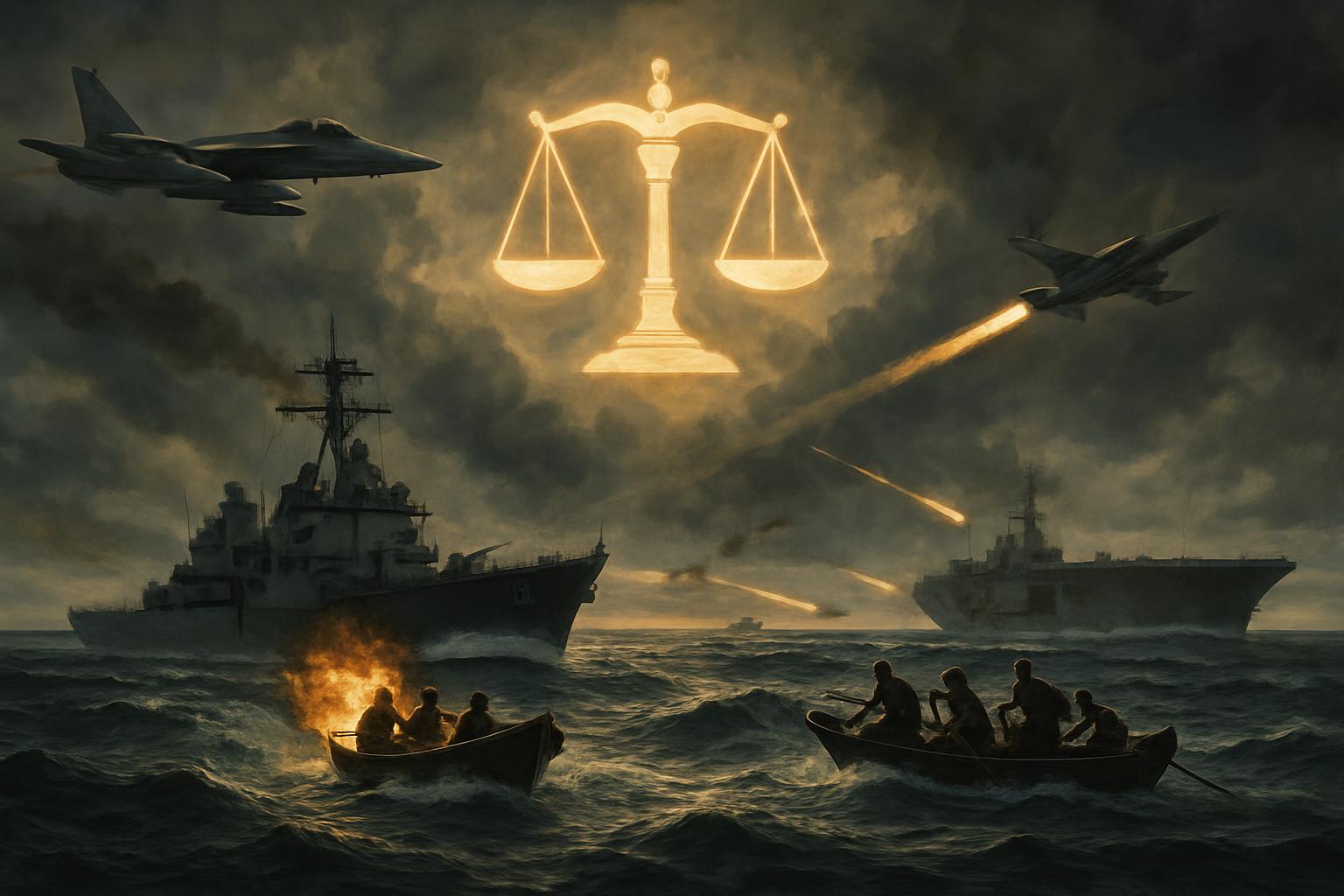
US Military Strikes on Alleged Drug Boats Raise Legal Concerns

US and Israel Intensify Military Campaign as Iran's Capabilities Dwindle
Trump to Direct Release of Pentagon UFO Files Amid Renewed Interest

Geneva Peace Talks: Russia and Ukraine Seek Resolution Amid Ongoing Conflict

Clintons to Testify as Epstein Files Spark Allegations of Cover-Up
Trump Intensifies Pressure on Iran with Aircraft Carrier Deployment Amid Nuclear Deal Talks
Families Sue US Government Over Fatal Boat Strikes in Caribbean
In This Article
 Ethan Brooks| Published
 HIGHLIGHTS
- Families of Chad Joseph and Rishi Samaroo have filed a wrongful death lawsuit against the US government following a military strike on their boat off Venezuela on October 14.
- The lawsuit, filed in Boston, claims the killings were illegal and lacked legal justification, citing the Death on the High Seas Act and the Alien Torts Act.
- The US has conducted 36 similar strikes since September, targeting alleged drug-smuggling boats, resulting in over 120 deaths.
- Legal experts argue these actions may violate international law, despite the Trump administration's stance that they are part of a non-international armed conflict.
- The Pentagon has yet to respond to the lawsuit, which is the first federal case of its kind related to these strikes.
In a landmark legal move, the families of two Trinidadian men killed in a US military strike on a boat off the coast of Venezuela have filed a wrongful death lawsuit against the United States government. The lawsuit, submitted to a federal court in Boston, challenges the legality of the October 14 strike that claimed the lives of Chad Joseph, 26, and Rishi Samaroo, 41, along with four others.
Legal Grounds and Allegations
The lawsuit, brought forward by civil rights attorneys on behalf of the victims' families, argues that the killings were unlawful, citing the Death on the High Seas Act and the Alien Torts Act. These statutes allow foreign nationals to seek justice in US courts for wrongful deaths and international law violations. The families contend that Joseph and Samaroo, who were returning to Trinidad from Venezuela, were not involved in any military hostilities against the US.
Context of the Strikes
Since September, the US has conducted 36 similar strikes in the Caribbean and Eastern Pacific, targeting boats allegedly linked to drug cartels and gangs. These operations, part of the Trump administration's campaign against "narco-terrorists," have resulted in over 120 deaths. However, legal scholars argue that these actions could breach international law, as they involve attacks on civilians far from US shores.
Reactions and Legal Implications
The Pentagon has not yet commented on the lawsuit, which is the first federal case related to these strikes. Jonathan Hafetz, a legal expert from Seton Hall University, described the situation as unprecedented, stating, "This is uncharted water. Never before in the country’s history has the government asserted this type of power."
WHAT THIS MIGHT MEAN
The outcome of this lawsuit could set a significant precedent for how the US conducts military operations against alleged drug traffickers in international waters. If the court rules in favor of the families, it may prompt a reevaluation of the legal frameworks governing such strikes and potentially lead to increased scrutiny of US military actions abroad. Legal experts suggest that this case could influence future interpretations of international law and the application of the Death on the High Seas Act. As the legal proceedings unfold, the international community will be watching closely, potentially impacting diplomatic relations and US foreign policy.
Images from the Web
Related Articles
US Military Strikes on Alleged Drug Boats Raise Legal Concerns
US and Israel Intensify Military Campaign as Iran's Capabilities Dwindle
Trump to Direct Release of Pentagon UFO Files Amid Renewed Interest
Geneva Peace Talks: Russia and Ukraine Seek Resolution Amid Ongoing Conflict
Clintons to Testify as Epstein Files Spark Allegations of Cover-Up
Trump Intensifies Pressure on Iran with Aircraft Carrier Deployment Amid Nuclear Deal Talks