
Illinois Landlord Convicted of Hate Crime Dies in Prison Amid Rising Islamophobia Concerns
In This Article
HIGHLIGHTS
- Joseph Czuba, convicted of murdering Palestinian-American boy Wadea al-Fayoume, died in prison after serving less than three months of his 53-year sentence.
- The attack, motivated by Islamophobia, occurred shortly after the Israel-Gaza conflict began in October 2023.
- Czuba was found guilty of first-degree murder, attempted murder, and hate crime charges, with the jury reaching a verdict in under 90 minutes.
- The case highlighted rising anti-Muslim discrimination in the US, drawing significant attention and sparking community memorials for the young victim.
- Ahmed Rehab of the Council on American-Islamic Relations emphasized that while Czuba's death ends his life, the underlying hate persists.
Joseph Czuba, the Illinois landlord convicted of a brutal hate crime that claimed the life of six-year-old Palestinian-American Wadea al-Fayoume, has died in prison. Czuba, 73, passed away on Thursday while in the custody of the Illinois Department of Corrections, having served less than three months of his 53-year sentence. The cause of death remains undisclosed.
A Crime Rooted in Hate
The violent incident unfolded in October 2023, shortly after the onset of the Israel-Gaza conflict. Czuba, fueled by anti-Muslim sentiments, attacked his tenants, Wadea and his mother, Hanaan Shaheen, in their Plainfield home, approximately 40 miles from Chicago. The attack left the young boy dead and his mother severely injured. Czuba was convicted of first-degree murder, attempted murder, and hate crime charges, with the jury delivering a swift verdict after less than 90 minutes of deliberation.
Community Impact and Response
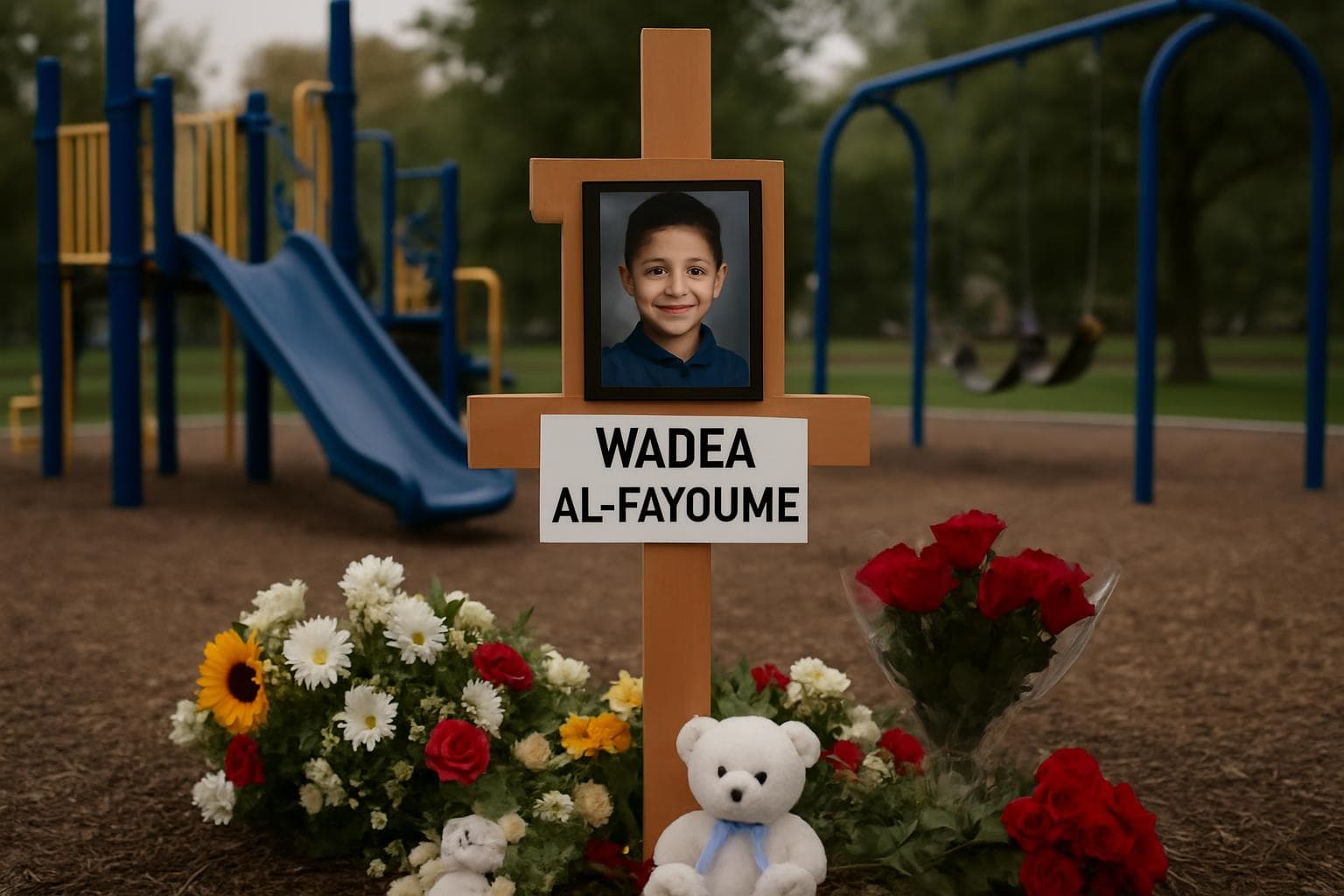
The case resonated deeply within the US, particularly in Plainfield, which hosts a significant Palestinian community. The attack underscored the rising tide of Islamophobia and anti-Palestinian sentiment in the country. In June, a memorial was unveiled at a local playground to honor Wadea's memory, drawing large crowds and community support.
Ongoing Concerns Over Discrimination
Ahmed Rehab, executive director of the Council on American-Islamic Relations' Chicago office, remarked on the persistent nature of hate, stating, "This depraved killer has died, but the hate is still alive and well." The case has spotlighted the broader issue of discrimination against Muslims and Palestinians, exacerbated by the ongoing conflict in the Middle East.
WHAT THIS MIGHT MEAN
The death of Joseph Czuba closes a chapter on a horrific crime but leaves unresolved issues of hate and discrimination that continue to plague communities. The case has heightened awareness of Islamophobia in the US, potentially prompting increased advocacy and policy discussions aimed at combating such prejudice. As tensions related to the Israel-Gaza conflict persist, experts warn of the need for vigilance and proactive measures to protect vulnerable communities from similar acts of violence. The memorialization of Wadea al-Fayoume serves as a poignant reminder of the human cost of hate and the ongoing struggle for tolerance and understanding.
Related Articles

US-Iran Tensions Escalate Amid Renewed Nuclear Talks and Protests

China Sets Lowest GDP Growth Target in Decades Amid Economic Challenges

Canada and Australia Forge Strategic Partnership Amid Global Uncertainty

Cuba Faces Widespread Blackout Amid Deepening Fuel Crisis

Middle East Conflict Drives UK Energy Prices to New Highs

UK Faces Dilemmas Amid Iran Conflict and China Spying Allegations
Illinois Landlord Convicted of Hate Crime Dies in Prison Amid Rising Islamophobia Concerns
In This Article
 Sofia Romano| Published
 HIGHLIGHTS
- Joseph Czuba, convicted of murdering Palestinian-American boy Wadea al-Fayoume, died in prison after serving less than three months of his 53-year sentence.
- The attack, motivated by Islamophobia, occurred shortly after the Israel-Gaza conflict began in October 2023.
- Czuba was found guilty of first-degree murder, attempted murder, and hate crime charges, with the jury reaching a verdict in under 90 minutes.
- The case highlighted rising anti-Muslim discrimination in the US, drawing significant attention and sparking community memorials for the young victim.
- Ahmed Rehab of the Council on American-Islamic Relations emphasized that while Czuba's death ends his life, the underlying hate persists.
Joseph Czuba, the Illinois landlord convicted of a brutal hate crime that claimed the life of six-year-old Palestinian-American Wadea al-Fayoume, has died in prison. Czuba, 73, passed away on Thursday while in the custody of the Illinois Department of Corrections, having served less than three months of his 53-year sentence. The cause of death remains undisclosed.
A Crime Rooted in Hate
The violent incident unfolded in October 2023, shortly after the onset of the Israel-Gaza conflict. Czuba, fueled by anti-Muslim sentiments, attacked his tenants, Wadea and his mother, Hanaan Shaheen, in their Plainfield home, approximately 40 miles from Chicago. The attack left the young boy dead and his mother severely injured. Czuba was convicted of first-degree murder, attempted murder, and hate crime charges, with the jury delivering a swift verdict after less than 90 minutes of deliberation.
Community Impact and Response
The case resonated deeply within the US, particularly in Plainfield, which hosts a significant Palestinian community. The attack underscored the rising tide of Islamophobia and anti-Palestinian sentiment in the country. In June, a memorial was unveiled at a local playground to honor Wadea's memory, drawing large crowds and community support.
Ongoing Concerns Over Discrimination
Ahmed Rehab, executive director of the Council on American-Islamic Relations' Chicago office, remarked on the persistent nature of hate, stating, "This depraved killer has died, but the hate is still alive and well." The case has spotlighted the broader issue of discrimination against Muslims and Palestinians, exacerbated by the ongoing conflict in the Middle East.
WHAT THIS MIGHT MEAN
The death of Joseph Czuba closes a chapter on a horrific crime but leaves unresolved issues of hate and discrimination that continue to plague communities. The case has heightened awareness of Islamophobia in the US, potentially prompting increased advocacy and policy discussions aimed at combating such prejudice. As tensions related to the Israel-Gaza conflict persist, experts warn of the need for vigilance and proactive measures to protect vulnerable communities from similar acts of violence. The memorialization of Wadea al-Fayoume serves as a poignant reminder of the human cost of hate and the ongoing struggle for tolerance and understanding.
Related Articles
US-Iran Tensions Escalate Amid Renewed Nuclear Talks and Protests
China Sets Lowest GDP Growth Target in Decades Amid Economic Challenges
Canada and Australia Forge Strategic Partnership Amid Global Uncertainty
Cuba Faces Widespread Blackout Amid Deepening Fuel Crisis
Middle East Conflict Drives UK Energy Prices to New Highs
UK Faces Dilemmas Amid Iran Conflict and China Spying Allegations