
IMF Upgrades Global Growth Forecast Amid Eased US Tariffs, Warns of Persistent Risks

In This Article
HIGHLIGHTS
- The IMF has upgraded its global economic growth forecast for 2025 to 3% and 3.1% for 2026, citing eased US tariffs.
- The UK is projected to grow by 1.2% this year, maintaining its position as the third fastest-growing advanced economy.
- Despite tariff reductions, the IMF warns of persistent risks and uncertainties in global trade policies.
- US tariffs on imports remain historically high, with ongoing negotiations and potential new agreements.
- Inflation is expected to stay above target in the US due to import taxes affecting consumer prices.
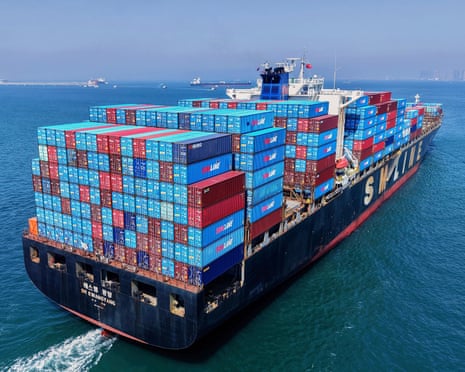
The International Monetary Fund (IMF) has revised its global economic growth forecast upwards, projecting a 3% growth rate for 2025 and 3.1% for 2026. This adjustment comes as a result of the recent easing of US tariffs, which has spurred a recovery in global trade. However, the IMF cautions that significant risks remain due to ongoing uncertainties in international trade policies.
Eased Tariffs and Economic Impact
The IMF's latest forecast reflects a modest de-escalation in trade tensions, particularly following US President Donald Trump's decision to scale back some of the more extreme tariff threats. This move has contributed to a broader economic expansion, with the UK expected to grow by 1.2% this year, making it the third fastest-growing economy among advanced nations, following the US and Canada.
Despite these positive developments, the IMF warns that the global economy is still vulnerable. Pierre-Olivier Gourinchas, the IMF's chief economist, noted that while the reduction in trade tensions has provided some resilience, the world economy continues to face challenges. "The world economy is still hurting," Gourinchas stated, emphasizing that tariffs, although reduced, remain at historically high levels.
Ongoing Trade Negotiations
The US has partially reversed its tariff policies, reducing the effective tariff rate from 24% to approximately 17%. However, the situation remains fluid, with the White House setting deadlines for new trade agreements with countries like Vietnam and South Korea. The lack of comprehensive agreements could weigh heavily on future investment and economic activity.
In recent developments, the US has negotiated deals with the EU and Japan, limiting tariffs in exchange for commitments to purchase US goods. These agreements, while providing temporary relief, highlight the ongoing uncertainty in global trade relations.
Inflation and Economic Risks
The IMF also projects that inflation will remain above target levels in the US, as import taxes continue to impact consumer prices. This economic environment poses additional challenges, with potential implications for central bank policies and interest rates.
WHAT THIS MIGHT MEAN
Looking ahead, the global economic landscape remains uncertain, with potential shifts in trade policies and international agreements. The IMF's upgraded forecast provides a cautiously optimistic outlook, but the persistence of high tariffs and trade tensions could hinder long-term growth. Experts suggest that comprehensive trade agreements are crucial to stabilizing the global economy and fostering sustainable growth.
As negotiations continue, the focus will be on how countries navigate these complex trade dynamics. The outcomes of these discussions could significantly influence global economic stability and the future trajectory of international trade.
Images from the Web
Related Articles
China Sets Lowest GDP Growth Target in Decades Amid Economic Challenges

Tech Giants Pledge to Cover AI Data Center Energy Costs Amid Rising Electricity Concerns
Spain's Sánchez Stands Firm Against Trump's Trade Threat Over Iran Stance

Cuba Faces Widespread Blackout Amid Deepening Fuel Crisis

UK Faces Dilemmas Amid Iran Conflict and China Spying Allegations
Canada Calls for De-escalation Amid US-Israel Strikes on Iran
IMF Upgrades Global Growth Forecast Amid Eased US Tariffs, Warns of Persistent Risks
In This Article
 Daniel Rivera| Published
 HIGHLIGHTS
- The IMF has upgraded its global economic growth forecast for 2025 to 3% and 3.1% for 2026, citing eased US tariffs.
- The UK is projected to grow by 1.2% this year, maintaining its position as the third fastest-growing advanced economy.
- Despite tariff reductions, the IMF warns of persistent risks and uncertainties in global trade policies.
- US tariffs on imports remain historically high, with ongoing negotiations and potential new agreements.
- Inflation is expected to stay above target in the US due to import taxes affecting consumer prices.
The International Monetary Fund (IMF) has revised its global economic growth forecast upwards, projecting a 3% growth rate for 2025 and 3.1% for 2026. This adjustment comes as a result of the recent easing of US tariffs, which has spurred a recovery in global trade. However, the IMF cautions that significant risks remain due to ongoing uncertainties in international trade policies.
Eased Tariffs and Economic Impact
The IMF's latest forecast reflects a modest de-escalation in trade tensions, particularly following US President Donald Trump's decision to scale back some of the more extreme tariff threats. This move has contributed to a broader economic expansion, with the UK expected to grow by 1.2% this year, making it the third fastest-growing economy among advanced nations, following the US and Canada.
Despite these positive developments, the IMF warns that the global economy is still vulnerable. Pierre-Olivier Gourinchas, the IMF's chief economist, noted that while the reduction in trade tensions has provided some resilience, the world economy continues to face challenges. "The world economy is still hurting," Gourinchas stated, emphasizing that tariffs, although reduced, remain at historically high levels.
Ongoing Trade Negotiations
The US has partially reversed its tariff policies, reducing the effective tariff rate from 24% to approximately 17%. However, the situation remains fluid, with the White House setting deadlines for new trade agreements with countries like Vietnam and South Korea. The lack of comprehensive agreements could weigh heavily on future investment and economic activity.
In recent developments, the US has negotiated deals with the EU and Japan, limiting tariffs in exchange for commitments to purchase US goods. These agreements, while providing temporary relief, highlight the ongoing uncertainty in global trade relations.
Inflation and Economic Risks
The IMF also projects that inflation will remain above target levels in the US, as import taxes continue to impact consumer prices. This economic environment poses additional challenges, with potential implications for central bank policies and interest rates.
WHAT THIS MIGHT MEAN
Looking ahead, the global economic landscape remains uncertain, with potential shifts in trade policies and international agreements. The IMF's upgraded forecast provides a cautiously optimistic outlook, but the persistence of high tariffs and trade tensions could hinder long-term growth. Experts suggest that comprehensive trade agreements are crucial to stabilizing the global economy and fostering sustainable growth.
As negotiations continue, the focus will be on how countries navigate these complex trade dynamics. The outcomes of these discussions could significantly influence global economic stability and the future trajectory of international trade.
Images from the Web
Related Articles
China Sets Lowest GDP Growth Target in Decades Amid Economic Challenges
Tech Giants Pledge to Cover AI Data Center Energy Costs Amid Rising Electricity Concerns
Spain's Sánchez Stands Firm Against Trump's Trade Threat Over Iran Stance
Cuba Faces Widespread Blackout Amid Deepening Fuel Crisis
UK Faces Dilemmas Amid Iran Conflict and China Spying Allegations
Canada Calls for De-escalation Amid US-Israel Strikes on Iran