
India Celebrates Return of Sacred Buddha Relics from Sotheby's Auction
In This Article
HIGHLIGHTS
- Sotheby's returned the Piprahwa gems, linked to Buddha's remains, to India after diplomatic pressure and legal threats.
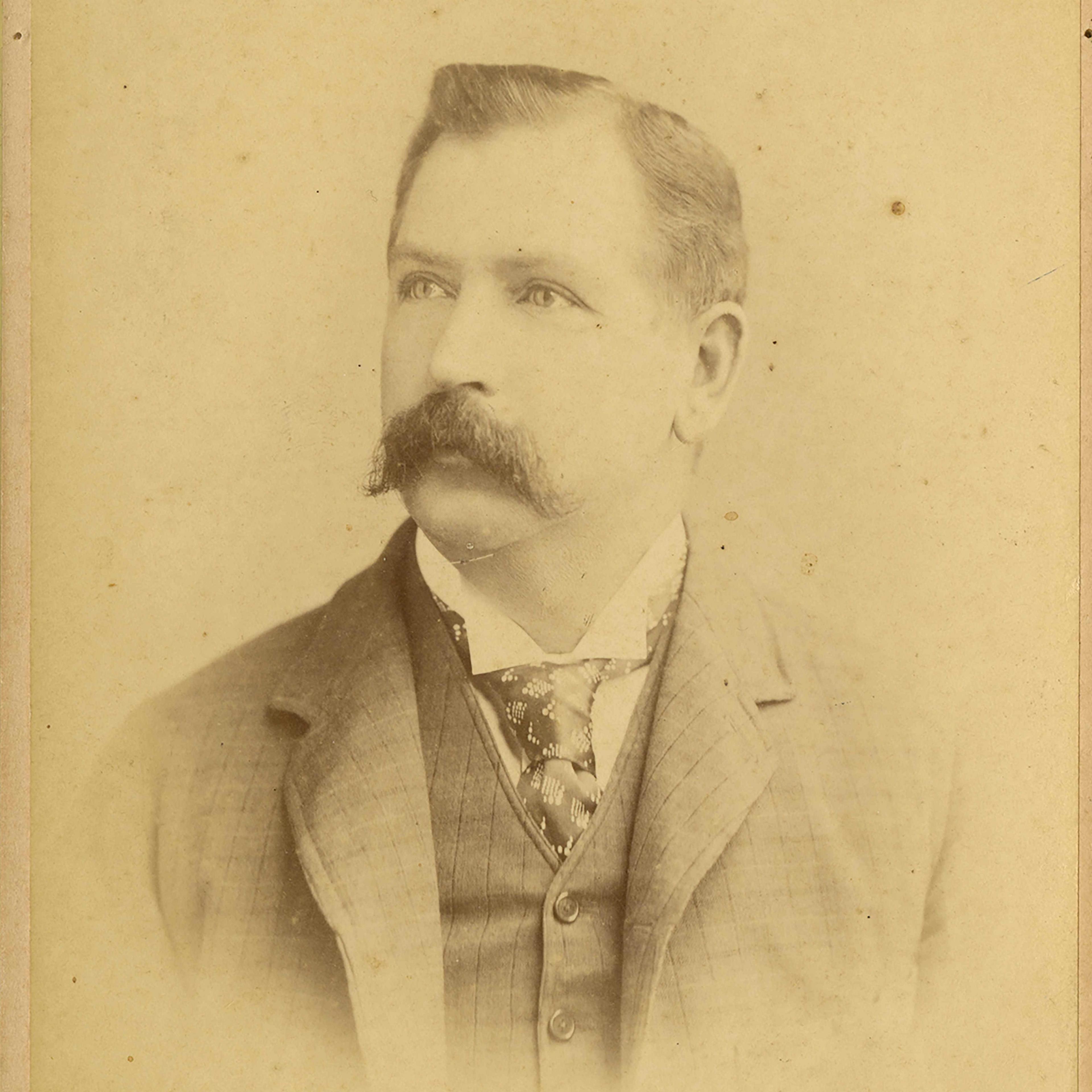
- The gems were originally unearthed in 1898 by William Claxton Peppé and were set to be auctioned in Hong Kong.
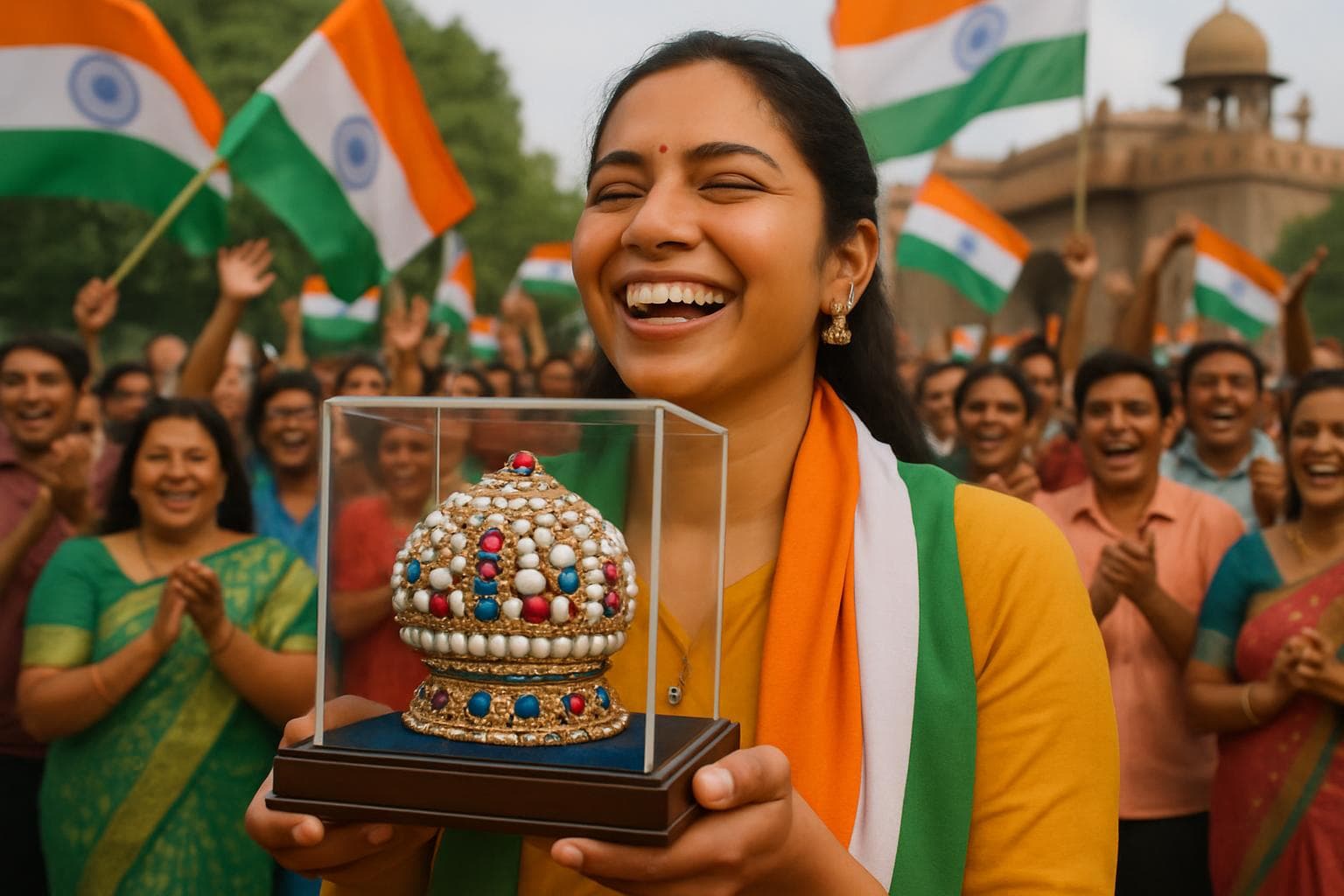
- Indian Prime Minister Narendra Modi celebrated the return as a victory for India's cultural heritage.
- Godrej Industries Group acquired the gems, which will be displayed publicly in India.
- The gems' auction had sparked ethical debates over the sale of sacred Buddhist artefacts.
In a significant cultural victory, India has successfully repatriated the Piprahwa gems, a collection of ancient jewels linked to the remains of the Buddha, from Sotheby's auction house. The return follows intense diplomatic efforts and legal threats from the Indian government, which halted the planned auction in Hong Kong.
Historic Repatriation Efforts
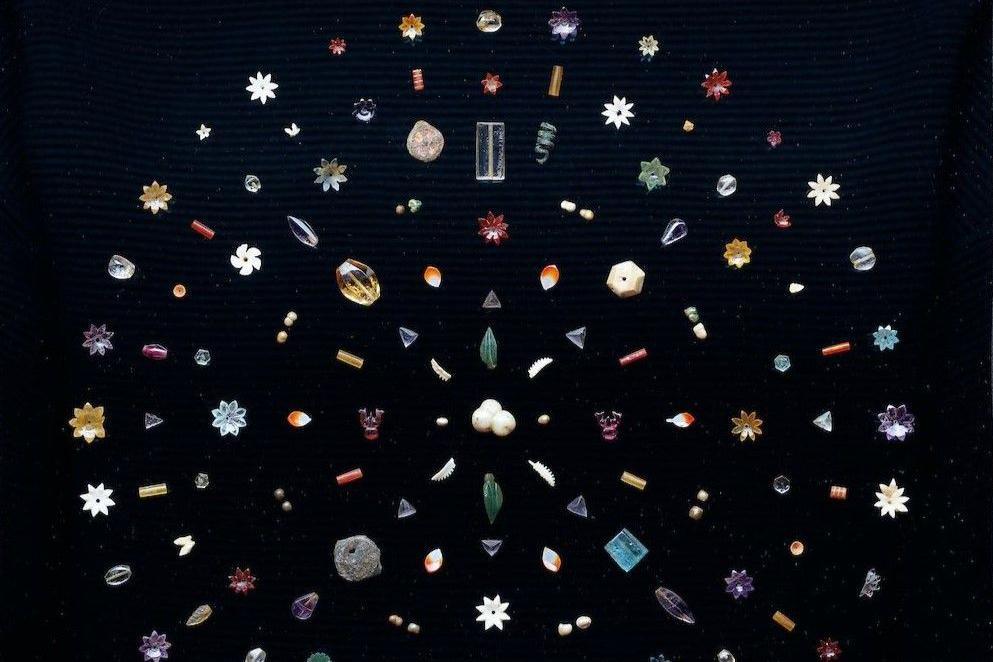
The Piprahwa gems, unearthed in 1898 by British estate manager William Claxton Peppé, were initially set to be auctioned in May. However, the Indian culture ministry intervened, citing violations of cultural heritage laws and threatening legal action in both Indian and Hong Kong courts. The gems, believed by many Buddhists to be imbued with the presence of the Buddha, include a dazzling array of pearls, rubies, sapphires, and gold sheets.
A Proud Moment for India
Indian Prime Minister Narendra Modi announced the return of the gems on social media, describing it as a "proud and joyous moment" for the nation's cultural heritage. The gems, now acquired by the Mumbai-based Godrej Industries Group, will be displayed permanently in India. "The Piprahwa gems are not just artefacts; they are timeless symbols of peace, compassion, and the shared heritage of humanity," stated Pirojsha Godrej, Executive Vice Chairperson of Godrej Industries.
Ethical Concerns and Cultural Significance
The planned auction had sparked widespread ethical concerns among Buddhist leaders and scholars, who questioned the morality of selling sacred objects linked to human remains. The gems, originally buried in a stupa in Piprahwa, Uttar Pradesh, are considered a shared heritage of the Buddha's Sakya clan and Buddhists worldwide. The return of these relics underscores India's commitment to preserving its cultural legacy.
WHAT THIS MIGHT MEAN
The successful repatriation of the Piprahwa gems may set a precedent for future efforts to reclaim cultural artefacts from international auctions. Legal experts suggest that this case could encourage other nations to pursue similar diplomatic and legal avenues to recover their heritage. Politically, the move strengthens India's cultural diplomacy and showcases its dedication to protecting its historical treasures. As the gems go on public display, they are likely to attract global attention, further highlighting the importance of cultural preservation in an increasingly interconnected world.
Images from the Web
Related Articles

US Supreme Court Ruling Sparks Trade Uncertainty in Asia and Beyond

India's AI Impact Summit Faces Logistical Hurdles Amid Global AI Discussions

Canada Calls for De-escalation Amid US-Israel Strikes on Iran

Bill Gates Withdraws from India AI Summit Amid Epstein Controversy
Bangladesh Nationalist Party Wins Historic Election Amidst Political Transformation
Sanae Takaichi Secures Landslide Victory in Japan's Snap Election
India Celebrates Return of Sacred Buddha Relics from Sotheby's Auction
In This Article
HIGHLIGHTS
- Sotheby's returned the Piprahwa gems, linked to Buddha's remains, to India after diplomatic pressure and legal threats.
- The gems were originally unearthed in 1898 by William Claxton Peppé and were set to be auctioned in Hong Kong.
- Indian Prime Minister Narendra Modi celebrated the return as a victory for India's cultural heritage.
- Godrej Industries Group acquired the gems, which will be displayed publicly in India.
- The gems' auction had sparked ethical debates over the sale of sacred Buddhist artefacts.
In a significant cultural victory, India has successfully repatriated the Piprahwa gems, a collection of ancient jewels linked to the remains of the Buddha, from Sotheby's auction house. The return follows intense diplomatic efforts and legal threats from the Indian government, which halted the planned auction in Hong Kong.
Historic Repatriation Efforts
The Piprahwa gems, unearthed in 1898 by British estate manager William Claxton Peppé, were initially set to be auctioned in May. However, the Indian culture ministry intervened, citing violations of cultural heritage laws and threatening legal action in both Indian and Hong Kong courts. The gems, believed by many Buddhists to be imbued with the presence of the Buddha, include a dazzling array of pearls, rubies, sapphires, and gold sheets.
A Proud Moment for India
Indian Prime Minister Narendra Modi announced the return of the gems on social media, describing it as a "proud and joyous moment" for the nation's cultural heritage. The gems, now acquired by the Mumbai-based Godrej Industries Group, will be displayed permanently in India. "The Piprahwa gems are not just artefacts; they are timeless symbols of peace, compassion, and the shared heritage of humanity," stated Pirojsha Godrej, Executive Vice Chairperson of Godrej Industries.
Ethical Concerns and Cultural Significance
The planned auction had sparked widespread ethical concerns among Buddhist leaders and scholars, who questioned the morality of selling sacred objects linked to human remains. The gems, originally buried in a stupa in Piprahwa, Uttar Pradesh, are considered a shared heritage of the Buddha's Sakya clan and Buddhists worldwide. The return of these relics underscores India's commitment to preserving its cultural legacy.
WHAT THIS MIGHT MEAN
The successful repatriation of the Piprahwa gems may set a precedent for future efforts to reclaim cultural artefacts from international auctions. Legal experts suggest that this case could encourage other nations to pursue similar diplomatic and legal avenues to recover their heritage. Politically, the move strengthens India's cultural diplomacy and showcases its dedication to protecting its historical treasures. As the gems go on public display, they are likely to attract global attention, further highlighting the importance of cultural preservation in an increasingly interconnected world.
Images from the Web
Related Articles
US Supreme Court Ruling Sparks Trade Uncertainty in Asia and Beyond
India's AI Impact Summit Faces Logistical Hurdles Amid Global AI Discussions
Canada Calls for De-escalation Amid US-Israel Strikes on Iran
Bill Gates Withdraws from India AI Summit Amid Epstein Controversy
Bangladesh Nationalist Party Wins Historic Election Amidst Political Transformation
Sanae Takaichi Secures Landslide Victory in Japan's Snap Election