
India's New Smartphone Regulation Sparks Privacy Concerns
In This Article
HIGHLIGHTS
- India mandates all new smartphones to come pre-installed with the Sanchar Saathi app, raising privacy concerns.
- The app, launched in January, aims to combat telecom cybersecurity threats and has helped recover over 700,000 lost phones.
- Smartphone manufacturers, including Apple and Samsung, have 90 days to comply with the new order.
- Privacy advocates warn that the app's broad permissions could lead to increased government surveillance.
- The move aligns India with global trends, similar to Russia's recent app pre-installation requirements.
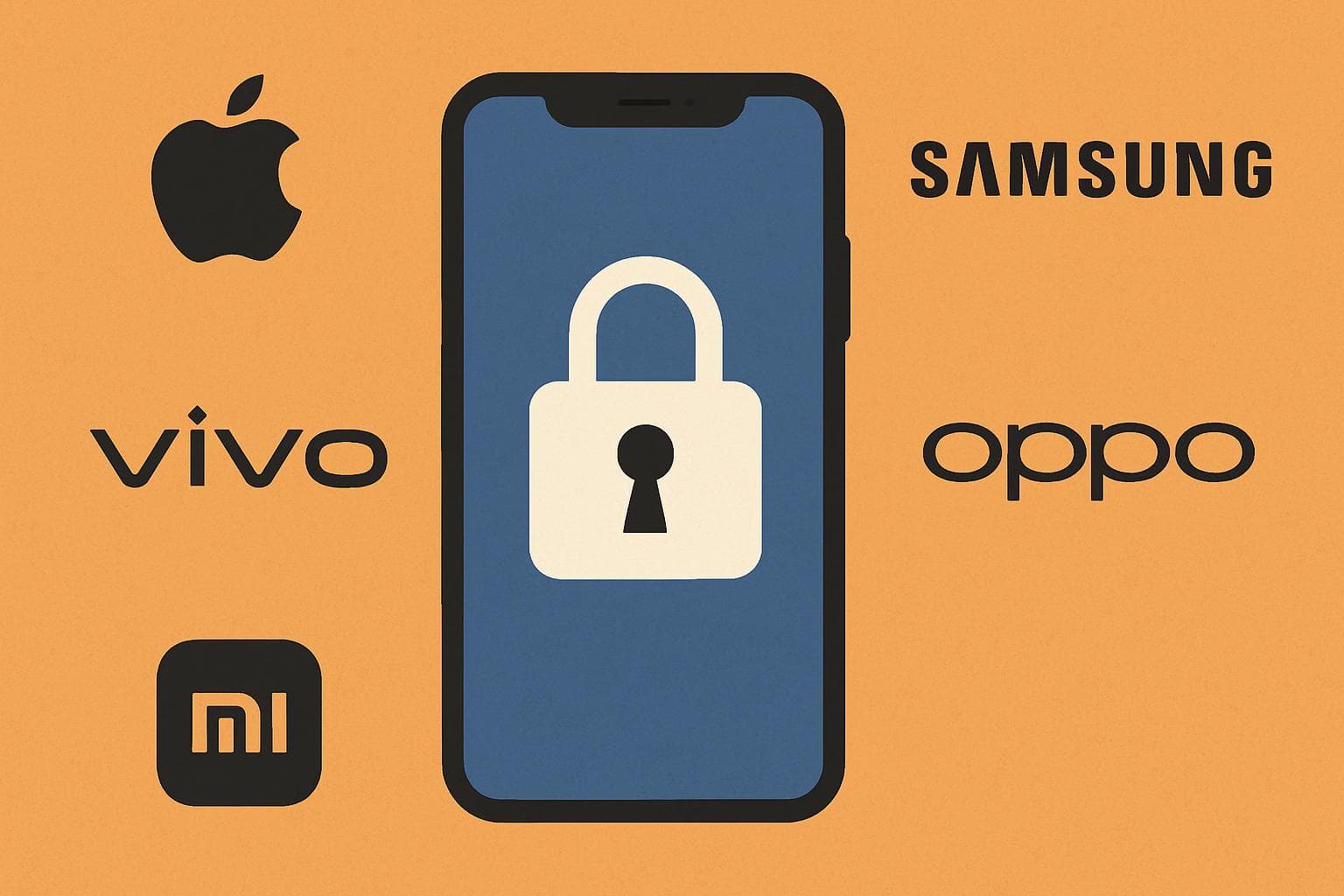
India has issued a directive requiring all new smartphones to be pre-loaded with the Sanchar Saathi app, a state-run cybersecurity tool, in a move that has sparked significant privacy concerns. The order, which was passed last week and made public on Monday, gives smartphone manufacturers 90 days to ensure compliance. This development affects major players in the smartphone market, including Apple, Samsung, Vivo, Oppo, and Xiaomi.
Purpose and Functionality of the Sanchar Saathi App
Launched in January, the Sanchar Saathi app is designed to enhance telecom cybersecurity by allowing users to verify handset authenticity and report misuse of telecom resources. The app enables users to check a device's IMEI number, report lost or stolen phones, and flag fraudulent communications. The Indian government argues that duplicate or spoofed IMEI numbers pose a "serious endangerment" to telecom security, particularly in a market with over 1.2 billion mobile users.
Privacy Concerns and Industry Response
Despite its intended benefits, the app has drawn criticism from privacy advocates who argue that its broad permissions could lead to increased government surveillance. The Internet Freedom Foundation expressed concerns that the app's non-removable nature effectively turns every smartphone into a vessel for state-mandated software. Technology analyst Prasanto K Roy highlighted worries about the app's potential access to various phone functionalities, such as the camera and flashlight.
Global Context and Industry Challenges
India's move mirrors global trends, with countries like Russia implementing similar requirements for state-backed apps. However, the directive poses challenges for companies like Apple, which traditionally resists pre-installing government or third-party apps on its devices. Tarun Pathak, a research director at Counterpoint, suggested that Apple might seek a compromise, potentially negotiating to offer the app as an optional download rather than a mandatory pre-installation.
WHAT THIS MIGHT MEAN
The implementation of India's new smartphone regulation could have significant implications for both consumers and manufacturers. Privacy advocates may continue to challenge the directive, potentially leading to legal battles over user consent and data privacy. For smartphone manufacturers, particularly those like Apple with strict policies on pre-installed apps, navigating compliance while maintaining brand integrity will be crucial. As India aligns with global trends in cybersecurity, the balance between national security and individual privacy rights will remain a contentious issue.
Related Articles

Bill Gates Withdraws from India AI Summit Amid Epstein Controversy

India's AI Impact Summit Faces Logistical Hurdles Amid Global AI Discussions

Russian LNG Tanker Sinks in Mediterranean Amid Accusations of Ukrainian Drone Attack

Iran Postpones Khamenei Funeral Amid Escalating US-Israeli Strikes

Canada Calls for De-escalation Amid US-Israel Strikes on Iran

US Supreme Court Ruling Sparks Trade Uncertainty in Asia and Beyond
India's New Smartphone Regulation Sparks Privacy Concerns
In This Article
 Himanshu Kaushik| Published
 HIGHLIGHTS
- India mandates all new smartphones to come pre-installed with the Sanchar Saathi app, raising privacy concerns.
- The app, launched in January, aims to combat telecom cybersecurity threats and has helped recover over 700,000 lost phones.
- Smartphone manufacturers, including Apple and Samsung, have 90 days to comply with the new order.
- Privacy advocates warn that the app's broad permissions could lead to increased government surveillance.
- The move aligns India with global trends, similar to Russia's recent app pre-installation requirements.
India has issued a directive requiring all new smartphones to be pre-loaded with the Sanchar Saathi app, a state-run cybersecurity tool, in a move that has sparked significant privacy concerns. The order, which was passed last week and made public on Monday, gives smartphone manufacturers 90 days to ensure compliance. This development affects major players in the smartphone market, including Apple, Samsung, Vivo, Oppo, and Xiaomi.
Purpose and Functionality of the Sanchar Saathi App
Launched in January, the Sanchar Saathi app is designed to enhance telecom cybersecurity by allowing users to verify handset authenticity and report misuse of telecom resources. The app enables users to check a device's IMEI number, report lost or stolen phones, and flag fraudulent communications. The Indian government argues that duplicate or spoofed IMEI numbers pose a "serious endangerment" to telecom security, particularly in a market with over 1.2 billion mobile users.
Privacy Concerns and Industry Response
Despite its intended benefits, the app has drawn criticism from privacy advocates who argue that its broad permissions could lead to increased government surveillance. The Internet Freedom Foundation expressed concerns that the app's non-removable nature effectively turns every smartphone into a vessel for state-mandated software. Technology analyst Prasanto K Roy highlighted worries about the app's potential access to various phone functionalities, such as the camera and flashlight.
Global Context and Industry Challenges
India's move mirrors global trends, with countries like Russia implementing similar requirements for state-backed apps. However, the directive poses challenges for companies like Apple, which traditionally resists pre-installing government or third-party apps on its devices. Tarun Pathak, a research director at Counterpoint, suggested that Apple might seek a compromise, potentially negotiating to offer the app as an optional download rather than a mandatory pre-installation.
WHAT THIS MIGHT MEAN
The implementation of India's new smartphone regulation could have significant implications for both consumers and manufacturers. Privacy advocates may continue to challenge the directive, potentially leading to legal battles over user consent and data privacy. For smartphone manufacturers, particularly those like Apple with strict policies on pre-installed apps, navigating compliance while maintaining brand integrity will be crucial. As India aligns with global trends in cybersecurity, the balance between national security and individual privacy rights will remain a contentious issue.
Related Articles
Bill Gates Withdraws from India AI Summit Amid Epstein Controversy
India's AI Impact Summit Faces Logistical Hurdles Amid Global AI Discussions
Russian LNG Tanker Sinks in Mediterranean Amid Accusations of Ukrainian Drone Attack
Iran Postpones Khamenei Funeral Amid Escalating US-Israeli Strikes
Canada Calls for De-escalation Amid US-Israel Strikes on Iran
US Supreme Court Ruling Sparks Trade Uncertainty in Asia and Beyond