
Iranian Crackdown Intensifies with Arrest of Reformist Leaders Amid Protests

In This Article
HIGHLIGHTS
- Azar Mansouri, head of Iran's main reformist coalition, and other key figures have been arrested amid a crackdown on dissent following January's protests.
- Iranian human rights groups report over 6,000 protester deaths, with the government acknowledging at least 3,000 fatalities.
- The arrests are seen as a move to silence moderate voices, impacting President Masoud Pezeshkian, who has called for an inquiry into the protests.
- The crackdown coincides with ongoing Iran-US nuclear talks, with hardliners maintaining influence over the regime's actions.
- BBC News Persian has verified the identities of over 200 protest victims, highlighting personal stories and the human cost of the crackdown.
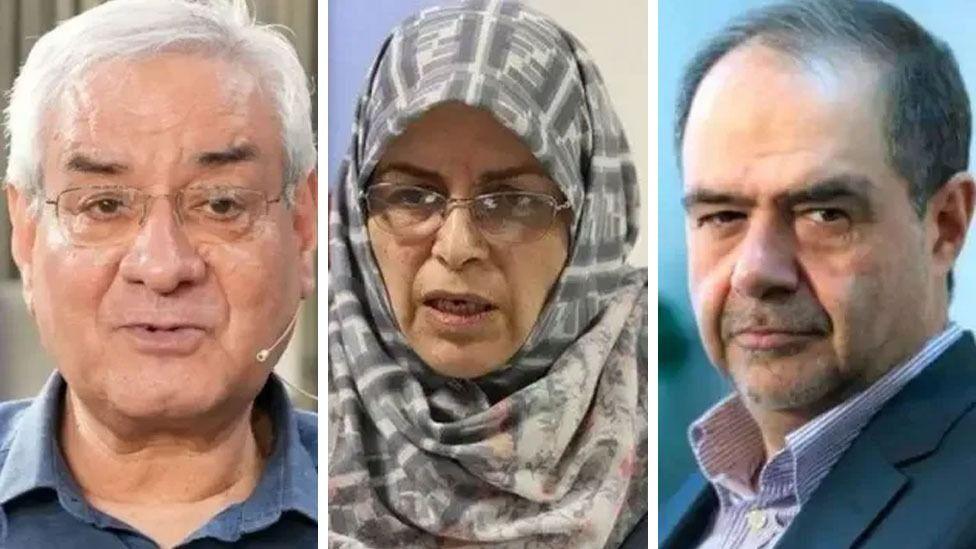
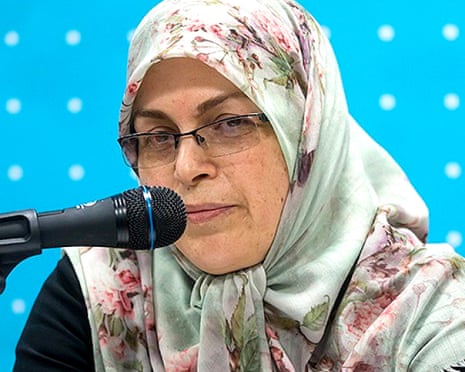
In a significant escalation of Iran's crackdown on dissent, authorities have arrested several prominent reformist figures, including Azar Mansouri, the head of the country's main reformist coalition. This move comes in response to widespread anti-government protests that erupted in January, resulting in a brutal suppression by security forces.
Arrests of Key Reformists
Among those detained are Hossein Karroubi, son of former reformist presidential candidate Mehdi Karroubi, and Javad Emam, the coalition's spokesman. The Tehran prosecutor's office accuses them of undermining national unity and collaborating with foreign adversaries, including the US and Israel. The arrests are perceived as an attempt to stifle moderate voices within the political landscape, further isolating President Masoud Pezeshkian, who had shown a conciliatory stance towards the protesters.
Human Rights Concerns
Human rights organizations have reported over 6,000 protester deaths, a figure significantly higher than the government's acknowledgment of 3,000. BBC News Persian has verified the identities of more than 200 victims, revealing harrowing personal stories. Among them were Mansoureh Heydari and her husband, Behrouz Mansouri, who were killed by security forces in Bushehr. Their deaths, alongside those of many young protesters, underscore the human toll of the crackdown.
Political and International Implications
The arrests coincide with ongoing negotiations between Iran and the US regarding Iran's nuclear program. Despite initial positive discussions, no substantial progress has been made. The presence of hardliners in the Iranian regime, exemplified by the involvement of Ali Larijani in talks with Omani mediators, suggests a continued hardline approach. This has led to criticism from protesters and their supporters, who lament a perceived shift in US policy.
WHAT THIS MIGHT MEAN
The recent arrests of reformist leaders in Iran could further destabilize the country's political environment, potentially leading to increased unrest. With President Pezeshkian's influence waning, the hardliners' grip on power appears to be tightening, which may complicate diplomatic efforts, particularly in the context of nuclear negotiations with the US. Should the crackdown continue, international pressure on Iran could intensify, potentially impacting future diplomatic and economic relations. The human rights situation remains a critical concern, with global observers closely monitoring developments.
Images from the Web
Related Articles
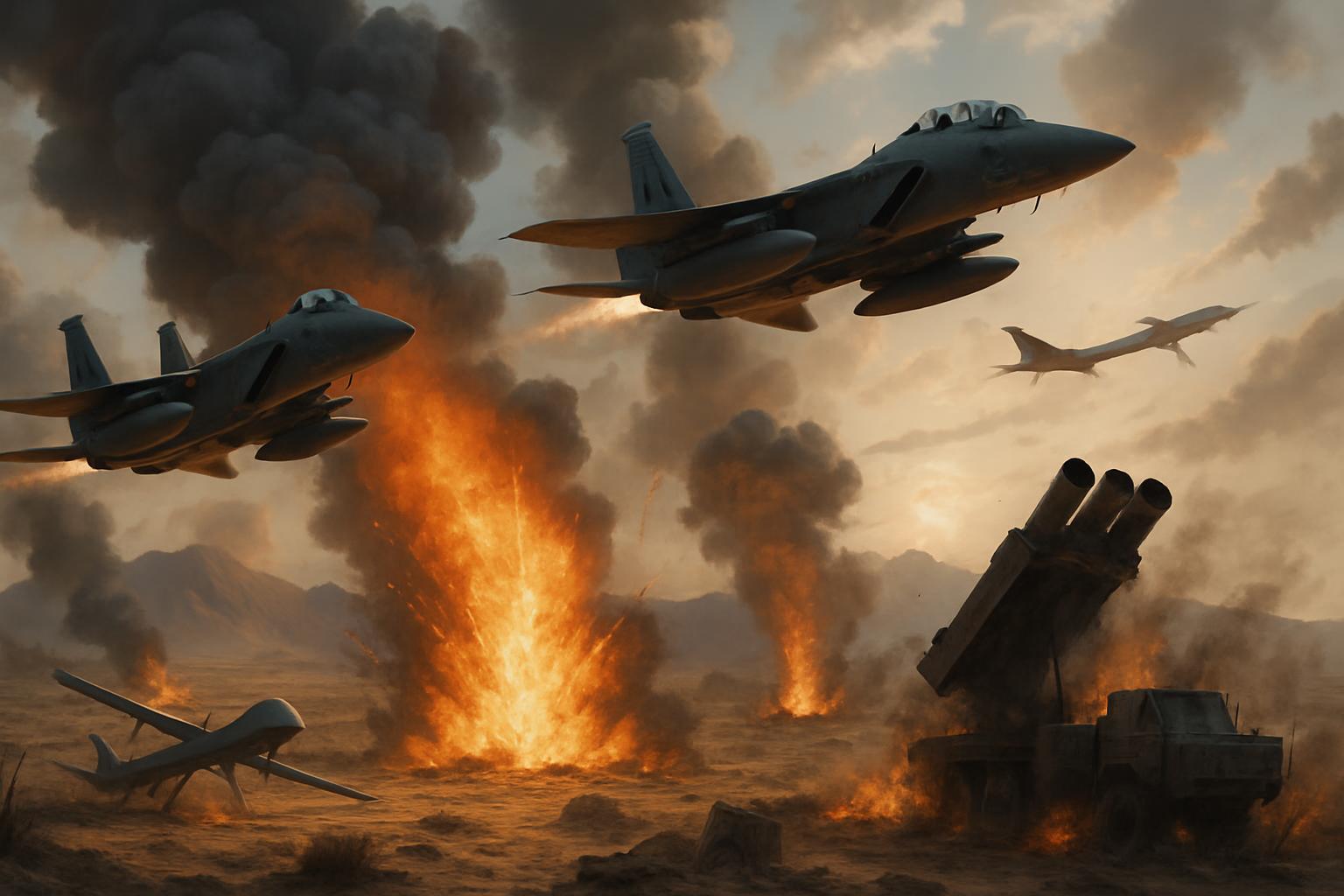
US and Israel Intensify Military Campaign as Iran's Capabilities Dwindle
Intensified US-Israel Strikes on Iran Spark Global Outcry
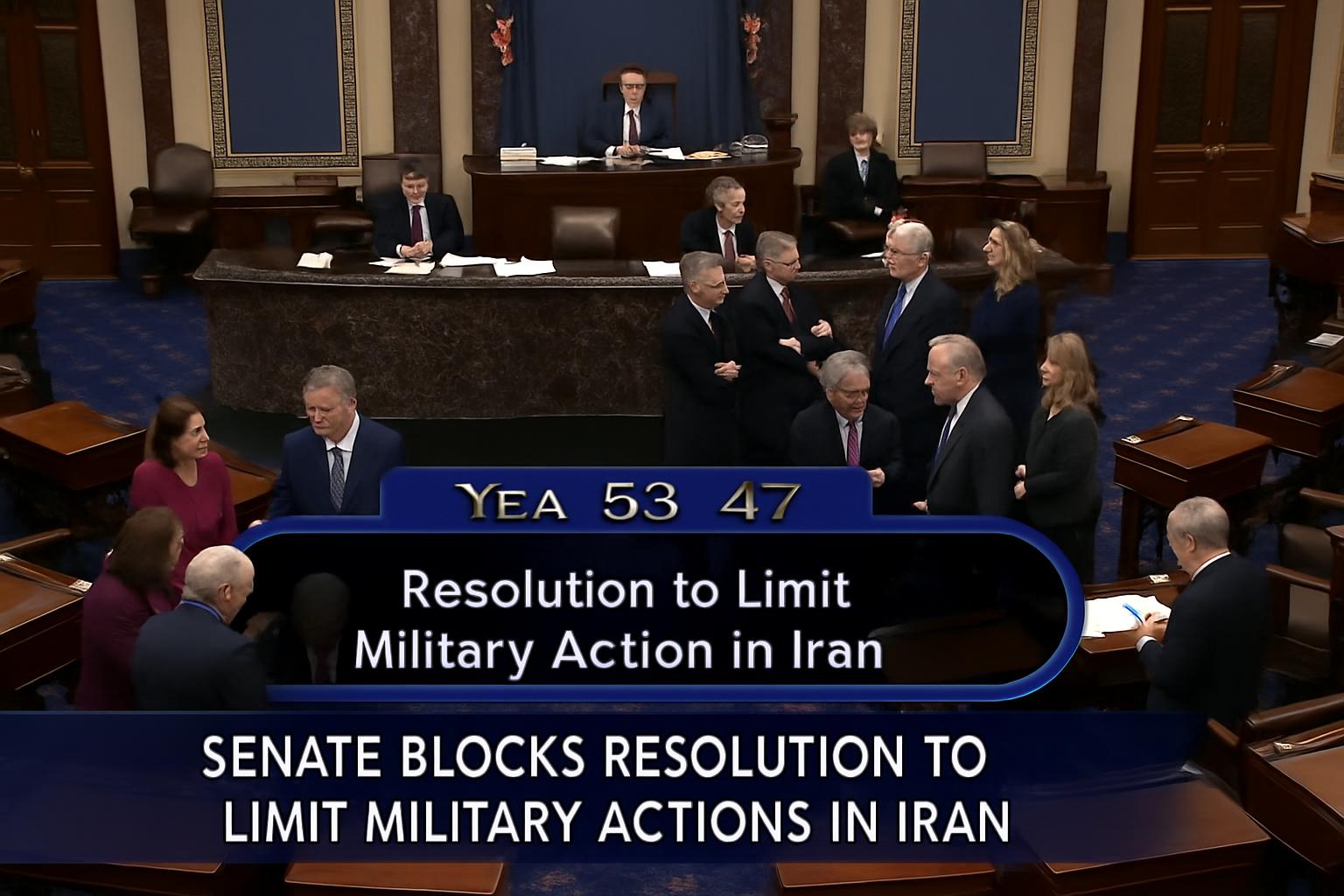
Senate Blocks Resolution to Limit Trump's Military Actions in Iran
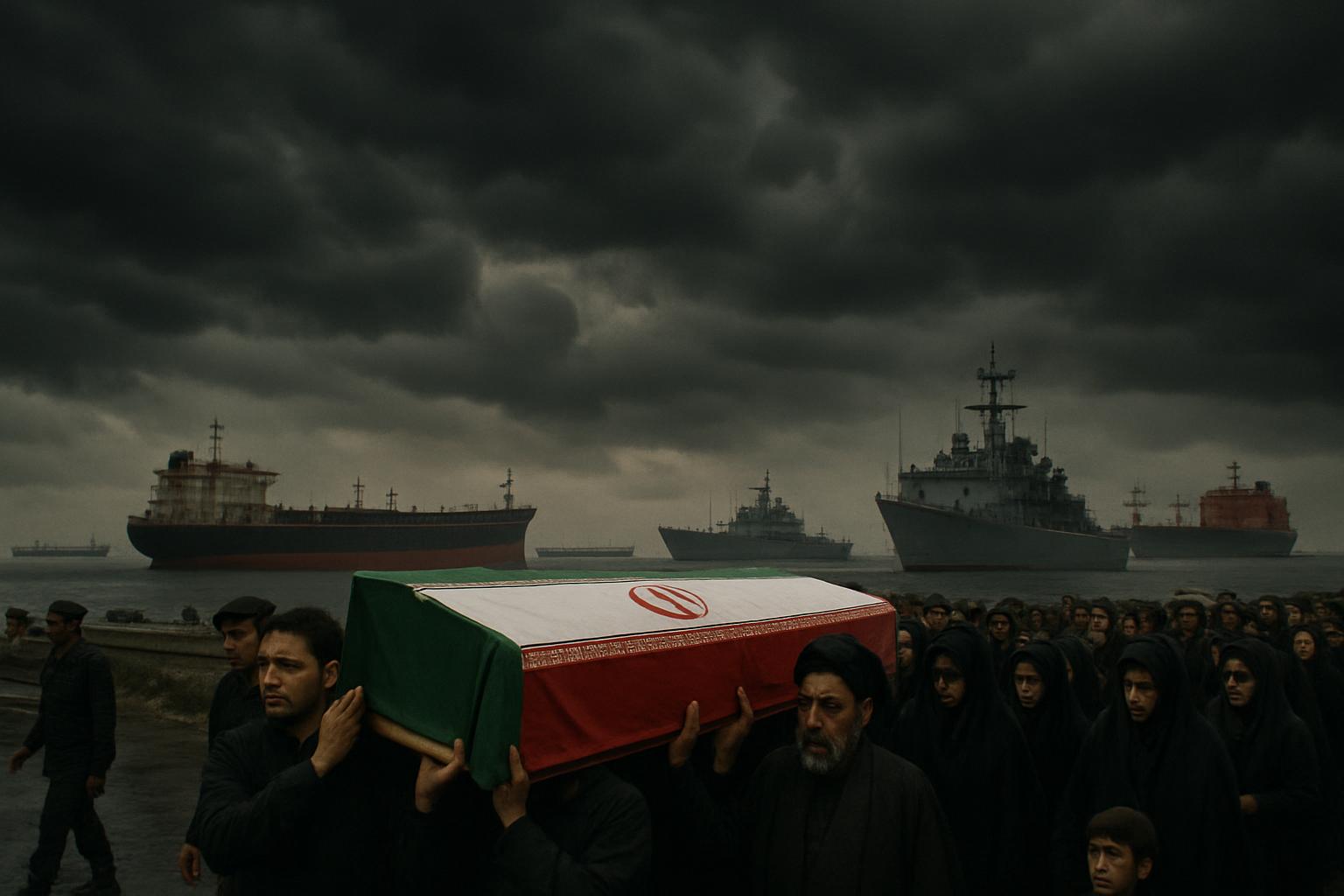
Iran Postpones Khamenei Funeral Amid Escalating US-Israeli Strikes
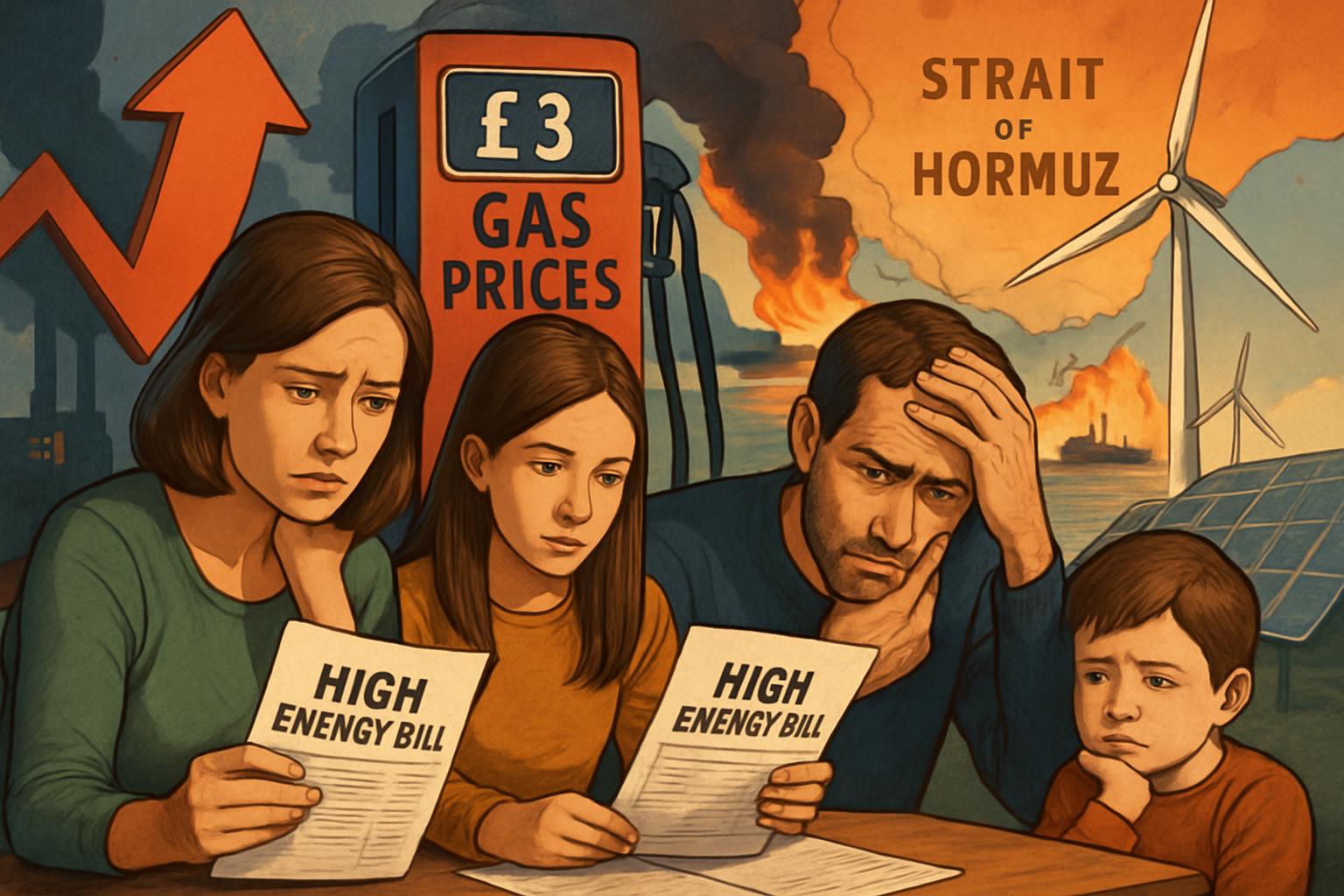
Middle East Conflict Drives UK Energy Prices to New Highs
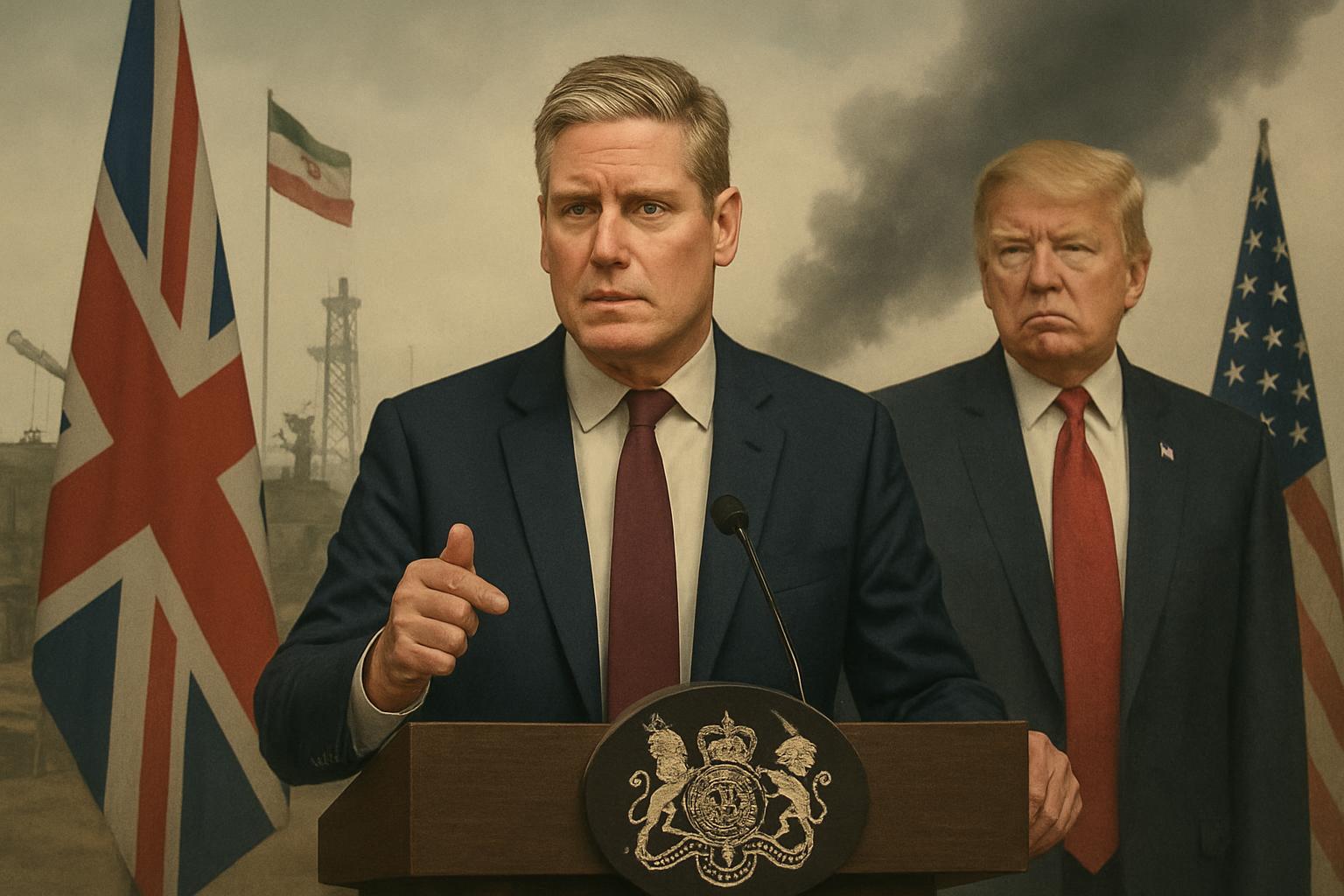
UK-Iran Tensions: Starmer Defends Cautious Approach Amid Trump Criticism
Iranian Crackdown Intensifies with Arrest of Reformist Leaders Amid Protests
In This Article
 Ethan Brooks| Published
 HIGHLIGHTS
- Azar Mansouri, head of Iran's main reformist coalition, and other key figures have been arrested amid a crackdown on dissent following January's protests.
- Iranian human rights groups report over 6,000 protester deaths, with the government acknowledging at least 3,000 fatalities.
- The arrests are seen as a move to silence moderate voices, impacting President Masoud Pezeshkian, who has called for an inquiry into the protests.
- The crackdown coincides with ongoing Iran-US nuclear talks, with hardliners maintaining influence over the regime's actions.
- BBC News Persian has verified the identities of over 200 protest victims, highlighting personal stories and the human cost of the crackdown.
In a significant escalation of Iran's crackdown on dissent, authorities have arrested several prominent reformist figures, including Azar Mansouri, the head of the country's main reformist coalition. This move comes in response to widespread anti-government protests that erupted in January, resulting in a brutal suppression by security forces.
Arrests of Key Reformists
Among those detained are Hossein Karroubi, son of former reformist presidential candidate Mehdi Karroubi, and Javad Emam, the coalition's spokesman. The Tehran prosecutor's office accuses them of undermining national unity and collaborating with foreign adversaries, including the US and Israel. The arrests are perceived as an attempt to stifle moderate voices within the political landscape, further isolating President Masoud Pezeshkian, who had shown a conciliatory stance towards the protesters.
Human Rights Concerns
Human rights organizations have reported over 6,000 protester deaths, a figure significantly higher than the government's acknowledgment of 3,000. BBC News Persian has verified the identities of more than 200 victims, revealing harrowing personal stories. Among them were Mansoureh Heydari and her husband, Behrouz Mansouri, who were killed by security forces in Bushehr. Their deaths, alongside those of many young protesters, underscore the human toll of the crackdown.
Political and International Implications
The arrests coincide with ongoing negotiations between Iran and the US regarding Iran's nuclear program. Despite initial positive discussions, no substantial progress has been made. The presence of hardliners in the Iranian regime, exemplified by the involvement of Ali Larijani in talks with Omani mediators, suggests a continued hardline approach. This has led to criticism from protesters and their supporters, who lament a perceived shift in US policy.
WHAT THIS MIGHT MEAN
The recent arrests of reformist leaders in Iran could further destabilize the country's political environment, potentially leading to increased unrest. With President Pezeshkian's influence waning, the hardliners' grip on power appears to be tightening, which may complicate diplomatic efforts, particularly in the context of nuclear negotiations with the US. Should the crackdown continue, international pressure on Iran could intensify, potentially impacting future diplomatic and economic relations. The human rights situation remains a critical concern, with global observers closely monitoring developments.
Images from the Web
Related Articles
US and Israel Intensify Military Campaign as Iran's Capabilities Dwindle
Intensified US-Israel Strikes on Iran Spark Global Outcry
Senate Blocks Resolution to Limit Trump's Military Actions in Iran
Iran Postpones Khamenei Funeral Amid Escalating US-Israeli Strikes
Middle East Conflict Drives UK Energy Prices to New Highs
UK-Iran Tensions: Starmer Defends Cautious Approach Amid Trump Criticism