
Iran Weighs Retaliation After US Strikes on Nuclear Sites
In This Article
HIGHLIGHTS
- Iran has vowed "everlasting consequences" following US airstrikes on its nuclear sites, escalating tensions in the Middle East.
- US President Donald Trump insists the strikes aim to delay Iran's nuclear program, not initiate a war with Iran itself.
- Iran's potential retaliation could involve targeting US bases in the region or using proxies in Iraq and Syria.
- Iran's President Masoud Pezeshkian and Foreign Minister Abbas Araghchi have emphasized the necessity of responding to US aggression.
- Satellite images suggest that while Iran's nuclear facilities were damaged, they may not have been completely destroyed.
In the wake of US airstrikes on Iranian nuclear facilities, Iran has promised "everlasting consequences," intensifying the already fraught US-Iran relations. The strikes, ordered by President Donald Trump, targeted three key sites, aiming to delay Iran's nuclear ambitions rather than declare war, according to US Vice-President JD Vance.
Iran's Response and Strategic Options
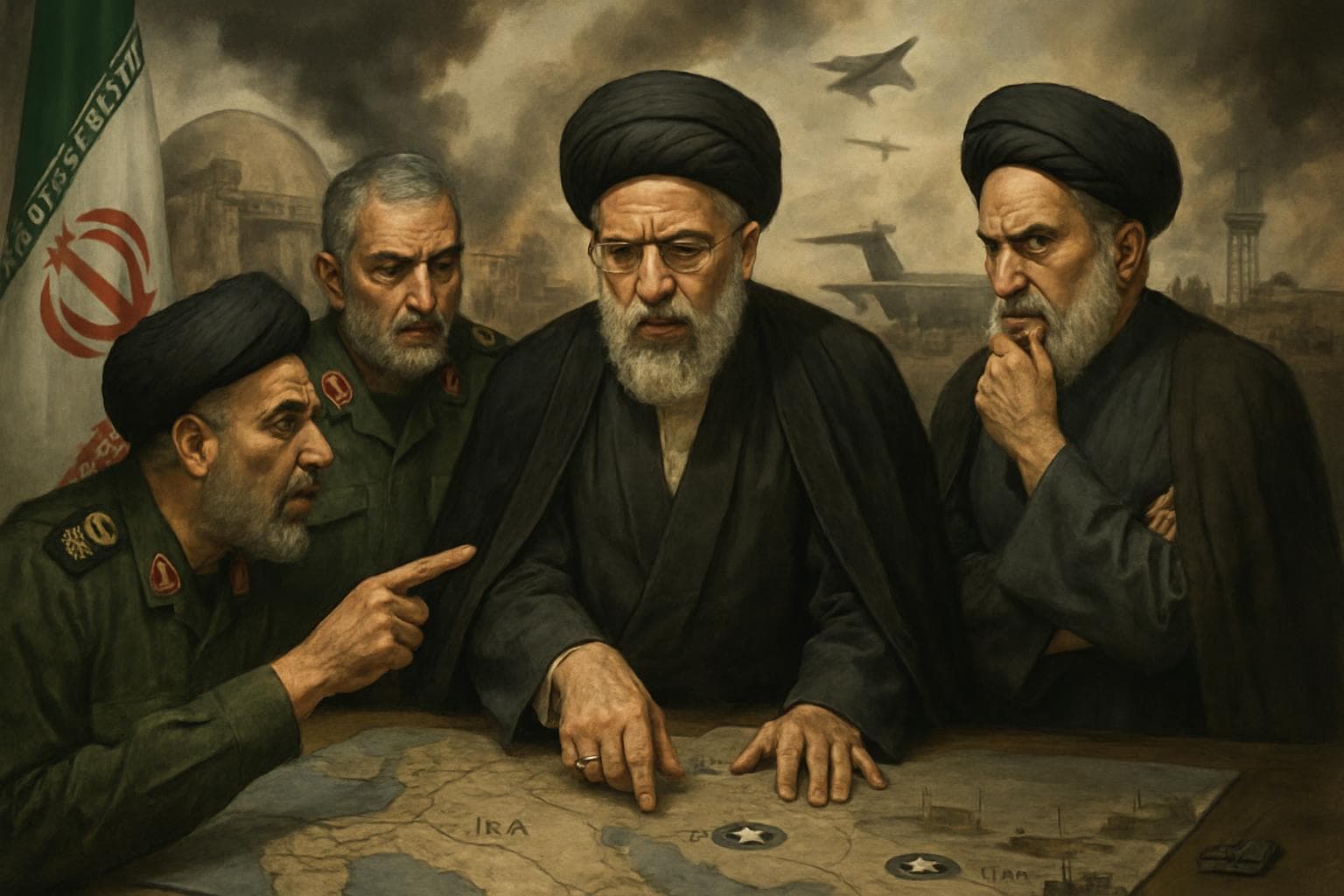
Iran's leadership, including President Masoud Pezeshkian and Foreign Minister Abbas Araghchi, has signaled a firm stance on retaliation. The country faces a strategic crossroads: escalate the conflict by targeting US interests or opt for a more measured response. Iran's military, though weakened by recent conflicts with Israel, retains options such as striking US bases in the Middle East or leveraging proxies in Iraq and Syria.
US and International Reactions
The US maintains that the strikes were a defensive measure to protect Israel and prevent Iran from advancing its nuclear program. However, Iran's UN ambassador, Amir Saeid Iravani, condemned the strikes as a breach of international law. Meanwhile, satellite imagery from Maxar Technologies suggests that while the nuclear sites suffered damage, they may not have been completely obliterated, as initially claimed by Trump.
Potential Regional Impact
The airstrikes have opened a Pandora's box of potential regional instability. Iran's military response could target economic interests or involve allies like the Houthis in Yemen. The situation remains volatile, with the possibility of further escalation looming over the Middle East.
WHAT THIS MIGHT MEAN
The coming days will be crucial in determining the trajectory of US-Iran relations. If Iran opts for a direct military response, it could trigger a broader conflict involving regional powers. Alternatively, Iran might choose to leverage diplomatic channels, possibly engaging Russia or other allies to mediate. Experts suggest that while the US aims to curb Iran's nuclear capabilities, the strikes might push Tehran closer to developing nuclear weapons as a deterrent. The international community will be watching closely, as any misstep could have far-reaching consequences for global security.
Related Articles
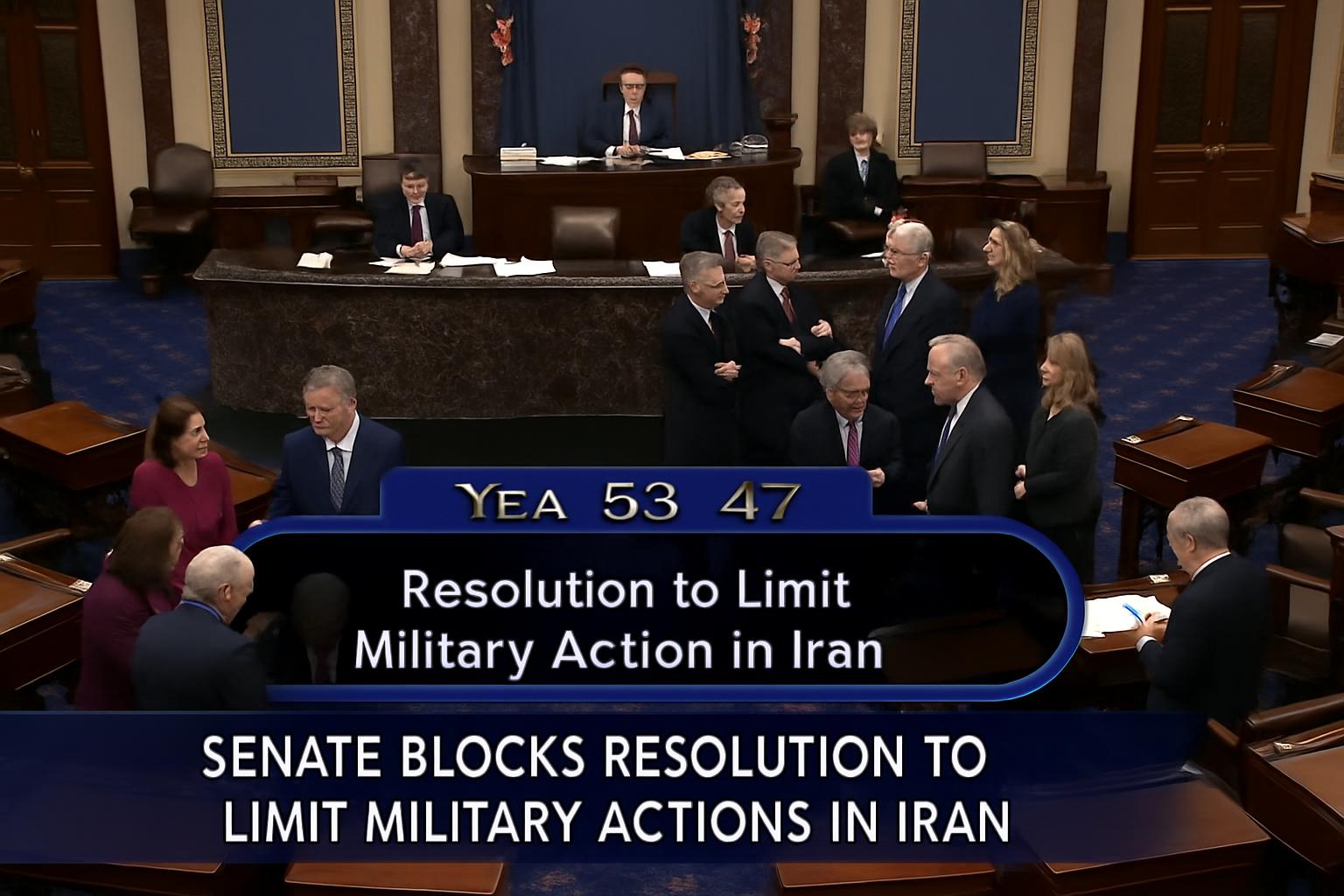
Senate Blocks Resolution to Limit Trump's Military Actions in Iran

UK Faces Dilemmas Amid Iran Conflict and China Spying Allegations
US and Israel Intensify Military Campaign as Iran's Capabilities Dwindle

Intensified US-Israel Strikes on Iran Spark Global Outcry
Spain's Sánchez Stands Firm Against Trump's Trade Threat Over Iran Stance
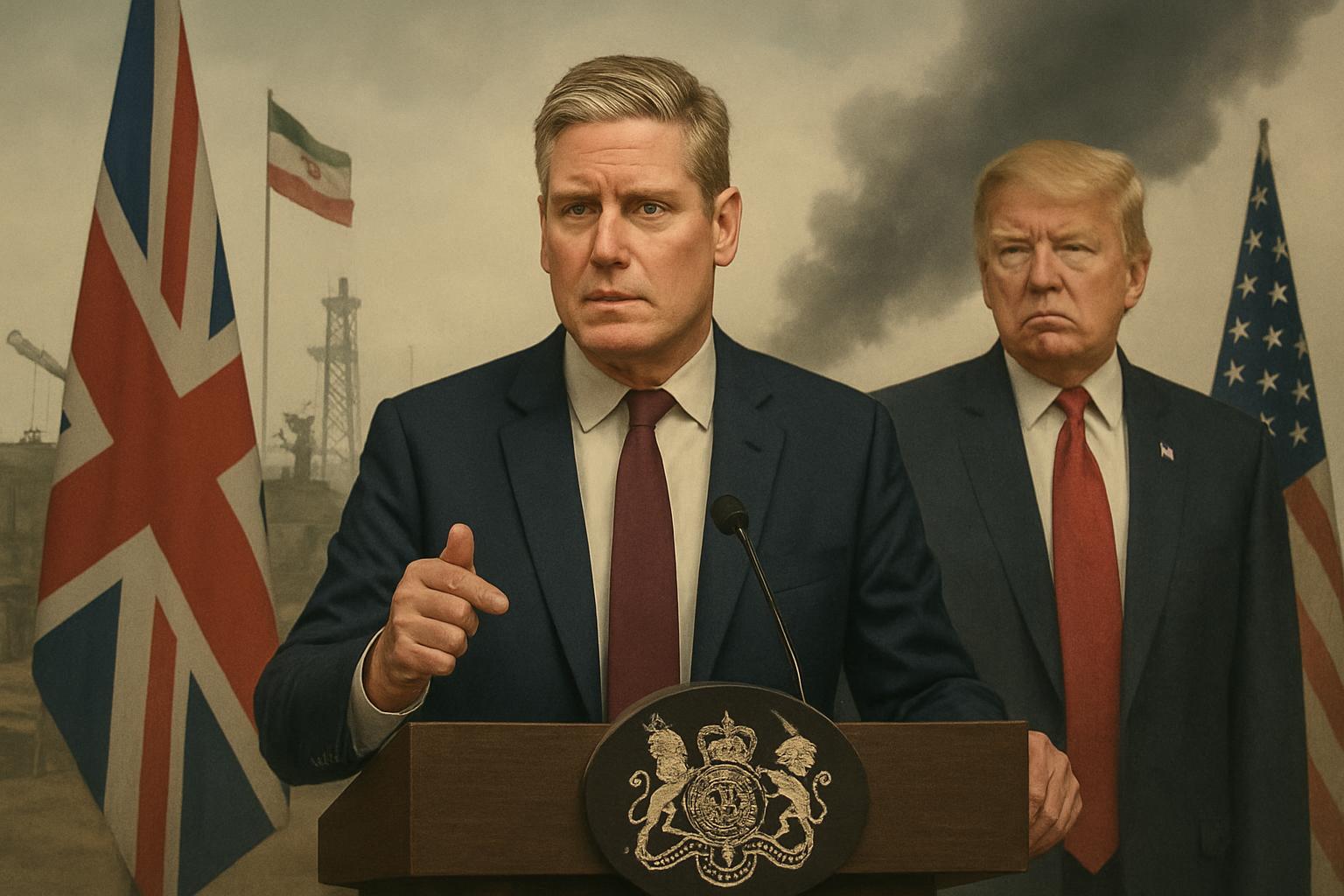
UK-Iran Tensions: Starmer Defends Cautious Approach Amid Trump Criticism
Iran Weighs Retaliation After US Strikes on Nuclear Sites
In This Article
 Ethan Brooks| Published
 HIGHLIGHTS
- Iran has vowed "everlasting consequences" following US airstrikes on its nuclear sites, escalating tensions in the Middle East.
- US President Donald Trump insists the strikes aim to delay Iran's nuclear program, not initiate a war with Iran itself.
- Iran's potential retaliation could involve targeting US bases in the region or using proxies in Iraq and Syria.
- Iran's President Masoud Pezeshkian and Foreign Minister Abbas Araghchi have emphasized the necessity of responding to US aggression.
- Satellite images suggest that while Iran's nuclear facilities were damaged, they may not have been completely destroyed.
In the wake of US airstrikes on Iranian nuclear facilities, Iran has promised "everlasting consequences," intensifying the already fraught US-Iran relations. The strikes, ordered by President Donald Trump, targeted three key sites, aiming to delay Iran's nuclear ambitions rather than declare war, according to US Vice-President JD Vance.
Iran's Response and Strategic Options
Iran's leadership, including President Masoud Pezeshkian and Foreign Minister Abbas Araghchi, has signaled a firm stance on retaliation. The country faces a strategic crossroads: escalate the conflict by targeting US interests or opt for a more measured response. Iran's military, though weakened by recent conflicts with Israel, retains options such as striking US bases in the Middle East or leveraging proxies in Iraq and Syria.
US and International Reactions
The US maintains that the strikes were a defensive measure to protect Israel and prevent Iran from advancing its nuclear program. However, Iran's UN ambassador, Amir Saeid Iravani, condemned the strikes as a breach of international law. Meanwhile, satellite imagery from Maxar Technologies suggests that while the nuclear sites suffered damage, they may not have been completely obliterated, as initially claimed by Trump.
Potential Regional Impact
The airstrikes have opened a Pandora's box of potential regional instability. Iran's military response could target economic interests or involve allies like the Houthis in Yemen. The situation remains volatile, with the possibility of further escalation looming over the Middle East.
WHAT THIS MIGHT MEAN
The coming days will be crucial in determining the trajectory of US-Iran relations. If Iran opts for a direct military response, it could trigger a broader conflict involving regional powers. Alternatively, Iran might choose to leverage diplomatic channels, possibly engaging Russia or other allies to mediate. Experts suggest that while the US aims to curb Iran's nuclear capabilities, the strikes might push Tehran closer to developing nuclear weapons as a deterrent. The international community will be watching closely, as any misstep could have far-reaching consequences for global security.
Related Articles
Senate Blocks Resolution to Limit Trump's Military Actions in Iran
UK Faces Dilemmas Amid Iran Conflict and China Spying Allegations
US and Israel Intensify Military Campaign as Iran's Capabilities Dwindle
Intensified US-Israel Strikes on Iran Spark Global Outcry
Spain's Sánchez Stands Firm Against Trump's Trade Threat Over Iran Stance
UK-Iran Tensions: Starmer Defends Cautious Approach Amid Trump Criticism