
Tensions Escalate as Iran Demands End to Israeli Strikes Before Resuming Nuclear Talks
In This Article
HIGHLIGHTS
- Iran refuses to resume nuclear talks until Israeli attacks cease, citing self-defense rights.
- Israel's military warns of a "prolonged war" with Iran, with ongoing airstrikes on Iranian targets.
- US President Trump suggests a two-week window for diplomacy before potential American military action.
- European diplomats urge Iran to engage in negotiations, but Iran demands cessation of Israeli aggression first.
- The conflict has resulted in significant casualties on both sides, with hundreds killed and injured.
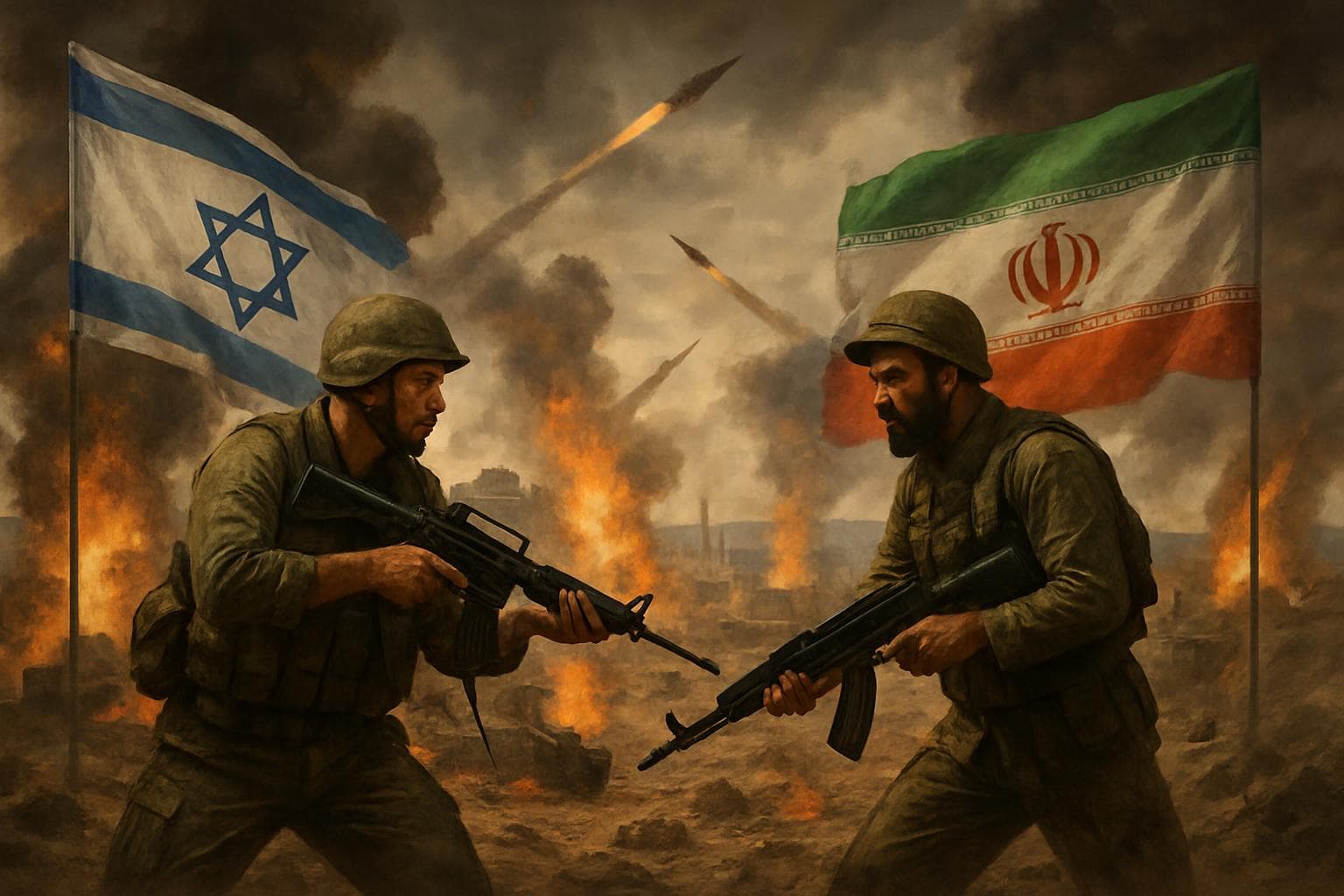
The ongoing conflict between Israel and Iran has reached a critical juncture, with Iran's Foreign Minister Abbas Araghchi declaring that nuclear negotiations will not resume until Israeli military actions cease. This statement comes amid heightened tensions in the Middle East, as Israel continues its airstrikes on Iranian targets, and Iran retaliates with missile attacks.
Diplomatic Stalemate
In a meeting with European diplomats in Geneva, Araghchi emphasized Iran's stance on self-defense and insisted that any diplomatic efforts would only be considered once Israel halts its aggression. The talks, aimed at reviving negotiations over Iran's nuclear program, have so far yielded no breakthrough. European ministers have urged Iran to consider discussions with all parties, including the United States, but Iran remains firm in its demands.
Military Escalation
The conflict, which began on June 13 with Israeli pre-dawn strikes, has seen significant military escalation. Israeli Defense Forces have targeted Iranian missile sites, while Iran has launched ballistic missiles across Israel, causing widespread alarm. Israeli military officials, including Chief of Staff Lt Gen Eyal Zamir, have warned of a "prolonged campaign," indicating that the conflict may continue for an extended period.
US Involvement and International Reactions
US President Donald Trump has set a two-week deadline for Iran to engage in diplomacy, hinting at possible American military intervention if the situation does not improve. Despite this, Trump has expressed reluctance to pressure Israel to scale back its offensive. Meanwhile, the UN Secretary-General António Guterres has called for peace, warning of the potential for a broader regional conflict.
Casualties and Humanitarian Impact
The conflict has resulted in significant casualties, with Iranian state media reporting over 430 deaths and 3,500 injuries due to Israeli strikes. In Israel, at least 25 people have been killed by Iranian attacks. The humanitarian impact is severe, with both sides suffering from the ongoing violence.
WHAT THIS MIGHT MEAN
The current impasse in negotiations suggests that the conflict may persist unless a diplomatic breakthrough is achieved. If the US decides to join the conflict, it could further destabilize the region, potentially drawing in other nations and escalating the violence. Experts warn that while military actions may delay Iran's nuclear ambitions, they are unlikely to provide a long-term solution. The international community continues to watch closely, hoping for a resolution that avoids further bloodshed and promotes regional stability.
Related Articles

Middle East Conflict Drives UK Energy Prices to New Highs

UK Faces Dilemmas Amid Iran Conflict and China Spying Allegations

Senate Blocks Resolution to Limit Trump's Military Actions in Iran
US and Israel Intensify Military Campaign as Iran's Capabilities Dwindle
Intensified US-Israel Strikes on Iran Spark Global Outcry
UK Reinforces Military Presence in Cyprus Amid Middle East Tensions
Tensions Escalate as Iran Demands End to Israeli Strikes Before Resuming Nuclear Talks
In This Article
 James Okoro| Published
 HIGHLIGHTS
- Iran refuses to resume nuclear talks until Israeli attacks cease, citing self-defense rights.
- Israel's military warns of a "prolonged war" with Iran, with ongoing airstrikes on Iranian targets.
- US President Trump suggests a two-week window for diplomacy before potential American military action.
- European diplomats urge Iran to engage in negotiations, but Iran demands cessation of Israeli aggression first.
- The conflict has resulted in significant casualties on both sides, with hundreds killed and injured.
The ongoing conflict between Israel and Iran has reached a critical juncture, with Iran's Foreign Minister Abbas Araghchi declaring that nuclear negotiations will not resume until Israeli military actions cease. This statement comes amid heightened tensions in the Middle East, as Israel continues its airstrikes on Iranian targets, and Iran retaliates with missile attacks.
Diplomatic Stalemate
In a meeting with European diplomats in Geneva, Araghchi emphasized Iran's stance on self-defense and insisted that any diplomatic efforts would only be considered once Israel halts its aggression. The talks, aimed at reviving negotiations over Iran's nuclear program, have so far yielded no breakthrough. European ministers have urged Iran to consider discussions with all parties, including the United States, but Iran remains firm in its demands.
Military Escalation
The conflict, which began on June 13 with Israeli pre-dawn strikes, has seen significant military escalation. Israeli Defense Forces have targeted Iranian missile sites, while Iran has launched ballistic missiles across Israel, causing widespread alarm. Israeli military officials, including Chief of Staff Lt Gen Eyal Zamir, have warned of a "prolonged campaign," indicating that the conflict may continue for an extended period.
US Involvement and International Reactions
US President Donald Trump has set a two-week deadline for Iran to engage in diplomacy, hinting at possible American military intervention if the situation does not improve. Despite this, Trump has expressed reluctance to pressure Israel to scale back its offensive. Meanwhile, the UN Secretary-General António Guterres has called for peace, warning of the potential for a broader regional conflict.
Casualties and Humanitarian Impact
The conflict has resulted in significant casualties, with Iranian state media reporting over 430 deaths and 3,500 injuries due to Israeli strikes. In Israel, at least 25 people have been killed by Iranian attacks. The humanitarian impact is severe, with both sides suffering from the ongoing violence.
WHAT THIS MIGHT MEAN
The current impasse in negotiations suggests that the conflict may persist unless a diplomatic breakthrough is achieved. If the US decides to join the conflict, it could further destabilize the region, potentially drawing in other nations and escalating the violence. Experts warn that while military actions may delay Iran's nuclear ambitions, they are unlikely to provide a long-term solution. The international community continues to watch closely, hoping for a resolution that avoids further bloodshed and promotes regional stability.
Related Articles
Middle East Conflict Drives UK Energy Prices to New Highs
UK Faces Dilemmas Amid Iran Conflict and China Spying Allegations
Senate Blocks Resolution to Limit Trump's Military Actions in Iran
US and Israel Intensify Military Campaign as Iran's Capabilities Dwindle
Intensified US-Israel Strikes on Iran Spark Global Outcry
UK Reinforces Military Presence in Cyprus Amid Middle East Tensions