
Iran Denies Execution Plans Amidst US Warnings and Protests Slowdown
In This Article
HIGHLIGHTS
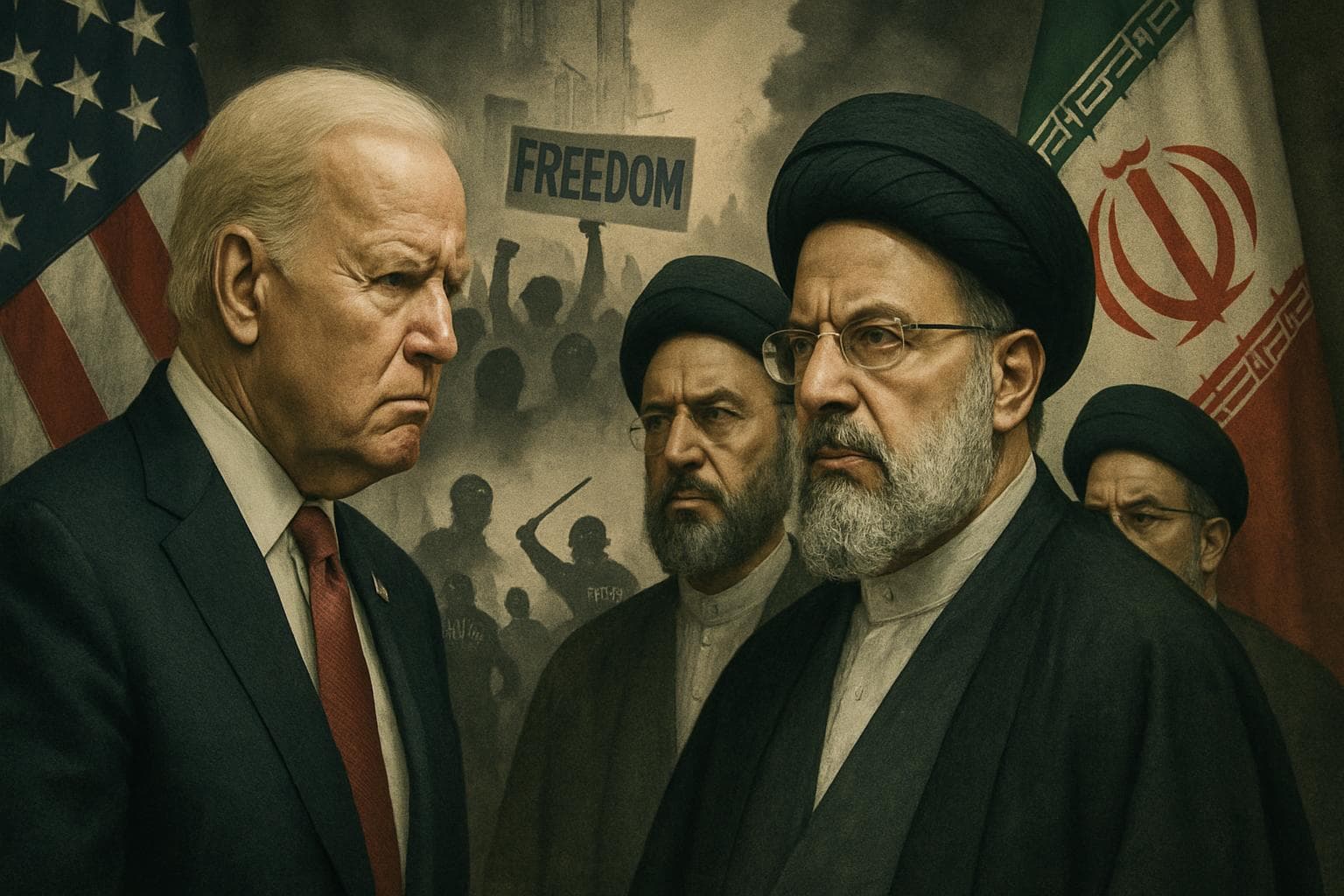
- Iran's judiciary denies plans to execute Erfan Soltani, a protester arrested amid recent unrest, despite reports suggesting otherwise.
- US President Donald Trump has warned Iran against executing protesters, suggesting potential military action if executions proceed.
- Reports indicate a slowdown in protests due to a harsh crackdown, with thousands reportedly killed or detained.
- The US Treasury has imposed sanctions on Iranian officials linked to the crackdown, including Ali Larijani.
- Iran's foreign minister insists there are no plans for executions, while Trump remains cautious, keeping "all options on the table."
Iran's judiciary has refuted claims that it plans to execute Erfan Soltani, a protester detained during the country's recent unrest. This denial comes after reports from the Norway-based Kurdish human rights organization, Hengaw, which suggested Soltani's execution was imminent. The Iranian judiciary clarified that Soltani faces charges of "colluding against national security" and "propaganda activities against the establishment," neither of which carry the death penalty.
US-Iran Tensions Escalate
US President Donald Trump has issued stern warnings to Iran, threatening "very strong action" should executions of protesters occur. Trump's statements come amid heightened speculation of potential US military intervention, with reports of military personnel relocations and airspace closures in the Gulf region. Despite these tensions, Trump has indicated that he has received assurances from "very important sources" that executions will not proceed.
Protests and Crackdown
The nationwide protests in Iran have reportedly slowed, attributed to a severe crackdown by authorities. According to the US-based Human Rights Activists News Agency, the crackdown has resulted in over 2,600 deaths and more than 18,000 arrests. The US Treasury has responded by imposing sanctions on five senior Iranian officials, including Ali Larijani, for their roles in the crackdown.
International Reactions and Diplomatic Efforts
The international community remains divided on the issue. While the US and its allies have condemned Iran's actions, Russia has defended Iran, accusing the US of interference. Iran's Foreign Minister Abbas Araghchi has reiterated that there are no plans for executions, urging diplomatic engagement to resolve tensions.
WHAT THIS MIGHT MEAN
The situation in Iran remains volatile, with potential for further escalation if executions proceed. The US has signaled its readiness to intervene, but military action could risk further destabilizing the region and harming civilians. Diplomatic efforts may offer a path forward, but require cooperation from both Iran and the international community. As the protests continue, the Iranian government's response will be crucial in determining the future trajectory of the unrest and US-Iran relations.
Related Articles
US and Israel Intensify Military Campaign as Iran's Capabilities Dwindle
Intensified US-Israel Strikes on Iran Spark Global Outcry
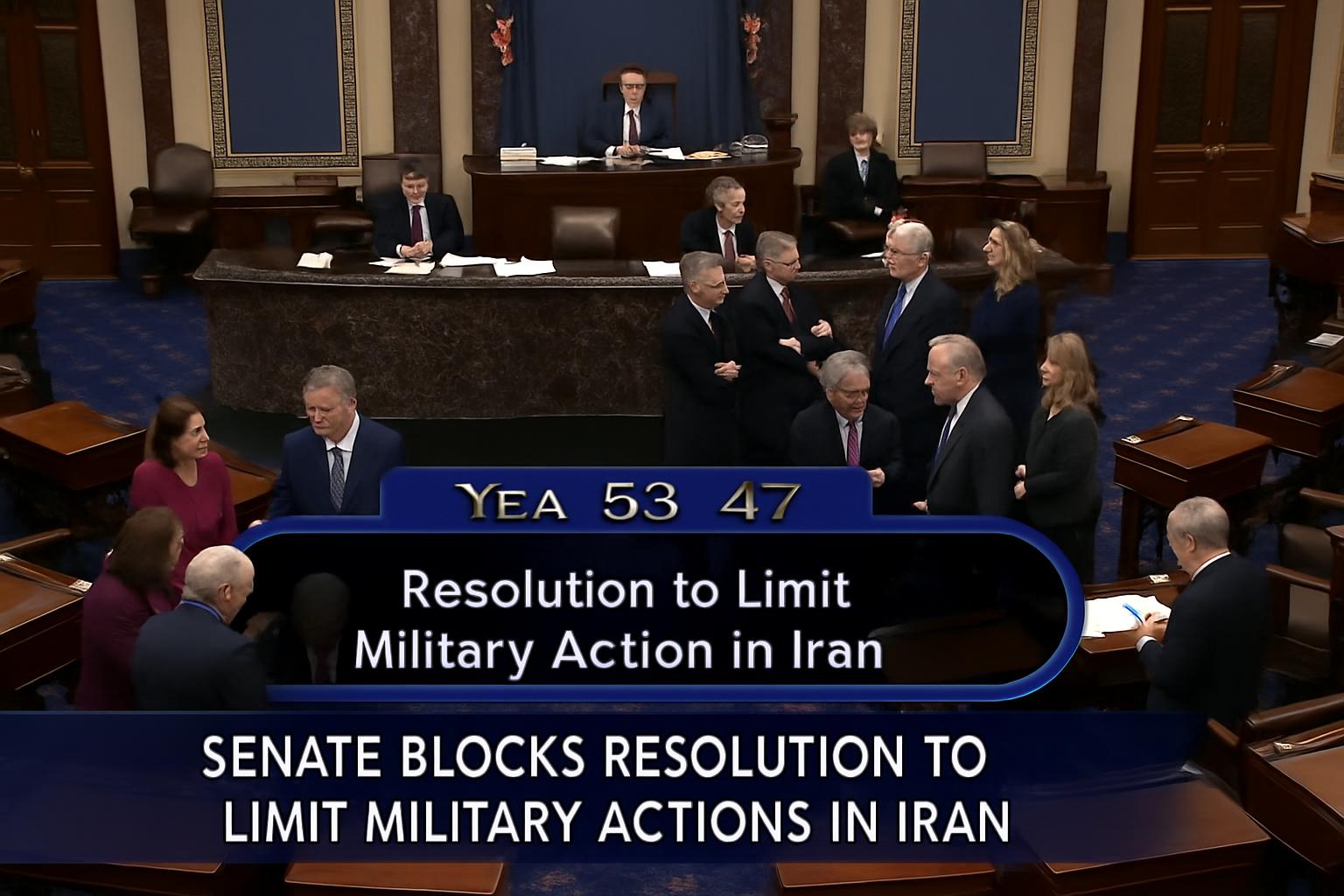
Senate Blocks Resolution to Limit Trump's Military Actions in Iran
UK-Iran Tensions: Starmer Defends Cautious Approach Amid Trump Criticism
Spain's Sánchez Stands Firm Against Trump's Trade Threat Over Iran Stance
Diplomatic Tensions Rise as Trump Criticizes Starmer's Iran Policy
Iran Denies Execution Plans Amidst US Warnings and Protests Slowdown
In This Article
 Ethan Brooks| Published
 HIGHLIGHTS
- Iran's judiciary denies plans to execute Erfan Soltani, a protester arrested amid recent unrest, despite reports suggesting otherwise.
- US President Donald Trump has warned Iran against executing protesters, suggesting potential military action if executions proceed.
- Reports indicate a slowdown in protests due to a harsh crackdown, with thousands reportedly killed or detained.
- The US Treasury has imposed sanctions on Iranian officials linked to the crackdown, including Ali Larijani.
- Iran's foreign minister insists there are no plans for executions, while Trump remains cautious, keeping "all options on the table."
Iran's judiciary has refuted claims that it plans to execute Erfan Soltani, a protester detained during the country's recent unrest. This denial comes after reports from the Norway-based Kurdish human rights organization, Hengaw, which suggested Soltani's execution was imminent. The Iranian judiciary clarified that Soltani faces charges of "colluding against national security" and "propaganda activities against the establishment," neither of which carry the death penalty.
US-Iran Tensions Escalate
US President Donald Trump has issued stern warnings to Iran, threatening "very strong action" should executions of protesters occur. Trump's statements come amid heightened speculation of potential US military intervention, with reports of military personnel relocations and airspace closures in the Gulf region. Despite these tensions, Trump has indicated that he has received assurances from "very important sources" that executions will not proceed.
Protests and Crackdown
The nationwide protests in Iran have reportedly slowed, attributed to a severe crackdown by authorities. According to the US-based Human Rights Activists News Agency, the crackdown has resulted in over 2,600 deaths and more than 18,000 arrests. The US Treasury has responded by imposing sanctions on five senior Iranian officials, including Ali Larijani, for their roles in the crackdown.
International Reactions and Diplomatic Efforts
The international community remains divided on the issue. While the US and its allies have condemned Iran's actions, Russia has defended Iran, accusing the US of interference. Iran's Foreign Minister Abbas Araghchi has reiterated that there are no plans for executions, urging diplomatic engagement to resolve tensions.
WHAT THIS MIGHT MEAN
The situation in Iran remains volatile, with potential for further escalation if executions proceed. The US has signaled its readiness to intervene, but military action could risk further destabilizing the region and harming civilians. Diplomatic efforts may offer a path forward, but require cooperation from both Iran and the international community. As the protests continue, the Iranian government's response will be crucial in determining the future trajectory of the unrest and US-Iran relations.
Related Articles
US and Israel Intensify Military Campaign as Iran's Capabilities Dwindle
Intensified US-Israel Strikes on Iran Spark Global Outcry
Senate Blocks Resolution to Limit Trump's Military Actions in Iran
UK-Iran Tensions: Starmer Defends Cautious Approach Amid Trump Criticism
Spain's Sánchez Stands Firm Against Trump's Trade Threat Over Iran Stance
Diplomatic Tensions Rise as Trump Criticizes Starmer's Iran Policy