
Tensions Ease as Iran Halts Protester Executions Amid International Concerns
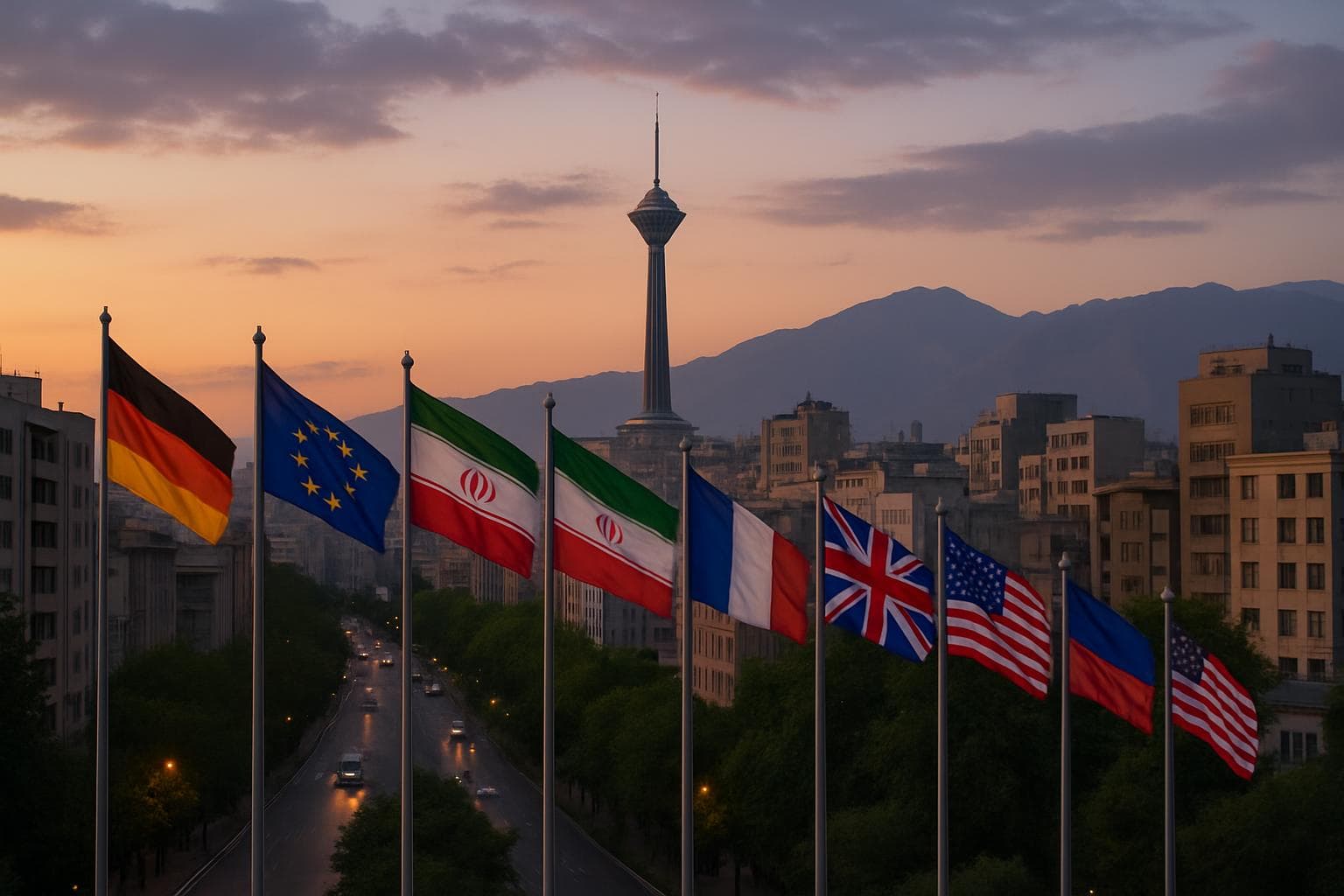
In This Article
HIGHLIGHTS
- President Trump claims the killing of protesters in Iran has stopped, though military action remains a possibility.
- Human rights groups report over 2,400 deaths amid Iran's crackdown on anti-government protests.
- Iran's Foreign Minister denies plans for executions, stating "hanging is out of the question."
- Erfan Soltani, initially reported to face execution, has not been sentenced to death, according to Iranian state media.
- Several countries, including the UK and US, have advised citizens to leave Iran, citing safety concerns.
In a significant development, President Donald Trump announced that the killing of protesters in Iran has reportedly ceased, although he did not rule out potential US military action. This comes amidst a violent crackdown by Iranian authorities on anti-government demonstrations, which human rights organizations claim has resulted in over 2,400 deaths.
International Reactions and Precautions
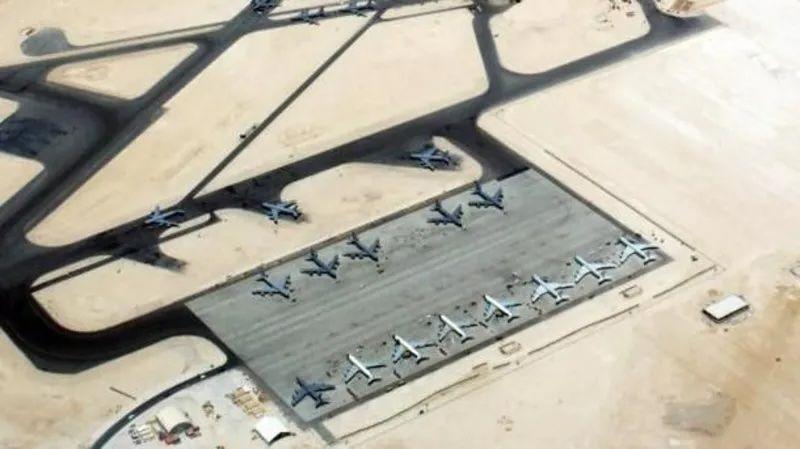
The situation has prompted several countries, including the United States and the United Kingdom, to take precautionary measures. Both nations have reduced personnel at the Al-Udeid air base in Qatar, and the UK temporarily closed its embassy in Tehran. Additionally, countries like Italy and Poland have advised their citizens to leave Iran, while Germany has issued warnings to air operators.
Iran's Response and Diplomatic Efforts
Iranian Foreign Minister Abbas Araghchi has publicly denied any plans for executions, emphasizing that "hanging is out of the question." This statement was made in response to reports of imminent executions, including that of Erfan Soltani, a protester whose family initially feared he would be executed. Iranian state media later clarified that Soltani had not been sentenced to death.
Airspace and Military Concerns
Amidst these tensions, Iran temporarily closed its airspace, causing disruptions to international flights. However, the airspace was reopened after five hours. The US embassy in Saudi Arabia has advised caution, urging personnel to avoid military installations. Meanwhile, Iran has communicated to regional countries hosting US bases that it would retaliate if attacked.
Calls for Diplomacy
Araghchi has urged the US to pursue diplomatic solutions, stating, "between war and diplomacy, diplomacy is a better way." The US has requested an emergency UN Security Council meeting to address the situation, while the G7 foreign ministers have expressed readiness to impose further sanctions on Iran if necessary.
WHAT THIS MIGHT MEAN
The current de-escalation in Iran could lead to renewed diplomatic efforts between Tehran and Western nations. However, the potential for military conflict remains if tensions are not managed carefully. Experts suggest that continued international pressure and dialogue may encourage Iran to adopt more transparent and humane policies regarding protester treatment. The situation remains fluid, and the international community will be closely monitoring Iran's actions in the coming weeks.
Images from the Web
Related Articles
Intensified US-Israel Strikes on Iran Spark Global Outcry
Senate Blocks Resolution to Limit Trump's Military Actions in Iran
Spain's Sánchez Stands Firm Against Trump's Trade Threat Over Iran Stance

UK Faces Dilemmas Amid Iran Conflict and China Spying Allegations
US and Israel Intensify Military Campaign as Iran's Capabilities Dwindle

UK-Iran Tensions: Starmer Defends Cautious Approach Amid Trump Criticism
Tensions Ease as Iran Halts Protester Executions Amid International Concerns
In This Article
 Ethan Brooks| Published
 HIGHLIGHTS
- President Trump claims the killing of protesters in Iran has stopped, though military action remains a possibility.
- Human rights groups report over 2,400 deaths amid Iran's crackdown on anti-government protests.
- Iran's Foreign Minister denies plans for executions, stating "hanging is out of the question."
- Erfan Soltani, initially reported to face execution, has not been sentenced to death, according to Iranian state media.
- Several countries, including the UK and US, have advised citizens to leave Iran, citing safety concerns.
In a significant development, President Donald Trump announced that the killing of protesters in Iran has reportedly ceased, although he did not rule out potential US military action. This comes amidst a violent crackdown by Iranian authorities on anti-government demonstrations, which human rights organizations claim has resulted in over 2,400 deaths.
International Reactions and Precautions
The situation has prompted several countries, including the United States and the United Kingdom, to take precautionary measures. Both nations have reduced personnel at the Al-Udeid air base in Qatar, and the UK temporarily closed its embassy in Tehran. Additionally, countries like Italy and Poland have advised their citizens to leave Iran, while Germany has issued warnings to air operators.
Iran's Response and Diplomatic Efforts
Iranian Foreign Minister Abbas Araghchi has publicly denied any plans for executions, emphasizing that "hanging is out of the question." This statement was made in response to reports of imminent executions, including that of Erfan Soltani, a protester whose family initially feared he would be executed. Iranian state media later clarified that Soltani had not been sentenced to death.
Airspace and Military Concerns
Amidst these tensions, Iran temporarily closed its airspace, causing disruptions to international flights. However, the airspace was reopened after five hours. The US embassy in Saudi Arabia has advised caution, urging personnel to avoid military installations. Meanwhile, Iran has communicated to regional countries hosting US bases that it would retaliate if attacked.
Calls for Diplomacy
Araghchi has urged the US to pursue diplomatic solutions, stating, "between war and diplomacy, diplomacy is a better way." The US has requested an emergency UN Security Council meeting to address the situation, while the G7 foreign ministers have expressed readiness to impose further sanctions on Iran if necessary.
WHAT THIS MIGHT MEAN
The current de-escalation in Iran could lead to renewed diplomatic efforts between Tehran and Western nations. However, the potential for military conflict remains if tensions are not managed carefully. Experts suggest that continued international pressure and dialogue may encourage Iran to adopt more transparent and humane policies regarding protester treatment. The situation remains fluid, and the international community will be closely monitoring Iran's actions in the coming weeks.
Images from the Web
Related Articles
Intensified US-Israel Strikes on Iran Spark Global Outcry
Senate Blocks Resolution to Limit Trump's Military Actions in Iran
Spain's Sánchez Stands Firm Against Trump's Trade Threat Over Iran Stance
UK Faces Dilemmas Amid Iran Conflict and China Spying Allegations
US and Israel Intensify Military Campaign as Iran's Capabilities Dwindle
UK-Iran Tensions: Starmer Defends Cautious Approach Amid Trump Criticism