
Escalating Iran-Israel Conflict Sees Missile Strikes and Nuclear Tensions

In This Article
HIGHLIGHTS
- An Iranian missile struck the Soroka Medical Centre in Beersheba, Israel, amid escalating tensions between Iran and Israel.
- Israel has targeted Iran's nuclear facilities, including the Arak heavy-water reactor, as part of its military strategy.
- Israeli Defense Minister Israel Katz stated the attacks aim to undermine Iran's regime, marking a shift in military objectives.
- The conflict has resulted in significant casualties and damage, with over 271 people injured in Israel.
- Experts warn that Israel's actions may accelerate Iran's nuclear ambitions rather than curb them.
The ongoing conflict between Iran and Israel has intensified, with significant military actions and strategic shifts marking the seventh day of hostilities. An Iranian missile struck the Soroka Medical Centre in Beersheba, Israel, causing extensive damage and injuring numerous individuals. Iran claimed the target was a nearby military site, not the hospital itself. The Israeli Health Ministry reported 271 injuries across the country due to the strikes.
Military Escalation and Strategic Shifts
Israel has launched a series of attacks on Iran's nuclear facilities, including the Arak heavy-water reactor and the Natanz nuclear complex. These actions are part of a broader strategy to undermine Iran's regime, according to Israeli Defense Minister Israel Katz. "These are war crimes of the most serious kind," Katz stated, emphasizing the need to hold Iran's Supreme Leader Ayatollah Ali Khamenei accountable.
Impact and International Reactions
The conflict has sparked international concern, with fears that Israel's military actions could accelerate Iran's nuclear ambitions. Despite Israel's efforts, experts suggest that Iran's nuclear program remains largely intact. Israeli Prime Minister Benjamin Netanyahu has defended the strikes, citing Iran's proximity to developing a nuclear weapon as a primary threat.
Humanitarian and Political Consequences
The missile strike on the Soroka Medical Centre has drawn widespread condemnation, with Israeli officials labeling it a deliberate and criminal act. The attack has forced the evacuation of around 200 patients to other facilities. Meanwhile, the conflict has fueled anger among the Iranian population, who view the strikes as an attack on their sovereignty.
WHAT THIS MIGHT MEAN
As the conflict continues, the potential for further escalation remains high. Israel's aggressive military strategy could provoke a stronger response from Iran, potentially drawing in other regional powers. The involvement of the United States, which has increased its military presence in the region, could further complicate the situation. Experts warn that without a diplomatic resolution, the conflict may lead to a rapid acceleration of Iran's nuclear program, heightening the risk of nuclear proliferation in the region.
Images from the Web



Related Articles
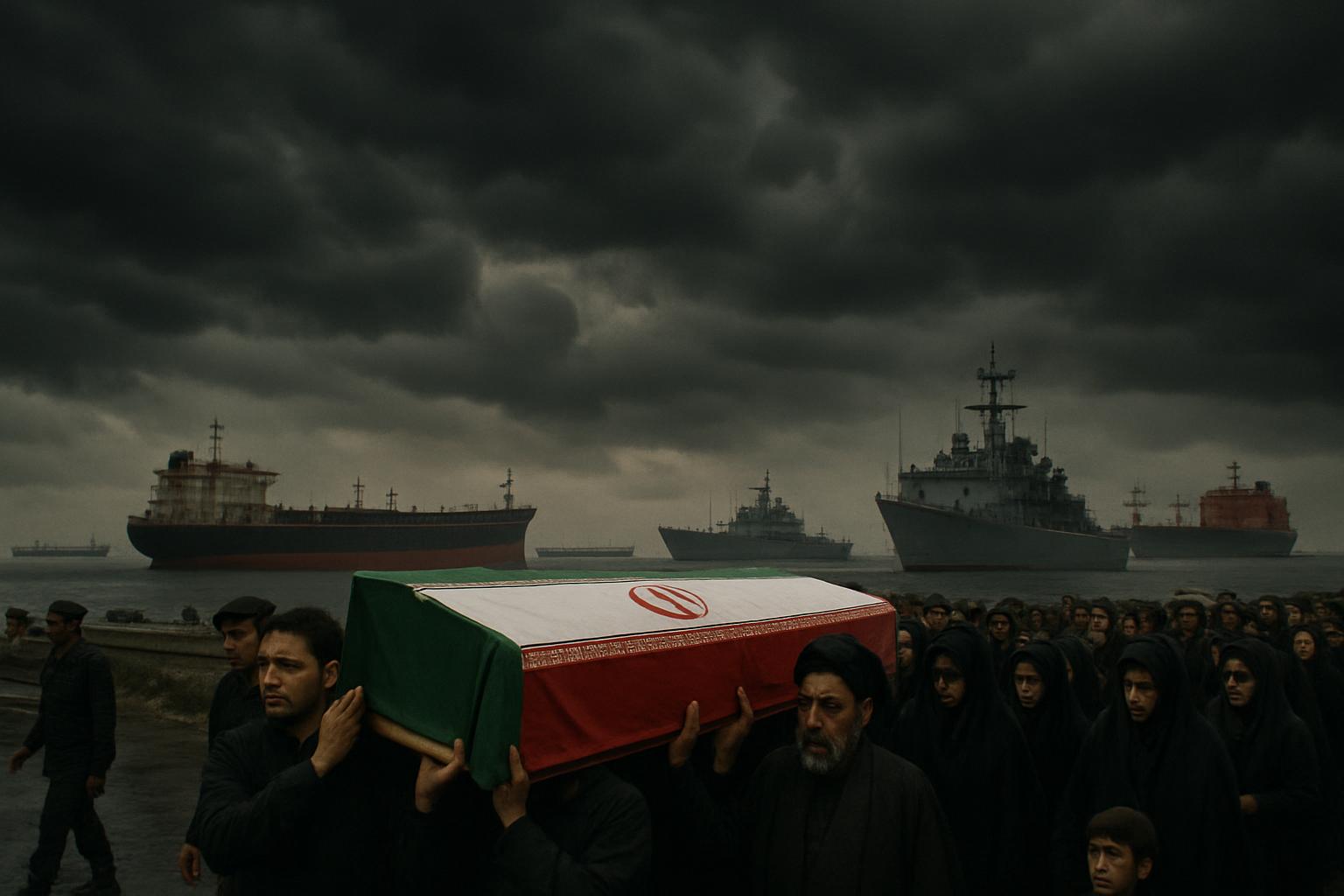
Iran Postpones Khamenei Funeral Amid Escalating US-Israeli Strikes
Intensified US-Israel Strikes on Iran Spark Global Outcry
US and Israel Intensify Military Campaign as Iran's Capabilities Dwindle
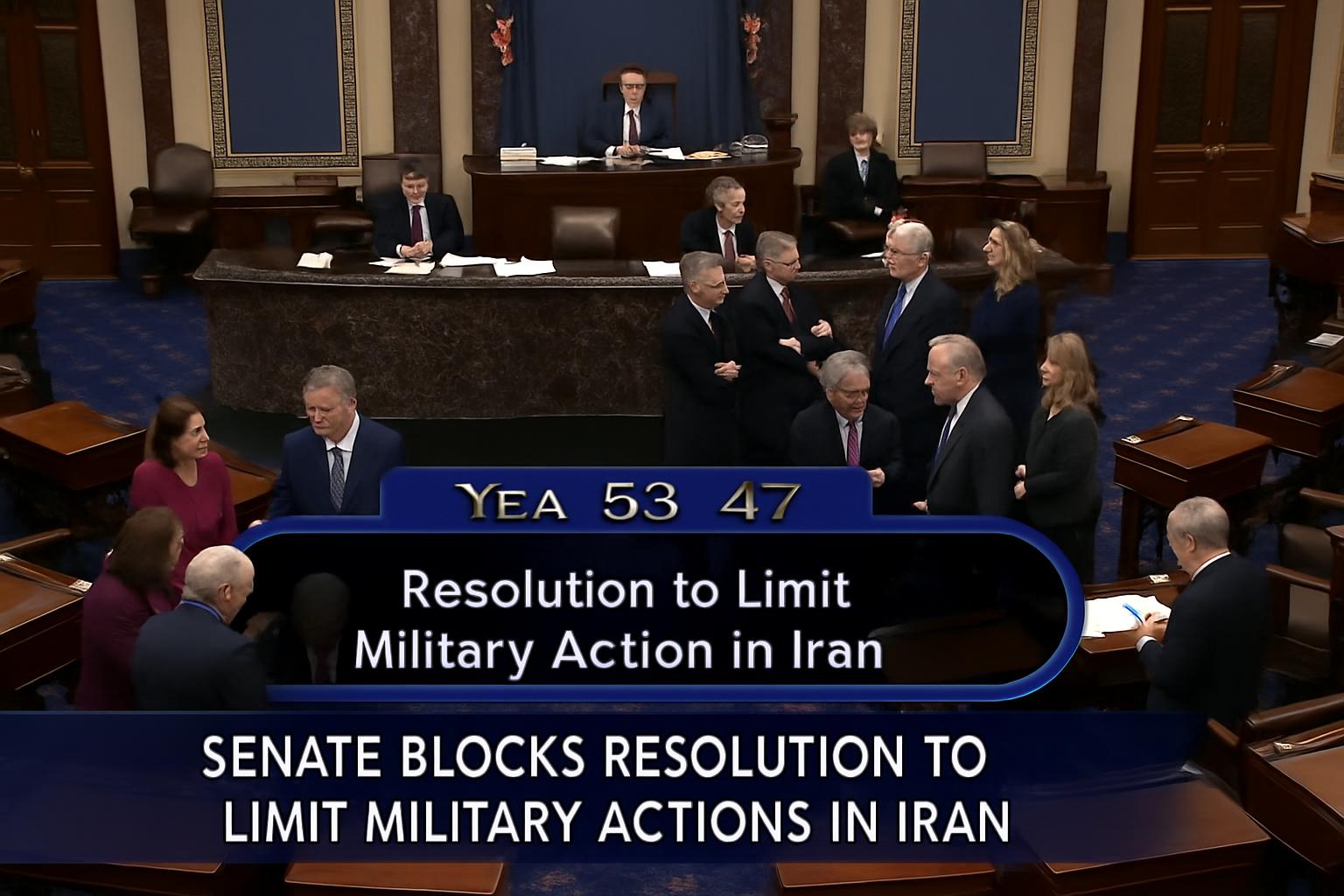
Senate Blocks Resolution to Limit Trump's Military Actions in Iran
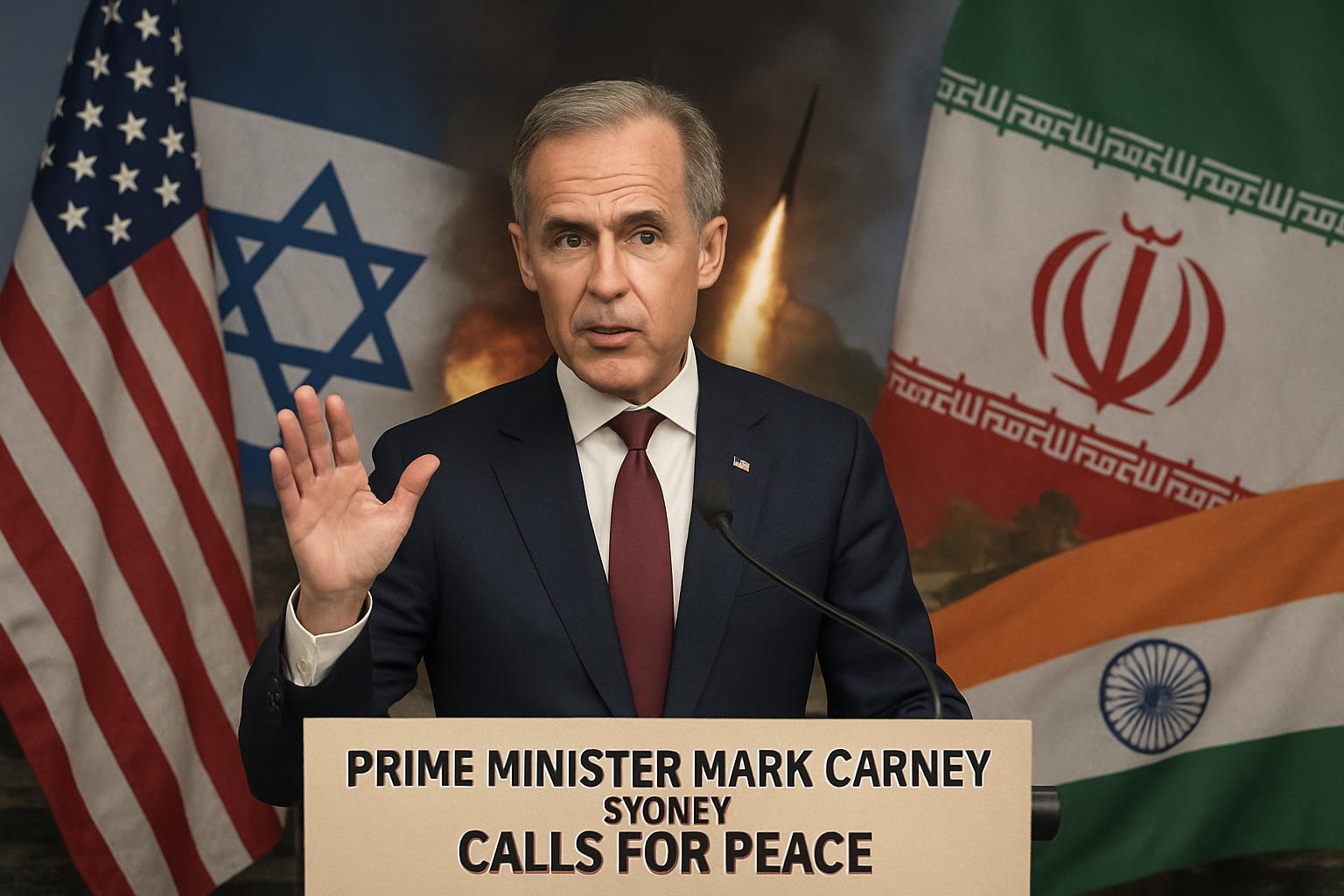
Canada Calls for De-escalation Amid US-Israel Strikes on Iran

UK Faces Dilemmas Amid Iran Conflict and China Spying Allegations
Escalating Iran-Israel Conflict Sees Missile Strikes and Nuclear Tensions
In This Article
 Ethan Brooks| Published
 HIGHLIGHTS
- An Iranian missile struck the Soroka Medical Centre in Beersheba, Israel, amid escalating tensions between Iran and Israel.
- Israel has targeted Iran's nuclear facilities, including the Arak heavy-water reactor, as part of its military strategy.
- Israeli Defense Minister Israel Katz stated the attacks aim to undermine Iran's regime, marking a shift in military objectives.
- The conflict has resulted in significant casualties and damage, with over 271 people injured in Israel.
- Experts warn that Israel's actions may accelerate Iran's nuclear ambitions rather than curb them.
The ongoing conflict between Iran and Israel has intensified, with significant military actions and strategic shifts marking the seventh day of hostilities. An Iranian missile struck the Soroka Medical Centre in Beersheba, Israel, causing extensive damage and injuring numerous individuals. Iran claimed the target was a nearby military site, not the hospital itself. The Israeli Health Ministry reported 271 injuries across the country due to the strikes.
Military Escalation and Strategic Shifts
Israel has launched a series of attacks on Iran's nuclear facilities, including the Arak heavy-water reactor and the Natanz nuclear complex. These actions are part of a broader strategy to undermine Iran's regime, according to Israeli Defense Minister Israel Katz. "These are war crimes of the most serious kind," Katz stated, emphasizing the need to hold Iran's Supreme Leader Ayatollah Ali Khamenei accountable.
Impact and International Reactions
The conflict has sparked international concern, with fears that Israel's military actions could accelerate Iran's nuclear ambitions. Despite Israel's efforts, experts suggest that Iran's nuclear program remains largely intact. Israeli Prime Minister Benjamin Netanyahu has defended the strikes, citing Iran's proximity to developing a nuclear weapon as a primary threat.
Humanitarian and Political Consequences
The missile strike on the Soroka Medical Centre has drawn widespread condemnation, with Israeli officials labeling it a deliberate and criminal act. The attack has forced the evacuation of around 200 patients to other facilities. Meanwhile, the conflict has fueled anger among the Iranian population, who view the strikes as an attack on their sovereignty.
WHAT THIS MIGHT MEAN
As the conflict continues, the potential for further escalation remains high. Israel's aggressive military strategy could provoke a stronger response from Iran, potentially drawing in other regional powers. The involvement of the United States, which has increased its military presence in the region, could further complicate the situation. Experts warn that without a diplomatic resolution, the conflict may lead to a rapid acceleration of Iran's nuclear program, heightening the risk of nuclear proliferation in the region.
Images from the Web
Related Articles
Iran Postpones Khamenei Funeral Amid Escalating US-Israeli Strikes
Intensified US-Israel Strikes on Iran Spark Global Outcry
US and Israel Intensify Military Campaign as Iran's Capabilities Dwindle
Senate Blocks Resolution to Limit Trump's Military Actions in Iran
Canada Calls for De-escalation Amid US-Israel Strikes on Iran
UK Faces Dilemmas Amid Iran Conflict and China Spying Allegations