
Escalating Tensions: Iran and Israel Exchange Strikes Amid US Involvement

In This Article
HIGHLIGHTS
- Israel and Iran have exchanged intense military strikes, escalating tensions in the region.
- The US conducted significant strikes on Iran's nuclear facilities, claiming "monumental damage" despite ongoing assessments.
- Iran's parliament has approved the potential closure of the Strait of Hormuz, a critical global oil passage.
- Donald Trump has suggested regime change in Iran, intensifying geopolitical stakes.
- Iran insists its nuclear knowledge remains intact despite the attacks, with no immediate radioactive contamination reported.
In a dramatic escalation of regional tensions, Israel and Iran have launched a series of military strikes against each other, following US intervention in Iran's nuclear program. The conflict has intensified after US President Donald Trump suggested regime change in Tehran, further complicating the geopolitical landscape.
Strikes on Key Facilities
The Israeli military has targeted Tehran's Evin prison, known for housing political detainees, and access routes to the Fordow uranium enrichment plant. The strikes come amid a broader Israeli campaign to dismantle perceived threats from Iran's nuclear and ballistic missile programs. Iran's health ministry reports approximately 500 fatalities from Israeli strikes, while Iranian missile attacks on Israeli cities have resulted in 24 deaths.
US Military Intervention
The US has conducted significant airstrikes on Iran's nuclear facilities, including Fordow, Isfahan, and Natanz, using bunker-busting bombs. President Trump claimed these strikes "obliterated" the sites, though assessments of the damage are ongoing. The International Atomic Energy Agency (IAEA) has yet to fully evaluate the impact, with Iran asserting that its nuclear knowledge remains undeterred.
Political Ramifications
Trump's remarks on regime change have sparked controversy, with US officials emphasizing that the mission targets Iran's nuclear capabilities, not its government. Meanwhile, Iran's parliament has approved the potential closure of the Strait of Hormuz, a vital oil passage, pending a decision by the supreme national security council. This move could significantly impact global trade, as the strait handles about 20% of the world's oil flow.
Human Impact and Reactions
The conflict has deeply affected civilians, with reports of disrupted electricity supplies in Israel and heightened security measures. In Tel Aviv, residents have sought shelter amid missile alerts. The international community remains on edge, with fears of a broader conflict looming.
WHAT THIS MIGHT MEAN
The ongoing military exchanges between Iran and Israel, coupled with US involvement, could lead to further destabilization in the Middle East. The potential closure of the Strait of Hormuz poses a significant threat to global oil markets, potentially driving up prices and affecting economies worldwide. Diplomatic efforts may be necessary to de-escalate tensions, with the US expressing interest in a long-term settlement with Iran. However, the prospect of regime change, as suggested by Trump, complicates diplomatic avenues and could lead to prolonged conflict if not carefully managed. As the situation develops, the international community will be closely monitoring the implications for regional and global stability.
Related Articles
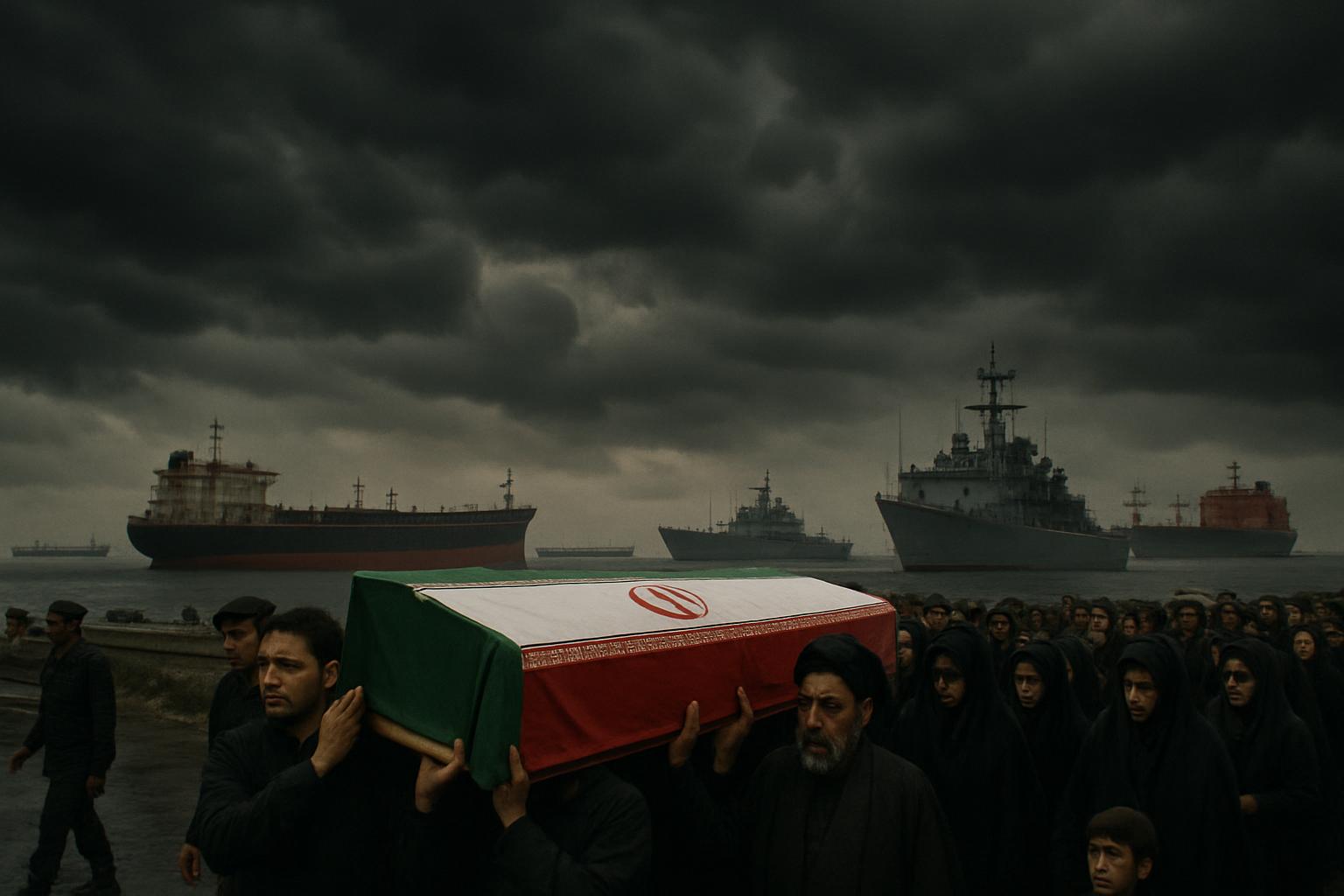
Iran Postpones Khamenei Funeral Amid Escalating US-Israeli Strikes
Intensified US-Israel Strikes on Iran Spark Global Outcry

Senate Blocks Resolution to Limit Trump's Military Actions in Iran

UK Faces Dilemmas Amid Iran Conflict and China Spying Allegations
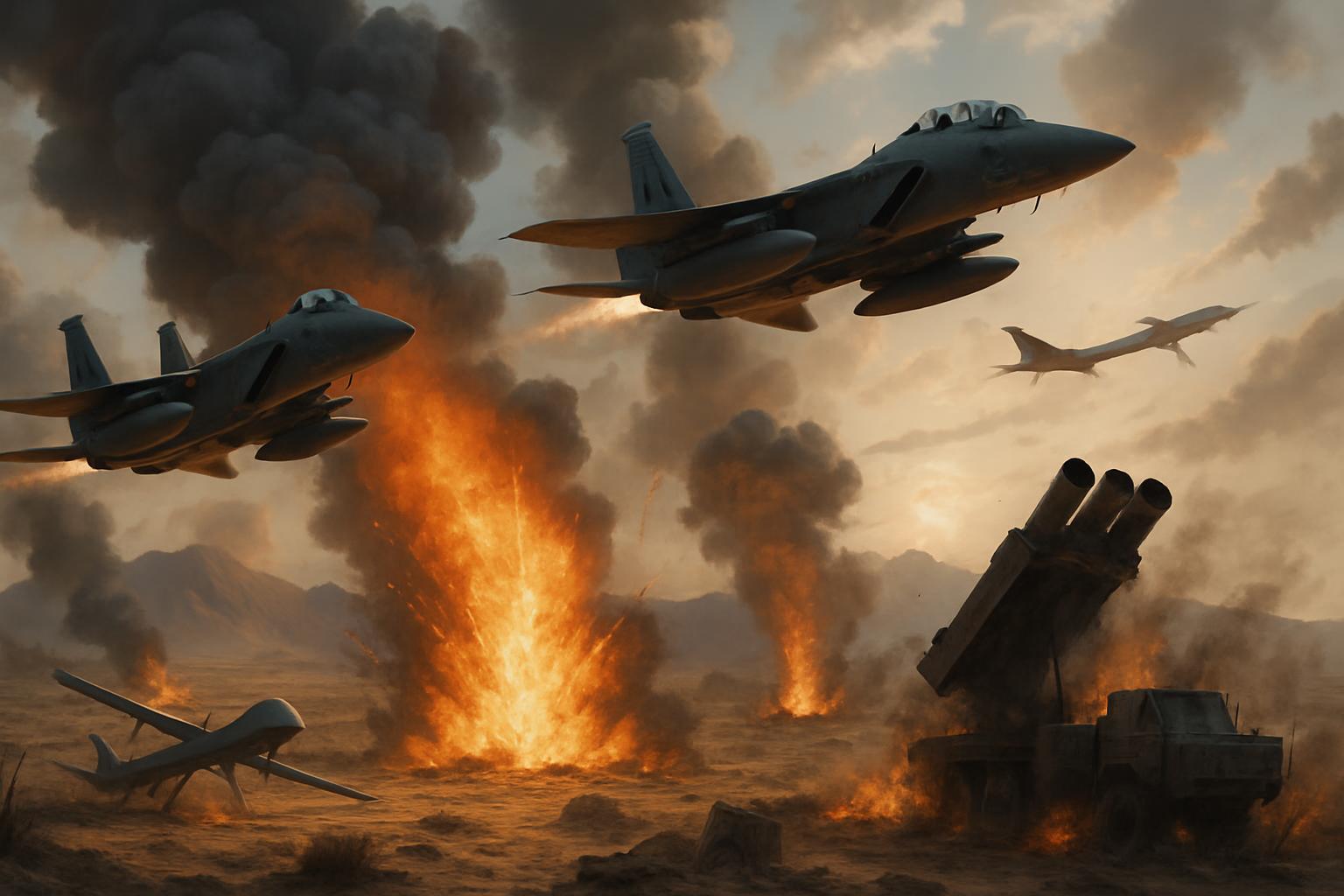
US and Israel Intensify Military Campaign as Iran's Capabilities Dwindle
Spain's Sánchez Stands Firm Against Trump's Trade Threat Over Iran Stance
Escalating Tensions: Iran and Israel Exchange Strikes Amid US Involvement
In This Article
 Ethan Brooks| Published
 HIGHLIGHTS
- Israel and Iran have exchanged intense military strikes, escalating tensions in the region.
- The US conducted significant strikes on Iran's nuclear facilities, claiming "monumental damage" despite ongoing assessments.
- Iran's parliament has approved the potential closure of the Strait of Hormuz, a critical global oil passage.
- Donald Trump has suggested regime change in Iran, intensifying geopolitical stakes.
- Iran insists its nuclear knowledge remains intact despite the attacks, with no immediate radioactive contamination reported.
In a dramatic escalation of regional tensions, Israel and Iran have launched a series of military strikes against each other, following US intervention in Iran's nuclear program. The conflict has intensified after US President Donald Trump suggested regime change in Tehran, further complicating the geopolitical landscape.
Strikes on Key Facilities
The Israeli military has targeted Tehran's Evin prison, known for housing political detainees, and access routes to the Fordow uranium enrichment plant. The strikes come amid a broader Israeli campaign to dismantle perceived threats from Iran's nuclear and ballistic missile programs. Iran's health ministry reports approximately 500 fatalities from Israeli strikes, while Iranian missile attacks on Israeli cities have resulted in 24 deaths.
US Military Intervention
The US has conducted significant airstrikes on Iran's nuclear facilities, including Fordow, Isfahan, and Natanz, using bunker-busting bombs. President Trump claimed these strikes "obliterated" the sites, though assessments of the damage are ongoing. The International Atomic Energy Agency (IAEA) has yet to fully evaluate the impact, with Iran asserting that its nuclear knowledge remains undeterred.
Political Ramifications
Trump's remarks on regime change have sparked controversy, with US officials emphasizing that the mission targets Iran's nuclear capabilities, not its government. Meanwhile, Iran's parliament has approved the potential closure of the Strait of Hormuz, a vital oil passage, pending a decision by the supreme national security council. This move could significantly impact global trade, as the strait handles about 20% of the world's oil flow.
Human Impact and Reactions
The conflict has deeply affected civilians, with reports of disrupted electricity supplies in Israel and heightened security measures. In Tel Aviv, residents have sought shelter amid missile alerts. The international community remains on edge, with fears of a broader conflict looming.
WHAT THIS MIGHT MEAN
The ongoing military exchanges between Iran and Israel, coupled with US involvement, could lead to further destabilization in the Middle East. The potential closure of the Strait of Hormuz poses a significant threat to global oil markets, potentially driving up prices and affecting economies worldwide. Diplomatic efforts may be necessary to de-escalate tensions, with the US expressing interest in a long-term settlement with Iran. However, the prospect of regime change, as suggested by Trump, complicates diplomatic avenues and could lead to prolonged conflict if not carefully managed. As the situation develops, the international community will be closely monitoring the implications for regional and global stability.
Related Articles
Iran Postpones Khamenei Funeral Amid Escalating US-Israeli Strikes
Intensified US-Israel Strikes on Iran Spark Global Outcry
Senate Blocks Resolution to Limit Trump's Military Actions in Iran
UK Faces Dilemmas Amid Iran Conflict and China Spying Allegations
US and Israel Intensify Military Campaign as Iran's Capabilities Dwindle
Spain's Sánchez Stands Firm Against Trump's Trade Threat Over Iran Stance