
Iran's Supreme Leader Acknowledges Protest Deaths Amidst US Tensions
In This Article
HIGHLIGHTS
- Iran's supreme leader, Ayatollah Ali Khamenei, acknowledged thousands were killed during recent protests, blaming the US for the violence.
- The protests, which began on December 28 over economic issues, have evolved into calls for regime change, with over 3,090 reported deaths.
- An internet blackout in Iran has severely restricted communication, complicating efforts to verify information about the protests.
- US President Donald Trump has expressed support for the protesters and warned Iran against further violence, suggesting possible military intervention.
- Reza Pahlavi, the exiled son of Iran’s former shah, has urged international support for regime change, emphasizing the need for global solidarity.
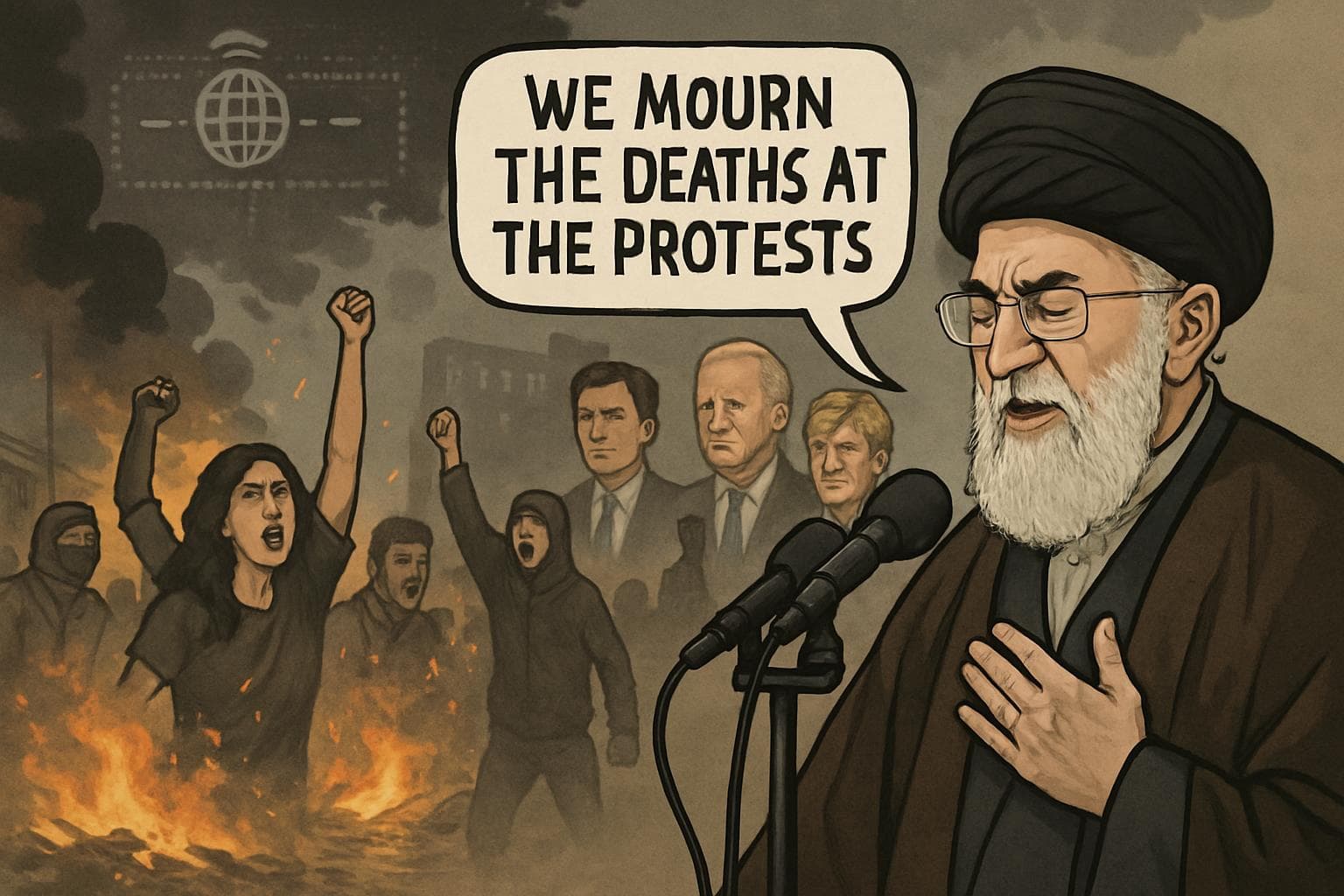
In a rare public admission, Iran's supreme leader, Ayatollah Ali Khamenei, has confirmed that thousands of people have died during the recent wave of protests that have swept across the nation. Speaking on Saturday, Khamenei attributed the violence to foreign interference, particularly from the United States, which he accused of inciting unrest and causing casualties.
The protests, which erupted on December 28 due to economic grievances, have rapidly escalated into broader demands for political change, challenging the authority of Iran's ruling regime. According to the US-based Human Rights Activists News Agency (HRANA), the death toll has reached 3,090, although some activist groups suggest the numbers could be significantly higher.
Internet Blackout and Communication Challenges
The Iranian government's response has included a near-total internet blackout, severely limiting communication within the country and with the outside world. This has made it difficult for international observers and human rights organizations to verify reports of violence and casualties. NetBlocks, a cyber monitoring group, reported that internet connectivity in Iran remains at just 2% of normal levels.
US-Iran Relations and International Reactions
The situation has drawn international attention, with US President Donald Trump voicing support for the protesters and warning Iran against further violence. Trump has indicated that military action remains an option if Iranian security forces continue to target demonstrators. Meanwhile, Reza Pahlavi, the exiled son of Iran's former shah, has called for international support to unseat Khamenei, urging the global community to stand with the Iranian people.
Human Rights Concerns and Future Implications
Human rights organizations have condemned the Iranian government's brutal crackdown on protesters, highlighting the mass arrests and reports of mistreatment of detainees. With over 22,100 people arrested, there are growing fears about the conditions they face in detention.
WHAT THIS MIGHT MEAN
The ongoing unrest in Iran presents a complex challenge for both domestic and international stakeholders. If the protests continue, the Iranian government may face increasing pressure to reform or risk further destabilization. The international community, particularly the US, may need to balance support for human rights with diplomatic strategies to avoid escalating tensions.
Should the Iranian regime maintain its hardline stance, it risks further alienating its population and the international community. Conversely, a shift towards dialogue and reform could pave the way for a more stable and prosperous future for Iran. As the situation unfolds, the role of exiled figures like Reza Pahlavi and the broader Iranian diaspora may become increasingly influential in shaping the country's political landscape.
Related Articles
Iran Postpones Khamenei Funeral Amid Escalating US-Israeli Strikes
Intensified US-Israel Strikes on Iran Spark Global Outcry
Senate Blocks Resolution to Limit Trump's Military Actions in Iran
Spain's Sánchez Stands Firm Against Trump's Trade Threat Over Iran Stance

UK Faces Dilemmas Amid Iran Conflict and China Spying Allegations
US and Israel Intensify Military Campaign as Iran's Capabilities Dwindle
Iran's Supreme Leader Acknowledges Protest Deaths Amidst US Tensions
In This Article
 Ethan Brooks| Published
 HIGHLIGHTS
- Iran's supreme leader, Ayatollah Ali Khamenei, acknowledged thousands were killed during recent protests, blaming the US for the violence.
- The protests, which began on December 28 over economic issues, have evolved into calls for regime change, with over 3,090 reported deaths.
- An internet blackout in Iran has severely restricted communication, complicating efforts to verify information about the protests.
- US President Donald Trump has expressed support for the protesters and warned Iran against further violence, suggesting possible military intervention.
- Reza Pahlavi, the exiled son of Iran’s former shah, has urged international support for regime change, emphasizing the need for global solidarity.
In a rare public admission, Iran's supreme leader, Ayatollah Ali Khamenei, has confirmed that thousands of people have died during the recent wave of protests that have swept across the nation. Speaking on Saturday, Khamenei attributed the violence to foreign interference, particularly from the United States, which he accused of inciting unrest and causing casualties.
The protests, which erupted on December 28 due to economic grievances, have rapidly escalated into broader demands for political change, challenging the authority of Iran's ruling regime. According to the US-based Human Rights Activists News Agency (HRANA), the death toll has reached 3,090, although some activist groups suggest the numbers could be significantly higher.
Internet Blackout and Communication Challenges
The Iranian government's response has included a near-total internet blackout, severely limiting communication within the country and with the outside world. This has made it difficult for international observers and human rights organizations to verify reports of violence and casualties. NetBlocks, a cyber monitoring group, reported that internet connectivity in Iran remains at just 2% of normal levels.
US-Iran Relations and International Reactions
The situation has drawn international attention, with US President Donald Trump voicing support for the protesters and warning Iran against further violence. Trump has indicated that military action remains an option if Iranian security forces continue to target demonstrators. Meanwhile, Reza Pahlavi, the exiled son of Iran's former shah, has called for international support to unseat Khamenei, urging the global community to stand with the Iranian people.
Human Rights Concerns and Future Implications
Human rights organizations have condemned the Iranian government's brutal crackdown on protesters, highlighting the mass arrests and reports of mistreatment of detainees. With over 22,100 people arrested, there are growing fears about the conditions they face in detention.
WHAT THIS MIGHT MEAN
The ongoing unrest in Iran presents a complex challenge for both domestic and international stakeholders. If the protests continue, the Iranian government may face increasing pressure to reform or risk further destabilization. The international community, particularly the US, may need to balance support for human rights with diplomatic strategies to avoid escalating tensions.
Should the Iranian regime maintain its hardline stance, it risks further alienating its population and the international community. Conversely, a shift towards dialogue and reform could pave the way for a more stable and prosperous future for Iran. As the situation unfolds, the role of exiled figures like Reza Pahlavi and the broader Iranian diaspora may become increasingly influential in shaping the country's political landscape.
Related Articles
Iran Postpones Khamenei Funeral Amid Escalating US-Israeli Strikes
Intensified US-Israel Strikes on Iran Spark Global Outcry
Senate Blocks Resolution to Limit Trump's Military Actions in Iran
Spain's Sánchez Stands Firm Against Trump's Trade Threat Over Iran Stance
UK Faces Dilemmas Amid Iran Conflict and China Spying Allegations
US and Israel Intensify Military Campaign as Iran's Capabilities Dwindle