
Iran Protests Escalate Amid Government Crackdown and Internet Blackout
In This Article
HIGHLIGHTS
- Protests in Iran have intensified despite a severe government crackdown, with over 2,500 arrests since December 28.
- The Iranian government has imposed an internet blackout, complicating the verification of events and reports.
- Iran's attorney general labeled protesters as "enemies of God," a charge that carries the death penalty.
- US President Donald Trump has warned Iran against killing protesters, threatening military action.
- Hospitals in Iran are overwhelmed with casualties, with reports of direct gunfire injuries.
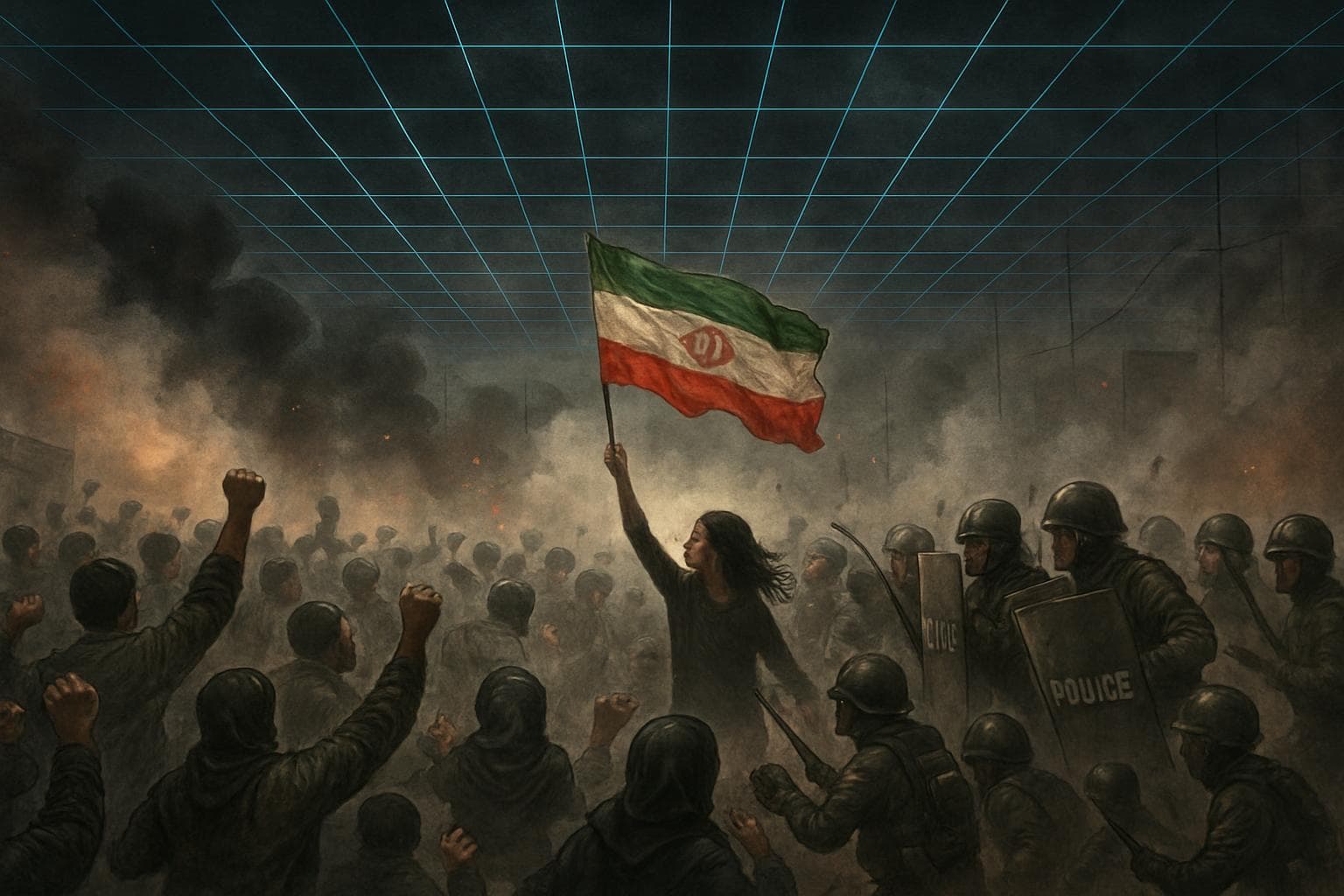
Protests across Iran have intensified despite a harsh government crackdown, as demonstrators continue to defy authorities in a bid for change. The unrest, which began on December 28 due to soaring inflation, has spread to over 100 cities, with protesters now calling for an end to the clerical rule of Supreme Leader Ayatollah Ali Khamenei.
Government Response and Internet Blackout
In response to the growing unrest, the Iranian government has imposed a near-total internet blackout, making it difficult for international media to report from inside the country. Despite this, verified videos have emerged showing violent clashes between protesters and security forces in major cities like Tehran and Mashhad. The country's attorney general, Mohammad Movahedi Azad, has declared that anyone participating in the protests will be considered an "enemy of God," a charge that carries the death penalty.
Rising Tensions and International Reactions
The situation has drawn international attention, with US President Donald Trump warning Iran against killing protesters, stating that such actions would provoke a military response. Iranian Parliament Speaker Mohammad Baqer Qalibaf has countered by threatening that US military and Israeli targets would be legitimate for Iranian retaliation if attacked.
Humanitarian Crisis in Hospitals
Iranian hospitals are reportedly overwhelmed with casualties from the protests. Medical staff have described scenes of chaos, with many patients suffering from gunshot wounds. A Tehran hospital worker recounted the grim reality, stating, "There wasn't even time for CPR," as the number of injured and dead continued to rise.
WHAT THIS MIGHT MEAN
The ongoing protests in Iran could lead to significant political and social changes within the country. If the government continues its harsh crackdown, international pressure may increase, potentially leading to sanctions or diplomatic interventions. The involvement of figures like Reza Pahlavi, the exiled son of the former shah, suggests a possible shift in leadership dynamics if the protests gain further momentum. As the situation develops, the global community will be closely watching how Iran navigates this period of unrest and whether it will lead to meaningful reform or further conflict.
Related Articles
Intensified US-Israel Strikes on Iran Spark Global Outcry
Senate Blocks Resolution to Limit Trump's Military Actions in Iran
Iran Postpones Khamenei Funeral Amid Escalating US-Israeli Strikes

UK Faces Dilemmas Amid Iran Conflict and China Spying Allegations
US and Israel Intensify Military Campaign as Iran's Capabilities Dwindle
Spain's Sánchez Stands Firm Against Trump's Trade Threat Over Iran Stance
Iran Protests Escalate Amid Government Crackdown and Internet Blackout
In This Article
 Ethan Brooks| Published
 HIGHLIGHTS
- Protests in Iran have intensified despite a severe government crackdown, with over 2,500 arrests since December 28.
- The Iranian government has imposed an internet blackout, complicating the verification of events and reports.
- Iran's attorney general labeled protesters as "enemies of God," a charge that carries the death penalty.
- US President Donald Trump has warned Iran against killing protesters, threatening military action.
- Hospitals in Iran are overwhelmed with casualties, with reports of direct gunfire injuries.
Protests across Iran have intensified despite a harsh government crackdown, as demonstrators continue to defy authorities in a bid for change. The unrest, which began on December 28 due to soaring inflation, has spread to over 100 cities, with protesters now calling for an end to the clerical rule of Supreme Leader Ayatollah Ali Khamenei.
Government Response and Internet Blackout
In response to the growing unrest, the Iranian government has imposed a near-total internet blackout, making it difficult for international media to report from inside the country. Despite this, verified videos have emerged showing violent clashes between protesters and security forces in major cities like Tehran and Mashhad. The country's attorney general, Mohammad Movahedi Azad, has declared that anyone participating in the protests will be considered an "enemy of God," a charge that carries the death penalty.
Rising Tensions and International Reactions
The situation has drawn international attention, with US President Donald Trump warning Iran against killing protesters, stating that such actions would provoke a military response. Iranian Parliament Speaker Mohammad Baqer Qalibaf has countered by threatening that US military and Israeli targets would be legitimate for Iranian retaliation if attacked.
Humanitarian Crisis in Hospitals
Iranian hospitals are reportedly overwhelmed with casualties from the protests. Medical staff have described scenes of chaos, with many patients suffering from gunshot wounds. A Tehran hospital worker recounted the grim reality, stating, "There wasn't even time for CPR," as the number of injured and dead continued to rise.
WHAT THIS MIGHT MEAN
The ongoing protests in Iran could lead to significant political and social changes within the country. If the government continues its harsh crackdown, international pressure may increase, potentially leading to sanctions or diplomatic interventions. The involvement of figures like Reza Pahlavi, the exiled son of the former shah, suggests a possible shift in leadership dynamics if the protests gain further momentum. As the situation develops, the global community will be closely watching how Iran navigates this period of unrest and whether it will lead to meaningful reform or further conflict.
Related Articles
Intensified US-Israel Strikes on Iran Spark Global Outcry
Senate Blocks Resolution to Limit Trump's Military Actions in Iran
Iran Postpones Khamenei Funeral Amid Escalating US-Israeli Strikes
UK Faces Dilemmas Amid Iran Conflict and China Spying Allegations
US and Israel Intensify Military Campaign as Iran's Capabilities Dwindle
Spain's Sánchez Stands Firm Against Trump's Trade Threat Over Iran Stance