
Rising Tensions: Iran Considers Nuclear Treaty Withdrawal Amid Israeli Bombings
In This Article
HIGHLIGHTS
- Iran threatens to exit the nuclear non-proliferation treaty amid escalating Israeli airstrikes, raising fears of a broader conflict.
- US President Donald Trump hints at possible American military involvement, while claiming efforts to broker peace.
- Israeli and Iranian attacks have resulted in significant civilian casualties, with over 224 deaths in Iran and 23 in Israel.
- The G7 summit convenes without a clear strategy to resolve the Middle East tensions, as both nations target each other's oil facilities.
- Iran's parliament is considering legislation to withdraw from the NPT, despite claims of opposing nuclear weapons development.
As Israeli airstrikes on Iran enter their fourth day, Tehran has threatened to withdraw from the nuclear non-proliferation treaty (NPT), escalating fears of a broader Middle East conflict. The ongoing hostilities have resulted in significant civilian casualties and have drawn international attention, with US President Donald Trump suggesting potential American military involvement.
Escalating Conflict and Civilian Impact
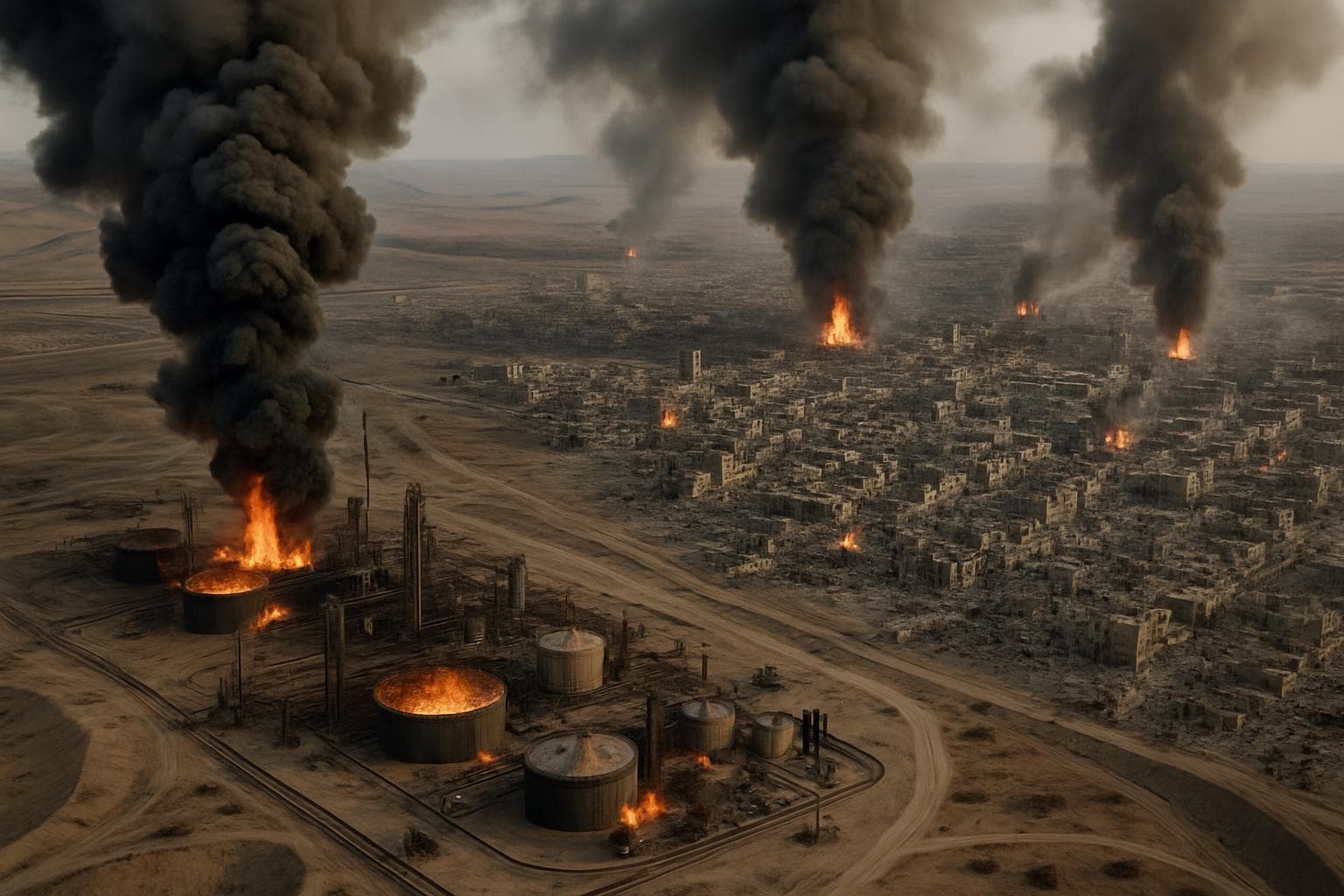
The conflict has intensified, with both nations broadening their range of targets. Iran's health ministry reports that 224 people have died due to Israeli attacks, with 90% being civilians, while over 1,400 have been injured. In retaliation, Iran's missile strikes have killed at least 23 civilians in Israel and injured nearly 600. Both countries have targeted each other's oil and gas facilities, raising the threat of environmental disaster.
US and International Response
President Trump, speaking before the G7 summit in Canada, stated, "Sometimes they have to fight it out," while also claiming efforts to broker peace behind the scenes. The G7 leaders, however, have yet to devise a clear plan to address the escalating tensions. Meanwhile, reports indicate that Trump vetoed an Israeli plan to assassinate Iran's supreme leader, emphasizing a focus away from political leadership targets.
Iran's Nuclear Ambitions and Legislative Moves
Iran's foreign ministry spokesperson, Esmaeil Baghaei, announced that the Majlis, Iran's parliament, is preparing a bill to withdraw from the 1968 NPT agreement. Despite this, Iranian officials, including President Masoud Pezeshkian, insist that the country does not intend to develop nuclear weapons, citing a religious edict against weapons of mass destruction by Ayatollah Ali Khamenei.
Israeli Military Strategy and Criticism
Israel, the only Middle Eastern state with nuclear weapons, has not signed the NPT and continues airstrikes on Iranian nuclear facilities, claiming Tehran is nearing bomb construction. Critics argue that these actions cannot eliminate Iran's nuclear knowledge and may provoke further nuclear development. Israeli forces have reportedly targeted the headquarters of Iran's Revolutionary Guards al-Quds force, yet Iranian missiles continue to evade Israel's defenses.
WHAT THIS MIGHT MEAN
The potential withdrawal of Iran from the NPT could significantly alter the geopolitical landscape, potentially leading to increased nuclear proliferation in the region. Experts warn that such a move might embolden Iran's nuclear ambitions, despite official claims to the contrary. The international community, particularly the G7, faces mounting pressure to mediate and de-escalate tensions to prevent a full-scale war. Meanwhile, the US's role remains pivotal, as any military involvement could further complicate the already volatile situation.
Related Articles
Intensified US-Israel Strikes on Iran Spark Global Outcry
Iran Postpones Khamenei Funeral Amid Escalating US-Israeli Strikes
Senate Blocks Resolution to Limit Trump's Military Actions in Iran

UK Faces Dilemmas Amid Iran Conflict and China Spying Allegations
US and Israel Intensify Military Campaign as Iran's Capabilities Dwindle
Spain's Sánchez Stands Firm Against Trump's Trade Threat Over Iran Stance
Rising Tensions: Iran Considers Nuclear Treaty Withdrawal Amid Israeli Bombings
In This Article
 Ethan Brooks| Published
 HIGHLIGHTS
- Iran threatens to exit the nuclear non-proliferation treaty amid escalating Israeli airstrikes, raising fears of a broader conflict.
- US President Donald Trump hints at possible American military involvement, while claiming efforts to broker peace.
- Israeli and Iranian attacks have resulted in significant civilian casualties, with over 224 deaths in Iran and 23 in Israel.
- The G7 summit convenes without a clear strategy to resolve the Middle East tensions, as both nations target each other's oil facilities.
- Iran's parliament is considering legislation to withdraw from the NPT, despite claims of opposing nuclear weapons development.
As Israeli airstrikes on Iran enter their fourth day, Tehran has threatened to withdraw from the nuclear non-proliferation treaty (NPT), escalating fears of a broader Middle East conflict. The ongoing hostilities have resulted in significant civilian casualties and have drawn international attention, with US President Donald Trump suggesting potential American military involvement.
Escalating Conflict and Civilian Impact
The conflict has intensified, with both nations broadening their range of targets. Iran's health ministry reports that 224 people have died due to Israeli attacks, with 90% being civilians, while over 1,400 have been injured. In retaliation, Iran's missile strikes have killed at least 23 civilians in Israel and injured nearly 600. Both countries have targeted each other's oil and gas facilities, raising the threat of environmental disaster.
US and International Response
President Trump, speaking before the G7 summit in Canada, stated, "Sometimes they have to fight it out," while also claiming efforts to broker peace behind the scenes. The G7 leaders, however, have yet to devise a clear plan to address the escalating tensions. Meanwhile, reports indicate that Trump vetoed an Israeli plan to assassinate Iran's supreme leader, emphasizing a focus away from political leadership targets.
Iran's Nuclear Ambitions and Legislative Moves
Iran's foreign ministry spokesperson, Esmaeil Baghaei, announced that the Majlis, Iran's parliament, is preparing a bill to withdraw from the 1968 NPT agreement. Despite this, Iranian officials, including President Masoud Pezeshkian, insist that the country does not intend to develop nuclear weapons, citing a religious edict against weapons of mass destruction by Ayatollah Ali Khamenei.
Israeli Military Strategy and Criticism
Israel, the only Middle Eastern state with nuclear weapons, has not signed the NPT and continues airstrikes on Iranian nuclear facilities, claiming Tehran is nearing bomb construction. Critics argue that these actions cannot eliminate Iran's nuclear knowledge and may provoke further nuclear development. Israeli forces have reportedly targeted the headquarters of Iran's Revolutionary Guards al-Quds force, yet Iranian missiles continue to evade Israel's defenses.
WHAT THIS MIGHT MEAN
The potential withdrawal of Iran from the NPT could significantly alter the geopolitical landscape, potentially leading to increased nuclear proliferation in the region. Experts warn that such a move might embolden Iran's nuclear ambitions, despite official claims to the contrary. The international community, particularly the G7, faces mounting pressure to mediate and de-escalate tensions to prevent a full-scale war. Meanwhile, the US's role remains pivotal, as any military involvement could further complicate the already volatile situation.
Related Articles
Intensified US-Israel Strikes on Iran Spark Global Outcry
Iran Postpones Khamenei Funeral Amid Escalating US-Israeli Strikes
Senate Blocks Resolution to Limit Trump's Military Actions in Iran
UK Faces Dilemmas Amid Iran Conflict and China Spying Allegations
US and Israel Intensify Military Campaign as Iran's Capabilities Dwindle
Spain's Sánchez Stands Firm Against Trump's Trade Threat Over Iran Stance