
Iran Demands US Rule Out Further Strikes to Resume Nuclear Talks
In This Article
HIGHLIGHTS
- Iran demands the US rule out further strikes to resume nuclear talks, following recent US and Israeli attacks on its nuclear sites.
- The IAEA chief, Rafael Grossi, warns Iran could resume uranium enrichment within months despite damage from the strikes.
- Iran's parliament has suspended cooperation with the IAEA, accusing it of bias towards the US and Israel.
- Iran insists on its right to enrich uranium for peaceful purposes, rejecting US demands for zero enrichment.
- US President Trump maintains that Iran's nuclear facilities were severely damaged, though Iran disputes the extent.
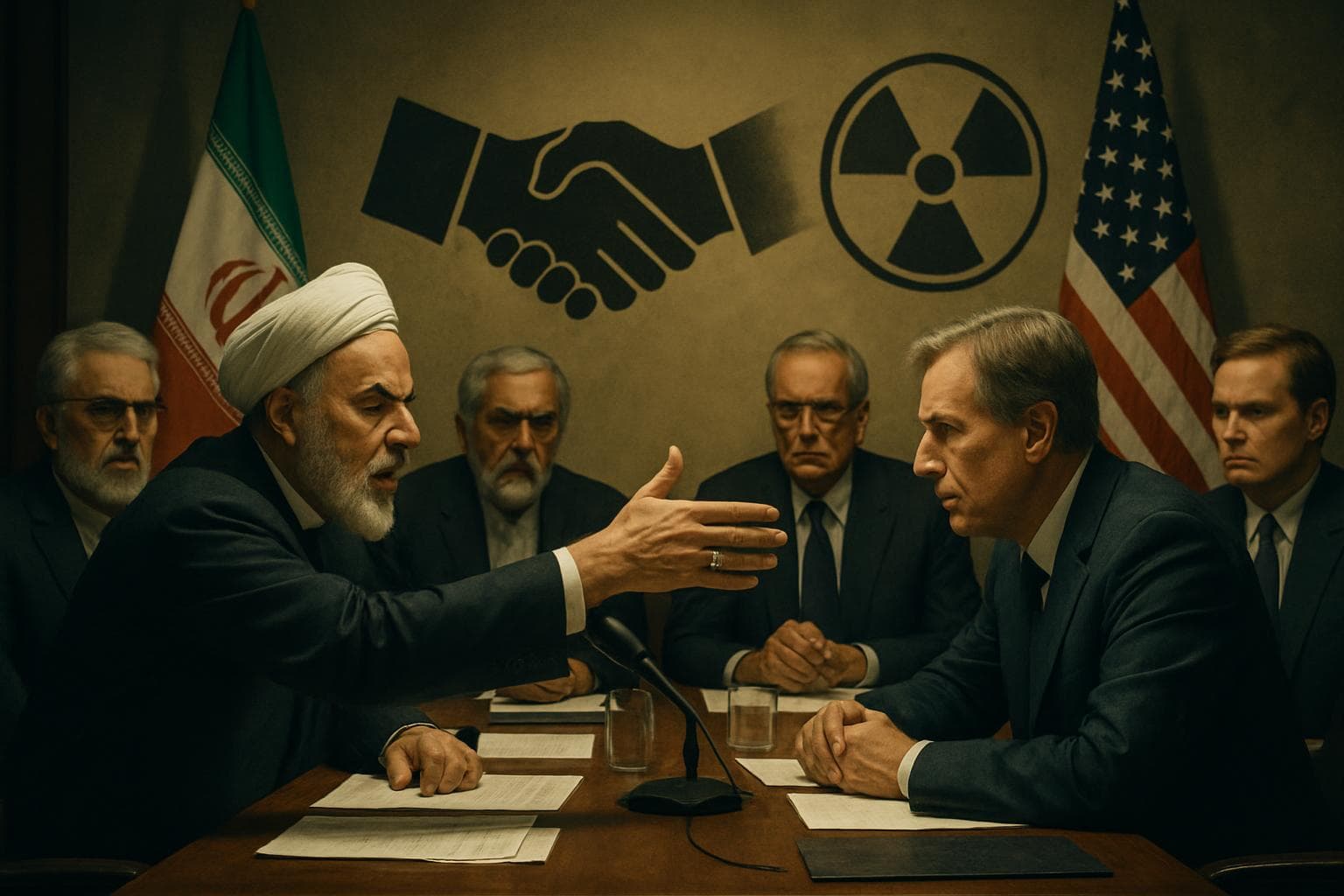
In a tense standoff over nuclear negotiations, Iran has called on the United States to rule out any further military strikes if it wishes to return to diplomatic talks. Tehran's deputy foreign minister, Majid Takht-Ravanchi, emphasized the need for clarity on this issue, following recent US and Israeli attacks on Iranian nuclear sites.
Escalating Tensions and Military Strikes
The conflict intensified when Israel launched a bombing campaign on June 13, targeting Iranian nuclear and military sites. The attacks, justified by Israel as a preventive measure against Iran developing nuclear weapons, were followed by US airstrikes on three key Iranian nuclear facilities. President Donald Trump claimed these actions had "totally obliterated" Iran's nuclear capabilities, though this assertion remains contested.
Iran's Nuclear Ambitions and International Oversight
Despite the damage, Rafael Grossi, head of the International Atomic Energy Agency (IAEA), stated that Iran could resume uranium enrichment within months. Iran's foreign minister, Abbas Araghchi, acknowledged the serious damage but noted the full extent remains unclear. The IAEA's role has been further complicated by Iran's parliament voting to suspend cooperation, accusing the agency of siding with the US and Israel.
Diplomatic Stalemate and Future Prospects
Iran's ambassador to the United Nations, Amir-Saeid Iravani, reiterated Tehran's commitment to its right to enrich uranium for peaceful purposes, as permitted under the nuclear non-proliferation treaty. He criticized the US for dictating terms rather than negotiating, while expressing readiness for talks under fair conditions. The US, however, demands Iran cease all enrichment activities, a stance Iran firmly rejects.
WHAT THIS MIGHT MEAN
The current impasse between the US and Iran over nuclear negotiations could lead to prolonged diplomatic tensions. If the US continues to insist on zero enrichment, Iran may further distance itself from international oversight, potentially escalating regional instability. Experts suggest that a breakthrough in talks may require concessions from both sides, with the US possibly easing its demands and Iran agreeing to more stringent IAEA inspections. The international community will be closely watching for any shifts in policy that could pave the way for renewed dialogue and a peaceful resolution.
Related Articles
Intensified US-Israel Strikes on Iran Spark Global Outcry
Senate Blocks Resolution to Limit Trump's Military Actions in Iran
Iran Postpones Khamenei Funeral Amid Escalating US-Israeli Strikes

UK Faces Dilemmas Amid Iran Conflict and China Spying Allegations
US and Israel Intensify Military Campaign as Iran's Capabilities Dwindle
Spain's Sánchez Stands Firm Against Trump's Trade Threat Over Iran Stance
Iran Demands US Rule Out Further Strikes to Resume Nuclear Talks
In This Article
 Ethan Brooks| Published
 HIGHLIGHTS
- Iran demands the US rule out further strikes to resume nuclear talks, following recent US and Israeli attacks on its nuclear sites.
- The IAEA chief, Rafael Grossi, warns Iran could resume uranium enrichment within months despite damage from the strikes.
- Iran's parliament has suspended cooperation with the IAEA, accusing it of bias towards the US and Israel.
- Iran insists on its right to enrich uranium for peaceful purposes, rejecting US demands for zero enrichment.
- US President Trump maintains that Iran's nuclear facilities were severely damaged, though Iran disputes the extent.
In a tense standoff over nuclear negotiations, Iran has called on the United States to rule out any further military strikes if it wishes to return to diplomatic talks. Tehran's deputy foreign minister, Majid Takht-Ravanchi, emphasized the need for clarity on this issue, following recent US and Israeli attacks on Iranian nuclear sites.
Escalating Tensions and Military Strikes
The conflict intensified when Israel launched a bombing campaign on June 13, targeting Iranian nuclear and military sites. The attacks, justified by Israel as a preventive measure against Iran developing nuclear weapons, were followed by US airstrikes on three key Iranian nuclear facilities. President Donald Trump claimed these actions had "totally obliterated" Iran's nuclear capabilities, though this assertion remains contested.
Iran's Nuclear Ambitions and International Oversight
Despite the damage, Rafael Grossi, head of the International Atomic Energy Agency (IAEA), stated that Iran could resume uranium enrichment within months. Iran's foreign minister, Abbas Araghchi, acknowledged the serious damage but noted the full extent remains unclear. The IAEA's role has been further complicated by Iran's parliament voting to suspend cooperation, accusing the agency of siding with the US and Israel.
Diplomatic Stalemate and Future Prospects
Iran's ambassador to the United Nations, Amir-Saeid Iravani, reiterated Tehran's commitment to its right to enrich uranium for peaceful purposes, as permitted under the nuclear non-proliferation treaty. He criticized the US for dictating terms rather than negotiating, while expressing readiness for talks under fair conditions. The US, however, demands Iran cease all enrichment activities, a stance Iran firmly rejects.
WHAT THIS MIGHT MEAN
The current impasse between the US and Iran over nuclear negotiations could lead to prolonged diplomatic tensions. If the US continues to insist on zero enrichment, Iran may further distance itself from international oversight, potentially escalating regional instability. Experts suggest that a breakthrough in talks may require concessions from both sides, with the US possibly easing its demands and Iran agreeing to more stringent IAEA inspections. The international community will be closely watching for any shifts in policy that could pave the way for renewed dialogue and a peaceful resolution.
Related Articles
Intensified US-Israel Strikes on Iran Spark Global Outcry
Senate Blocks Resolution to Limit Trump's Military Actions in Iran
Iran Postpones Khamenei Funeral Amid Escalating US-Israeli Strikes
UK Faces Dilemmas Amid Iran Conflict and China Spying Allegations
US and Israel Intensify Military Campaign as Iran's Capabilities Dwindle
Spain's Sánchez Stands Firm Against Trump's Trade Threat Over Iran Stance