
Rising Tensions: Iran Warns of Regional Conflict Amid US Military Build-Up

In This Article
HIGHLIGHTS
- Ayatollah Ali Khamenei warned that a US attack on Iran could escalate into a regional conflict.
- President Trump indicated that Iran is in discussions with the US, hinting at a potential deal to avoid military strikes.
- The US has increased its military presence near Iran, deploying the USS Abraham Lincoln.
- Iran's Foreign Minister expressed distrust in the US but noted ongoing negotiations through regional intermediaries.
- Recent explosions in Iran, attributed to gas leaks, have heightened domestic tensions.
As tensions between the United States and Iran continue to escalate, Iran's Supreme Leader Ayatollah Ali Khamenei has issued a stark warning that any US attack could trigger a regional conflict. This comes as the US bolsters its military presence in the region, deploying the aircraft carrier USS Abraham Lincoln in a show of force.
US-Iran Relations Under Strain
President Donald Trump has suggested that Iran is engaged in serious discussions with the US, potentially paving the way for a diplomatic resolution. However, he also emphasized the need for Iran to halt its nuclear ambitions and cease its crackdown on protesters to avoid military intervention. "They are negotiating, so we’ll see what happens," Trump stated, hinting at a possible deal.
Military Maneuvers and Diplomatic Efforts
The US's military build-up, including the deployment of a naval battle group, has raised fears of a direct confrontation. Iran, in response, has warned of retaliatory missile strikes on US bases and allies if attacked. Despite the tensions, Iran's Foreign Minister Abbas Araghchi remains hopeful about reaching a deal, although he expressed skepticism about the US as a reliable negotiating partner.
Domestic Unrest and Explosions
Meanwhile, Iran is grappling with internal unrest, exacerbated by recent explosions in the cities of Bandar Abbas and Ahvaz, which local authorities attribute to gas leaks. These incidents have added to the anxiety within the country, already strained by economic pressures and political dissent.
Strategic Importance of the Strait of Hormuz
The Strait of Hormuz remains a critical point of contention, with Iran previously threatening to close this vital shipping lane in response to aggression. Approximately 20% of the world's traded oil passes through this narrow waterway, underscoring its strategic significance.
WHAT THIS MIGHT MEAN
The current US-Iran tensions could lead to several potential outcomes. If diplomatic negotiations succeed, a new agreement might stabilize the region and ease military tensions. However, failure to reach a consensus could result in heightened military confrontations, with significant implications for global oil markets and regional security. Experts suggest that both nations have much to gain from a peaceful resolution, but mutual distrust remains a significant barrier. As the situation unfolds, the international community watches closely, hoping for a diplomatic breakthrough that averts further conflict.
Related Articles
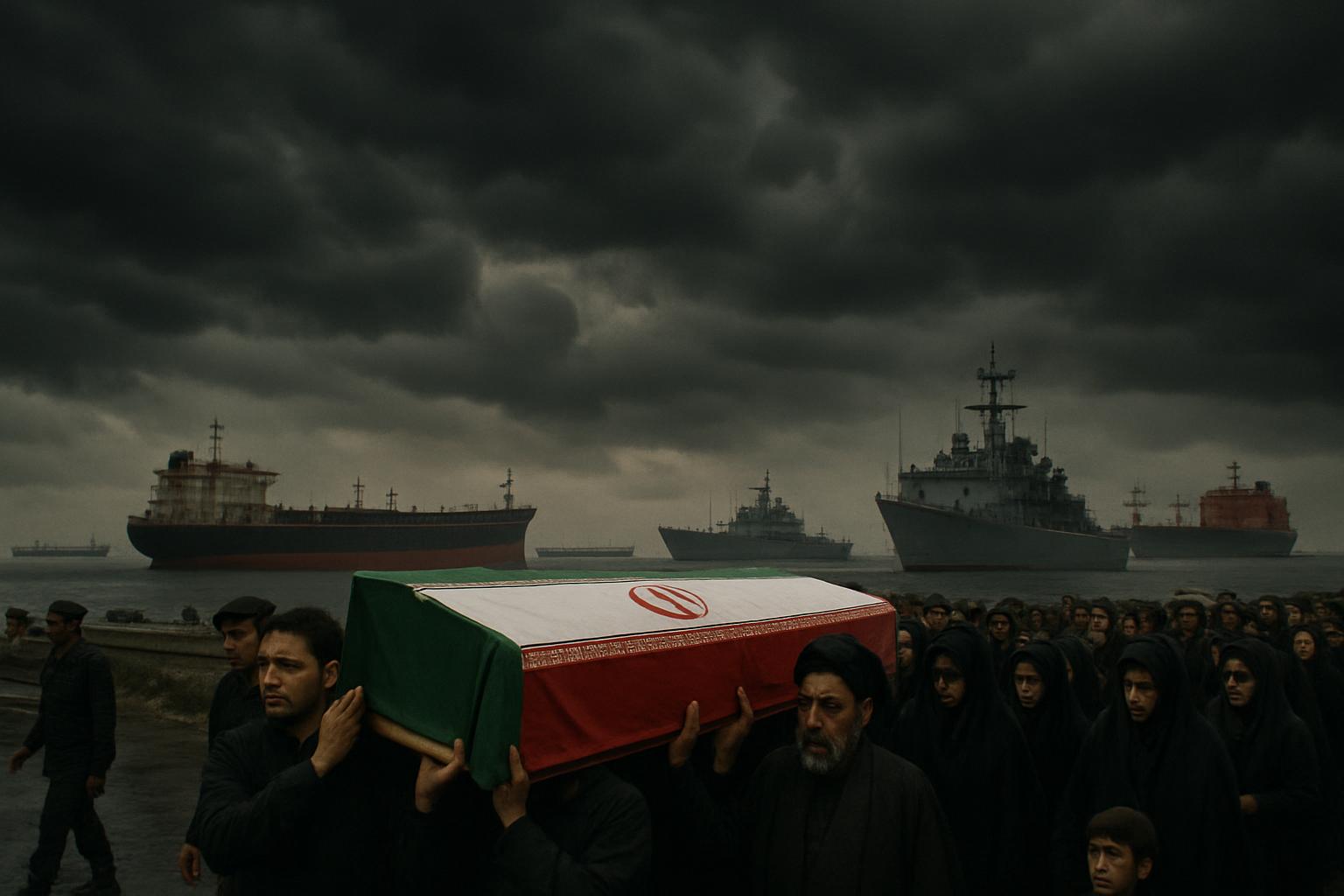
Iran Postpones Khamenei Funeral Amid Escalating US-Israeli Strikes
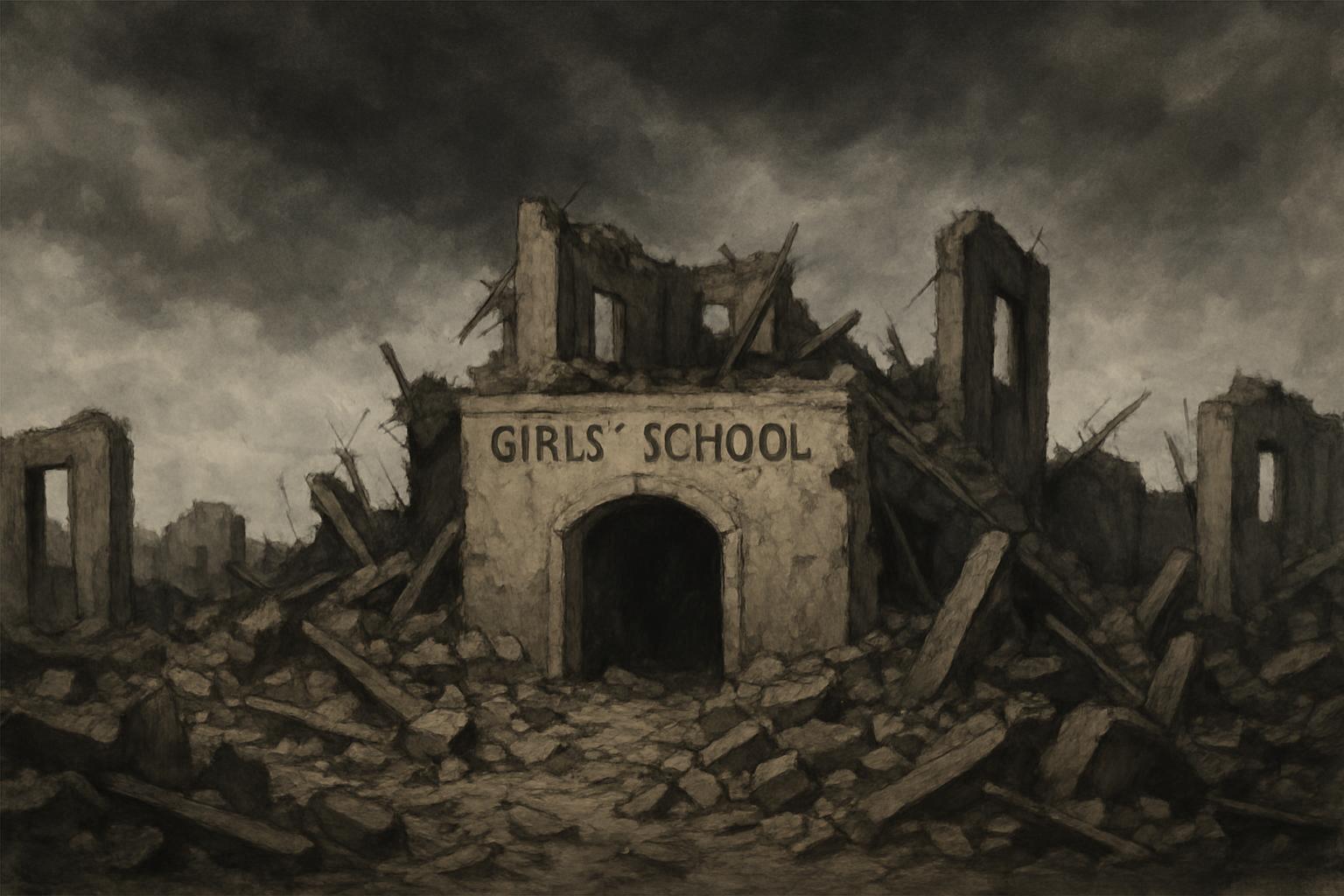
Intensified US-Israel Strikes on Iran Spark Global Outcry
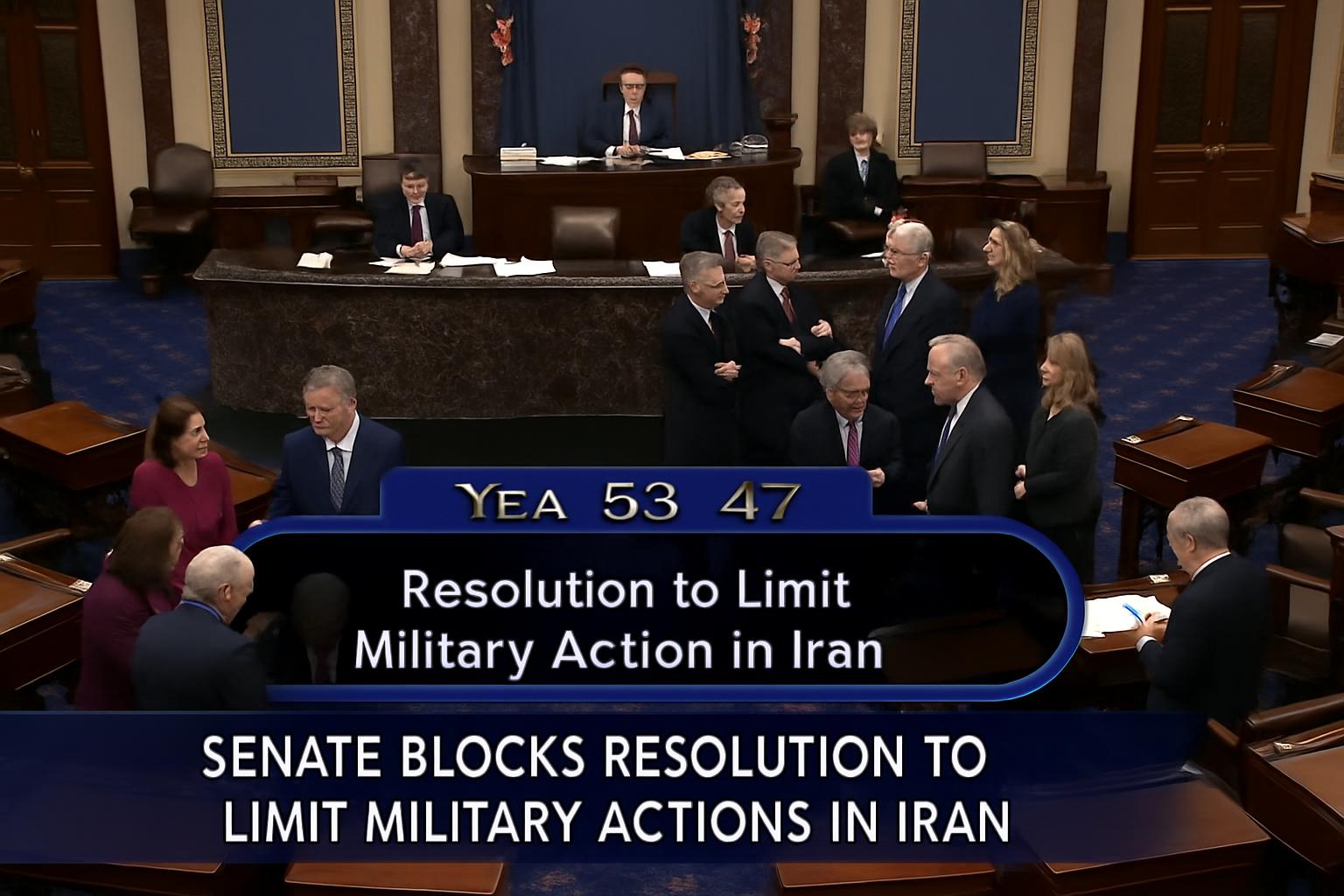
Senate Blocks Resolution to Limit Trump's Military Actions in Iran
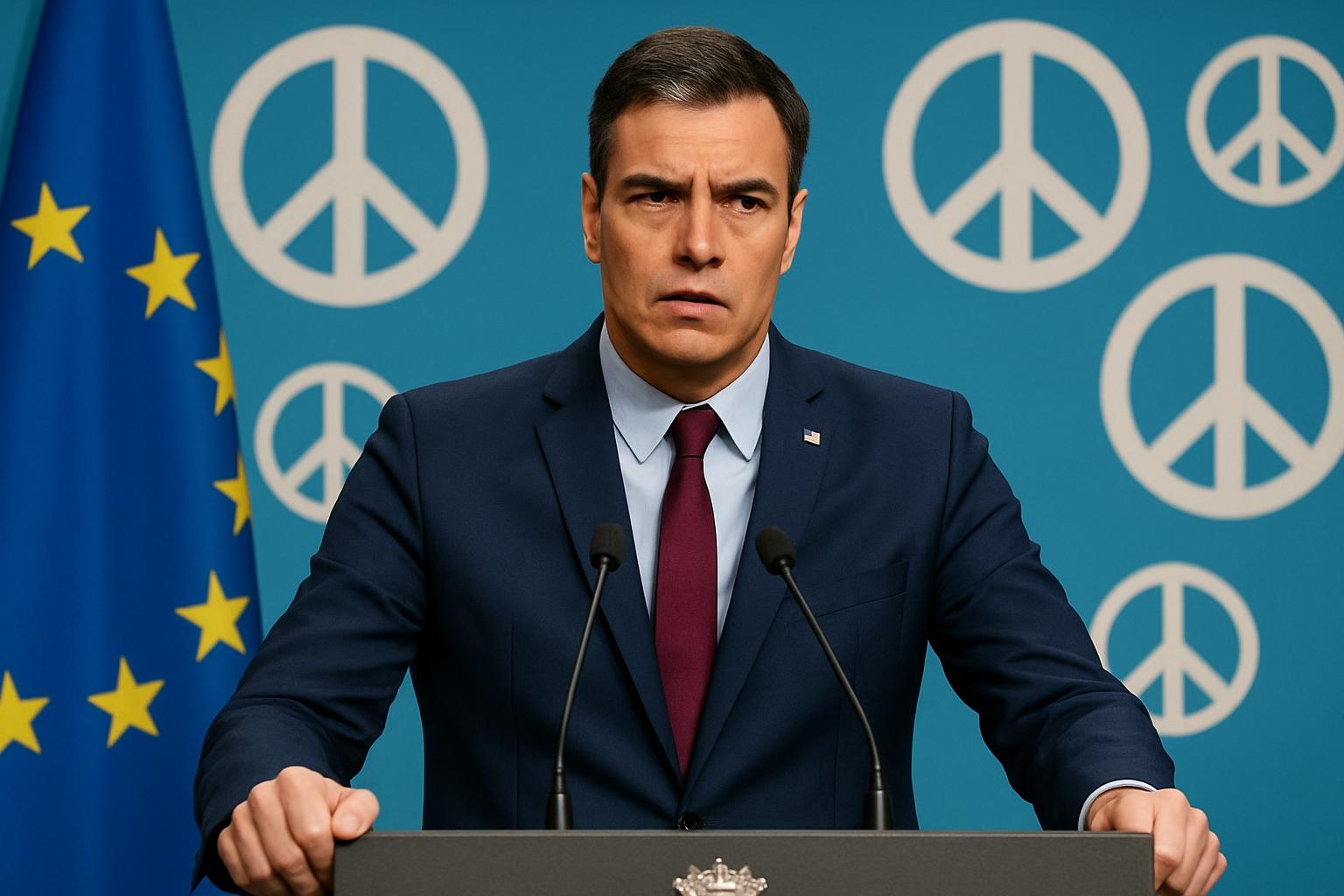
Spain's Sánchez Stands Firm Against Trump's Trade Threat Over Iran Stance

UK Faces Dilemmas Amid Iran Conflict and China Spying Allegations
US and Israel Intensify Military Campaign as Iran's Capabilities Dwindle
Rising Tensions: Iran Warns of Regional Conflict Amid US Military Build-Up
In This Article
 Ethan Brooks| Published
 HIGHLIGHTS
- Ayatollah Ali Khamenei warned that a US attack on Iran could escalate into a regional conflict.
- President Trump indicated that Iran is in discussions with the US, hinting at a potential deal to avoid military strikes.
- The US has increased its military presence near Iran, deploying the USS Abraham Lincoln.
- Iran's Foreign Minister expressed distrust in the US but noted ongoing negotiations through regional intermediaries.
- Recent explosions in Iran, attributed to gas leaks, have heightened domestic tensions.
As tensions between the United States and Iran continue to escalate, Iran's Supreme Leader Ayatollah Ali Khamenei has issued a stark warning that any US attack could trigger a regional conflict. This comes as the US bolsters its military presence in the region, deploying the aircraft carrier USS Abraham Lincoln in a show of force.
US-Iran Relations Under Strain
President Donald Trump has suggested that Iran is engaged in serious discussions with the US, potentially paving the way for a diplomatic resolution. However, he also emphasized the need for Iran to halt its nuclear ambitions and cease its crackdown on protesters to avoid military intervention. "They are negotiating, so we’ll see what happens," Trump stated, hinting at a possible deal.
Military Maneuvers and Diplomatic Efforts
The US's military build-up, including the deployment of a naval battle group, has raised fears of a direct confrontation. Iran, in response, has warned of retaliatory missile strikes on US bases and allies if attacked. Despite the tensions, Iran's Foreign Minister Abbas Araghchi remains hopeful about reaching a deal, although he expressed skepticism about the US as a reliable negotiating partner.
Domestic Unrest and Explosions
Meanwhile, Iran is grappling with internal unrest, exacerbated by recent explosions in the cities of Bandar Abbas and Ahvaz, which local authorities attribute to gas leaks. These incidents have added to the anxiety within the country, already strained by economic pressures and political dissent.
Strategic Importance of the Strait of Hormuz
The Strait of Hormuz remains a critical point of contention, with Iran previously threatening to close this vital shipping lane in response to aggression. Approximately 20% of the world's traded oil passes through this narrow waterway, underscoring its strategic significance.
WHAT THIS MIGHT MEAN
The current US-Iran tensions could lead to several potential outcomes. If diplomatic negotiations succeed, a new agreement might stabilize the region and ease military tensions. However, failure to reach a consensus could result in heightened military confrontations, with significant implications for global oil markets and regional security. Experts suggest that both nations have much to gain from a peaceful resolution, but mutual distrust remains a significant barrier. As the situation unfolds, the international community watches closely, hoping for a diplomatic breakthrough that averts further conflict.
Related Articles
Iran Postpones Khamenei Funeral Amid Escalating US-Israeli Strikes
Intensified US-Israel Strikes on Iran Spark Global Outcry
Senate Blocks Resolution to Limit Trump's Military Actions in Iran
Spain's Sánchez Stands Firm Against Trump's Trade Threat Over Iran Stance
UK Faces Dilemmas Amid Iran Conflict and China Spying Allegations
US and Israel Intensify Military Campaign as Iran's Capabilities Dwindle