
Iranian Nobel Laureate Narges Mohammadi Faces Extended Prison Sentence Amid Crackdown
In This Article
HIGHLIGHTS
- Nobel laureate Narges Mohammadi has been sentenced to an additional seven-and-a-half years in prison by an Iranian court.
- Mohammadi was convicted of "gathering and collusion" and "propaganda activities" in Mashhad, with a two-year travel ban and exile.
- She was arrested in December 2024 after attending a memorial for lawyer Khosrow Alikordi, amid allegations of being beaten by plainclothes agents.
- Mohammadi has been on a hunger strike since February 2, protesting her treatment and the legitimacy of the Iranian judiciary.
- Her imprisonment is part of a broader crackdown on dissent in Iran, following nationwide protests and international scrutiny.
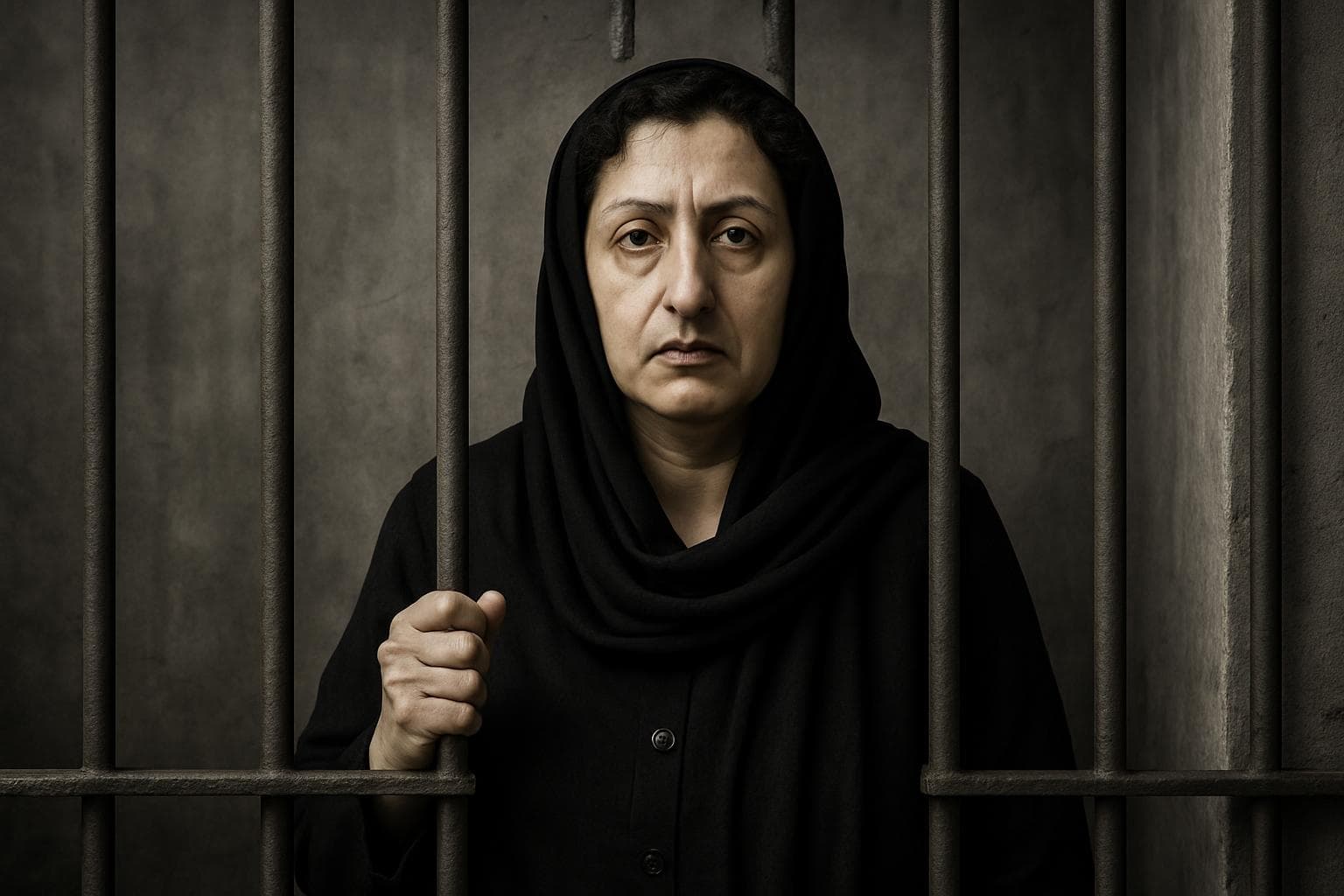
Narges Mohammadi, a prominent Iranian human rights activist and Nobel Peace Prize laureate, has been sentenced to an additional seven-and-a-half years in prison by an Iranian court. The sentence was announced by her lawyer, Mostafa Nili, and comes amid heightened tensions and a crackdown on dissent in Iran.
New Charges and Legal Proceedings
Mohammadi was convicted of "gathering and collusion" and "propaganda activities" by a court in Mashhad. In addition to the prison sentence, she faces a two-year travel ban and internal exile to the city of Khusf. The 53-year-old activist, who has already spent over a decade in prison, was arrested in December 2024 after attending a memorial for Khosrow Alikordi, a fellow human rights advocate. Eyewitnesses reported that Mohammadi was beaten by plainclothes agents during her arrest.
Ongoing Hunger Strike and Health Concerns
Since February 2, Mohammadi has been on a hunger strike, protesting her treatment and the legitimacy of the Iranian judiciary. Her husband, Taghi Rahmani, described the court proceedings as a "charade" and criticized the sentence as "cruel and very unfair." Mohammadi's health has been a concern, with reports of her being hospitalized due to poor physical condition.
Broader Context of Dissent in Iran
The sentencing of Mohammadi is part of a broader crackdown on dissent in Iran, following nationwide protests sparked by the 2022 death of Mahsa Amini. Mohammadi has been a vocal supporter of these protests, which have seen women openly defy the government by refusing to wear the hijab. Her activism has continued despite multiple imprisonments and health challenges, including heart attacks and surgery.
WHAT THIS MIGHT MEAN
The extended sentence for Narges Mohammadi highlights the Iranian government's ongoing efforts to suppress dissent and silence activists. As international attention focuses on Iran's human rights record, pressure may mount from global human rights organizations and Western governments to secure her release. However, with Iran's leadership taking a hardline stance, significant diplomatic efforts may be required to effect change. The situation remains fluid, with potential implications for Iran's negotiations with the US and its broader geopolitical standing.
Related Articles

Middle East Conflict Drives UK Energy Prices to New Highs

US and Israel Intensify Military Campaign as Iran's Capabilities Dwindle

UK Reinforces Military Presence in Cyprus Amid Middle East Tensions

US-Iran Tensions Escalate Amid Renewed Nuclear Talks and Protests

Canada and Australia Forge Strategic Partnership Amid Global Uncertainty

Intensified US-Israel Strikes on Iran Spark Global Outcry
Iranian Nobel Laureate Narges Mohammadi Faces Extended Prison Sentence Amid Crackdown
In This Article
 James Okoro| Published
 HIGHLIGHTS
- Nobel laureate Narges Mohammadi has been sentenced to an additional seven-and-a-half years in prison by an Iranian court.
- Mohammadi was convicted of "gathering and collusion" and "propaganda activities" in Mashhad, with a two-year travel ban and exile.
- She was arrested in December 2024 after attending a memorial for lawyer Khosrow Alikordi, amid allegations of being beaten by plainclothes agents.
- Mohammadi has been on a hunger strike since February 2, protesting her treatment and the legitimacy of the Iranian judiciary.
- Her imprisonment is part of a broader crackdown on dissent in Iran, following nationwide protests and international scrutiny.
Narges Mohammadi, a prominent Iranian human rights activist and Nobel Peace Prize laureate, has been sentenced to an additional seven-and-a-half years in prison by an Iranian court. The sentence was announced by her lawyer, Mostafa Nili, and comes amid heightened tensions and a crackdown on dissent in Iran.
New Charges and Legal Proceedings
Mohammadi was convicted of "gathering and collusion" and "propaganda activities" by a court in Mashhad. In addition to the prison sentence, she faces a two-year travel ban and internal exile to the city of Khusf. The 53-year-old activist, who has already spent over a decade in prison, was arrested in December 2024 after attending a memorial for Khosrow Alikordi, a fellow human rights advocate. Eyewitnesses reported that Mohammadi was beaten by plainclothes agents during her arrest.
Ongoing Hunger Strike and Health Concerns
Since February 2, Mohammadi has been on a hunger strike, protesting her treatment and the legitimacy of the Iranian judiciary. Her husband, Taghi Rahmani, described the court proceedings as a "charade" and criticized the sentence as "cruel and very unfair." Mohammadi's health has been a concern, with reports of her being hospitalized due to poor physical condition.
Broader Context of Dissent in Iran
The sentencing of Mohammadi is part of a broader crackdown on dissent in Iran, following nationwide protests sparked by the 2022 death of Mahsa Amini. Mohammadi has been a vocal supporter of these protests, which have seen women openly defy the government by refusing to wear the hijab. Her activism has continued despite multiple imprisonments and health challenges, including heart attacks and surgery.
WHAT THIS MIGHT MEAN
The extended sentence for Narges Mohammadi highlights the Iranian government's ongoing efforts to suppress dissent and silence activists. As international attention focuses on Iran's human rights record, pressure may mount from global human rights organizations and Western governments to secure her release. However, with Iran's leadership taking a hardline stance, significant diplomatic efforts may be required to effect change. The situation remains fluid, with potential implications for Iran's negotiations with the US and its broader geopolitical standing.
Related Articles
Middle East Conflict Drives UK Energy Prices to New Highs
US and Israel Intensify Military Campaign as Iran's Capabilities Dwindle
UK Reinforces Military Presence in Cyprus Amid Middle East Tensions
US-Iran Tensions Escalate Amid Renewed Nuclear Talks and Protests
Canada and Australia Forge Strategic Partnership Amid Global Uncertainty
Intensified US-Israel Strikes on Iran Spark Global Outcry