
Israel and Hamas Edge Closer to Ceasefire Amid Ongoing Violence in Gaza

In This Article
HIGHLIGHTS
- Two US aid workers were injured in a grenade attack at a Gaza Humanitarian Foundation site in Khan Younis, with Hamas blamed for the incident.
- Israel is sending negotiators to Qatar for talks on a US-mediated Gaza ceasefire proposal, despite rejecting Hamas's demands for changes.
- Hamas has expressed readiness to negotiate a 60-day ceasefire, seeking guarantees against resumption of hostilities.
- Israeli airstrikes continue in Gaza, with over 250 Palestinians killed in recent days, intensifying the humanitarian crisis.
- US President Trump is optimistic about a potential Gaza deal, with talks set to continue in Washington.
As tensions persist in Gaza, Israel and Hamas are inching towards a potential ceasefire agreement, mediated by the United States. This development comes amid ongoing violence, including a grenade attack on the Gaza Humanitarian Foundation (GHF) that injured two American aid workers. The attack, which took place in Khan Younis, has been attributed to Hamas, although the group has not commented on the incident.
Ceasefire Negotiations Underway
Despite rejecting Hamas's demands for amendments to the ceasefire proposal, Israel has decided to send a delegation to Qatar for proximity talks. Israeli Prime Minister Benjamin Netanyahu's office confirmed the decision, emphasizing the importance of continuing negotiations for a hostage release deal. The proposal, brokered by the US, Qatar, and Egypt, envisions a 60-day ceasefire and the release of hostages held by both sides.
Hamas has responded positively to the proposal, expressing readiness to engage in talks. However, the group seeks assurances that hostilities will not resume if negotiations for a permanent truce fail. The ceasefire talks are being closely watched by US President Donald Trump, who has expressed optimism about reaching an agreement.
Humanitarian Crisis Deepens
Meanwhile, the humanitarian situation in Gaza remains dire. Israeli airstrikes have intensified, resulting in the deaths of over 250 Palestinians, including women and children, in recent days. The ongoing conflict has exacerbated the humanitarian crisis, with aid workers warning of a potential collapse of essential services due to dwindling fuel supplies.
The GHF, a US-backed aid organization, has faced criticism for its distribution methods, which have been described as unsafe by UN officials. The organization, however, maintains that it has successfully delivered millions of meals to Gazans.
International Efforts and Political Implications
As the ceasefire negotiations progress, international mediators face the challenge of bridging the gaps between the parties. The potential agreement holds significant political implications, with Netanyahu set to discuss the developments with President Trump in Washington. The Israeli Prime Minister's political standing has been bolstered by recent military successes, and public opinion in Israel shows strong support for a ceasefire deal.
WHAT THIS MIGHT MEAN
The ongoing negotiations in Qatar could lead to a temporary pause in hostilities, providing much-needed relief to the beleaguered residents of Gaza. However, the success of the ceasefire largely depends on the ability of mediators to address the demands of both parties, particularly Hamas's insistence on guarantees against renewed conflict.
Should a ceasefire be reached, it could pave the way for more comprehensive peace talks, potentially altering the political landscape in the region. However, the deep-seated mistrust between Israel and Hamas remains a significant hurdle. The international community, particularly the US, will play a crucial role in ensuring that any agreement is upheld and that humanitarian aid reaches those in need.
Related Articles

US and Israel Intensify Military Campaign as Iran's Capabilities Dwindle

Intensified US-Israel Strikes on Iran Spark Global Outcry
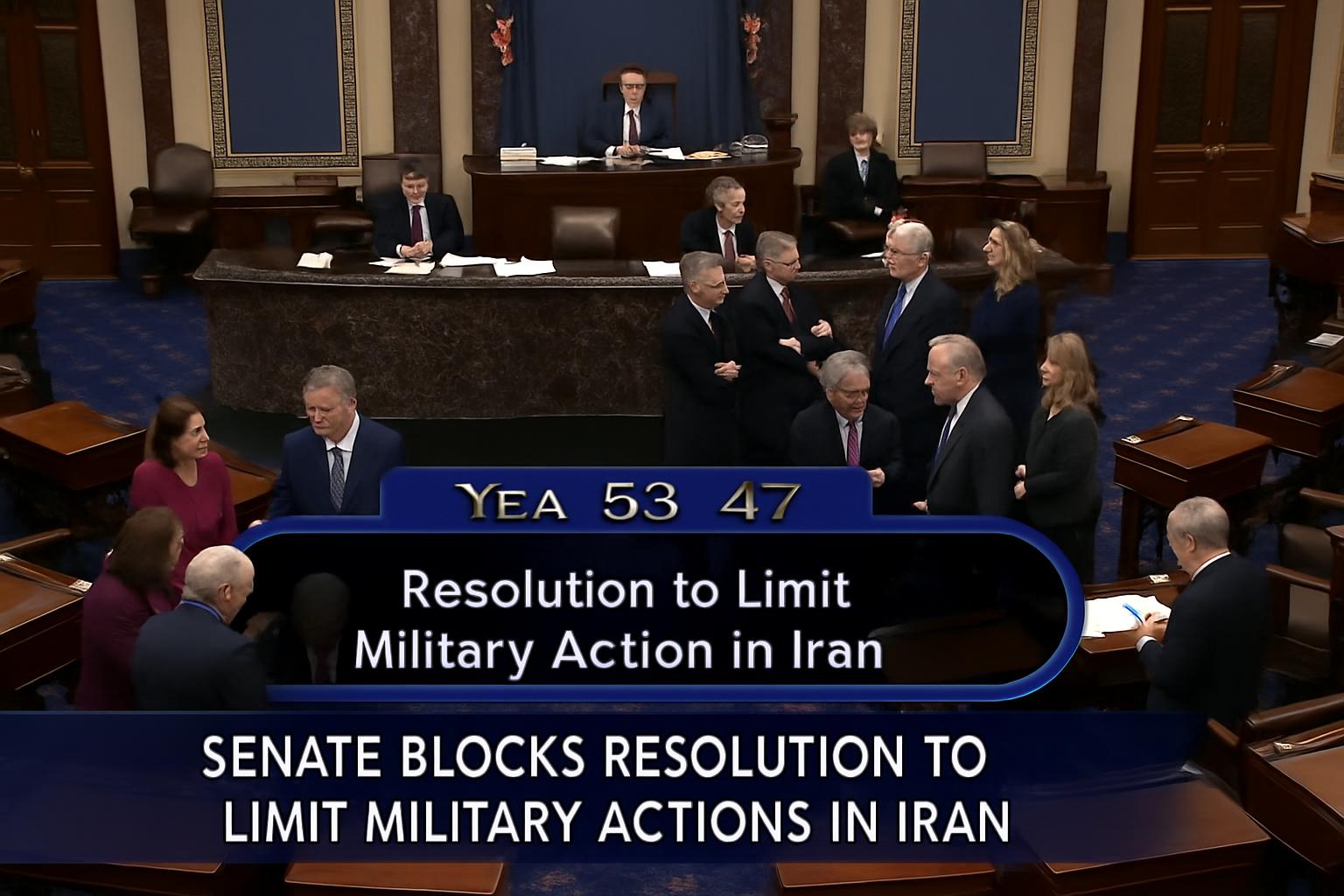
Senate Blocks Resolution to Limit Trump's Military Actions in Iran

UK Faces Dilemmas Amid Iran Conflict and China Spying Allegations

UK-Iran Tensions: Starmer Defends Cautious Approach Amid Trump Criticism
Spain's Sánchez Stands Firm Against Trump's Trade Threat Over Iran Stance
Israel and Hamas Edge Closer to Ceasefire Amid Ongoing Violence in Gaza
In This Article
 Ethan Brooks| Published
 HIGHLIGHTS
- Two US aid workers were injured in a grenade attack at a Gaza Humanitarian Foundation site in Khan Younis, with Hamas blamed for the incident.
- Israel is sending negotiators to Qatar for talks on a US-mediated Gaza ceasefire proposal, despite rejecting Hamas's demands for changes.
- Hamas has expressed readiness to negotiate a 60-day ceasefire, seeking guarantees against resumption of hostilities.
- Israeli airstrikes continue in Gaza, with over 250 Palestinians killed in recent days, intensifying the humanitarian crisis.
- US President Trump is optimistic about a potential Gaza deal, with talks set to continue in Washington.
As tensions persist in Gaza, Israel and Hamas are inching towards a potential ceasefire agreement, mediated by the United States. This development comes amid ongoing violence, including a grenade attack on the Gaza Humanitarian Foundation (GHF) that injured two American aid workers. The attack, which took place in Khan Younis, has been attributed to Hamas, although the group has not commented on the incident.
Ceasefire Negotiations Underway
Despite rejecting Hamas's demands for amendments to the ceasefire proposal, Israel has decided to send a delegation to Qatar for proximity talks. Israeli Prime Minister Benjamin Netanyahu's office confirmed the decision, emphasizing the importance of continuing negotiations for a hostage release deal. The proposal, brokered by the US, Qatar, and Egypt, envisions a 60-day ceasefire and the release of hostages held by both sides.
Hamas has responded positively to the proposal, expressing readiness to engage in talks. However, the group seeks assurances that hostilities will not resume if negotiations for a permanent truce fail. The ceasefire talks are being closely watched by US President Donald Trump, who has expressed optimism about reaching an agreement.
Humanitarian Crisis Deepens
Meanwhile, the humanitarian situation in Gaza remains dire. Israeli airstrikes have intensified, resulting in the deaths of over 250 Palestinians, including women and children, in recent days. The ongoing conflict has exacerbated the humanitarian crisis, with aid workers warning of a potential collapse of essential services due to dwindling fuel supplies.
The GHF, a US-backed aid organization, has faced criticism for its distribution methods, which have been described as unsafe by UN officials. The organization, however, maintains that it has successfully delivered millions of meals to Gazans.
International Efforts and Political Implications
As the ceasefire negotiations progress, international mediators face the challenge of bridging the gaps between the parties. The potential agreement holds significant political implications, with Netanyahu set to discuss the developments with President Trump in Washington. The Israeli Prime Minister's political standing has been bolstered by recent military successes, and public opinion in Israel shows strong support for a ceasefire deal.
WHAT THIS MIGHT MEAN
The ongoing negotiations in Qatar could lead to a temporary pause in hostilities, providing much-needed relief to the beleaguered residents of Gaza. However, the success of the ceasefire largely depends on the ability of mediators to address the demands of both parties, particularly Hamas's insistence on guarantees against renewed conflict.
Should a ceasefire be reached, it could pave the way for more comprehensive peace talks, potentially altering the political landscape in the region. However, the deep-seated mistrust between Israel and Hamas remains a significant hurdle. The international community, particularly the US, will play a crucial role in ensuring that any agreement is upheld and that humanitarian aid reaches those in need.
Related Articles
US and Israel Intensify Military Campaign as Iran's Capabilities Dwindle
Intensified US-Israel Strikes on Iran Spark Global Outcry
Senate Blocks Resolution to Limit Trump's Military Actions in Iran
UK Faces Dilemmas Amid Iran Conflict and China Spying Allegations
UK-Iran Tensions: Starmer Defends Cautious Approach Amid Trump Criticism
Spain's Sánchez Stands Firm Against Trump's Trade Threat Over Iran Stance