
Israel Escalates Gaza City Offensive Amid Humanitarian Crisis
In This Article
HIGHLIGHTS
- Israel intensifies its military offensive on Gaza City, targeting northern and eastern areas, with 64 people killed in the last 24 hours.
- The conflict has resulted in over 62,000 deaths and nearly 158,000 injuries since the operation began on October 7, 2023.
- Israeli Prime Minister Benjamin Netanyahu faces domestic pressure to negotiate a ceasefire, as only 20 of 50 hostages are believed to be alive.
- Mediators from Qatar and Egypt propose a 60-day truce and partial hostage release, but Israel demands a comprehensive deal.
- The humanitarian situation in Gaza is dire, with UN experts warning of a "man-made famine" amid ongoing military actions.
Israel has intensified its military operations in Gaza City, targeting the northern and eastern outskirts with airstrikes and tank fire. The offensive, aimed at seizing control of the territory's largest urban area, has resulted in 64 deaths and nearly 300 injuries in the past 24 hours alone, according to Gaza's Hamas-run health ministry. The overall toll since the conflict began on October 7, 2023, has reached over 62,000 fatalities and nearly 158,000 injuries.
Military Operations and Humanitarian Impact
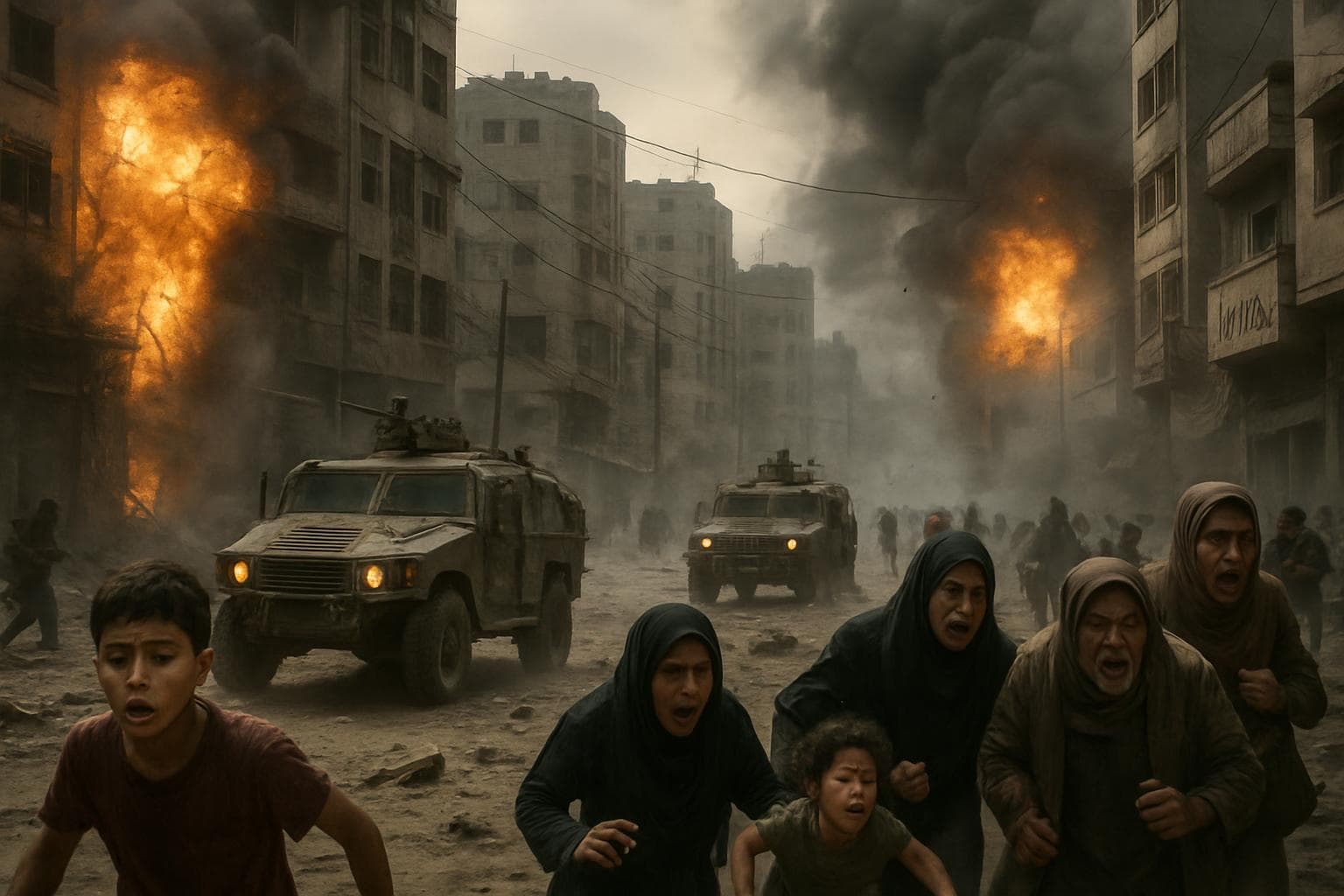
The Israeli Defence Forces (IDF) have been active in areas such as Zeitoun, Shejayia, and Jabalia, with reports of continuous explosions causing panic among residents. Many families are fleeing the city, while others, unable to afford relocation, remain in their homes despite the danger. "No place is safe," said Mohammad, a 40-year-old resident, highlighting the dire situation faced by civilians.
The humanitarian crisis in Gaza is worsening, with UN-backed experts declaring a "man-made famine" in the city and surrounding areas. The Integrated Food Security Phase Classification (IPC) report emphasizes the urgent need for a ceasefire to allow humanitarian aid to reach those in need.
Political and Diplomatic Developments
Israeli Prime Minister Benjamin Netanyahu is under pressure from families of hostages to negotiate an end to the conflict. Only 20 of the 50 hostages held by Hamas are believed to be alive. Despite indirect talks breaking down last month, mediators from Qatar and Egypt have proposed a 60-day truce and the release of around half of the hostages. However, Israel insists on a comprehensive agreement that includes the release of all hostages.
Israel's Defence Minister has warned that Gaza City will be razed unless Hamas agrees to disarm and release the hostages. Meanwhile, Hamas accuses Israel of not being serious about a ceasefire, stating that an agreement is the only way to ensure the hostages' safe return.
WHAT THIS MIGHT MEAN
The ongoing military offensive in Gaza City could lead to further escalation if a ceasefire agreement is not reached soon. The humanitarian crisis is likely to worsen, with increasing international pressure on Israel to allow aid into the region. Diplomatic efforts by Qatar and Egypt may continue, but Israel's demand for a comprehensive deal complicates negotiations. The situation remains volatile, with potential implications for regional stability and international relations.
Related Articles

Trump's Board of Peace Pledges $7 Billion for Gaza Amidst International Skepticism

US Ambassador's Biblical Land Remarks Spark Outcry from Arab Nations
Israeli Airstrikes in Lebanon's Bekaa Valley Leave 10 Dead Amid Rising Tensions
Palestinian-American Teen Killed by Israeli Settlers in West Bank Sparks Calls for Accountability
Hamas Leadership Vote Amidst Critical Crossroads for the Movement

US-Iran Tensions Escalate Amid Military Buildup and Diplomatic Deadlock
Israel Escalates Gaza City Offensive Amid Humanitarian Crisis
In This Article
 James Okoro| Published
 HIGHLIGHTS
- Israel intensifies its military offensive on Gaza City, targeting northern and eastern areas, with 64 people killed in the last 24 hours.
- The conflict has resulted in over 62,000 deaths and nearly 158,000 injuries since the operation began on October 7, 2023.
- Israeli Prime Minister Benjamin Netanyahu faces domestic pressure to negotiate a ceasefire, as only 20 of 50 hostages are believed to be alive.
- Mediators from Qatar and Egypt propose a 60-day truce and partial hostage release, but Israel demands a comprehensive deal.
- The humanitarian situation in Gaza is dire, with UN experts warning of a "man-made famine" amid ongoing military actions.
Israel has intensified its military operations in Gaza City, targeting the northern and eastern outskirts with airstrikes and tank fire. The offensive, aimed at seizing control of the territory's largest urban area, has resulted in 64 deaths and nearly 300 injuries in the past 24 hours alone, according to Gaza's Hamas-run health ministry. The overall toll since the conflict began on October 7, 2023, has reached over 62,000 fatalities and nearly 158,000 injuries.
Military Operations and Humanitarian Impact
The Israeli Defence Forces (IDF) have been active in areas such as Zeitoun, Shejayia, and Jabalia, with reports of continuous explosions causing panic among residents. Many families are fleeing the city, while others, unable to afford relocation, remain in their homes despite the danger. "No place is safe," said Mohammad, a 40-year-old resident, highlighting the dire situation faced by civilians.
The humanitarian crisis in Gaza is worsening, with UN-backed experts declaring a "man-made famine" in the city and surrounding areas. The Integrated Food Security Phase Classification (IPC) report emphasizes the urgent need for a ceasefire to allow humanitarian aid to reach those in need.
Political and Diplomatic Developments
Israeli Prime Minister Benjamin Netanyahu is under pressure from families of hostages to negotiate an end to the conflict. Only 20 of the 50 hostages held by Hamas are believed to be alive. Despite indirect talks breaking down last month, mediators from Qatar and Egypt have proposed a 60-day truce and the release of around half of the hostages. However, Israel insists on a comprehensive agreement that includes the release of all hostages.
Israel's Defence Minister has warned that Gaza City will be razed unless Hamas agrees to disarm and release the hostages. Meanwhile, Hamas accuses Israel of not being serious about a ceasefire, stating that an agreement is the only way to ensure the hostages' safe return.
WHAT THIS MIGHT MEAN
The ongoing military offensive in Gaza City could lead to further escalation if a ceasefire agreement is not reached soon. The humanitarian crisis is likely to worsen, with increasing international pressure on Israel to allow aid into the region. Diplomatic efforts by Qatar and Egypt may continue, but Israel's demand for a comprehensive deal complicates negotiations. The situation remains volatile, with potential implications for regional stability and international relations.
Related Articles
Trump's Board of Peace Pledges $7 Billion for Gaza Amidst International Skepticism
US Ambassador's Biblical Land Remarks Spark Outcry from Arab Nations
Israeli Airstrikes in Lebanon's Bekaa Valley Leave 10 Dead Amid Rising Tensions
Palestinian-American Teen Killed by Israeli Settlers in West Bank Sparks Calls for Accountability
Hamas Leadership Vote Amidst Critical Crossroads for the Movement
US-Iran Tensions Escalate Amid Military Buildup and Diplomatic Deadlock