
Israeli Airstrike Kills Houthi Prime Minister in Yemen, Escalating Regional Tensions
In This Article
HIGHLIGHTS
- Yemen's Houthi Prime Minister Ahmed Ghaleb Nasser al-Rahawi was killed in an Israeli airstrike in Sanaa, along with several other officials.
- The Israeli Defense Forces (IDF) targeted the Houthi leadership in response to missile attacks on Israel, marking a significant escalation in Middle East tensions.
- The Houthis vowed retaliation, with their leader Mahdi al-Mashat promising revenge and warning foreign companies to leave Israel.
- The strike occurred during a Houthi meeting, coinciding with a speech by the group's leader, Abdul-Malik al-Houthi, on the Gaza conflict.
- The incident underscores the ongoing conflict between Iran-backed Houthi rebels and Israel, with implications for regional stability.
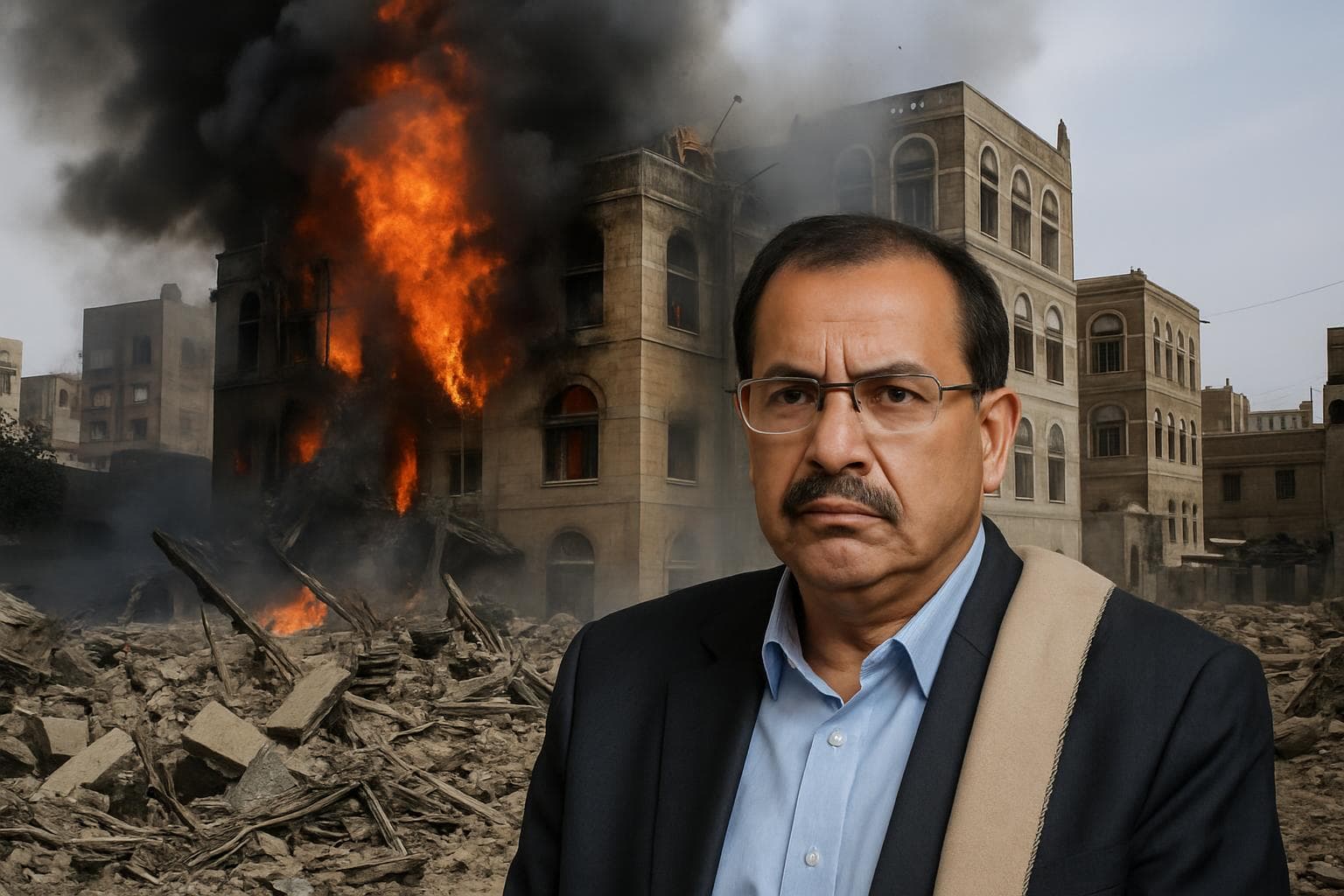
An Israeli airstrike has claimed the life of Ahmed Ghaleb Nasser al-Rahawi, the self-proclaimed Prime Minister of Yemen's Houthi-controlled government, in a significant escalation of Middle East tensions. The strike, which occurred in Sanaa on Thursday, also resulted in the deaths of several other senior Houthi officials, according to statements from the rebel group.
The Israel Defense Forces (IDF) confirmed the operation, stating that it was a targeted attack on the Houthi leadership, which has been launching missiles at Israel in solidarity with the Palestinians. The IDF described the strike as a "crushing blow" and warned that it was only the beginning of their efforts to curtail Houthi aggression.
Houthi Leadership Targeted
The airstrike targeted a meeting of Houthi leaders in the southern Sanaa village of Beit Baws, coinciding with a speech by Abdul-Malik al-Houthi, the group's leader. The Houthis have controlled much of north-western Yemen since 2014, following their ousting of the internationally recognized government, which triggered a devastating civil war.
Mahdi al-Mashat, head of the Houthi supreme political council, vowed revenge, promising to retaliate against Israel and urging foreign companies to leave the country. The Houthis' foreign minister and several other ministers were reportedly among those killed or injured in the strike.
Regional Implications
The death of al-Rahawi, who was appointed in August 2024, marks the most significant loss for the Houthi leadership since the US and Israel began their air and naval campaign against the rebels. The campaign was a response to the Houthis' missile and drone attacks on Israel and commercial ships in the Red Sea.
Ahmed Nagi, a senior analyst with Crisis Group International, described the killing as a "serious setback" for the Houthis. The incident highlights the ongoing conflict between Iran-backed groups and Israel, with potential ramifications for regional stability.
WHAT THIS MIGHT MEAN
The killing of Ahmed Ghaleb Nasser al-Rahawi could lead to increased hostilities between the Houthis and Israel, potentially drawing in other regional actors. The Houthis' vow of retaliation suggests that further missile attacks on Israel could occur, prompting additional military responses. This escalation may strain diplomatic efforts to resolve the broader Middle East conflict, complicating peace negotiations.
Experts warn that the situation could destabilize the already volatile region, affecting global oil markets and international shipping routes. The international community may need to intervene to prevent further escalation and address the humanitarian crisis in Yemen, which has been exacerbated by years of civil war and external interventions.
Related Articles

Middle East Conflict Drives UK Energy Prices to New Highs

UK Faces Dilemmas Amid Iran Conflict and China Spying Allegations

US and Israel Intensify Military Campaign as Iran's Capabilities Dwindle
Iran Postpones Khamenei Funeral Amid Escalating US-Israeli Strikes
Canada Calls for De-escalation Amid US-Israel Strikes on Iran

Intensified US-Israel Strikes on Iran Spark Global Outcry
Israeli Airstrike Kills Houthi Prime Minister in Yemen, Escalating Regional Tensions
In This Article
 James Okoro| Published
 HIGHLIGHTS
- Yemen's Houthi Prime Minister Ahmed Ghaleb Nasser al-Rahawi was killed in an Israeli airstrike in Sanaa, along with several other officials.
- The Israeli Defense Forces (IDF) targeted the Houthi leadership in response to missile attacks on Israel, marking a significant escalation in Middle East tensions.
- The Houthis vowed retaliation, with their leader Mahdi al-Mashat promising revenge and warning foreign companies to leave Israel.
- The strike occurred during a Houthi meeting, coinciding with a speech by the group's leader, Abdul-Malik al-Houthi, on the Gaza conflict.
- The incident underscores the ongoing conflict between Iran-backed Houthi rebels and Israel, with implications for regional stability.
An Israeli airstrike has claimed the life of Ahmed Ghaleb Nasser al-Rahawi, the self-proclaimed Prime Minister of Yemen's Houthi-controlled government, in a significant escalation of Middle East tensions. The strike, which occurred in Sanaa on Thursday, also resulted in the deaths of several other senior Houthi officials, according to statements from the rebel group.
The Israel Defense Forces (IDF) confirmed the operation, stating that it was a targeted attack on the Houthi leadership, which has been launching missiles at Israel in solidarity with the Palestinians. The IDF described the strike as a "crushing blow" and warned that it was only the beginning of their efforts to curtail Houthi aggression.
Houthi Leadership Targeted
The airstrike targeted a meeting of Houthi leaders in the southern Sanaa village of Beit Baws, coinciding with a speech by Abdul-Malik al-Houthi, the group's leader. The Houthis have controlled much of north-western Yemen since 2014, following their ousting of the internationally recognized government, which triggered a devastating civil war.
Mahdi al-Mashat, head of the Houthi supreme political council, vowed revenge, promising to retaliate against Israel and urging foreign companies to leave the country. The Houthis' foreign minister and several other ministers were reportedly among those killed or injured in the strike.
Regional Implications
The death of al-Rahawi, who was appointed in August 2024, marks the most significant loss for the Houthi leadership since the US and Israel began their air and naval campaign against the rebels. The campaign was a response to the Houthis' missile and drone attacks on Israel and commercial ships in the Red Sea.
Ahmed Nagi, a senior analyst with Crisis Group International, described the killing as a "serious setback" for the Houthis. The incident highlights the ongoing conflict between Iran-backed groups and Israel, with potential ramifications for regional stability.
WHAT THIS MIGHT MEAN
The killing of Ahmed Ghaleb Nasser al-Rahawi could lead to increased hostilities between the Houthis and Israel, potentially drawing in other regional actors. The Houthis' vow of retaliation suggests that further missile attacks on Israel could occur, prompting additional military responses. This escalation may strain diplomatic efforts to resolve the broader Middle East conflict, complicating peace negotiations.
Experts warn that the situation could destabilize the already volatile region, affecting global oil markets and international shipping routes. The international community may need to intervene to prevent further escalation and address the humanitarian crisis in Yemen, which has been exacerbated by years of civil war and external interventions.
Related Articles
Middle East Conflict Drives UK Energy Prices to New Highs
UK Faces Dilemmas Amid Iran Conflict and China Spying Allegations
US and Israel Intensify Military Campaign as Iran's Capabilities Dwindle
Iran Postpones Khamenei Funeral Amid Escalating US-Israeli Strikes
Canada Calls for De-escalation Amid US-Israel Strikes on Iran
Intensified US-Israel Strikes on Iran Spark Global Outcry