
Israel's Airstrike in Beirut Kills Senior Hezbollah Official, Heightening Regional Tensions
In This Article
HIGHLIGHTS
- Israel conducted an airstrike in Beirut, killing Hezbollah's chief of staff, Haitham Ali al-Tabtabai, amid rising tensions.
- The attack resulted in at least five deaths and 28 injuries, escalating fears of renewed conflict in the Middle East.
- Israeli Prime Minister Benjamin Netanyahu stated the strike was to prevent Hezbollah from rebuilding military capabilities.
- Hezbollah condemned the attack, calling it a violation of the ceasefire agreement brokered by the US and France.
- The Lebanese government has urged international intervention to halt Israeli actions and ensure regional stability.
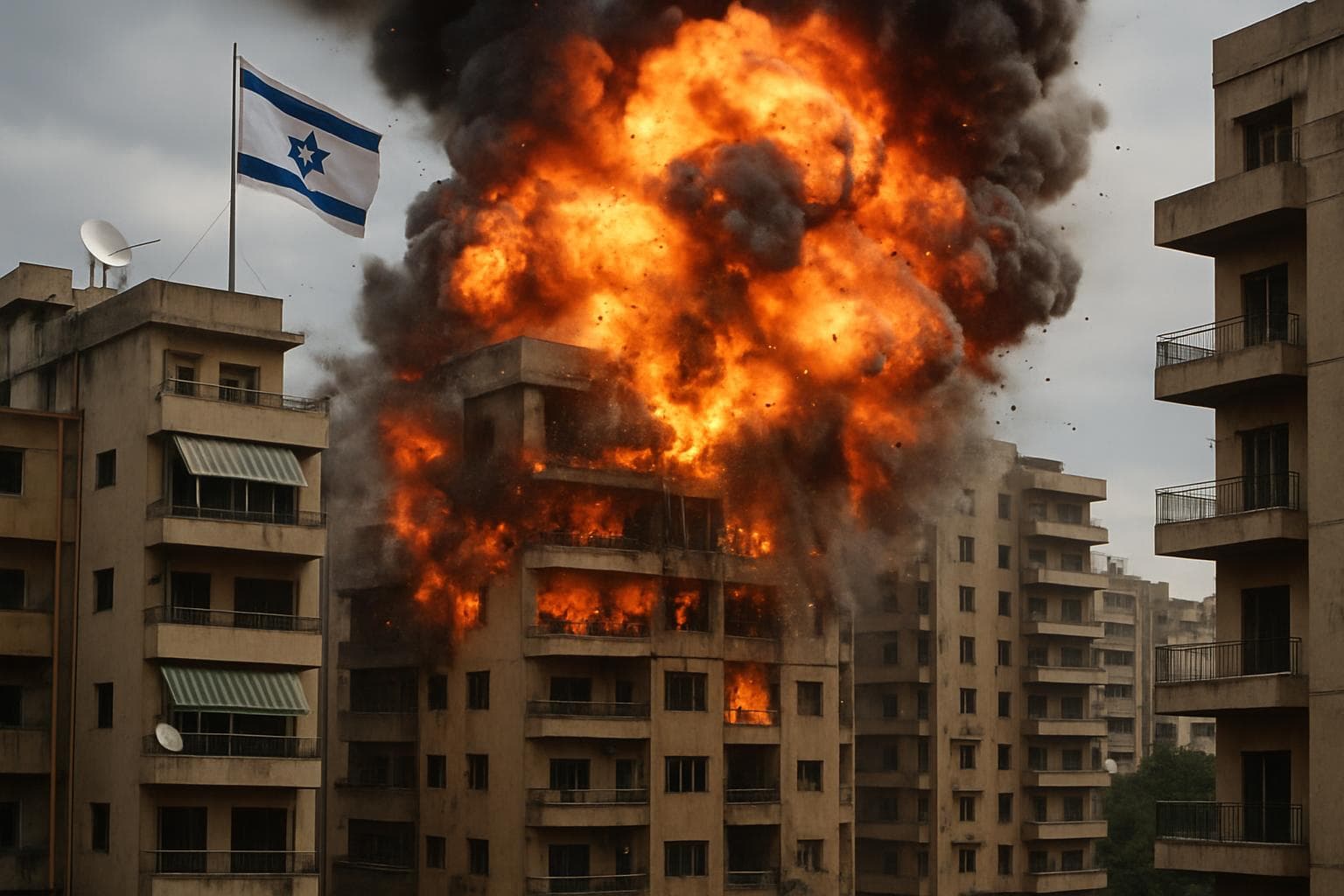
In a significant escalation of hostilities, Israel has carried out an airstrike in the southern suburbs of Beirut, killing Haitham Ali al-Tabtabai, a senior Hezbollah military commander. The attack, which took place on Sunday, marks Israel's first strike on the Lebanese capital in months and has resulted in at least five fatalities and 28 injuries, according to Lebanon's health ministry.
Background and Immediate Impact
The airstrike targeted an apartment building in the densely populated Dahieh district, a known Hezbollah stronghold. Israeli officials described Tabtabai as a veteran leader within the group, responsible for overseeing its military operations. The attack comes amid concerns that Hezbollah is attempting to rebuild its military capabilities, including the production of explosive drones, despite a ceasefire agreement brokered by the US and France last November.
Israeli Justification and Lebanese Response
Israeli Prime Minister Benjamin Netanyahu defended the strike, stating, "Under my leadership, the State of Israel will not allow Hezbollah to rebuild its power." He emphasized the need for the Lebanese government to disarm Hezbollah, a demand that has been met with resistance from the group. In response, Hezbollah condemned the airstrike, accusing Israel of crossing a "red line" and violating the ceasefire.
International and Regional Reactions
The Lebanese government has called for international intervention to pressure Israel into halting its military actions and withdrawing from occupied territories in southern Lebanon. President Joseph Aoun highlighted the ongoing violations of the ceasefire agreement, urging the international community to act. Meanwhile, a senior US official revealed that Washington was not informed in advance of the strike, although it had been aware of Israel's plans to escalate its military campaign.
Historical Context and Future Implications
The recent hostilities between Israel and Hezbollah reignited following the group's rocket attacks on Israeli positions in solidarity with Palestinians in Gaza after the Hamas attacks on October 7, 2023. The conflict has resulted in significant casualties on both sides, with Lebanese authorities reporting approximately 4,000 deaths, including many civilians, and the displacement of over 1.2 million residents.
WHAT THIS MIGHT MEAN
The recent airstrike in Beirut could potentially lead to a renewed cycle of violence in the Middle East, undermining the fragile ceasefire agreement. Experts warn that continued military actions by Israel may provoke further retaliation from Hezbollah, escalating into a broader regional conflict. The international community, particularly the US and France, may need to intensify diplomatic efforts to prevent further deterioration of the situation. Additionally, the Lebanese government's ability to manage internal pressures and external threats will be crucial in maintaining stability and preventing a full-scale conflict.
Related Articles
Israeli Airstrikes in Lebanon's Bekaa Valley Leave 10 Dead Amid Rising Tensions

Middle East Conflict Drives UK Energy Prices to New Highs
US and Israel Intensify Military Campaign as Iran's Capabilities Dwindle

US Ambassador's Biblical Land Remarks Spark Outcry from Arab Nations

Intensified US-Israel Strikes on Iran Spark Global Outcry
UK Reinforces Military Presence in Cyprus Amid Middle East Tensions
Israel's Airstrike in Beirut Kills Senior Hezbollah Official, Heightening Regional Tensions
In This Article
 James Okoro| Published
 HIGHLIGHTS
- Israel conducted an airstrike in Beirut, killing Hezbollah's chief of staff, Haitham Ali al-Tabtabai, amid rising tensions.
- The attack resulted in at least five deaths and 28 injuries, escalating fears of renewed conflict in the Middle East.
- Israeli Prime Minister Benjamin Netanyahu stated the strike was to prevent Hezbollah from rebuilding military capabilities.
- Hezbollah condemned the attack, calling it a violation of the ceasefire agreement brokered by the US and France.
- The Lebanese government has urged international intervention to halt Israeli actions and ensure regional stability.
In a significant escalation of hostilities, Israel has carried out an airstrike in the southern suburbs of Beirut, killing Haitham Ali al-Tabtabai, a senior Hezbollah military commander. The attack, which took place on Sunday, marks Israel's first strike on the Lebanese capital in months and has resulted in at least five fatalities and 28 injuries, according to Lebanon's health ministry.
Background and Immediate Impact
The airstrike targeted an apartment building in the densely populated Dahieh district, a known Hezbollah stronghold. Israeli officials described Tabtabai as a veteran leader within the group, responsible for overseeing its military operations. The attack comes amid concerns that Hezbollah is attempting to rebuild its military capabilities, including the production of explosive drones, despite a ceasefire agreement brokered by the US and France last November.
Israeli Justification and Lebanese Response
Israeli Prime Minister Benjamin Netanyahu defended the strike, stating, "Under my leadership, the State of Israel will not allow Hezbollah to rebuild its power." He emphasized the need for the Lebanese government to disarm Hezbollah, a demand that has been met with resistance from the group. In response, Hezbollah condemned the airstrike, accusing Israel of crossing a "red line" and violating the ceasefire.
International and Regional Reactions
The Lebanese government has called for international intervention to pressure Israel into halting its military actions and withdrawing from occupied territories in southern Lebanon. President Joseph Aoun highlighted the ongoing violations of the ceasefire agreement, urging the international community to act. Meanwhile, a senior US official revealed that Washington was not informed in advance of the strike, although it had been aware of Israel's plans to escalate its military campaign.
Historical Context and Future Implications
The recent hostilities between Israel and Hezbollah reignited following the group's rocket attacks on Israeli positions in solidarity with Palestinians in Gaza after the Hamas attacks on October 7, 2023. The conflict has resulted in significant casualties on both sides, with Lebanese authorities reporting approximately 4,000 deaths, including many civilians, and the displacement of over 1.2 million residents.
WHAT THIS MIGHT MEAN
The recent airstrike in Beirut could potentially lead to a renewed cycle of violence in the Middle East, undermining the fragile ceasefire agreement. Experts warn that continued military actions by Israel may provoke further retaliation from Hezbollah, escalating into a broader regional conflict. The international community, particularly the US and France, may need to intensify diplomatic efforts to prevent further deterioration of the situation. Additionally, the Lebanese government's ability to manage internal pressures and external threats will be crucial in maintaining stability and preventing a full-scale conflict.
Related Articles
Israeli Airstrikes in Lebanon's Bekaa Valley Leave 10 Dead Amid Rising Tensions
Middle East Conflict Drives UK Energy Prices to New Highs
US and Israel Intensify Military Campaign as Iran's Capabilities Dwindle
US Ambassador's Biblical Land Remarks Spark Outcry from Arab Nations
Intensified US-Israel Strikes on Iran Spark Global Outcry
UK Reinforces Military Presence in Cyprus Amid Middle East Tensions