
Israel's Controversial Plan to Relocate Gaza's Population Sparks Outcry
In This Article
HIGHLIGHTS
- Israel's Defence Minister, Israel Katz, has proposed relocating Gaza's entire population to a camp in Rafah, sparking international condemnation.
- The plan involves creating a "humanitarian city" for 2.1 million Palestinians, with security screenings to prevent Hamas operatives from entering.
- Legal experts and human rights organizations have criticized the proposal as a potential crime against humanity and ethnic cleansing.
- Ceasefire negotiations between Israel and Hamas are ongoing, with discussions on aid distribution and troop withdrawals.
- The Red Cross reports that Gaza's healthcare system is overwhelmed due to mass casualty incidents at aid distribution sites.
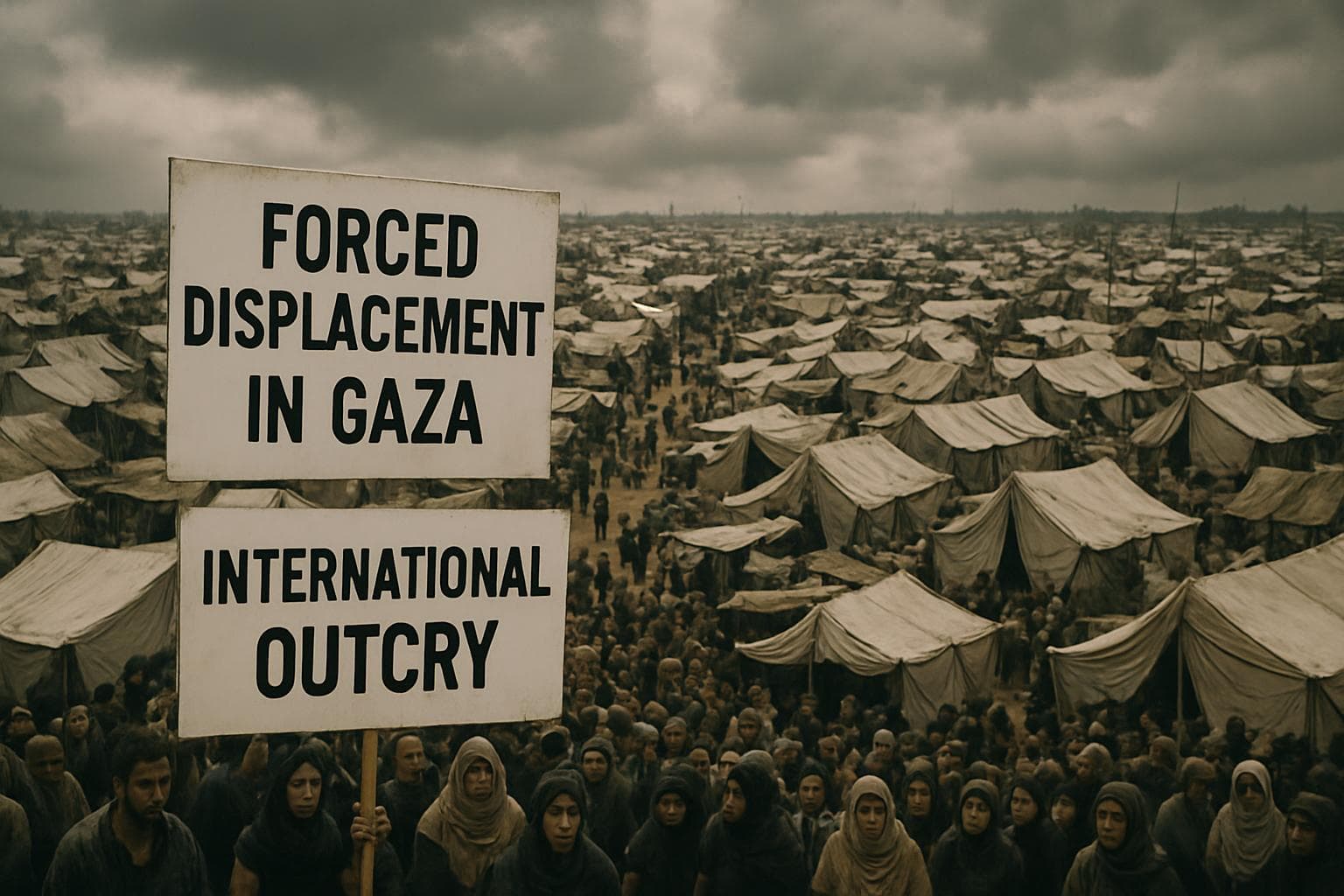
Israel's Defence Minister, Israel Katz, has unveiled a contentious plan to relocate the entire Palestinian population of Gaza to a camp in the southern city of Rafah. The proposal, which aims to establish a "humanitarian city" for 2.1 million people, has drawn sharp criticism from legal experts and human rights organizations, who warn it could constitute a crime against humanity.
A Humanitarian City or Forced Displacement?
Katz's plan, announced on Monday, involves moving Palestinians to a camp in Rafah, with initial accommodations for 600,000 people. The proposal includes security screenings to prevent Hamas operatives from entering, and construction is slated to begin during a potential 60-day ceasefire. However, critics argue that the plan amounts to forced displacement, a violation of international humanitarian law. Michael Sfard, a prominent Israeli human rights lawyer, described the proposal as an "operational plan for a crime against humanity."
International and Regional Reactions
The international community has reacted strongly to the proposal. The United Nations has previously warned against the forcible transfer of an occupied territory's civilian population, labeling it as ethnic cleansing. Meanwhile, Arab states have backed an alternative $53 billion Egyptian reconstruction plan for Gaza, emphasizing their rejection of any displacement of Palestinians. The Palestinian Authority and Hamas have endorsed this plan, while Israel and the United States have criticized it for not addressing Gaza's realities.
Ceasefire Talks and Humanitarian Concerns
Amidst these developments, ceasefire negotiations between Israel and Hamas continue in Doha, focusing on troop withdrawals and aid distribution. The Red Cross has reported that Gaza's healthcare system is overwhelmed due to mass casualty incidents at aid distribution sites, further complicating the humanitarian situation. The organization has mobilized all its staff to address the crisis.
Political Implications and Future Prospects
Israeli Prime Minister Benjamin Netanyahu has expressed support for Katz's plan, aligning with US President Donald Trump's vision of offering Palestinians a choice to stay or leave. However, experts like Alon Pinkas, a former Israeli diplomat, question the feasibility and morality of the proposal, warning against dismissing it as mere political posturing.
WHAT THIS MIGHT MEAN
The proposal to relocate Gaza's population could have significant legal and political repercussions. If implemented, it may lead to international condemnation and potential legal action against Israel for violating international humanitarian law. The ongoing ceasefire negotiations offer a glimmer of hope for a peaceful resolution, but the humanitarian crisis in Gaza remains dire. As the situation unfolds, the international community's response and the outcome of the negotiations will be crucial in shaping the future of the region.
Related Articles

UK Faces Dilemmas Amid Iran Conflict and China Spying Allegations
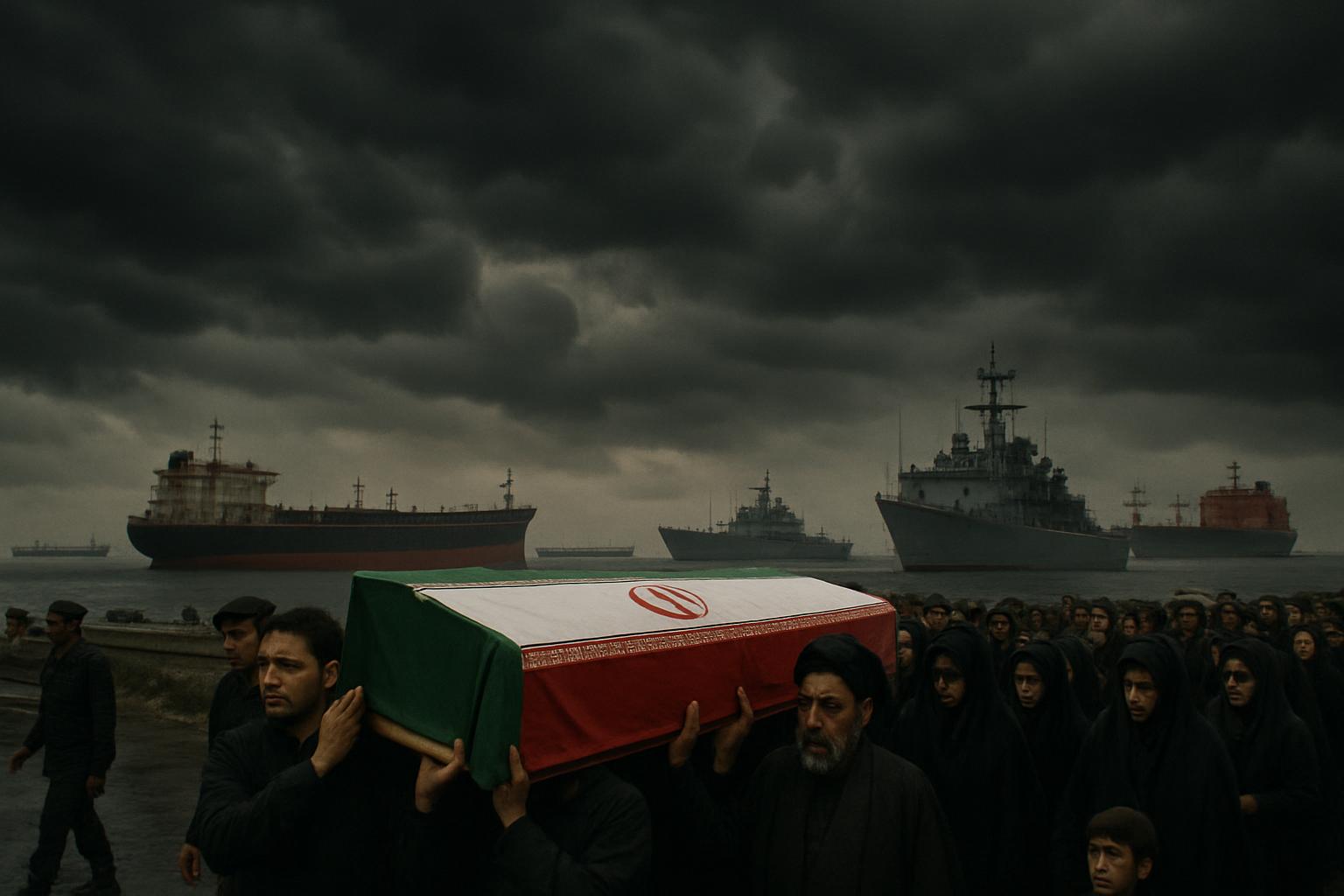
Iran Postpones Khamenei Funeral Amid Escalating US-Israeli Strikes
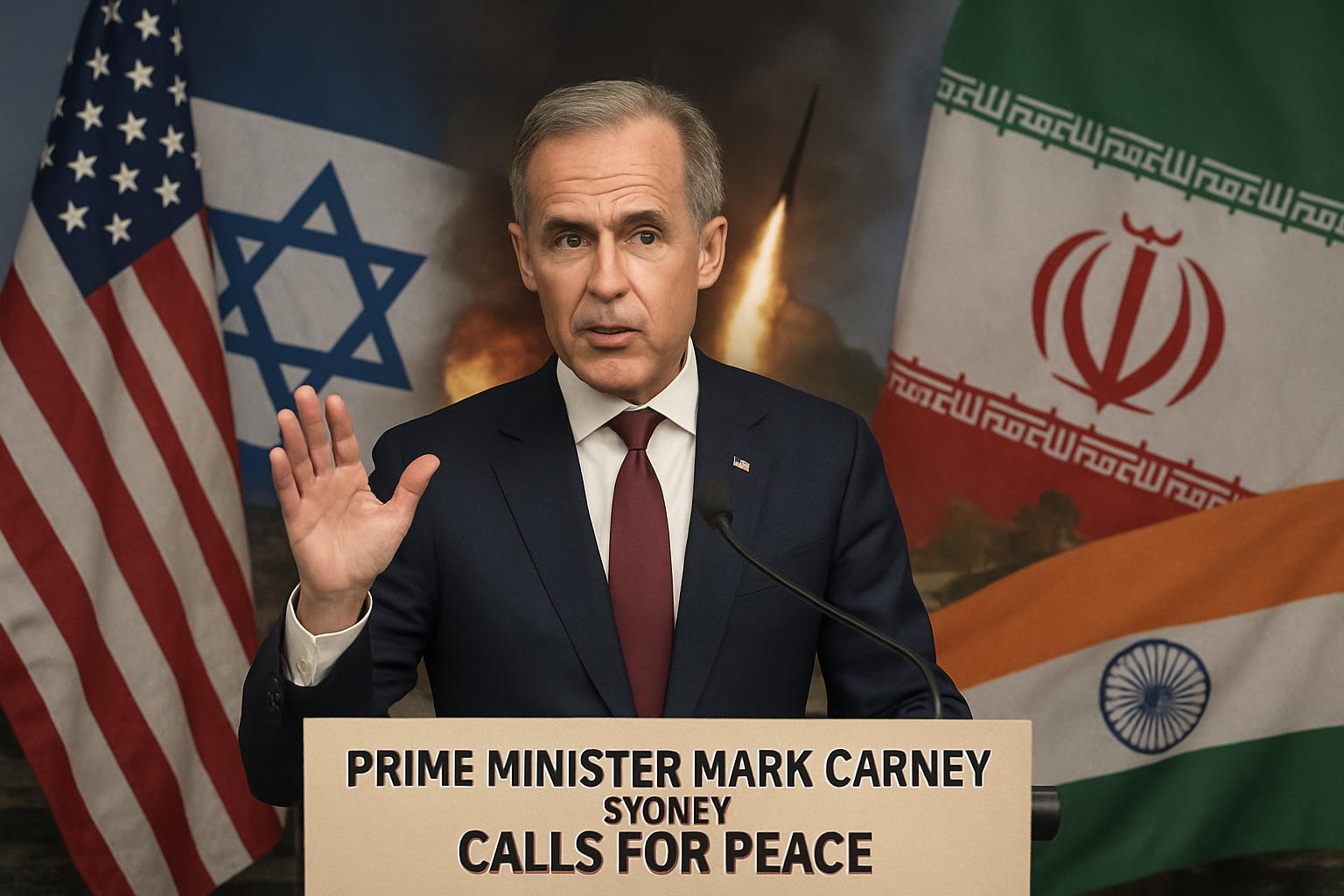
Canada Calls for De-escalation Amid US-Israel Strikes on Iran
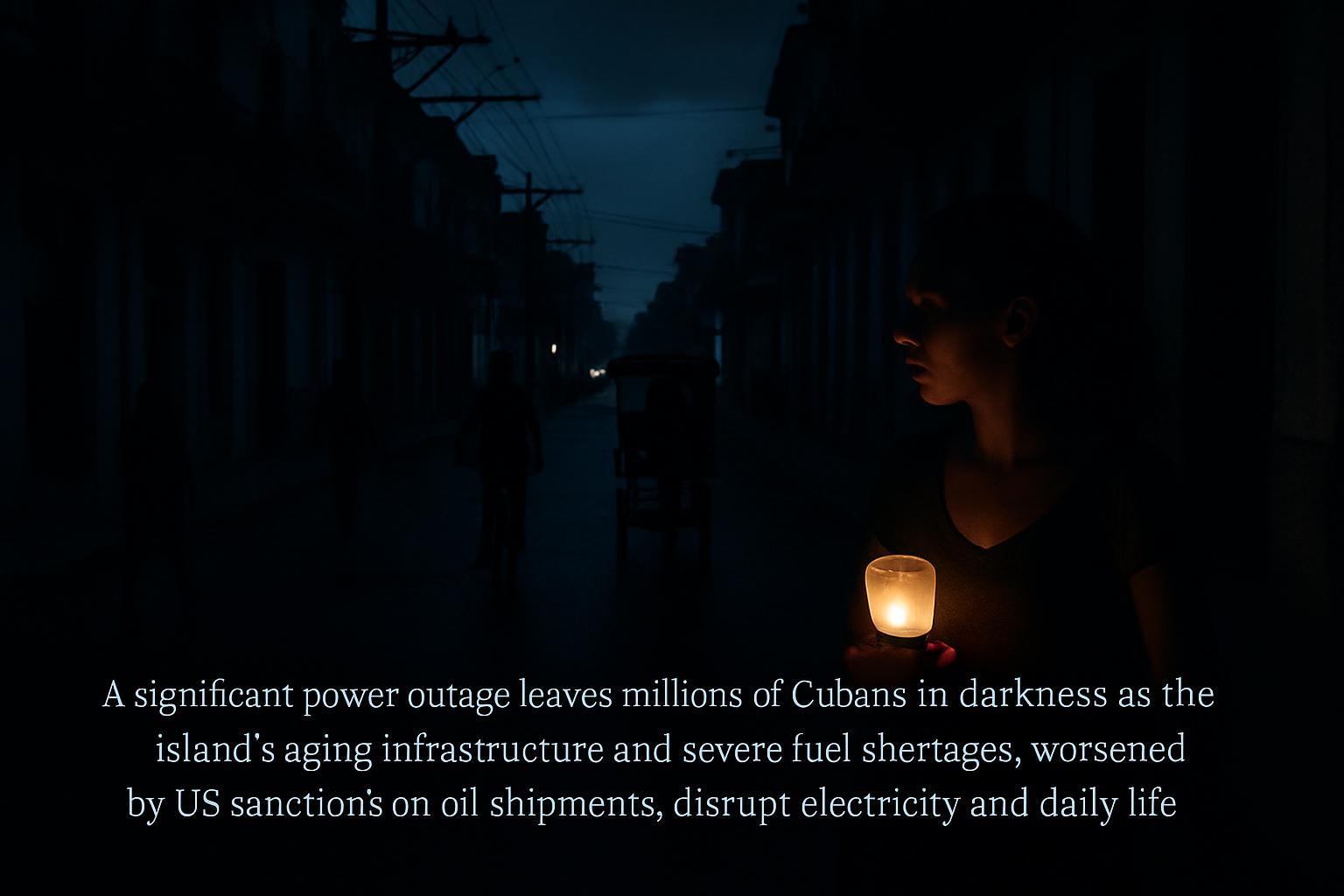
Cuba Faces Widespread Blackout Amid Deepening Fuel Crisis

Middle East Conflict Drives UK Energy Prices to New Highs

US and Israel Intensify Military Campaign as Iran's Capabilities Dwindle
Israel's Controversial Plan to Relocate Gaza's Population Sparks Outcry
In This Article
 James Okoro| Published
 HIGHLIGHTS
- Israel's Defence Minister, Israel Katz, has proposed relocating Gaza's entire population to a camp in Rafah, sparking international condemnation.
- The plan involves creating a "humanitarian city" for 2.1 million Palestinians, with security screenings to prevent Hamas operatives from entering.
- Legal experts and human rights organizations have criticized the proposal as a potential crime against humanity and ethnic cleansing.
- Ceasefire negotiations between Israel and Hamas are ongoing, with discussions on aid distribution and troop withdrawals.
- The Red Cross reports that Gaza's healthcare system is overwhelmed due to mass casualty incidents at aid distribution sites.
Israel's Defence Minister, Israel Katz, has unveiled a contentious plan to relocate the entire Palestinian population of Gaza to a camp in the southern city of Rafah. The proposal, which aims to establish a "humanitarian city" for 2.1 million people, has drawn sharp criticism from legal experts and human rights organizations, who warn it could constitute a crime against humanity.
A Humanitarian City or Forced Displacement?
Katz's plan, announced on Monday, involves moving Palestinians to a camp in Rafah, with initial accommodations for 600,000 people. The proposal includes security screenings to prevent Hamas operatives from entering, and construction is slated to begin during a potential 60-day ceasefire. However, critics argue that the plan amounts to forced displacement, a violation of international humanitarian law. Michael Sfard, a prominent Israeli human rights lawyer, described the proposal as an "operational plan for a crime against humanity."
International and Regional Reactions
The international community has reacted strongly to the proposal. The United Nations has previously warned against the forcible transfer of an occupied territory's civilian population, labeling it as ethnic cleansing. Meanwhile, Arab states have backed an alternative $53 billion Egyptian reconstruction plan for Gaza, emphasizing their rejection of any displacement of Palestinians. The Palestinian Authority and Hamas have endorsed this plan, while Israel and the United States have criticized it for not addressing Gaza's realities.
Ceasefire Talks and Humanitarian Concerns
Amidst these developments, ceasefire negotiations between Israel and Hamas continue in Doha, focusing on troop withdrawals and aid distribution. The Red Cross has reported that Gaza's healthcare system is overwhelmed due to mass casualty incidents at aid distribution sites, further complicating the humanitarian situation. The organization has mobilized all its staff to address the crisis.
Political Implications and Future Prospects
Israeli Prime Minister Benjamin Netanyahu has expressed support for Katz's plan, aligning with US President Donald Trump's vision of offering Palestinians a choice to stay or leave. However, experts like Alon Pinkas, a former Israeli diplomat, question the feasibility and morality of the proposal, warning against dismissing it as mere political posturing.
WHAT THIS MIGHT MEAN
The proposal to relocate Gaza's population could have significant legal and political repercussions. If implemented, it may lead to international condemnation and potential legal action against Israel for violating international humanitarian law. The ongoing ceasefire negotiations offer a glimmer of hope for a peaceful resolution, but the humanitarian crisis in Gaza remains dire. As the situation unfolds, the international community's response and the outcome of the negotiations will be crucial in shaping the future of the region.
Related Articles
UK Faces Dilemmas Amid Iran Conflict and China Spying Allegations
Iran Postpones Khamenei Funeral Amid Escalating US-Israeli Strikes
Canada Calls for De-escalation Amid US-Israel Strikes on Iran
Cuba Faces Widespread Blackout Amid Deepening Fuel Crisis
Middle East Conflict Drives UK Energy Prices to New Highs
US and Israel Intensify Military Campaign as Iran's Capabilities Dwindle